
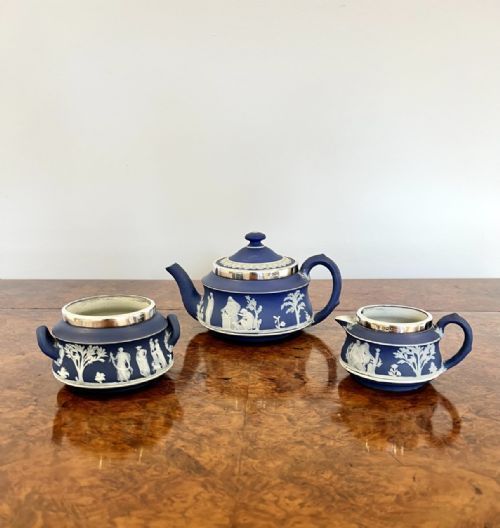


Antique Teapot Set
An antique teapot set brings the ritual of formal hospitality to the table, uniting vessels in silver, porcelain and earthenware.

Antique Teapot Set
An antique teapot set comprises coordinated vessels for serving hot beverages, spanning periods from the Georgian era through the Edwardian years and into the twentieth century. These groupings often include teapots alongside cream jugs, sugar bowls and sometimes coffee pots or matching cups.
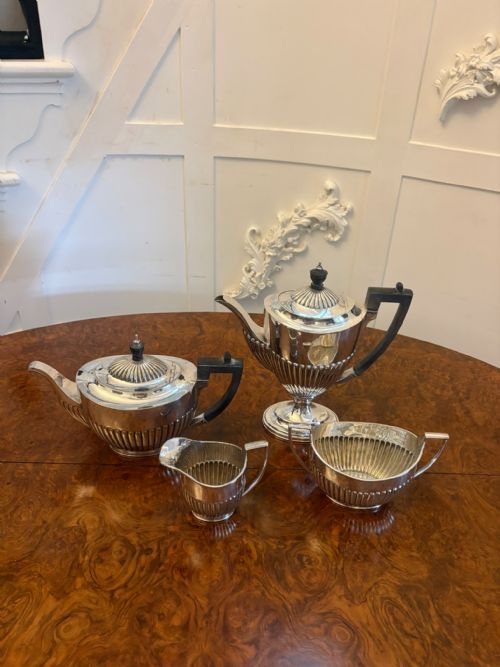
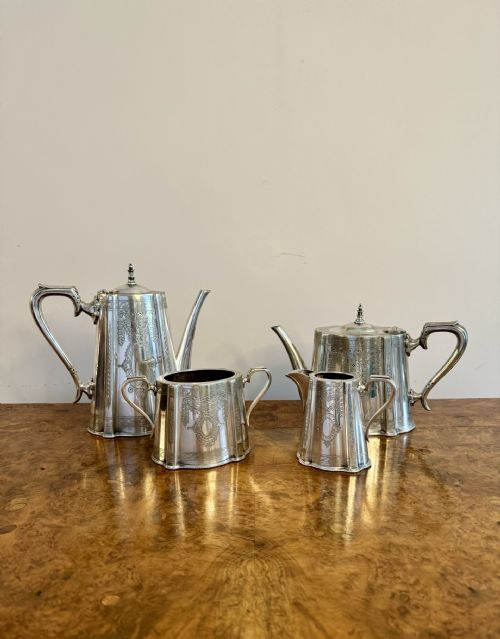
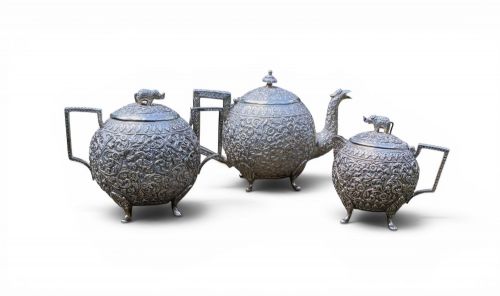
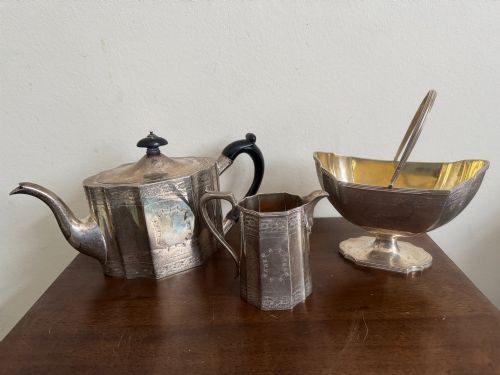
The most common form encountered on this page is the silver plated Edwardian tea service, typically configured in three or four pieces. Alongside these metal settings, ceramic variations emerge in earthenware, porcelain and ironstone, ranging from bachelor teasets to larger breakfast services.
Origins stretch across English potteries, Scottish silversmiths and continental porcelain houses, reflecting diverse domestic traditions. Buyers find everything from utilitarian toy sets to ornate multi-piece services designed for grand drawing rooms.
Materials and construction methods
Metal sets rely heavily on silver plate over base metals or solid sterling silver, shaped into bodies with applied handles of ebonised wood or ebony. Silversmiths employed techniques like embossing, chasing and engraving to ornament the surfaces with floral motifs or geometric patterns.
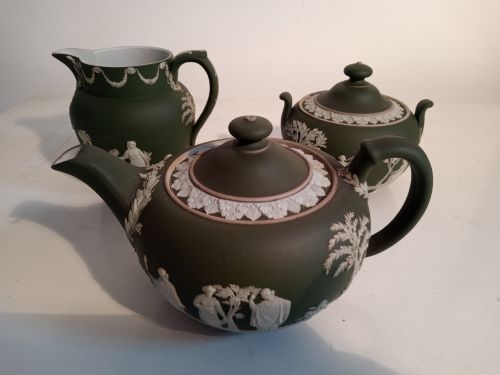
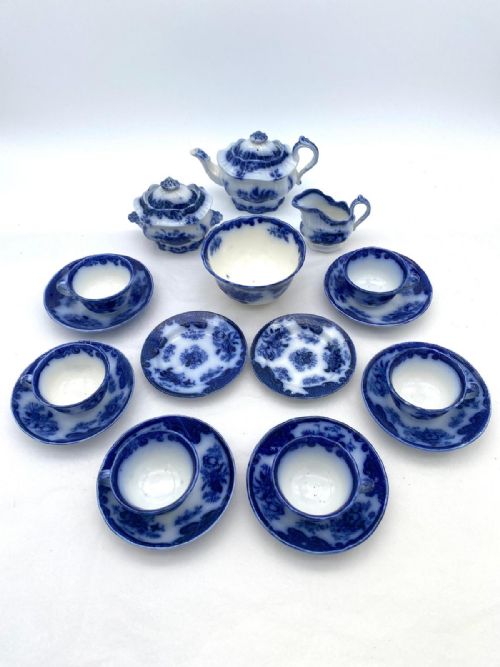
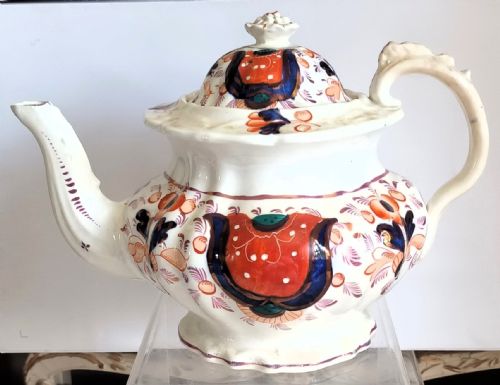
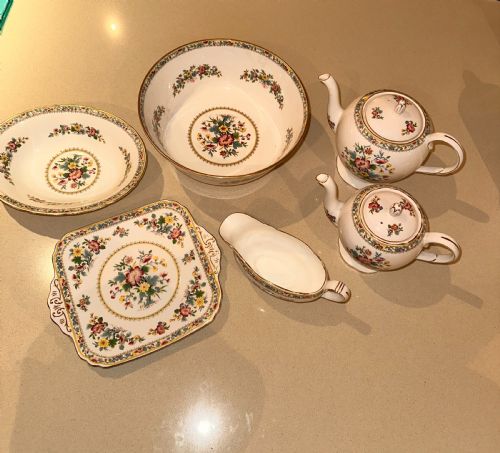
Ceramic examples bring together earthenware, bone china and ironstone, shaped by hand or in moulds before receiving hand-painted designs, transfer printing or flow blue glazes. Specialised wares incorporate gold leaf highlights, jasperware reliefs and blush ivory finishes fired in kilns.
Insulating handle rings of ebony or bone frequently separate metal teapots from their heat-conducting spouts, demonstrating practical attention to daily use.
The antique teapot set selections on this site include Victorian Neoclassical, Art Deco, Edwardian and Georgian design styles.
Distinctions in craftsmanship and design
The distinction between ordinary production and finer work rests on the crispness of the chasing in silver or the precision of the hand-painting on porcelain. Maker attribution plays a significant role, with recognised workshops delivering heavier gauge metal, balanced proportions and superior finishing.
Cohesion within a multi-piece service determines its standing; matched sets produced together maintain uniform glaze tones, maker marks and decorative motifs across every component. Supplementary vessels like matching creamers and sugar basins complete the integrity of the ensemble.
Walker and Hall·Wedgwood·Royal Worcester·Clarice Cliff·William Moorcroft
The Antique Teapot Set Glossary
- Bachelor teaset
- A small-scale tea service designed for one person, typically comprising a miniature teapot, creamer and sugar bowl. These compact sets were popular for private morning use.
- Flow blue
- A cobalt blue transfer printing technique used on earthenware where the colour blurred slightly into the white glaze during firing. This effect created a soft, misty appearance popular in mid-nineteenth-century ceramics.
- Jasperware
- A fine-grained, unglazed stoneware developed by Wedgwood, most commonly found in pale blue with applied white neoclassical reliefs. It frequently adorned teapots and decorative vessels.
- Silver plate
- A layer of silver fused to a base metal core, such as copper or nickel silver, providing the appearance of solid silver at a lower cost. Victorian and Edwardian manufacturers perfected this technique for large tea services.
- Transfer printing
- A method of applying intricate designs to pottery by engraving a copper plate, inking it, and transferring the impression onto paper and then onto the ceramic body before glazing.
Antique Teapot Set: Frequently Asked Questions
How do I care for antique silver plated tea sets?
Clean silver plate gently with a specialist silver cloth or mild soapy water, avoiding harsh abrasive pastes that wear away the thin silver layer over time. Dry thoroughly after washing to prevent water spots.
Store pieces in a dry environment away from direct sunlight, and refrain from wrapping them in rubber bands or ordinary plastic bags, which can tarnish the metal surface.
Are antique ceramic teapots safe for daily use?
Most antique porcelain and earthenware teapots can hold hot water, but older glazes may contain trace impurities or develop hairline cracks from thermal shock. Pre-warmed water helps minimise sudden temperature changes.
Hand washing is essential for these fragile pieces, as modern dishwashers use aggressive detergents and high heat that damage delicate hand-painted decoration and gold leaf.
What is the difference between a tea service and a tea set?
A tea service generally refers to a larger, more formal collection of vessels that includes a teapot, sugar bowl, milk jug and sometimes slop basins or matching trays. These were centrepieces for formal entertaining.
A tea set often implies a smaller or more casual grouping, such as a tea-for-two set or a child's toy service, focused primarily on brewing and pouring without the wider array of accessory vessels.
How can I identify the date of an antique tea set?
Examine the underside of ceramic pieces for factory marks, pattern names and registration numbers that correspond to manufacturer date codes. Stylistic cues like Art Deco geometry or Victorian ornamentation also narrow down the period.
Silver and silver-plated sets often feature hallmarks or maker stamps that indicate the assay office and exact year of production, providing a reliable paper trail for dating.