
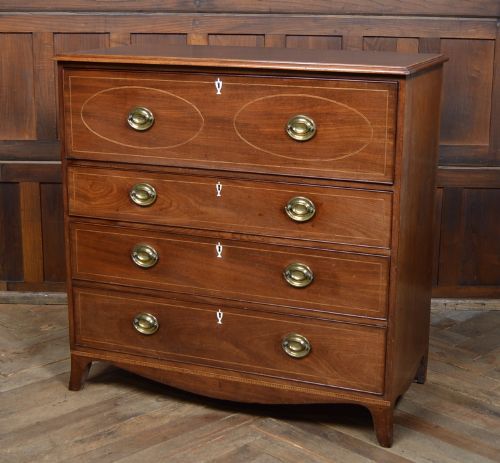


Antique Tallboy Desk
An antique tallboy desk combines vertical storage with a dedicated writing surface, offering a practical solution for compact rooms.
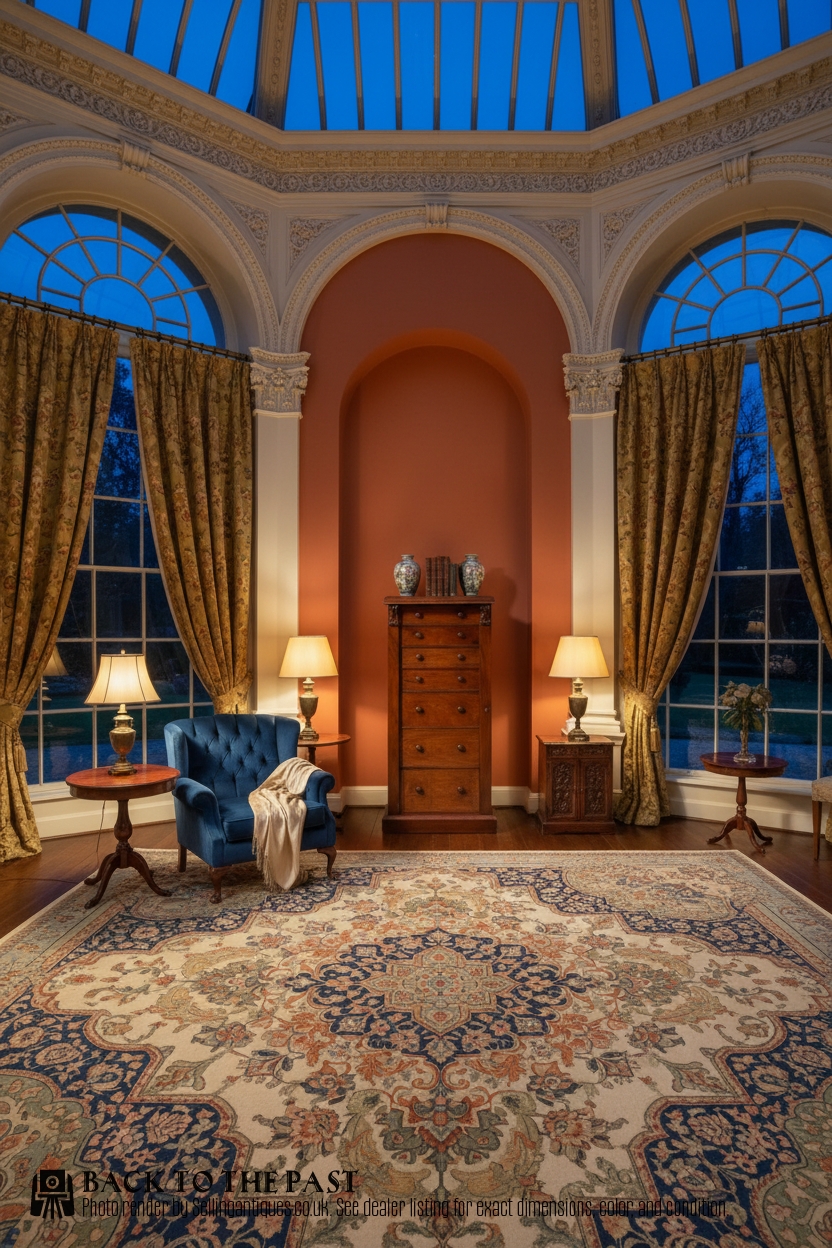
Antique Tallboy Desk
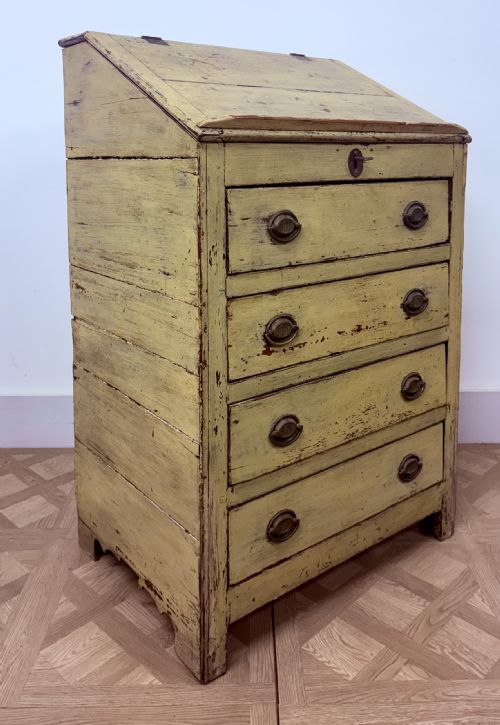
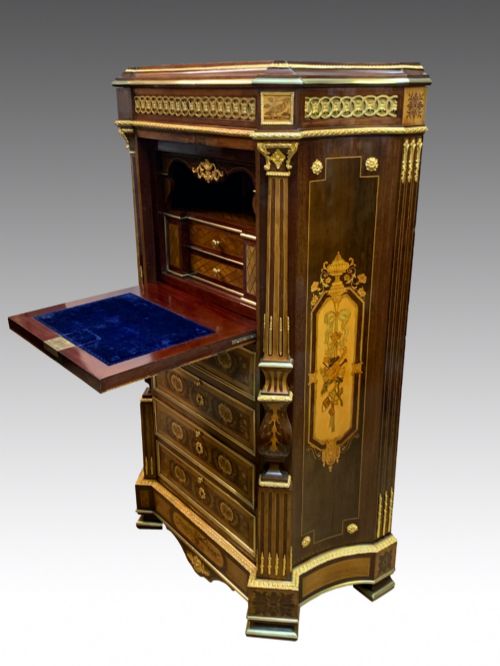
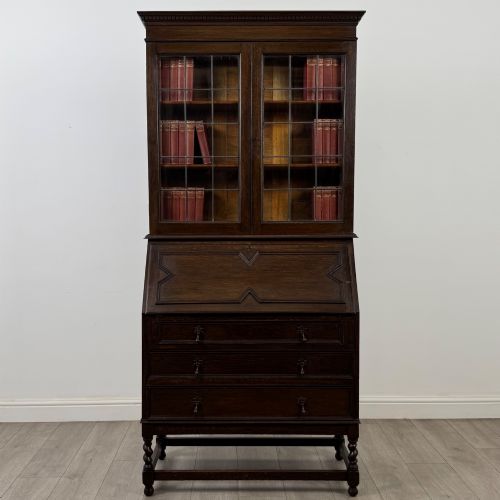
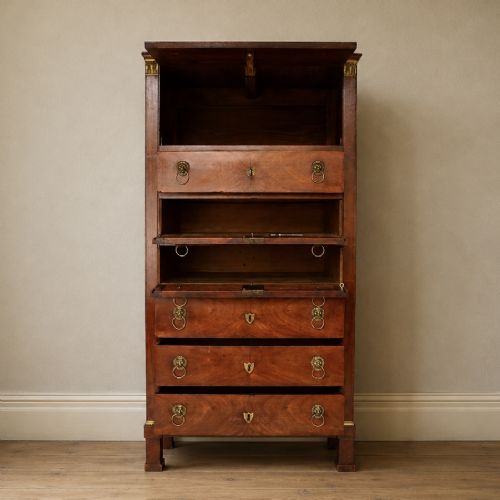
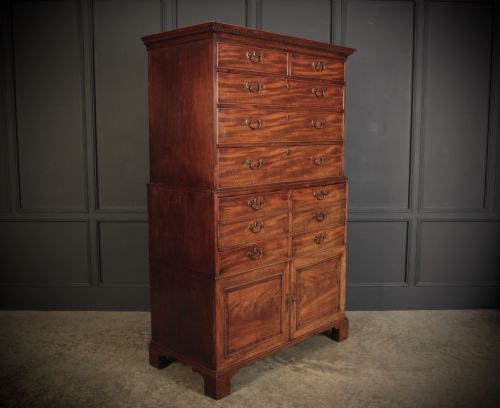
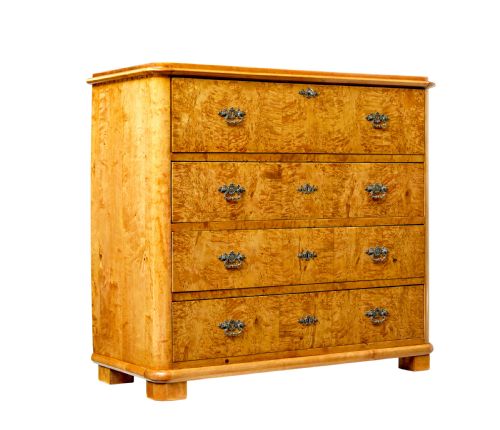
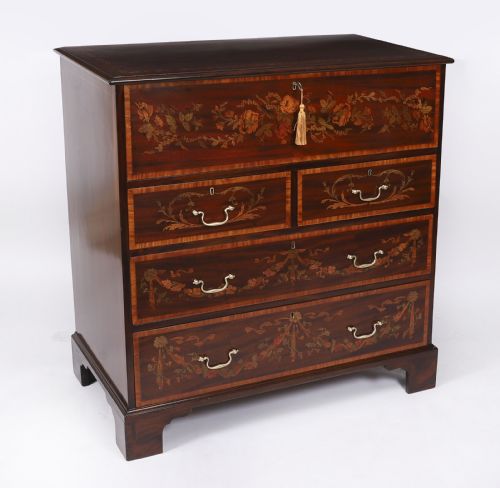
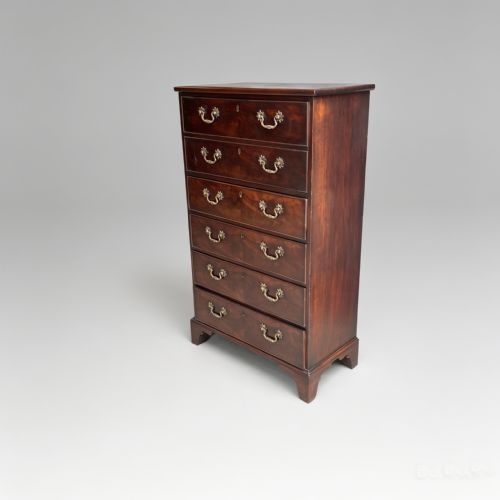
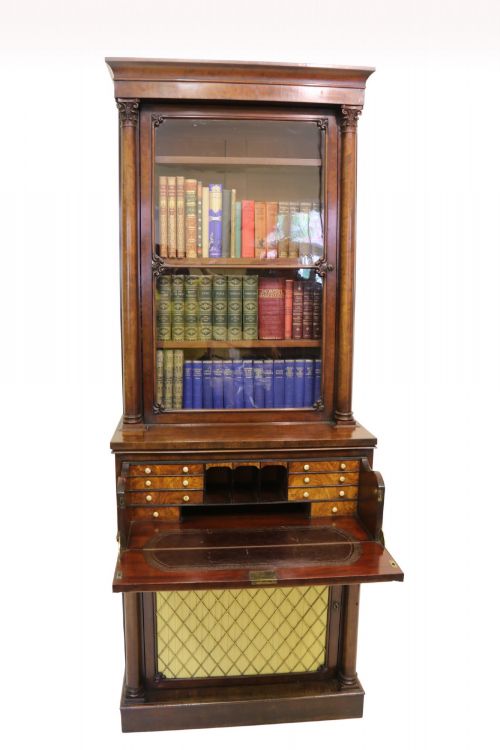
An antique tallboy desk typically manifests as a chest on chest, a secretaire chest, or a bureau bookcase originating from the eighteenth and nineteenth centuries. These vertical writing pieces combine multiple drawers with a pull-down or drop-front writing flap, merging the functions of a tall storage unit and a desk.
Georgian and Regency examples in mahogany or walnut dominate the selection, alongside Victorian variants and continental pieces such as French and Swedish secretaire cabinets. Buyers most frequently encounter tall mahogany chest on chest designs where one central drawer conceals a fitted writing compartment.
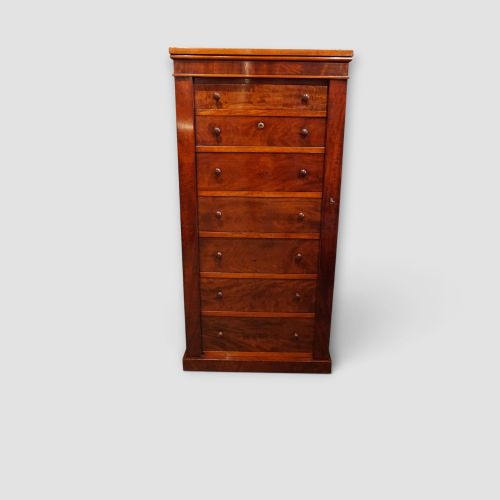
The phrase encompasses various forms including Wellington chests, military campaign cabinets, and tall bureau bookcases. Each variation prioritises vertical floor economy while providing a stable writing surface at a comfortable height.
Materials and Construction
Cabinetmakers utilised dense timbers such as mahogany, walnut, rosewood, and oak for structural integrity, often applying figured veneers to drawer fronts and writing flaps. Brass hardware, including drop handles, escutcheons, and locking mechanisms, secures the drawers and internal compartments.
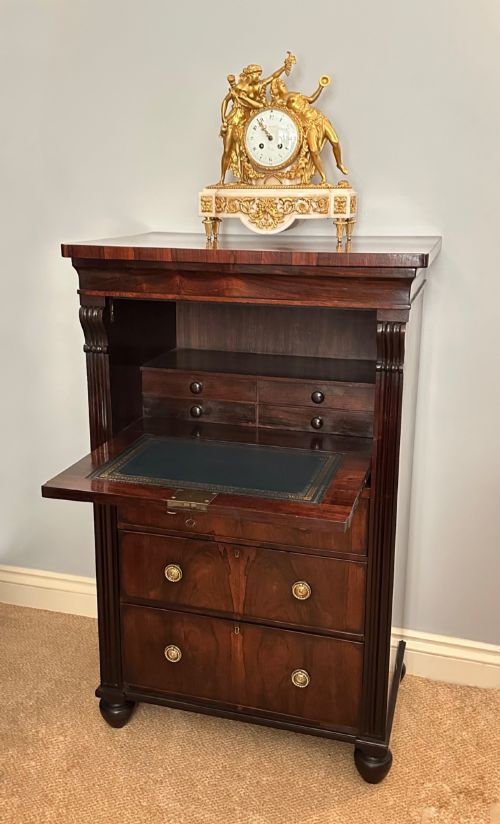
Writing surfaces frequently incorporate fitted leather inserts or tooled leather writing slopes housed within drop-front drawers or fall-front cabinets. Secondary timbers like pine appear on internal drawer linings and backboards, constructed with traditional dovetail joints.
Antique Tallboy Desk Retail Price Guide 2026
Typical asking prices for tallboy desk among the pieces listed under this phrase on Sellingantiques today, from the lower quarter to the upper quarter. They describe what is for sale here now, not the wider market.
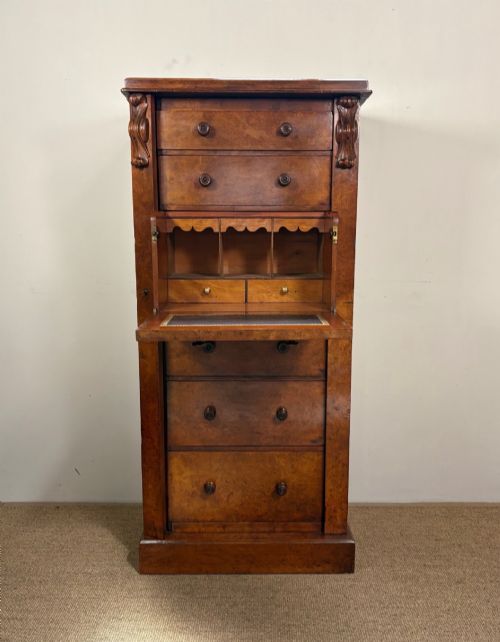
Many secretaire chests hide miniature secret drawers behind sliding pigeonhole partitions, designed to outsmart inquisitive family members.
Craftsmanship and Proportion
Quality rests in the precision of the cabinetwork, particularly the tightness of the dovetail joints on the drawers and the book-matching of timber veneers on large vertical surfaces. Superior pieces maintain balanced proportions across tall frames without relying on excessive applied ornamentation.
The sophistication of the internal stationery fittings, secret compartments, and secondary drawers marks the distinction between standard workshop output and master cabinetmaker production. Original brasses, smooth drawer actions, and fully functioning locking flaps also elevate the standing of a piece.
Gillows of Lancaster·Maison Krieger
The Antique Tallboy Desk Glossary
- Secretaire
- A piece of furniture containing a drawer or compartment that folds down to form a writing surface. This feature conceals small pigeonholes and letter drawers inside.
- Tallboy
- A tall chest of drawers, often constructed as one chest stacked upon another, known also as a chest on chest. The elevated profile maximises storage capacity while occupying minimal floor space.
- Wellington chest
- A tall, narrow chest of drawers secured by a single vertical locking flap on one side. This locking stile hinges to secure all drawers simultaneously.
- Biedermeier
- A central European style dating from the nineteenth century defined by clean lines, restrained ornamentation, and native wood veneers. It prioritises domestic utility and comfort.
- Bureau bookcase
- A writing cabinet featuring a sloping fall-front desk combined with shelving enclosed by doors above. This dual-purpose form serves both library and correspondence needs.
Antique Tallboy Desk: Frequently Asked Questions
How do I use a tallboy desk daily?
Pull down the fall-front flap or open the designated secretaire drawer to reveal the writing surface and internal pigeonholes. When correspondence concludes, lift the flap and secure the lock to conceal your papers.
Keep heavy ledgers in the lower, wider drawers for stability. Utilise the upper drawers for smaller items and stationery.
Where should I place a tallboy desk?
Position the piece against a sturdy wall in a study, bedroom, or living room where vertical space permits. Ensure adequate clearance in front of the unit for the drop-front writing flap or pull-out drawer.
Avoid placing antique timber pieces in direct sunlight or adjacent to heat sources to prevent veneer lifting and wood splitting.
How do I distinguish Georgian from Victorian pieces?
Georgian pieces from the eighteenth century typically display restrained classical proportions, premium mahogany or walnut timbers, and subtle bracket feet. Their internal fittings focus on hand-cut pigeonholes and concealed secret compartments.
Victorian examples from the nineteenth century often incorporate heavier mouldings, plinth bases, or locking mechanisms like those found on Wellington and military campaign chests. They frequently utilise diverse veneers and utilitarian brass hardware.