
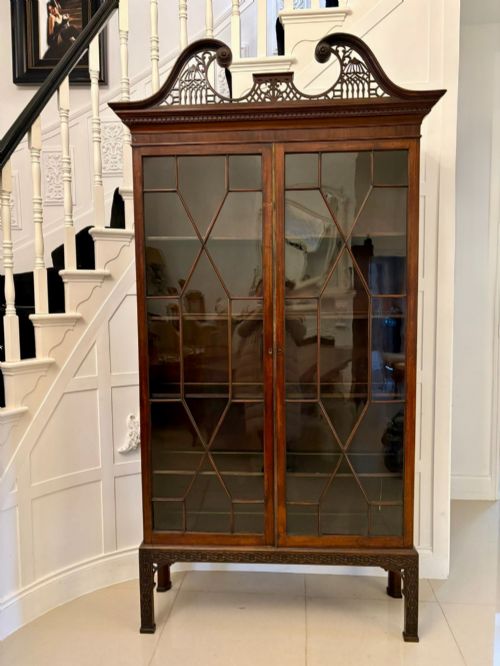
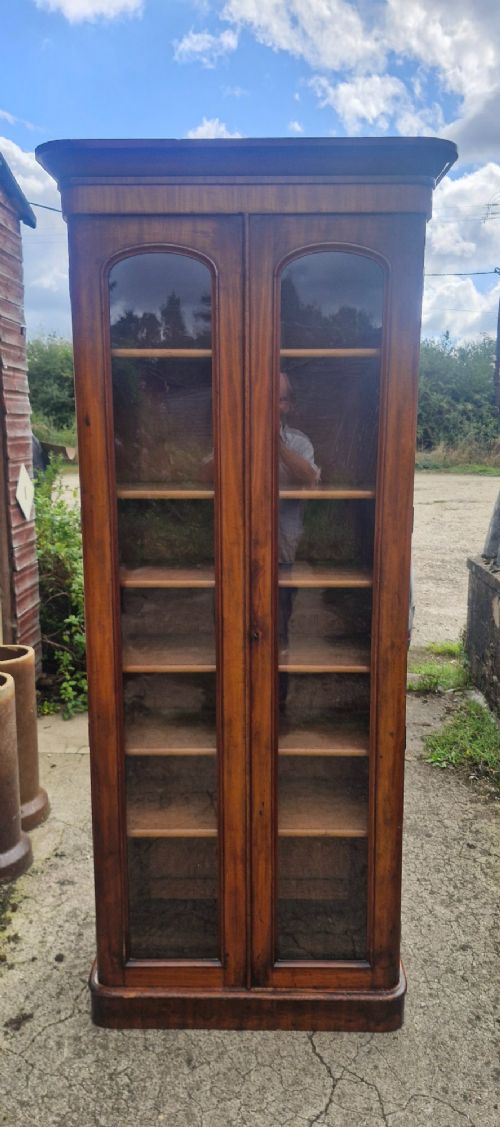
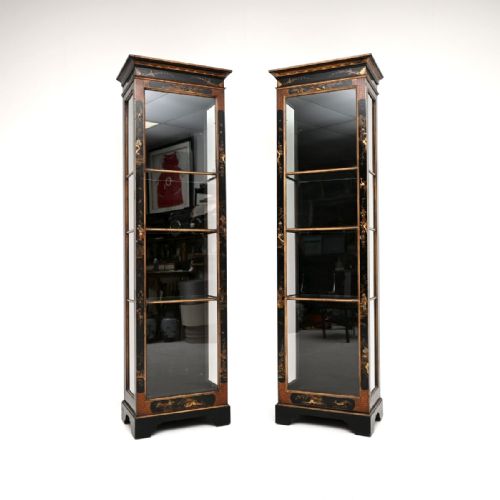
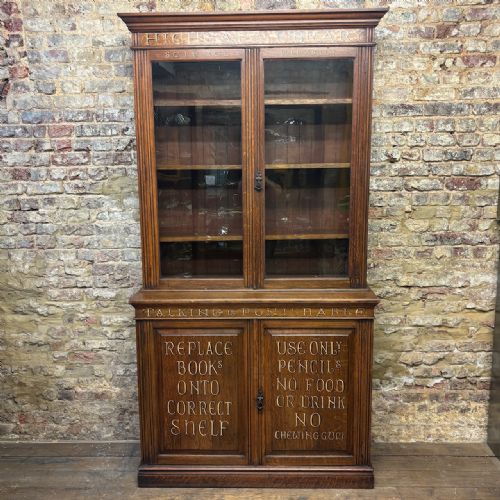


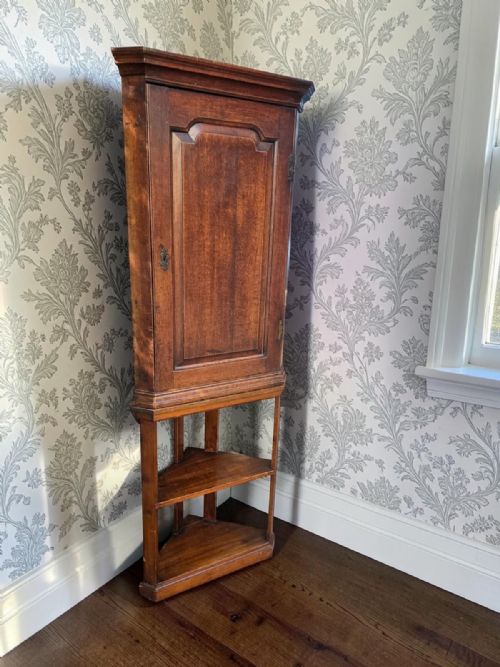
Antique Tall Display Cabinet
When you want an antique tall display cabinet, you are looking for a vertical storage piece that shows off books or collections through glass.
Antique Tall Display Cabinet
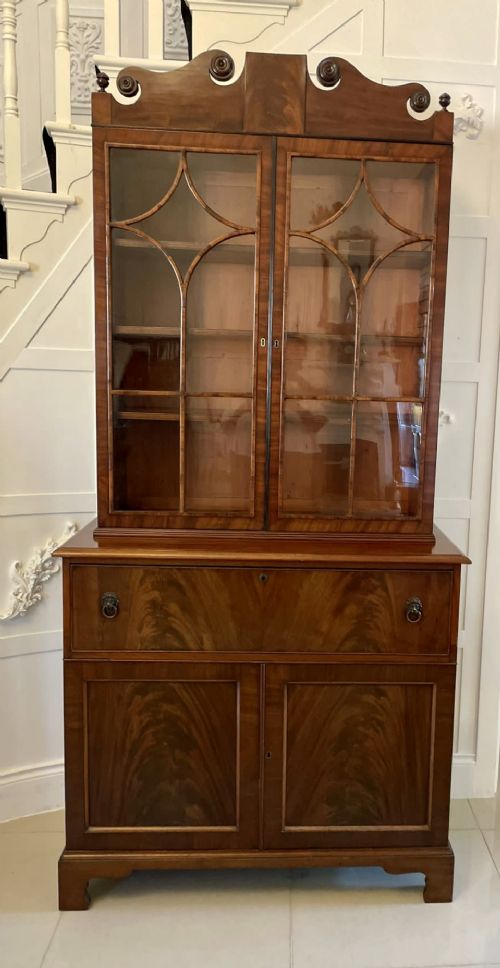
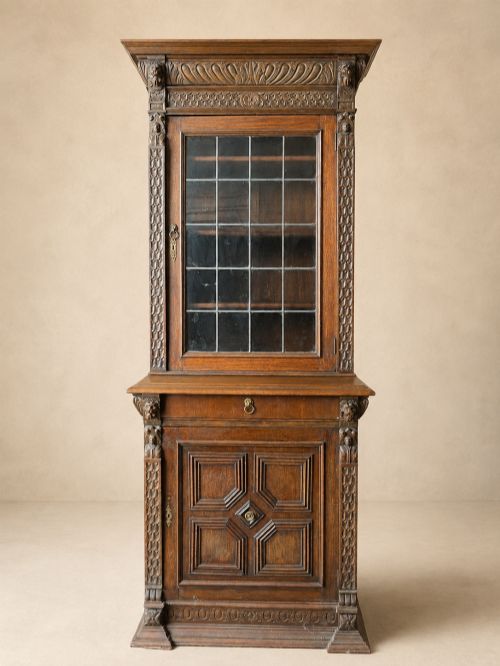
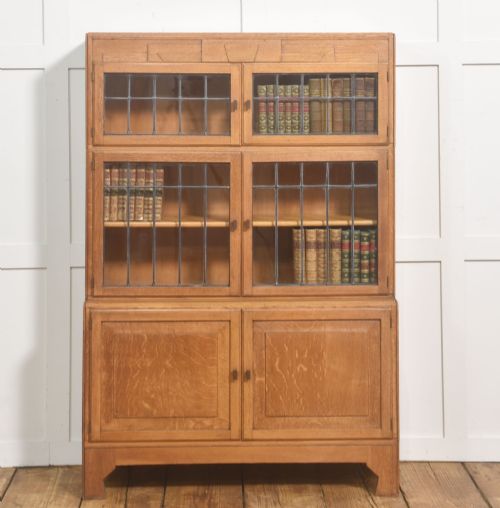
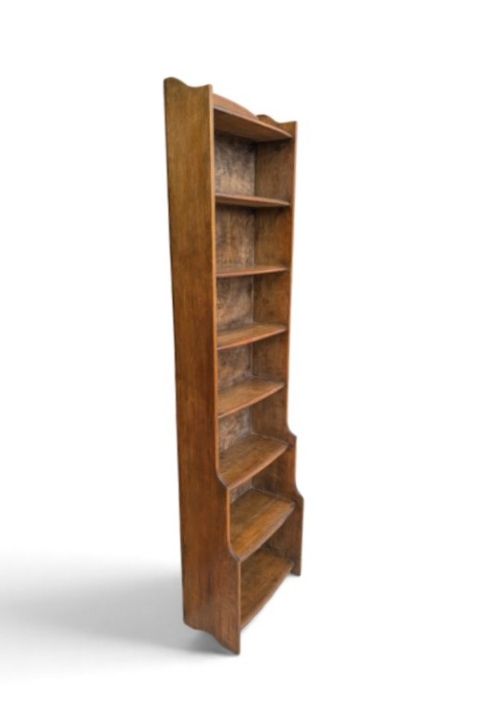
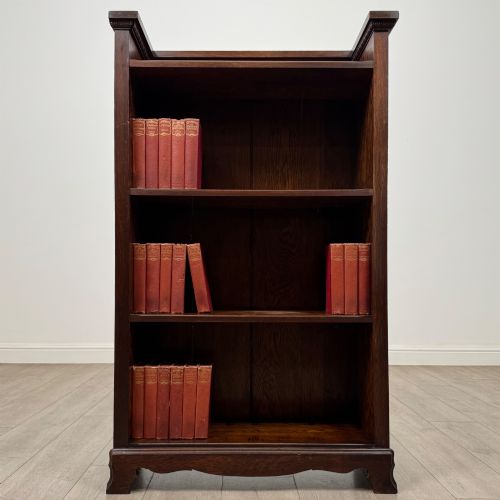
An antique tall display cabinet serves to hold and present books, china or curiosities within a vertical footprint. These pieces range from upright glazed bookcases to corner cupboards and specialised vitrines designed to maximise floor space.
The versions most common on this page span the eighteenth, nineteenth and early twentieth centuries. Mahogany, oak and pine dominate the forms, reflecting the domestic and library uses of the Georgian, Victorian and Edwardian periods.
How they were made
Cabinet makers built these pieces using solid timbers and selected veneers such as mahogany, oak, walnut and pine. Joinery techniques relied on traditional framing, mortise and tenon joints, and dovetailed drawers to ensure structural integrity across tall vertical spans.
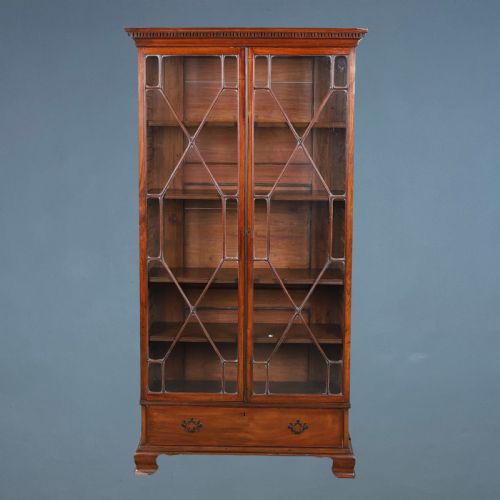
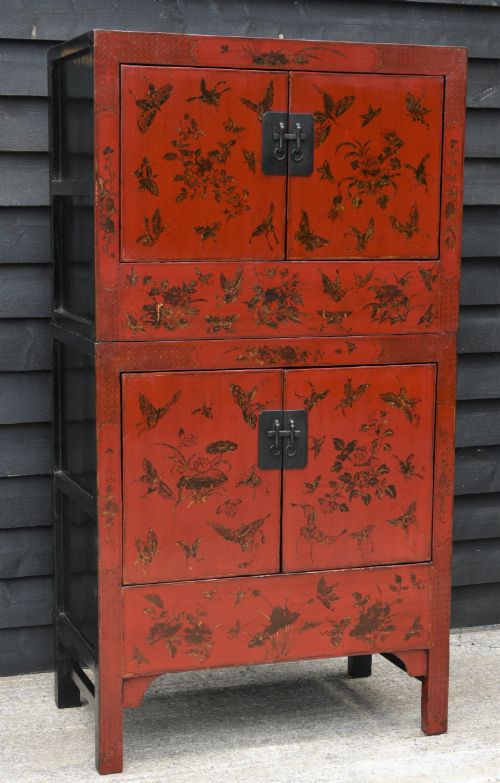
Glazing involved leaded panels or individual glass panes held in place by wooden astragals or brass framing. Surface treatments ranged from polished French polish and wax to painted finishes and lacquer.
Listings feature woods such as mahogany, oak, pine, burr walnut and rosewood spanning the eighteenth to twentieth centuries.
What varies in quality
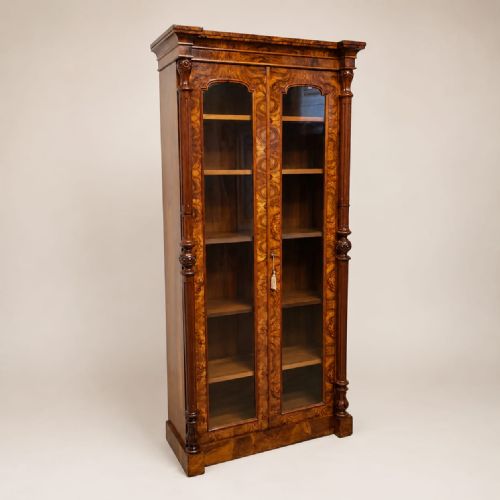
The distinction between tiers of quality rests upon timber selection and the refinement of the carving. Finely figured woods like burr walnut, plum pudding mahogany and pollard oak elevate a piece above standard utility furniture.
Structural details such as adjustable shelving mechanisms, original brass hardware and well-proportioned astragal glazing mark superior craftsmanship. The integrity of the original backboards and the crispness of applied mouldings also define the better examples.
Thomas Chippendale
The Antique Tall Display Cabinet Glossary
- Astragal glazed
- Glass doors divided into smaller panes by narrow wooden or metal strips called astragals. This method provides structural support for large window areas.
- Secretaire bookcase
- A tall cabinet featuring a pull-down writing drawer that conceals small compartments and pigeonholes. It combines a desk with upper bookcase storage.
- Vitrines
- Glass-sided display cabinets designed specifically for showcasing porcelain and objets d'art. They frequently feature glazed doors on multiple sides to maximise visibility.
- Burr walnut
- A prized wood veneer showing knotted growths that create intricate swirling patterns. It appears on high-status nineteenth-century cabinets.
- Corner cupboard
- A specialised storage unit constructed with a triangular footprint to fit snugly into room corners. These can stand on legs or rest upon a separate base.
Antique Tall Display Cabinet: Frequently Asked Questions
How do I use a tall cabinet in a small room?
A tall cabinet utilises vertical wall space rather than floor area, making it suitable for compact rooms. Placing a narrow or corner version in an unused angle provides storage without crowding the living space.
Interior lighting or light-painted interiors can also help a tall piece feel less imposing in smaller quarters.
Are the shelves adjustable in these cabinets?
Many nineteenth and twentieth-century library and display cabinets feature adjustable shelving systems. These allow you to alter shelf heights to accommodate books or objects of varying sizes.
Earlier pieces sometimes have fixed wooden shelves, so it pays to check the specific construction of each cabinet.
How do I distinguish Georgian from Victorian pieces?
Georgian cabinets from the eighteenth century typically exhibit restrained classical proportions, fine mahogany timbers, and delicate astragal glazing bars. Victorian examples tend to be heavier in scale, often incorporating richer carving, darker finishes, and sometimes burr walnut or oak.
Looking at the construction of the interior drawers and backboards further helps confirm the period of manufacture.
Can I store things other than books inside?
These cabinets were originally built for libraries, drawing rooms and shops to house books, ceramics and curated collections. Displaying glassware, ceramics or textiles behind the glass doors protects items from dust while keeping them visible.
Lower wooden cupboards, where present, offer concealed storage for items you prefer to keep out of sight.