
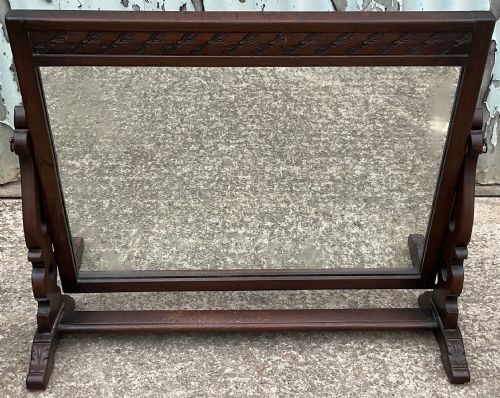


Antique Swivel Mirror Stand
An antique swivel mirror stand is a practical dressing piece that pivots to catch the light, bringing period charm to a room.

Antique Swivel Mirror Stand
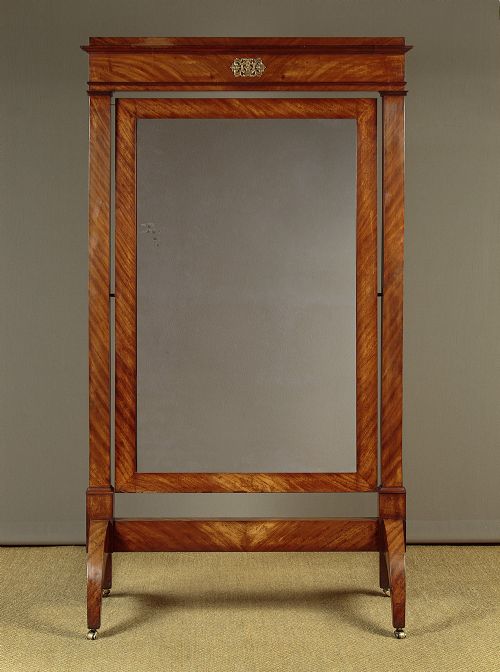
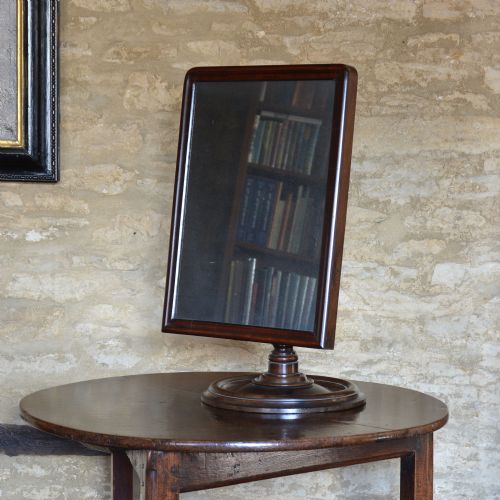
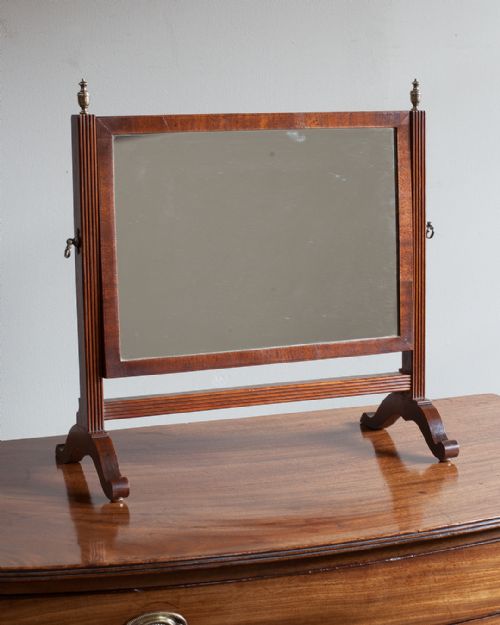
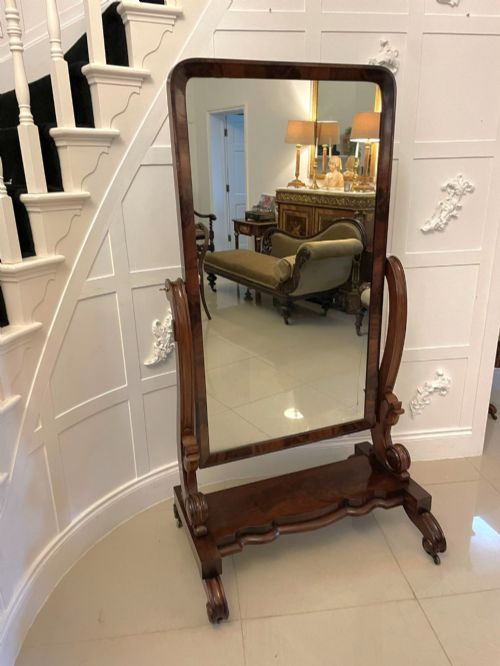
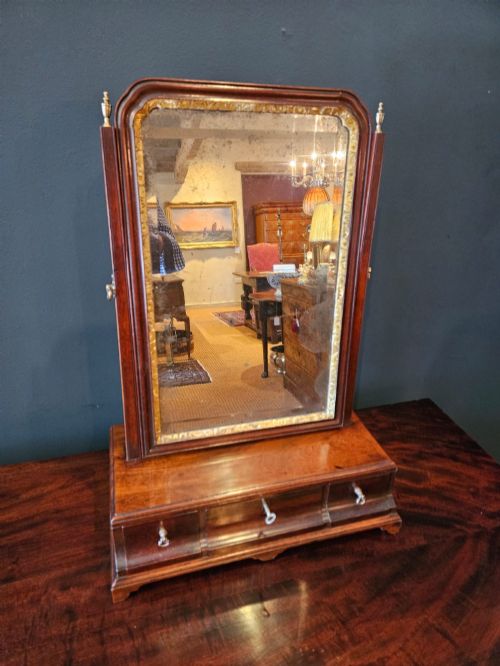
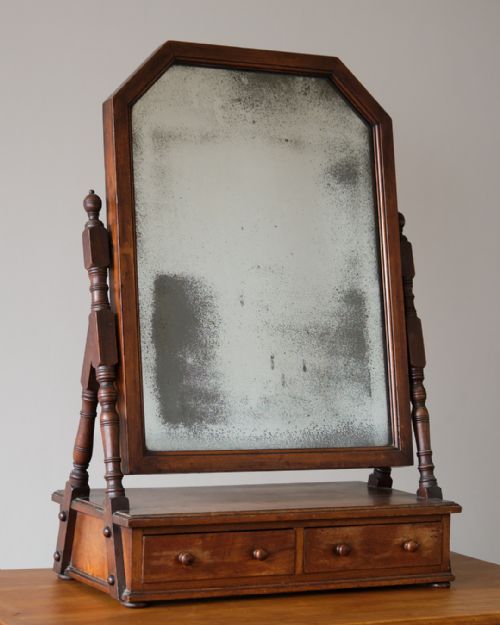
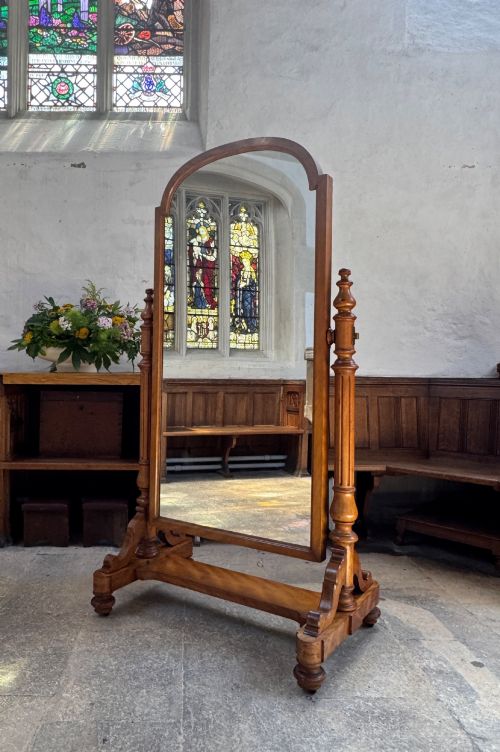
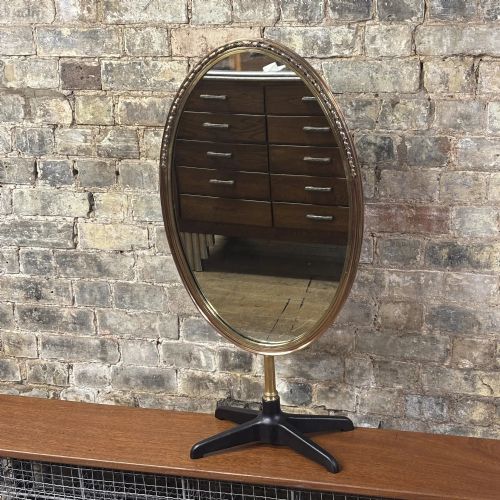
When you search for an antique swivel mirror stand, you encounter a range of forms designed for grooming and reflection, spanning large freestanding cheval glasses and compact table-top toilet mirrors. These objects appear in various configurations across Georgian, Victorian, and Edwardian periods.
The most common versions on this page are mahogany dressing mirrors and cheval mirrors from the nineteenth century. These pieces typically feature a pivoting plate suspended between upright supports, resting either on a box base with drawers or on floor-standing legs with castors.
What varies in quality
The distinction between standard examples and the finest pieces lies in timber selection, proportion, and the execution of secondary details like brass mounts and hand-carved supports. Superior mirrors show careful timber matching, such as burr walnut or figured mahogany, and robust framing that prevents the swinging plate from sagging over time.
Makers and retailers also influence distinction, as seen in pieces bearing marks or retail attributions to established firms. The integration of functional hardware, such as smooth brass castor wheels and well-turned barley twist or sabre legs, separates utilitarian items from high-end domestic furnishings.
Listings feature various woods including mahogany, walnut, oak, satinwood, and satin birch, alongside glass and brass.
Heal And Sons·Thomas Rubergall
The Antique Swivel Mirror Stand Glossary
- Cheval mirror
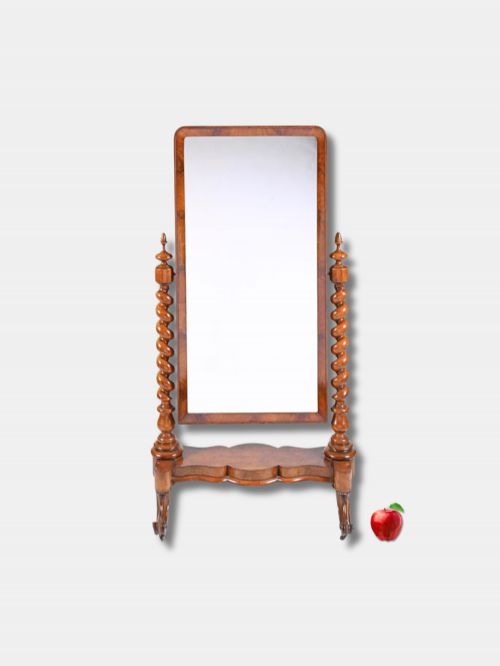
- A large, freestanding full-length dressing glass designed to swivel vertically within a floor-standing frame.
- Toilet mirror
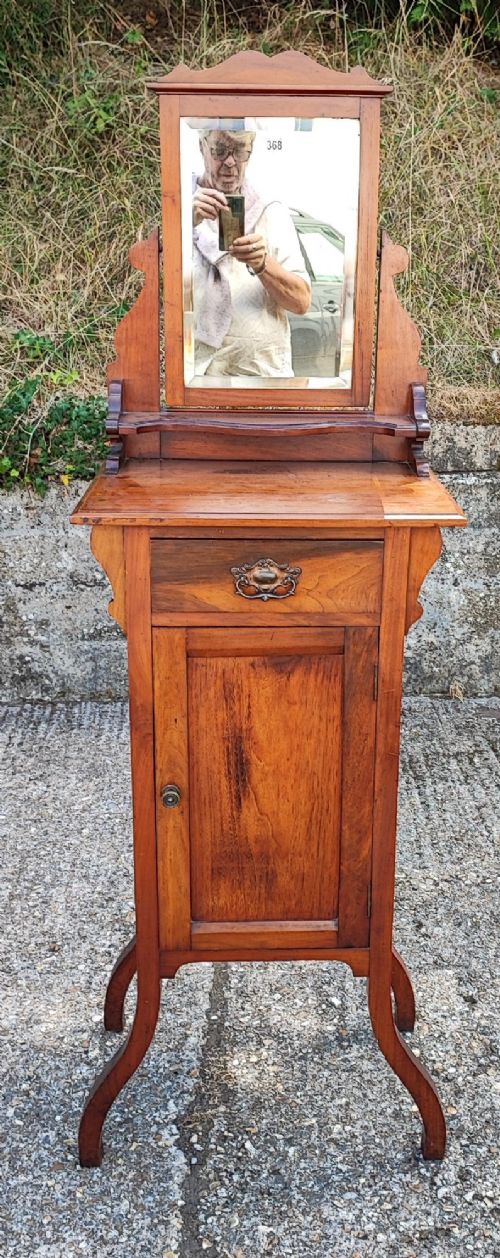
- A smaller dressing mirror meant to sit on top of a table or chest of drawers, often incorporating small storage drawers in its base.
- Swing mirror
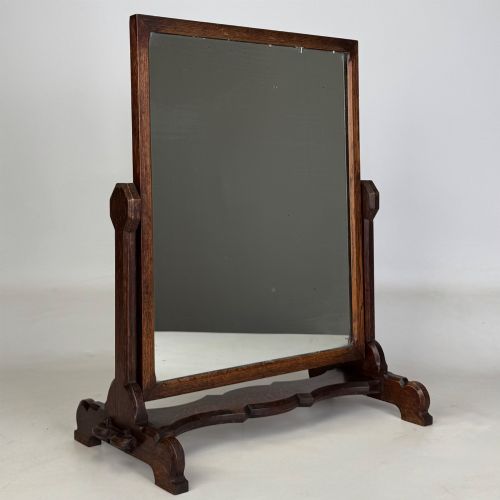
- An alternative term for any pivoting mirror plate suspended between two upright posts.
- Sabot
- A metal sleeve or shoe fitted over the foot of a furniture leg, commonly cast in brass on nineteenth-century stands.
- Boxwood stringing
- A thin inlay of light-coloured wood used to create contrasting linear borders on mahogany or walnut furniture.
Antique Swivel Mirror Stand: Frequently Asked Questions
What is the difference between a cheval mirror and a toilet mirror?
A cheval mirror is a tall, floor-standing glass that displays the full figure and requires no separate support surface. These grand pieces often rest on sabre legs or heavy uprights.
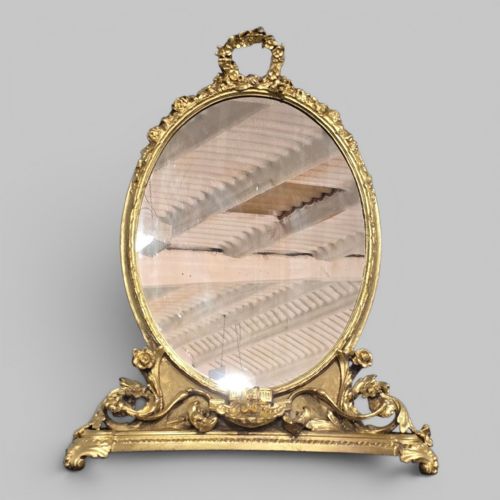
In contrast, a toilet mirror is a compact tabletop version designed to sit atop a dressing table or chest. Many of these smaller variants include a box base fitted with small drawers for trinkets.
How do you adjust the tilt on an antique swing mirror?
Most period swivel mirrors rely on threaded metal side pins, screw caps, or brass pivots inserted into the upright supports. Tightening these fittings increases friction to hold the glass at the desired angle.
Older examples may use wooden thumbscrews or articulated brass brackets that allow the plate to tilt smoothly. Care must be taken not to over-tighten these mechanisms to avoid stressing the surrounding wood.
Where were these mirrors placed in a period home?
Tabletop toilet mirrors typically sat upon dressing chests or washstands in bedrooms, providing a focused reflection for shaving or styling hair. They offered a movable solution before built-in wall mirrors became standard.
Freestanding cheval mirrors stood independently in bedrooms or dressing rooms, positioned near windows to capture natural light. Their full-length glass made them essential for checking complete attire.
How do you date an antique swivel mirror?
Dating relies on stylistic clues, timber choices, and construction methods characteristic of specific eras. Georgian and Regency examples often feature delicate mahogany frames and bow-fronted box bases, while Victorian pieces introduce heavier turnings, walnut veneers, or cast bronze mounts.
Later Edwardian and early twentieth-century versions frequently show simpler oak construction or Arts and Crafts influence. Hardware details like brass castors and candle holders also help narrow down the period of manufacture.