


Walnut Vanity Cabinet
These walnut vanity cabinet pieces range from Georgian washstands to Edwardian marble-topped bedroom furniture, offering practical storage and period character for daily use.
Walnut Vanity Cabinet
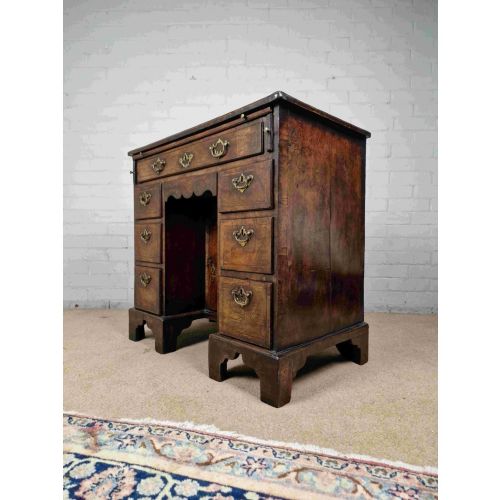
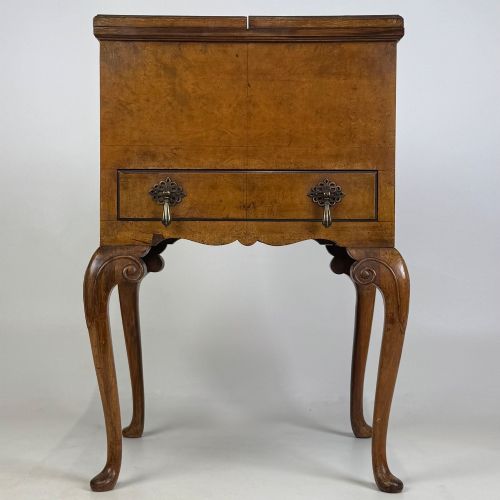
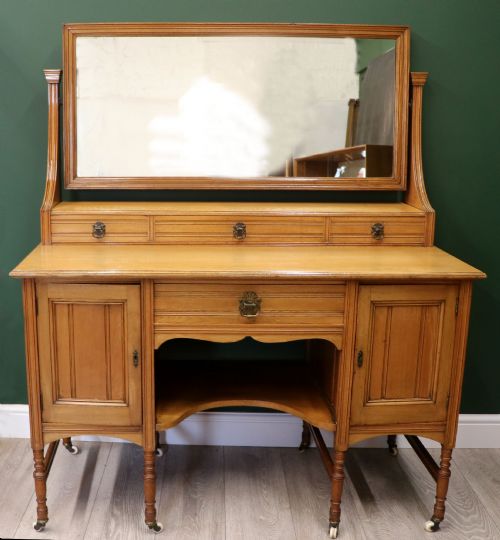
A walnut vanity cabinet search covers a diverse group of antique bedroom and dressing furniture, spanning washstands, dressing tables, desks, and jewellery chests. These items date from the early Georgian period through the Victorian and Edwardian eras, reflecting changing domestic habits.
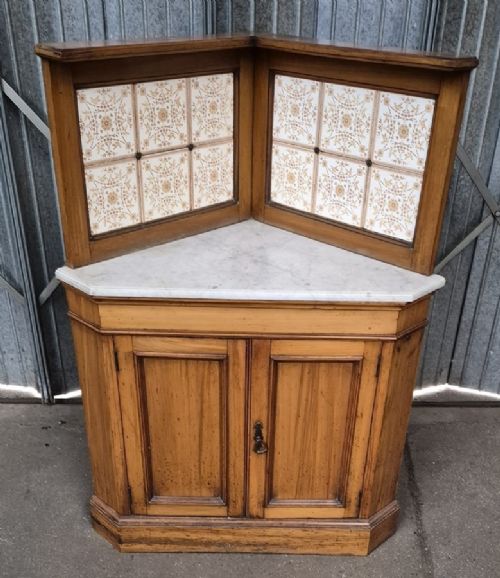
The versions most commonly met on this page are Victorian and Edwardian washstands, frequently topped with marble and fitted with tiles. Alongside these functional washstands appear dressing tables in burr walnut, compact writing desks, and specialised jewellery cabinets.
Geographic and stylistic variations enrich the selection, including Biedermeier consoles, French Louis XV revival pieces, Dutch marquetry, and Aesthetic Movement designs. Each form serves a distinct domestic function, from morning ablutions to correspondence and personal adornment.
How walnut vanity cabinet pieces were made
Construction relies heavily on walnut and burr walnut veneers applied to secondary timbers, utilising the distinct grain patterns of the wood for decorative effect. Solid mahogany and other support timbers appear internally, providing structural stability for heavy marble tops.
Fitted elements incorporate contrasting materials such as brass hardware, mirrored glass, inset ceramic tiles, and white marble surfaces. These functional additions are integrated into the wooden frames to withstand daily bathroom and dressing room use.
Early morning routines involved folding washstands, tiled splashbacks, and specialised shaving stands with built-in mirrors.
What varies in quality
Quality separates through the selection and matching of burr walnut veneers, where symmetrical grain alignment elevates the visual presence of a dressing table or cabinet. Finer examples display meticulous attention to internal drawer construction and original brass fittings.
The integration of heavy materials like marble and ceramic tiles dictates the structural integrity of washstands and cabinets. Superior pieces maintain alignment and stability across complex multi-material assemblies without warping or loose joints.
Walker And Sons
The Walnut Vanity Cabinet Glossary
- Burr walnut
- A prized timber harvested from the wart-like growths on walnut trees, yielding highly figured, swirling grain patterns. It is typically sliced into thin veneers for the exterior surfaces of high-end Victorian and Edwardian cabinets.
- Washstand
- A dedicated bedroom item designed to hold a basin and pitcher for morning washing, frequently upgraded with marble tops and tiled splashbacks in the Victorian period. Some double as enclosed cabinets or chests.
- Biedermeier
- A Central European style dating from the first half of the nineteenth century that emphasises clean lines, minimal ornamentation, and the natural beauty of wood veneers. Pieces from this aesthetic prioritize domestic utility and comfort.
- Aesthetic Movement
- A late nineteenth-century design current promoting art for art's sake, characterised by simplified forms and decorative motifs that reject heavy Victorian revivals. Washstands in this style exhibit lighter frames and artistic detailing.
- Marquetry
- The art of applying small pieces of veneer to a structure to form decorative patterns and pictorial designs. Dutch examples frequently employ this technique on dressing tables using various contrasting woods.
Walnut Vanity Cabinet: Frequently Asked Questions
What is a walnut vanity cabinet used for?
These pieces serve multiple domestic roles depending on their specific form, functioning as washstands for personal hygiene, dressing tables for grooming, or compact desks for writing and storage.
In period bedrooms, they provided essential fitted surfaces and enclosed storage for personal items, combining utility with decorative presence.
How do I clean marble top washstands?
Marble surfaces require gentle cleaning with warm water and a soft cloth, avoiding acidic or abrasive household cleaners that can etch the stone.
Dry the surface thoroughly after cleaning to prevent water spots and protect the surrounding walnut woodwork from moisture damage.
Can I use a washstand as a basin vanity?
Antique washstands can accommodate modern basins and plumbing with careful adaptation by a professional, though original marble tops and wooden interiors require protective sealing.
Retaining the original surface while integrating modern plumbing preserves the historical integrity of the furniture piece.