





Small Wooden Dressing Table
These small wooden dressing table pieces offer neat proportions and period timber surfaces for daily use.

Small Wooden Dressing Table
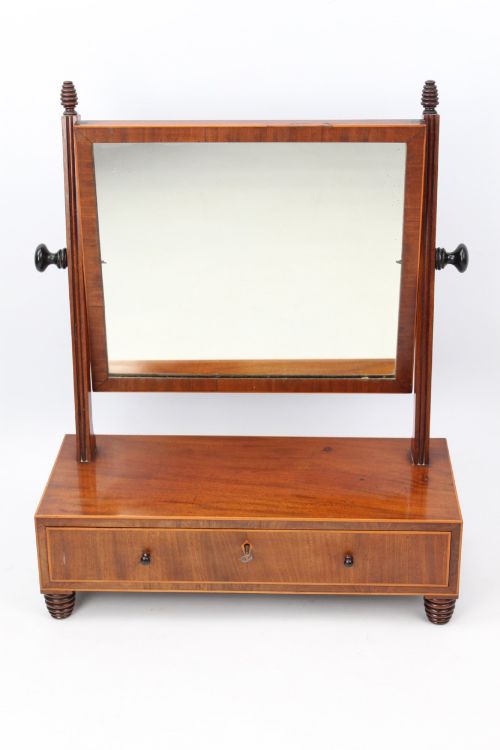
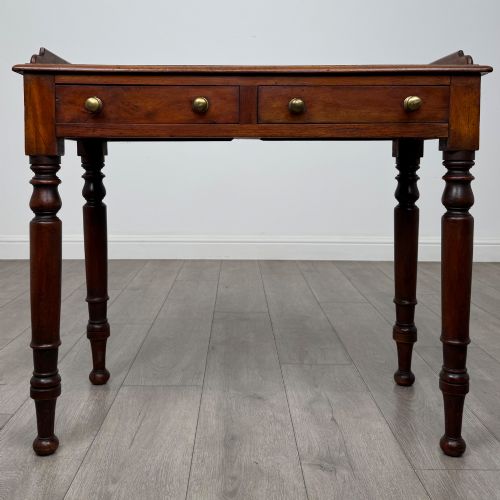
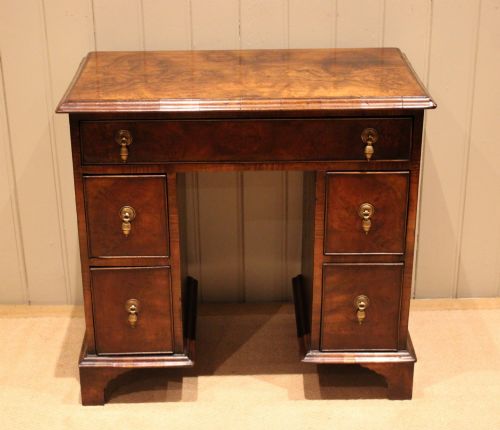
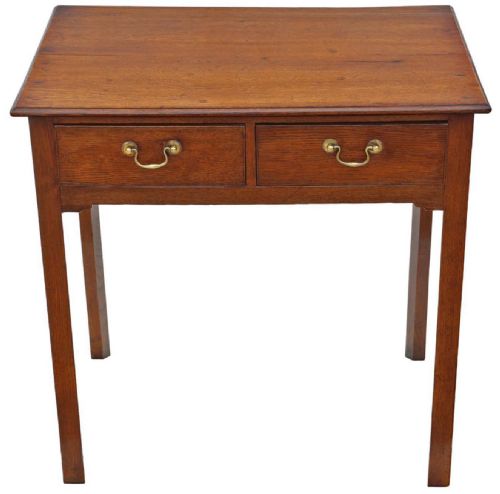
A small wooden dressing table brings compact workspace and surface area into a room through forms such as writing tables, lowboys, and small sideboards. These items serve multiple practical functions while maintaining a modest footprint suited to smaller domestic spaces.
The pieces appearing on this page span several centuries, including Georgian, Regency, and Victorian periods. Mahogany and walnut appear frequently, alongside oak and yew wood, reflecting the timber preferences of British cabinet makers across these eras.
How they were made
Cabinet makers constructed these pieces using solid timbers and decorative veneers such as burr walnut and mahogany, supported by brass fittings and glass mirrors. Joinery relied on traditional framing methods to ensure stability across drawers and writing surfaces.
Surfaces received hand-applied finishes that highlighted the natural grain patterns of the wood. Drawer construction typically featured hand-cut joints designed for frequent use over generations.
Some items double as shaving stands and hand mirrors, proving that historical routines involved just as much preparation as modern ones.
What varies in quality
Quality in these items rests on the selection of timber figures and the precision of the joinery. Finer examples display carefully matched veneers and proportioned secondary woods that remain hidden from daily view.
The integrity of the original hardware and the crispness of moulded edges distinguish standard vernacular pieces from those produced by skilled workshops.
Gillows
The Small Wooden Dressing Table Glossary
- Lowboy
- A small table with drawers, typically raised on four legs, used historically for personal grooming or writing.
- Mahogany
- A durable tropical hardwood imported for British furniture production from the eighteenth century onward, valued for its rich reddish-brown tone.
- Burr walnut
- A decorative timber veneer taken from the growth excrescences of walnut trees, displaying complex and swirling grain patterns.
- Kneehole desk
- A compact desk featuring a central recessed space for the legs, flanked by pedestals of small drawers.
Small Wooden Dressing Table: Frequently Asked Questions
How were small wooden dressing tables used historically?
These tables provided a stable surface for writing, grooming, and storing personal items in private rooms. Their compact sizes allowed them to fit easily into smaller bedchambers and studies.
Over time, owners adapted them for various household tasks, utilising the drawers for papers, letters, and accessories while keeping the main surface clear.
What woods are common on this page?
Mahogany and walnut form the majority of the timber selection across these listings, alongside oak, yew, and satin walnut. Each wood offers distinct grain characteristics and weight.
Cabinet makers selected these materials for both their structural strength and their appearance when polished.
How do I care for a vintage wooden table?
Keep wooden surfaces away from direct heat sources and strong sunlight to prevent the timber from drying out or fading. Regular dusting with a soft, dry cloth preserves the finish.
Apply occasional appropriate wax polish to nourish the wood and maintain a gentle protective sheen without building up thick residues.
How do I distinguish between Regency and Victorian pieces?
Regency items often display restrained classical lines, sometimes incorporating brass inlay or specific leg turns influenced by classical antiquity. Victorian pieces tend to feature heavier proportions and varied revival styles.
Examining the construction methods, secondary woods, and hardware styles helps clarify the period of manufacture.