
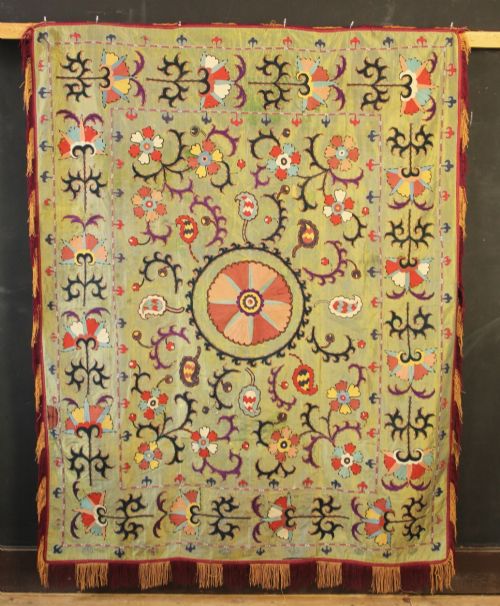


Antique Suzani Panel
An antique suzani panel is a richly embroidered Central Asian textile, prized for its bold floral motifs and vibrant needlework.
Antique Suzani Panel
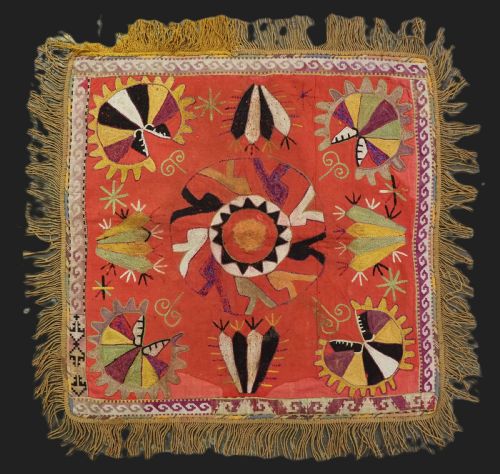
An antique suzani panel represents traditional Central Asian needlework, originating primarily from Uzbekistan and created as dowry items, wall hangings, or ceremonial covers. These textiles include regional variations such as Bokhara, Tashkent Palak, Samarkand Bolim Posh, and Nurata pieces, along with distinct tribal works by the Lakai and Kyrgyz communities.
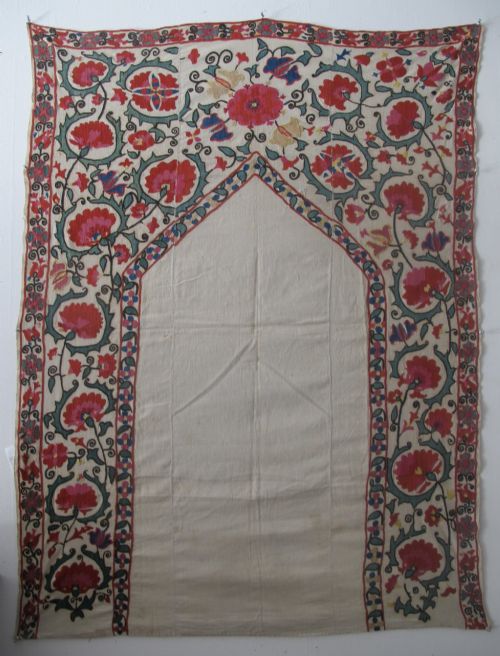
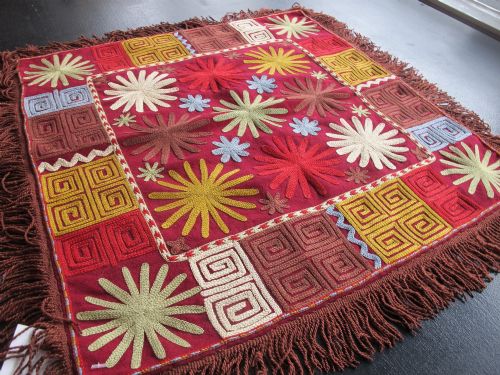
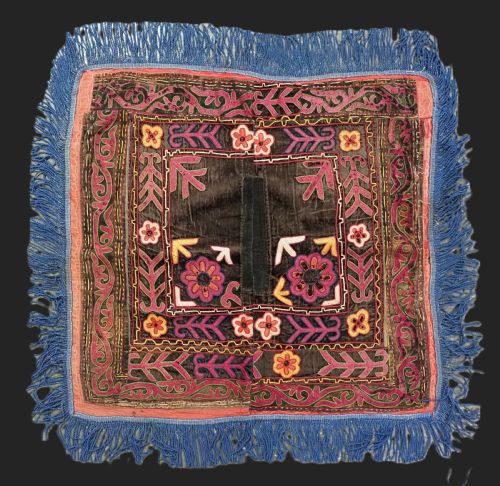
Buyers encountering these textiles on this page will most frequently find 19th-century and early 20th-century examples, spanning from the 1850s through the 1930s. Forms range from full-size wall hangings and prayer formats to smaller nim suzanis, horse covers, mirror covers, and yurt decorations.
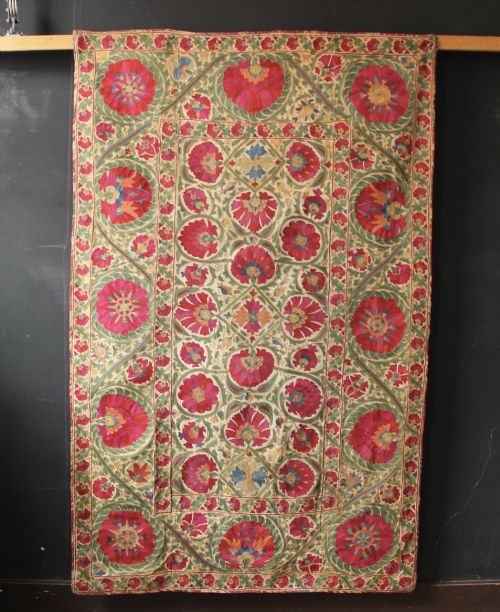
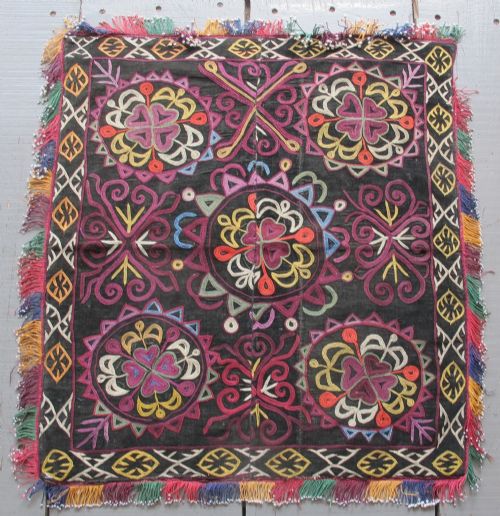
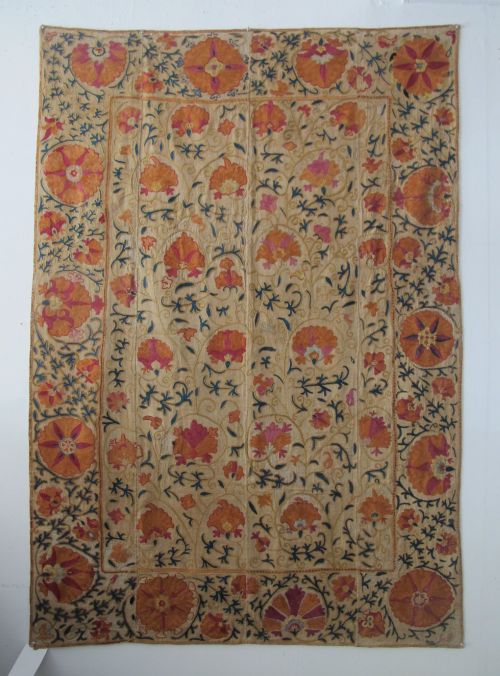
Regional styles dictate the composition of an antique suzani panel, with Tashkent palaks featuring fully embroidered central star designs, while Bokhara examples often showcase architectural or traditional floral layouts. Lakai tribal pieces frequently appear as smaller ilgich or dowry embroideries with dynamic geometric or figurative elements.
Materials and construction methods
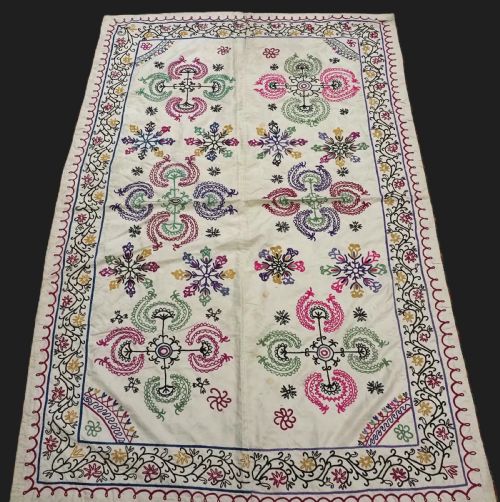
Artisans constructed an antique suzani panel using fine silk thread for the embroidery, worked onto various foundation fabrics including plain cotton, linen, wool, black or red grounds, and adras which is a local silk and cotton mix. Some specialised pieces incorporate velvet or glass beads to accentuate the decorative scheme.
Needlework techniques rely heavily on tambour stitch and surface embroidery to build dense, colourful patterns of vines, flowers, and medallions. The ground fabrics are frequently pieced together from narrower looms before embroidery begins, reflecting traditional domestic production methods across nineteenth-century Central Asia.
Regional attributions in the inventory include Bokhara, Tashkent, Samarkand, Nurata, and tribal Lakai or Kyrgyz origins.
Distinguishing quality across examples
Quality in an antique suzani panel rests upon the density of the embroidery, the precision of the needlework, and the complexity of the design layout. Fully embroidered palak panels or deeply saturated Bokhara compositions demand significantly greater artisan labour than sparse floral arrangements.
The choice and preservation of dye colours also define the hierarchy of these textiles, alongside the integrity of the foundation fabric. Examples retaining vivid silk threads on stable cotton, wool, or adras grounds demonstrate superior survival from the nineteenth and early twentieth centuries.
The Antique Suzani Panel Glossary
- Suzani
- An embroidered textile panel from Central Asia, traditionally made by brides as part of their dowry. The word derives from the Persian term for needle.
- Nim Suzani
- A half-sized or smaller suzani panel, often measuring roughly half the dimensions of a full wedding hanging. These smaller formats were utilised for specific domestic spaces or as smaller decorative covers.
- Palak
- A fully embroidered suzani type, most notably produced in Tashkent, featuring dense overall patterns dominated by large central star motifs. The name translates to sky or heaven.
- Ilgich
- A tribal embroidery or wall hanging produced specifically by the Lakai people of Uzbekistan. These items often display idiosyncratic, geometric designs executed in bold silk stitches.
- Adras
- A traditional Central Asian mixed fabric woven from silk warp and cotton weft yarns. It serves as a sturdy coloured ground for embroidery work on select panels.
Antique Suzani Panel: Frequently Asked Questions
How were suzani panels used originally?
Central Asian families used these textiles primarily as wall hangings within the home, as well as ceremonial dowry items prepared by brides. Specific pieces also functioned as saddle covers, yurt furnishings, or protective mirror covers.
Over time, these domestic textiles transitioned into highly collectible decorative objects valued for their intricate needlework and historical regional designs.
What is a nim suzani?
A nim suzani is a smaller version of the standard full-size wedding hanging, offering a more compact format for modern interiors. Despite their reduced scale, they feature the same silk embroidery techniques and traditional motifs found on larger pieces.
These smaller panels frequently originate from the same workshops and tribal groups as their larger counterparts.
How should I care for an antique textile?
Protect antique textiles by mounting them away from direct sunlight to prevent fading of the natural silk threads and dyed grounds. Professional framing with UV-filtering glass helps support fragile cotton or wool foundations.
Avoid hanging pieces in high-humidity areas and consult a textile conservator for proper cleaning methods.