





Central Asian Folk Embroidery
Central Asian folk embroidery brings bold nomadic textiles into modern rooms, offering richly patterned wall hangings created by tribal makers across the nineteenth and early twentieth centuries.
Central Asian Folk Embroidery
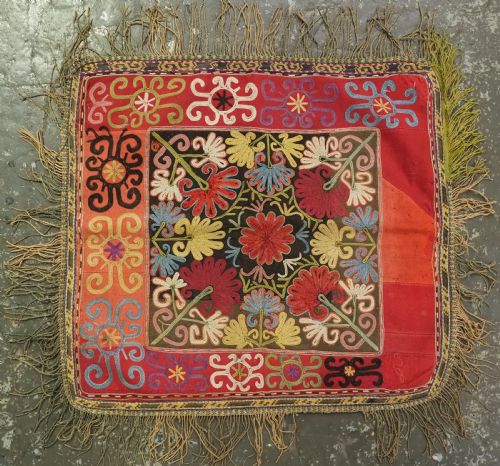
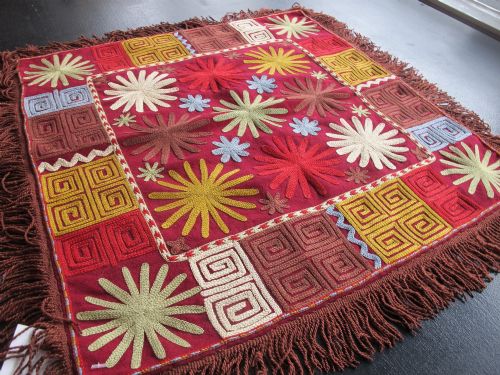
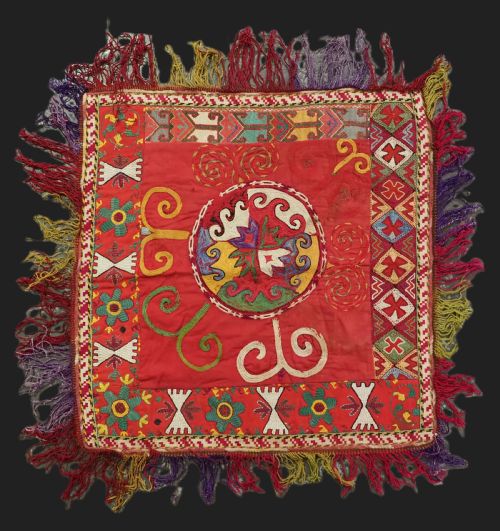
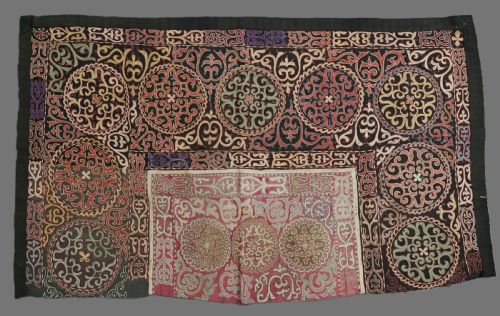
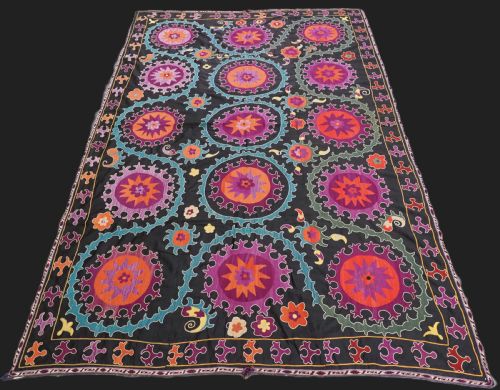
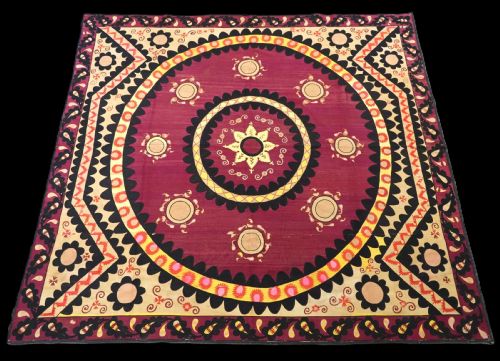
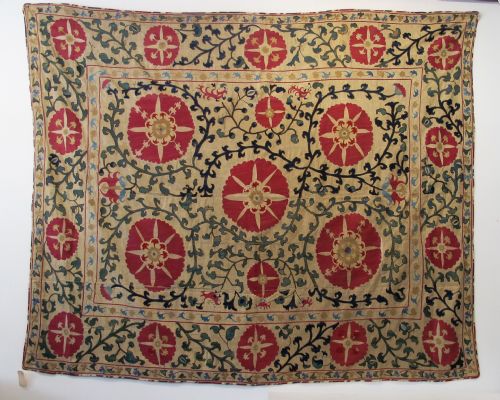
When you search for central asian folk embroidery, you encounter wall hangings, decorative panels, and yurt furnishings originating from Uzbekistan and surrounding regions. The selection spans the nineteenth century through the early twentieth century, including pieces produced by Uzbek, Lakai, and Kyrgyz makers.
The most common forms on this page are suzani panels and ilgich dowry embroideries. These textiles functioned as domestic furnishings, dowry items, or tent hangings within nomadic and settled communities.
How they were made
The works rely primarily on silk thread stitched onto cotton, wool, or felt grounds. Needlework techniques include dense embroidery formats that completely cover the foundation fabric with colourful motifs.
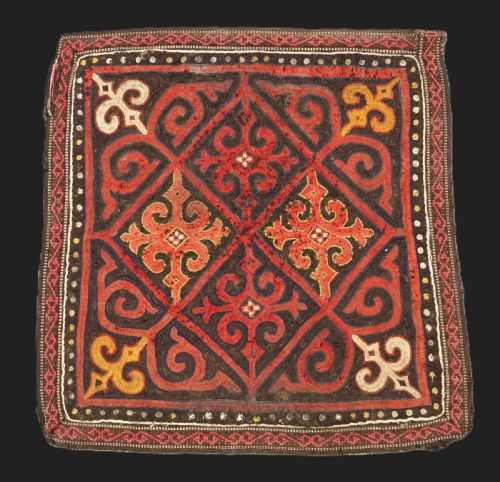
Makers utilised local materials such as hand-spun cotton and dyed wool alongside vibrant silk floss. Felt panels also appear, providing a sturdy base for decorative stitching.
Object forms include suzanis, ilgich dowry pieces, yurt wall hangings, and decorative panels.
What varies in quality
The degree of detail in the needlework and the complexity of the composition separate different examples. Fully embroidered pieces demonstrate greater labour investment than those with open ground fabric visible.
Colour saturation and the condition of the foundation textiles influence the visual impact of each hanging. Ground cloths range from yellow and red cotton to moguls red wool and dark black fabrics.
The Central Asian Folk Embroidery Glossary
- Suzani
- An embroidered textile panel from Central Asia, traditionally made as part of a bride's dowry. These large pieces feature floral and geometric designs stitched in silk.
- Ilgich
- A specific type of hanging embroidery, often associated with Lakai and Uzbek tribal groups. They served decorative and domestic functions within the household.
- Tush kyiz
- An elaborately embroidered wall hanging traditionally produced in Kyrgyzstan to decorate the interior of a yurt. These large textiles often commemorate important life events.
- Torba
- A bag or hanging panel used for storage within nomadic tents. Examples frequently incorporate striking tribal motifs and wool or silk embroidery.
- Palak
- A fully embroidered suzani variety where the background is densely covered in stitching. This style creates a rich, tapestry-like surface across the entire textile.
Central Asian Folk Embroidery: Frequently Asked Questions
What is central asian folk embroidery?
Central Asian folk embroidery encompasses hand-stitched textiles created by tribal and urban groups in regions such as Uzbekistan and Kyrgyzstan. These pieces include dowry items, yurt decorations, and large wall panels.
Maker communities utilised silk threads on cotton, wool, or felt foundations to produce geometric and botanical patterns intended for domestic interior use.
How were these textiles used?
Nomadic and settled families utilised these embroidered panels to adorn the walls of tents and houses. Many pieces originated as dowry components prepared for a bride's household.
Items such as yurt wall hangings and storage bags served practical functions while displaying status and tribal identity through traditional ornamentation.
How do I hang a textile?
Large panels require even weight distribution to protect the historic fabric from strain. Conservation methods often involve attaching a sleeve of cotton fabric to the reverse for a concealed support rod.
Direct exposure to bright sunlight should be avoided to preserve the natural silk and wool dyes found in nineteenth-century examples.
How are periods identified?
Dating relies upon stylistic markers, dye types, and the characteristics of the foundation cloth. Nineteenth-century pieces often display hand-woven ground fabrics and organic colour palettes.
Later works from the early twentieth century reflect evolving regional aesthetics while maintaining traditional needlework techniques passed down through generations.