


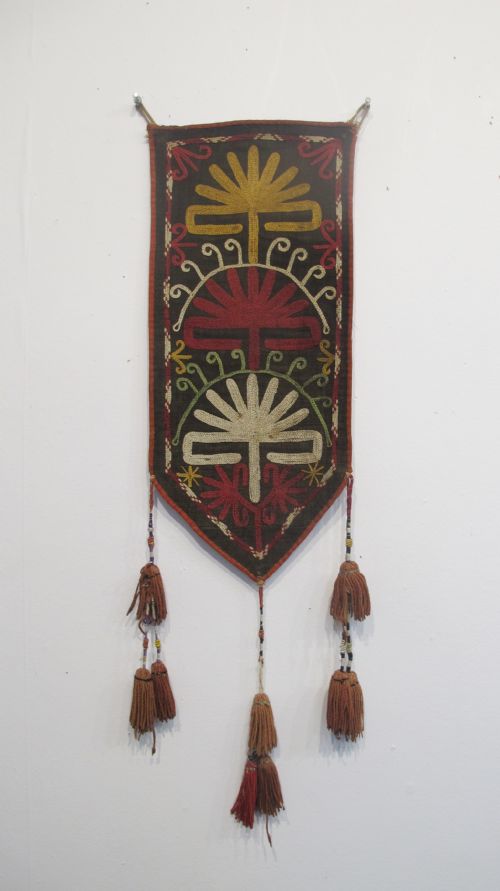
Lakai Embroidery Uzbekistan
Lakai embroidery Uzbekistan brings vibrant Central Asian tribal textile art into modern spaces through historic wall hangings and ceremonial covers.
Lakai Embroidery Uzbekistan
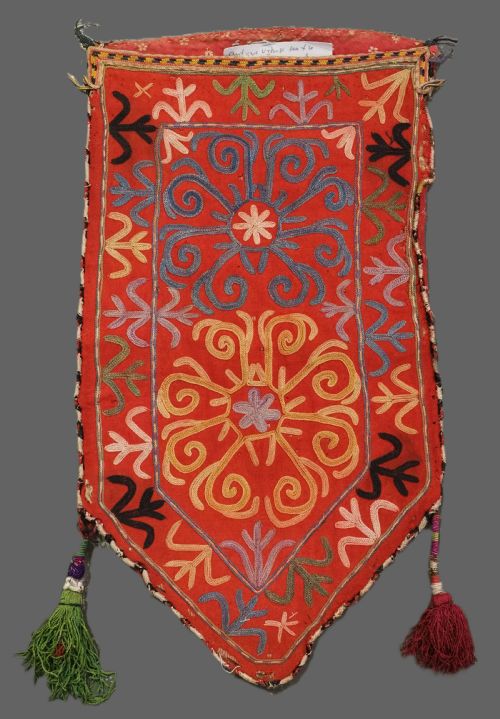
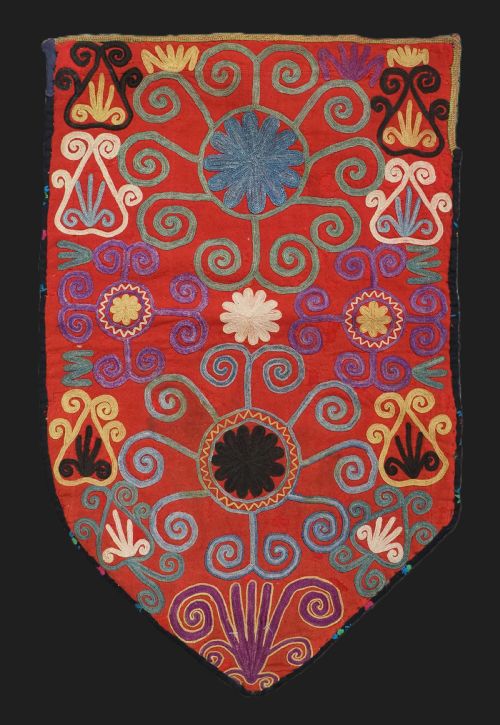
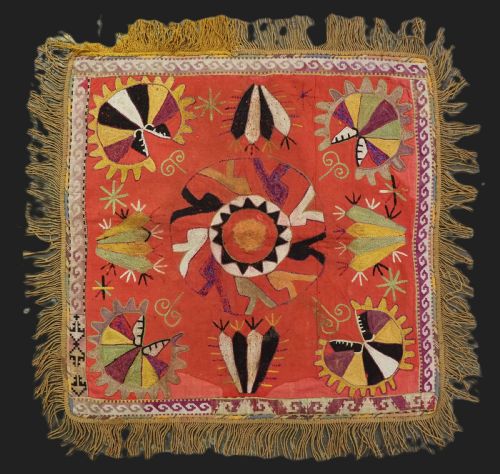
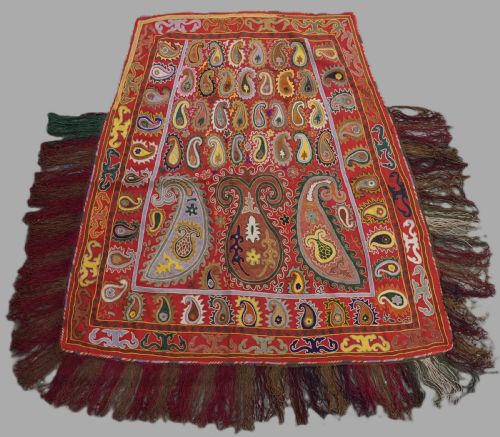
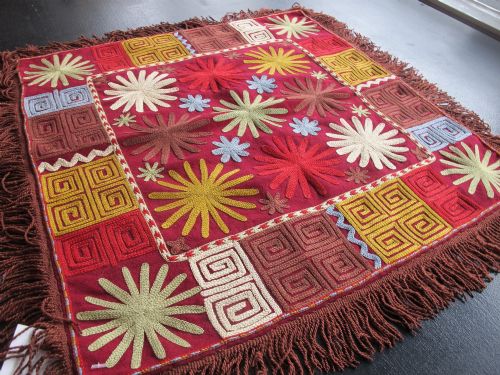
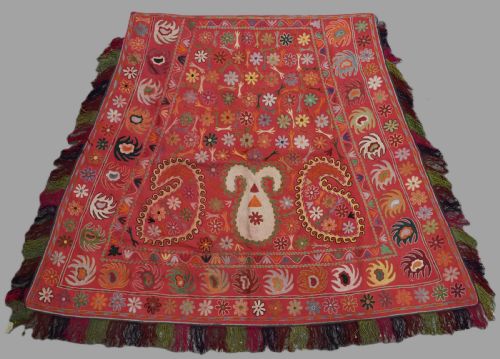
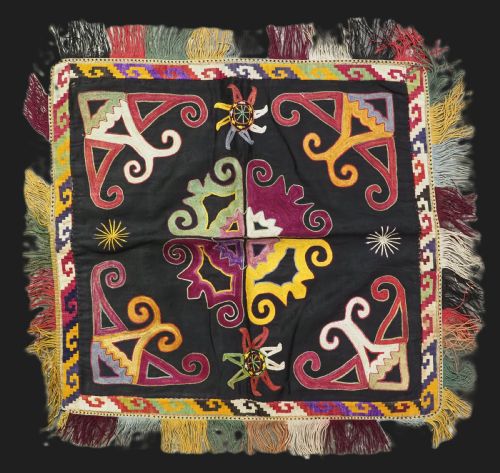
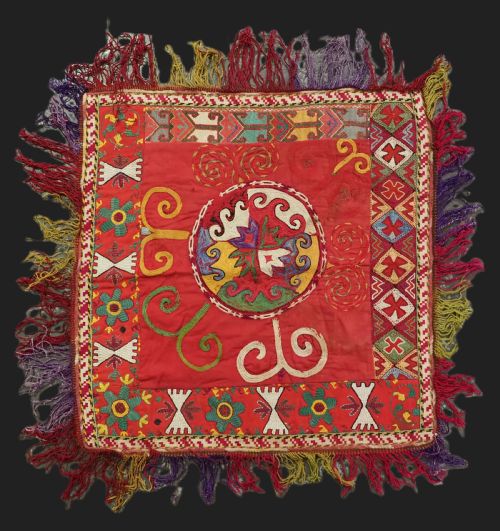
When you search for lakai embroidery uzbekistan, you encounter striking Central Asian tribal textile art created by the Lakai people. These works manifest primarily as wall hangings, dowry embroideries, and ceremonial horse or saddle covers.
The objects span from the late nineteenth century into the early twentieth century, originating from regions such as Shakrisabz. You will frequently meet pieces designated as ilgich, at torba ilgich, or uut kap ilgich.
Makers produced these textiles for domestic and ceremonial use within the tribe. Surviving examples function mainly as textile panels and wall art for interior display.
How they were made
Artisans constructed these textiles utilising natural fibres including silk, cotton, and wool. The physical construction relies upon fine needlework applied to a supportive textile ground.
Needleworkers executed intricate patterns that define Central Asian tribal and traditional aesthetics. Certain domestic items, such as specific horse covers, feature double faced construction.
Current listings span from eighteen-eighty to nineteen-twenty, incorporating silk, cotton, and wool across diverse formats including wall hangings and horse covers.
What varies in quality
The distinction between average and exceptional pieces rests upon the density of the stitching and the complexity of the tribal design. Finer works display meticulous needle control across silk, cotton, and wool elements.
Preservation of the original textile ground and the vibrancy of the fibre materials dictate the overall integrity of an item. Pieces retaining crisp geometric or figurative motifs command greater attention from collectors of Central Asian material.
The Lakai Embroidery Uzbekistan Glossary
- At Torba
- A specific form of horse cover or saddle bag associated with Central Asian tribal groups. Such items served ceremonial and utilitarian functions.
- Uut Kap
- A storage bag or hanging panel utilised within nomadic dwellings. These objects display characteristic regional needlework.
- Nim Suzani
- A smaller embroidered wall cover or hanging. The term denotes a half-sized version of the traditional suzani textile.
- Central Asian Tribal
- A stylistic classification encompassing the visual traditions of nomadic and semi-nomadic groups in the region. This designation groups objects by shared cultural motifs.
Lakai Embroidery Uzbekistan: Frequently Asked Questions
How were these textiles used originally?
Nomadic and tribal communities utilised these embroideries primarily for domestic decoration and ceremonial occasions. Items such as ilgich functioned as dowry pieces for wall display.
Other formats, including saddle covers and at torba ilgich, were tied to equine equipment and ceremonial transport within the culture.
How do I hang a textile panel?
Mounting historic textiles requires careful consideration of weight distribution across the fabric ground. Professional conservation methods typically employ a fabric sleeve or stitched Velcro support system.
Avoid direct pinning through the silk, cotton, or wool embroidery, as this stresses the historic fibres over time.
How can I tell the period of a piece?
Dating relies upon examining the materials, dye types, and stitching characteristics visible in the textile art. Pieces from the eighteen-eighties and eighteen-nineties often exhibit distinct natural palettes compared to later works.
Stylistic conventions also shift between the nineteenth century examples and those produced around nineteen-twenty.