
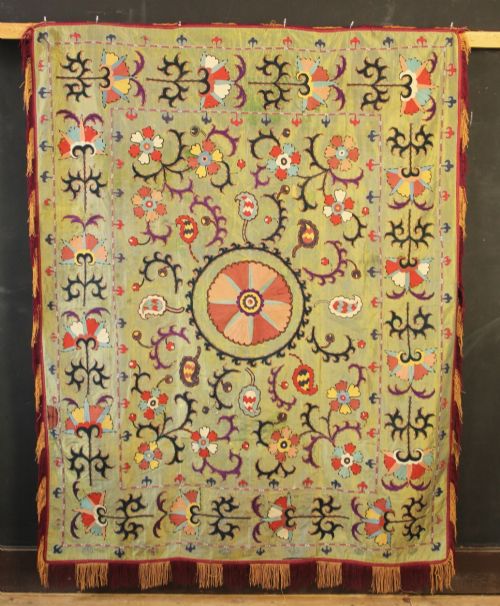


Uzbek Lakai Suzani
These vibrant textile works bring bold geometric energy from Central Asia into modern rooms as striking wall hangings.
Uzbek Lakai Suzani
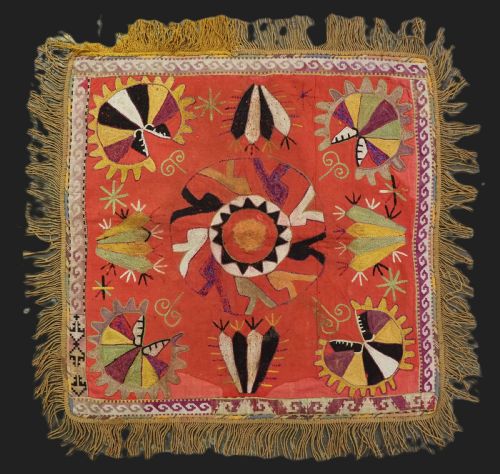
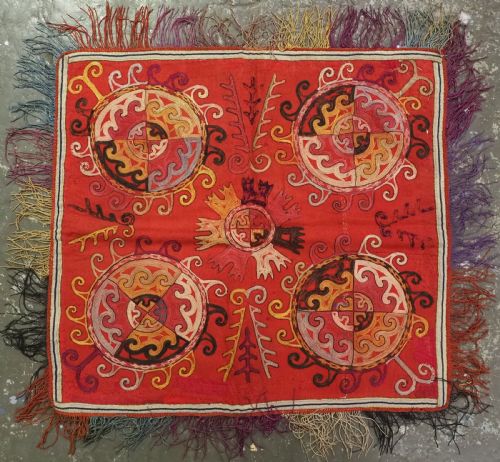
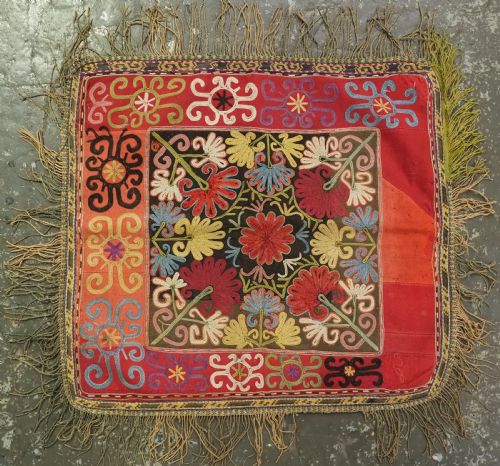
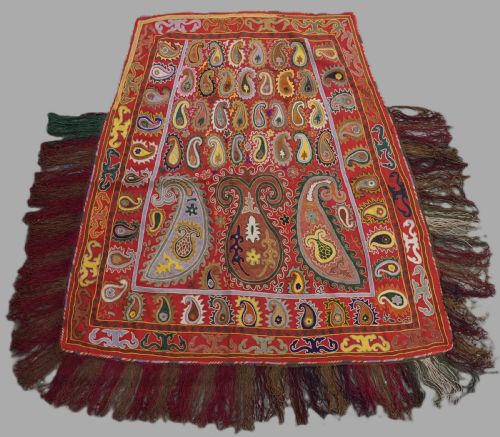
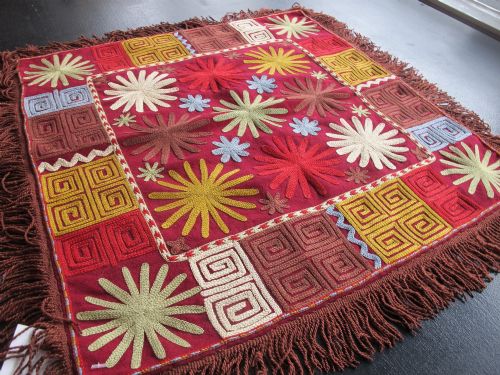
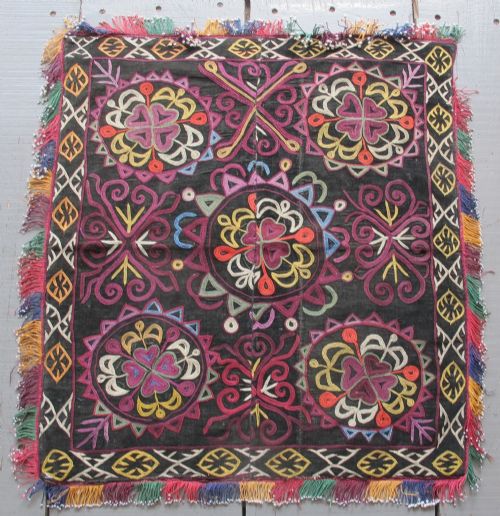
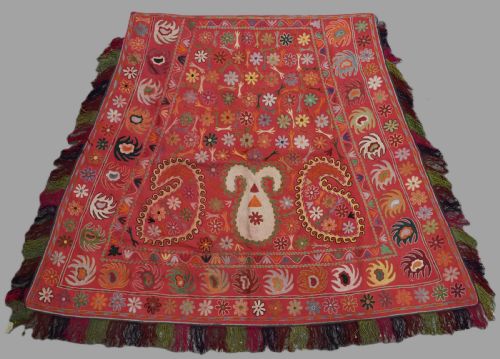
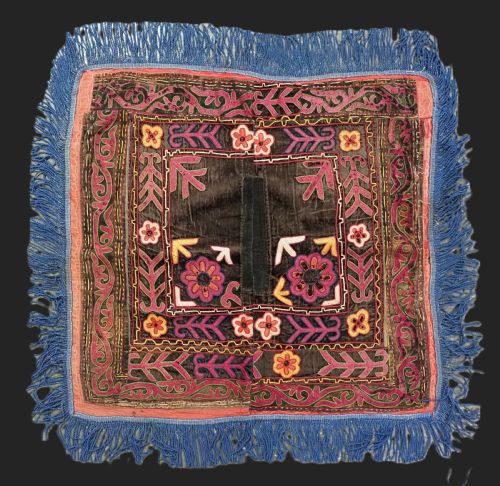
When you search for an uzbek lakai suzani, you are looking at nomadic Central Asian needlework created for dowries, wall hangings, and ceremonial furnishings. These textiles originate from the Lakai tribe in Uzbekistan, spanning the late nineteenth century and the early decades of the twentieth century.
The most common form you will meet on this page is the ilgich or dowry embroidery, alongside ceremonial horse covers, saddle rugs, mirror covers, and bed decorations. These pieces showcase Central Asian folk art traditions through dynamic geometric compositions.
Makers utilised various formats, from nimble square panels to larger nim suzani textiles, often incorporating wool fringe and intricate stitched details. The geographical origins are rooted in regions like Shakrisabz within Uzbekistan.
Variations in Quality
The distinction between ordinary and exceptional examples rests in the complexity of the needlework and the vitality of the composition. Finer pieces demonstrate meticulous execution within the traditional Central Asian tribal vocabulary.
Visual balance and the richness of the ground materials, such as heavy velvet or dyed wool, elevate specific items above standard utility pieces. The preservation of original fringes, beads, and fabric grounds further defines the standing of individual textile panels.
Nomadic artisans embroidered ceremonial horse covers so their mounts looked properly dressed for tribal weddings.
The Uzbek Lakai Suzani Glossary
- Ilgich
- A traditional dowry embroidery piece created by the Lakai tribe for wall hanging. These textiles are central to the nomadic aesthetic.
- Nim Suzani
- A half-size embroidered wall hanging or cover. They offer a manageable scale for interior display while retaining full decorative impact.
- Torba
- A hanging bag or storage trapping used within nomadic dwellings. These functional objects double as striking examples of folk art.
- Saye Gosha
- A specific bed decoration textile associated with tribal traditions. They display the same meticulous needlework found on wall panels.
- Suzani
- An embroidered textile panel originating from Central Asia. The word derives from the Persian term for needle.
Uzbek Lakai Suzani: Frequently Asked Questions
How were these textiles used?
Nomadic families utilised these embroideries as dowry items, wall decorations, bed furnishings, and ceremonial horse covers. Saddle rugs and mirror covers formed part of daily and ritual possessions.
Today, collectors repurpose these durable panels as wall hangings and textile art for contemporary interiors.
How do I date an uzbek lakai suzani?
Dating relies on stylistic analysis, material composition, and traditional construction methods typical of the late nineteenth and early twentieth centuries. Natural dyes, early cotton or wool grounds, and hand-spun silk threads point towards earlier periods.
Archive examples and comparative pieces help narrow down the decade of creation.
What is an ilgich?
An ilgich is a specific type of dowry embroidery made by the Lakai tribe for display on walls. They feature bold geometric motifs executed in vibrant silk threads.
These panels represent a primary category within nomadic Central Asian needlework.