



Antique Sugar Shaker
An antique sugar shaker brings historical elegance to the table, offering a refined way to dust fine pastries or fruit with powdered sugar.
Antique Sugar Shaker
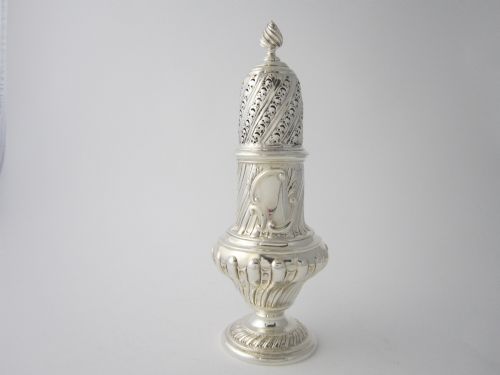
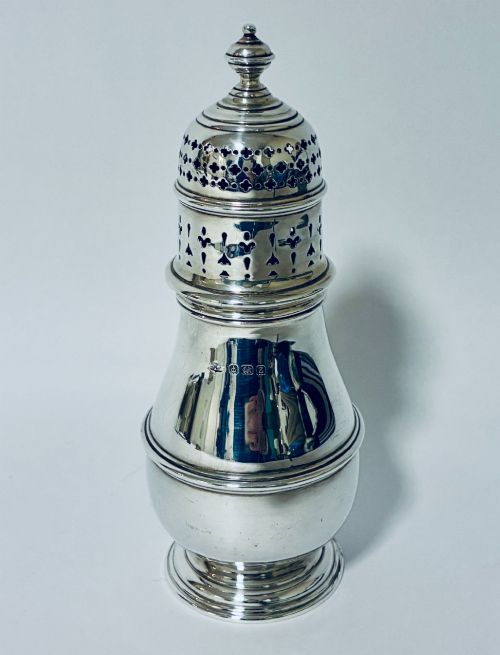
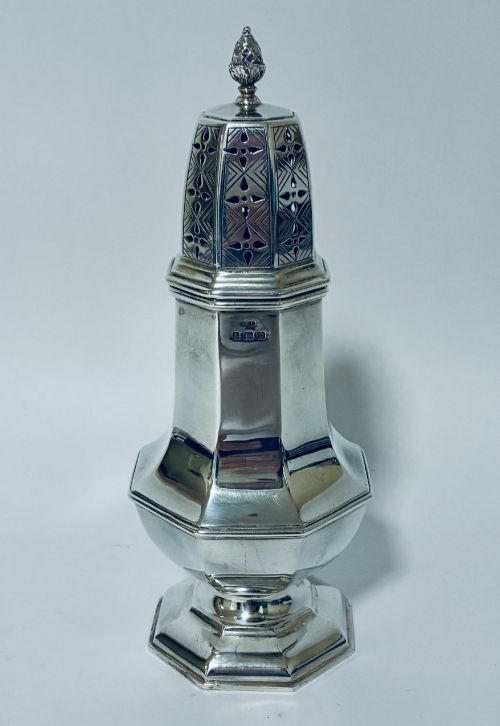
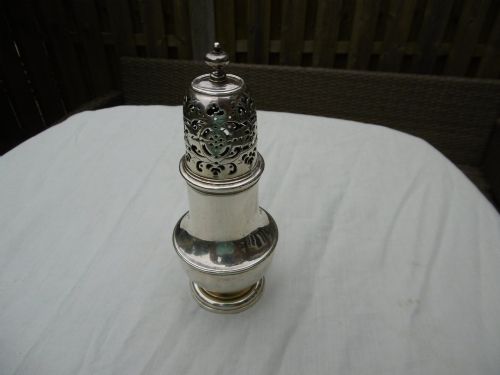
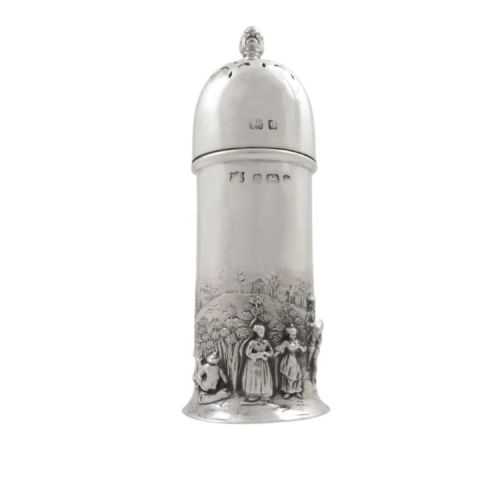
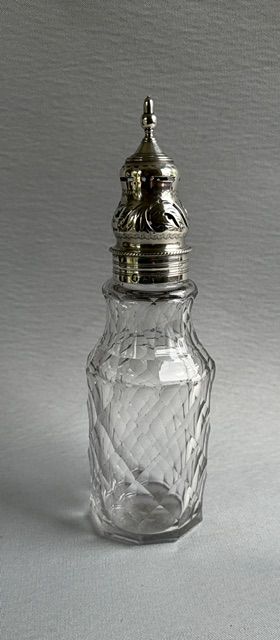
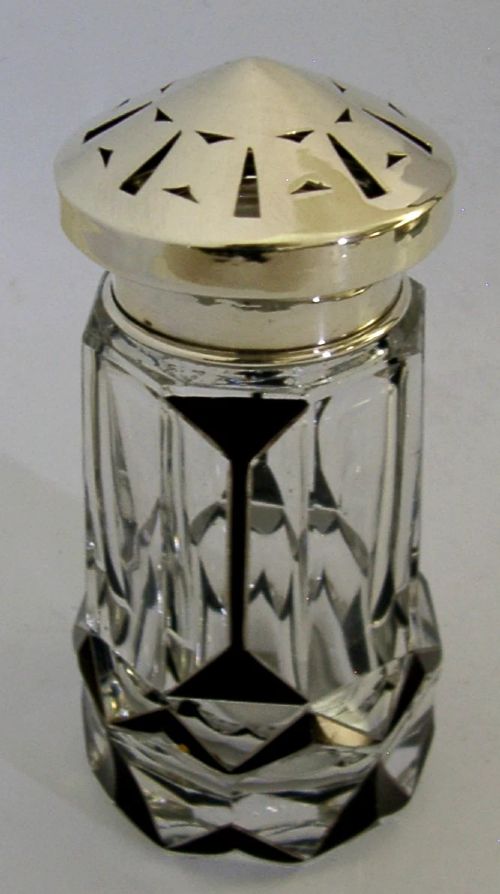
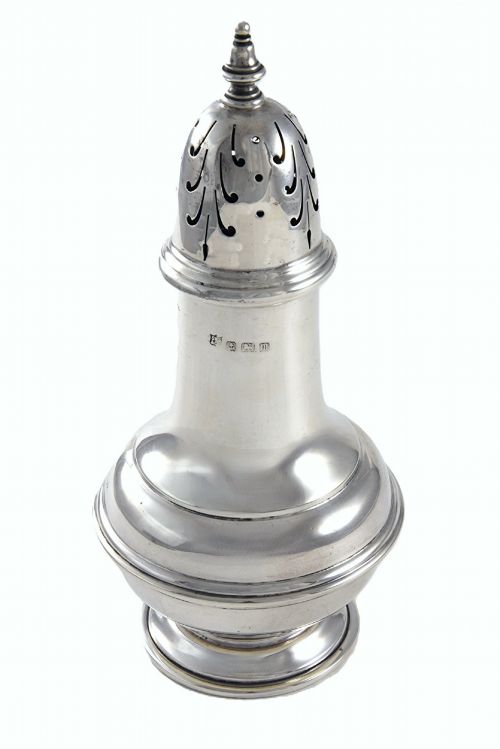
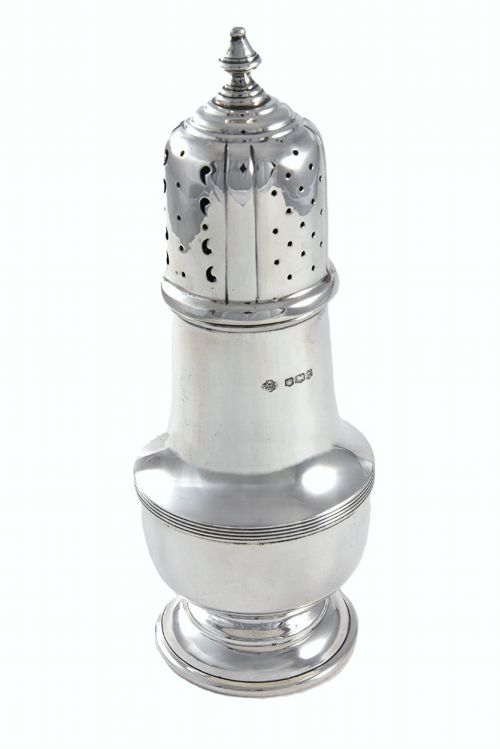
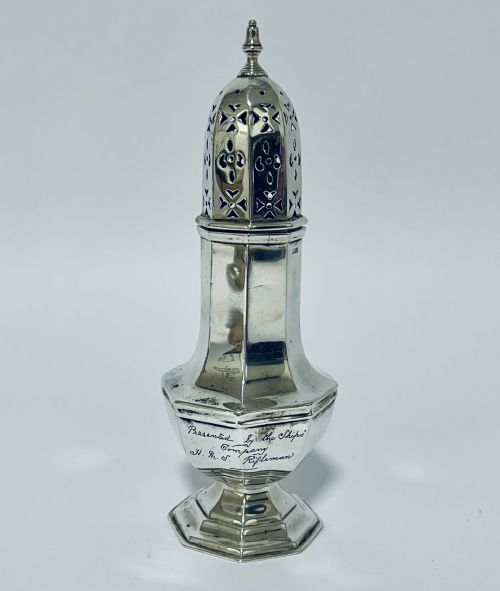
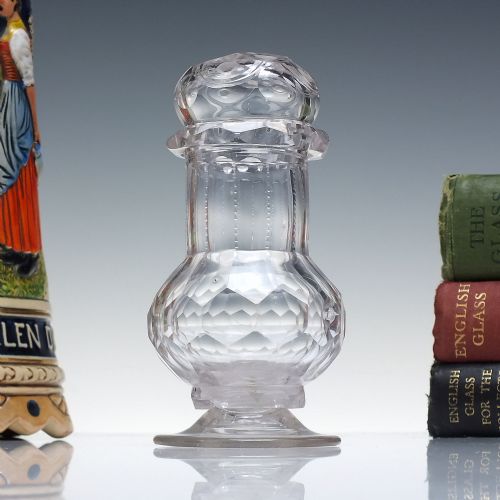
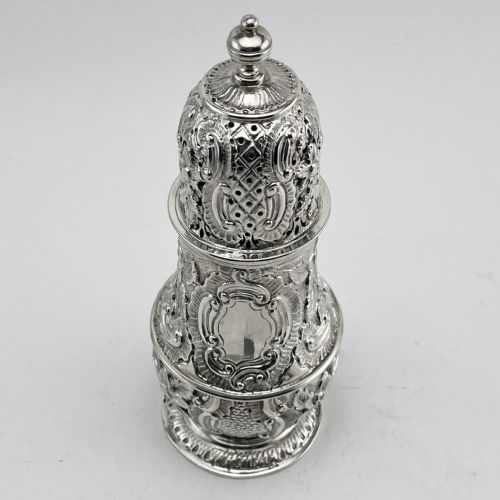
An antique sugar shaker, often historically catalogued as a caster, muffineer or dredger, is a small tabletop vessel designed for dispensing fine sugar over food. Collectors frequently encounter sterling silver examples spanning the Georgian, Victorian and Edwardian eras, alongside occasional porcelain or cut glass variations.
How they were made
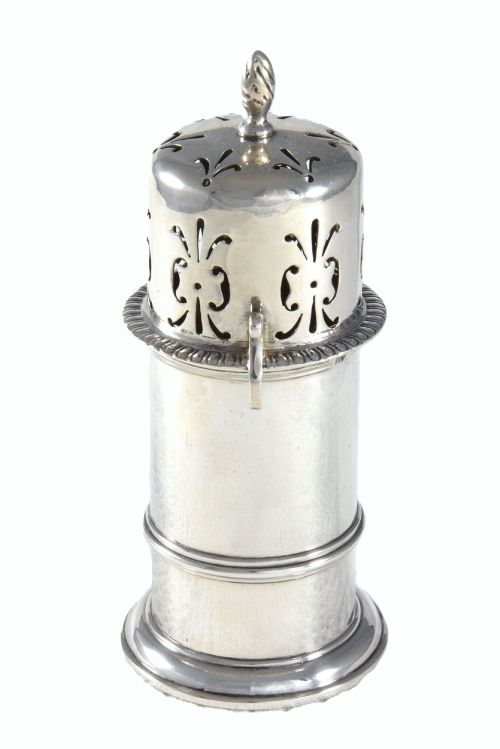
Silversmiths constructed sterling silver shakers by raising sheet metal over stakes, casting heavier foot rims, and piercing intricate floral or geometric patterns into the removable tops by hand or with a saw. Cut glass and crystal bodies were blown into moulds before receiving sterling silver collars and pierced screw-on caps.
Porcelain examples, such as those from continental and English factories, relied on slip-casting and hand-painting techniques, often fitted with metal mounts or gilded silver tops. Brass and copper spice shakers utilised traditional hammering and joining methods suited to kitchen metalware of the eighteenth century.
Antique Sugar Shaker Retail Price Guide 2026
Typical asking prices for sugar shaker among the pieces listed under this phrase on Sellingantiques today, from the lower quarter to the upper quarter. They describe what is for sale here now, not the wider market.
Some Victorian silver shakers are whimsically shaped like cornucopias or delicate lighthouse towers, ready to cast a sweet storm upon the dining table.
What varies in quality
Quality rests upon the crispness of the piercing on the lid and the overall gauge of the silver or metal used in construction. Substantial metal thickness prevents denting and provides a reassuring weight in the hand during daily use.
Proportion and decorative restraint distinguish superior examples from standard production pieces. Well-balanced forms with clear hallmarks and intact original gilding or cut glass facets command greater appreciation among collectors.
Stephen Adams·Simon Pantin·Barker Brothers·James Dixon And Sons·Evald Nielsen·Horace Woodward·Roberts And Belk·Thomas Ross·Charles Alchorne·Thomas Pritchard·William Comyns·James Hadley·Berthold Muller
The Antique Sugar Shaker Glossary
- Caster
- A small tabletop vessel with a perforated lid designed for shaking dry condiments or sugar over food. This term appears frequently alongside shaker and muffineer in historical silver records.
- Muffineer
- A specialised small caster specifically intended for dusting sugar or salt onto hot buttered muffins at the tea table. The form mirrors standard silver casters but is typically of a more compact scale.
- Pounce pot
- A small container with a perforated top used to sprinkle resin powder onto rough paper to prepare it for writing. Though visually similar to a sugar shaker, its internal purpose relates to desk accessories rather than dining.
- Hard-paste porcelain
- A durable ceramic composition fired at very high temperatures, utilised by factories like KPM for decorative tableware. It resists scratching and provides a bright white ground for painted decoration.
- Silver gilt
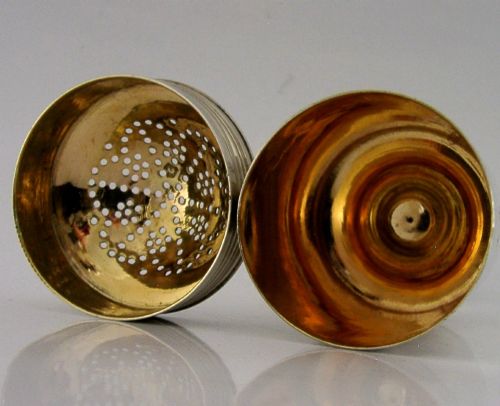
- Sterling silver that has been coated with a thin layer of gold through a chemical or electrochemical process. This treatment adds a rich warm tone to the interior or exterior of condiment vessels.
Antique Sugar Shaker: Frequently Asked Questions
What is the difference between a sugar shaker and a caster?
In historical terms, a caster and a sugar shaker describe the exact same tabletop vessel used for dusting sugar. The word caster derives from the action of casting or sprinkling powder, while shaker is a more modern term for the identical function.
Older British records and dealer catalogues lean towards caster or muffineer, whereas contemporary descriptions often prefer sugar shaker. Both refer to a hollow vessel with a pierced lid.
How do I clean an antique silver sugar shaker?
Silver shakers require gentle washing in warm soapy water using a soft cloth to remove accumulated dust or old sugar residue from the interior. Avoid abrasive dips or harsh scrubbing that might damage delicate hallmarks or thin chasing.
Dry the silver thoroughly with a lint-free cloth to maintain its natural lustre without stripping the patina accumulated over decades of existence.
How can I date an unmarked sugar shaker?
Dating relies primarily on stylistic clues such as the silhouette, foot rim construction, and the pattern of the piercings on the lid. Georgian examples often display plain octagonal or pear-shaped profiles, while Victorian pieces embrace exuberant floral chasing.
Comparing the object's form against hallmarked pieces from known periods helps narrow down the decade of manufacture when official stamps are absent or worn.
Were these vessels used exclusively for sugar?
While primarily designed for granulated or powdered sugar, similar pierced vessels served as spice dredgers or kitchen metalware in earlier centuries. Pounce pots shared the same physical form but dispensed sand or resin powder for ink drying on letters.
Dining customs of the eighteenth and nineteenth centuries adapted these versatile pierced containers for various fine culinary powders depending on the meal setting.