
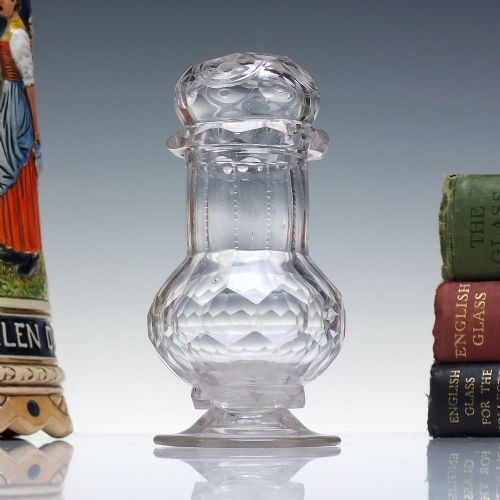


Georgian Sugar Caster
A georgian sugar caster brings unmistakable elegance to a table, offering both period charm and functional grace for your collection.
Georgian Sugar Caster
A georgian sugar caster is a refined tabletop vessel designed for sprinkling fine sugar or spices over food and drink. These pieces appear in various forms, including traditional muffineers, pounce pots, and tall cylindrical shakers.
While genuine examples date back to the eighteenth century, you will also encounter later revivals from the Edwardian and Art Deco periods, as well as Victorian interpretations of earlier designs.
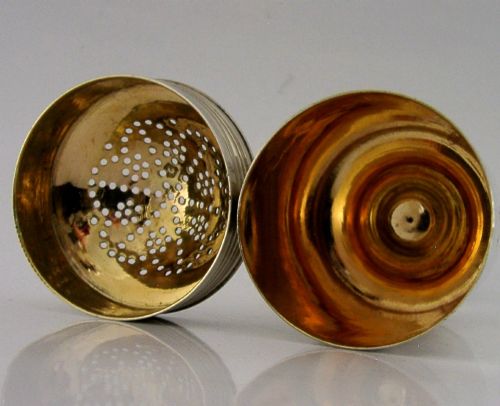
Most items on this page are fashioned from sterling silver, though cut glass and brass examples occasionally surface alongside silver-gilt vermeil and enamel finishes.
How They Were Made
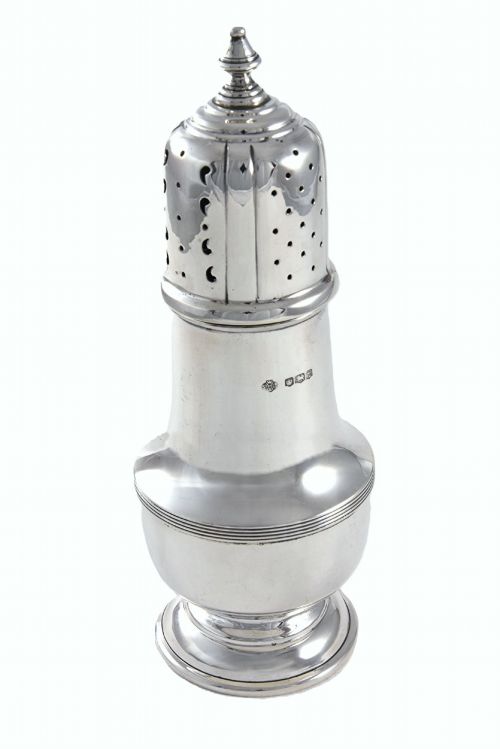
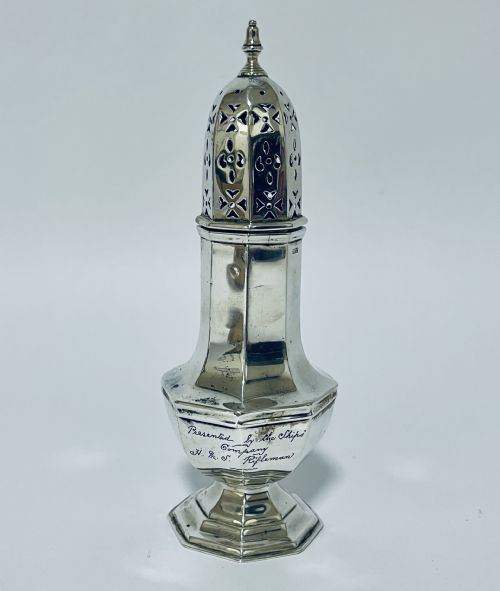
Sterling silver forms the primary substance for these items, shaped through hammering and casting into bulbous, panelled, or faceted silhouettes. Silversmiths pierced the removable top lids with intricate floral or geometric patterns to allow an even distribution of contents.
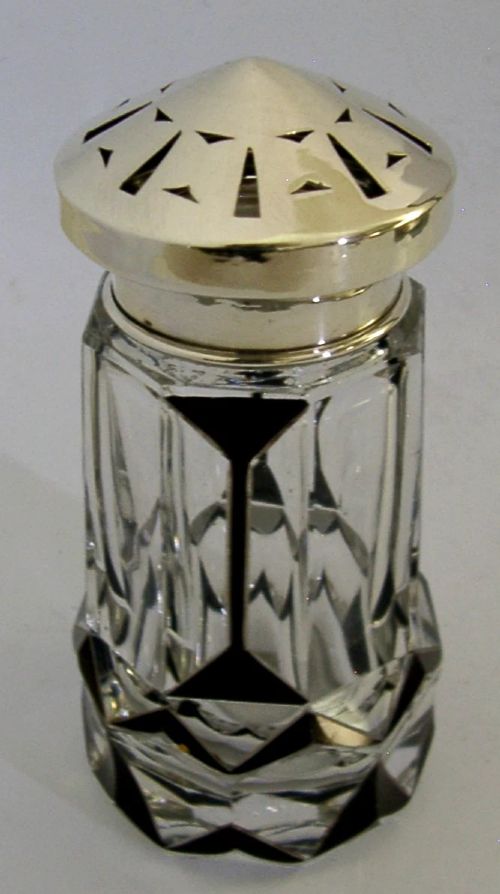
Cut glass and lead crystal bodies appear mounted with pierced metal caps, screwed or pushed securely into place. Brass and vermeil finishes also feature among the heavier desk accessories and kitchen metalware on offer.
What Varies in Quality
The distinction between ordinary and exceptional examples often lies in the weight of the metal and the crispness of the piercing on the cap. Thicker gauge silver retains its structural integrity and sharp detail around armorial engravings and crests much better over time.
Master silversmiths executed proportions with distinct harmony, whereas lesser pieces can feel heavy or lack balance. The quality of the cutting in glass bodies and the tightness of the threaded fittings further separate standard domestic wares from top-tier workshop productions.
Stephen Adams·Simon Pantin·The Barker Brothers·Roberts And Belk·Thomas Ross·Charles Alchorne·Thomas Pritchard
The Georgian Sugar Caster Glossary
- Muffineer
- A small caster specifically utilised for sprinkling sugar over hot buttered muffins. These vessels typically feature a diminutive body and a delicately pierced dome lid.
- Pounce pot
- A small container with a perforated top used to sprinkle resin powder onto parchment before writing. This substance absorbed excess moisture and prepared the paper surface for ink.
- Vermeil
- Sterling silver plated with a thin layer of fine gold. This technique adds a rich, warm yellow lustre to the object.
- Armorial
- A design displaying a coat of arms or heraldic crest. These engravings often indicate the original noble family who commissioned the piece.
- Huguenot
- A French Protestant refugee silversmith working in Britain. Many of these makers introduced advanced continental techniques and exceptional craftsmanship to the domestic trade during the eighteenth century.
Georgian Sugar Caster: Frequently Asked Questions
What is a georgian sugar caster used for?
These vessels were traditionally filled with refined or powdered sugar to dust over baked goods, desserts, and hot drinks. Wealthy households displayed them prominently on the dining table as symbols of status and refinement.
Over time, many found alternative uses as spice dredgers or desk accessories for holding sand or pounce. Today, they serve primarily as decorative table silver or collectable historical objects.
How can I tell an eighteenth-century caster from a later revival?
Examination of the hallmarks stamped on the metal provides the most reliable guide to age and origin. Eighteenth-century pieces often display distinct maker marks and monarch stamps that differ significantly from Victorian or twentieth-century hallmarks.
Stylistic details also reveal the period, as true eighteenth-century forms favor balanced baluster shapes, while Georgian revival pieces from the twentieth century often incorporate heavier mounts or machine-tooled elements.
Are cut glass casters genuine antiques?
Cut glass examples span multiple centuries, with sturdy lead crystal bodies appearing alongside silver mounts throughout the Georgian and Victorian eras. The clarity of the glass and the depth of the hand-cut facets help indicate the age of the piece.
Metal collars secured to glass bases often bear hallmarks that confirm the exact decade of manufacture. Screw-foot variants from the late eighteenth century represent particularly sought-after examples of this combination of materials.
How do I clean sterling silver casters?
Sterling silver requires gentle maintenance using a specialised silver cloth to remove natural tarnish without abrading the surface. Avoid harsh chemical dips, particularly on items with enamel or delicate glass components.
Stored in a dry environment away from direct sunlight, polished silver retains its natural lustre and protects any historical hallmarks or engraved crests from unnecessary wear.