


Solid Silver Caster
When you search for a solid silver caster, you uncover table silver designed for dispensing sugar or spices onto food.

Solid Silver Caster
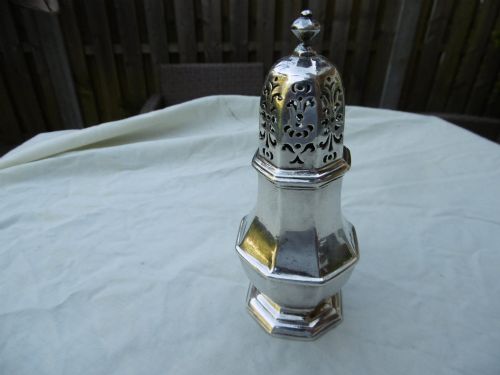
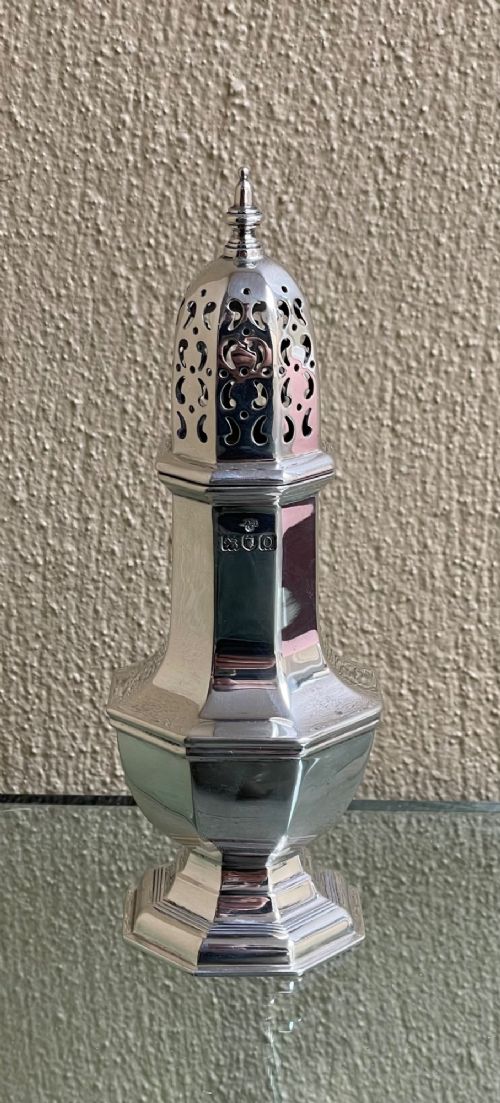
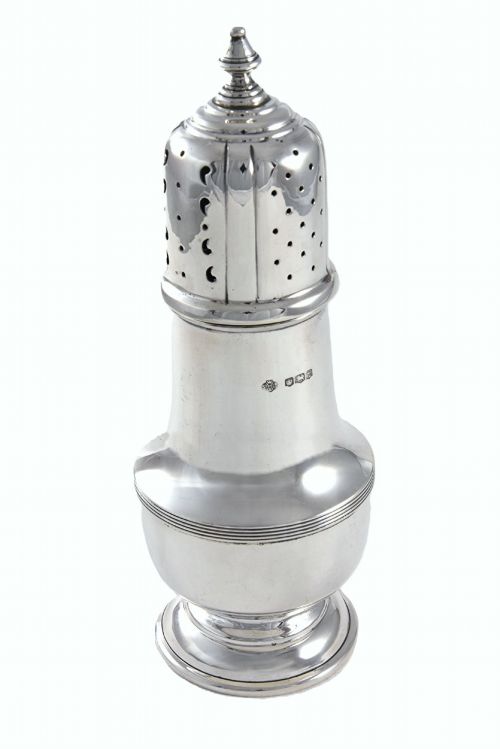
A solid silver caster encompasses table vessels designed to hold and sift sugar, pepper, or condiments during meals. The forms range from tall, footed 18th-century baluster shapes to compact Edwardian shakers and geometric Art Deco designs.
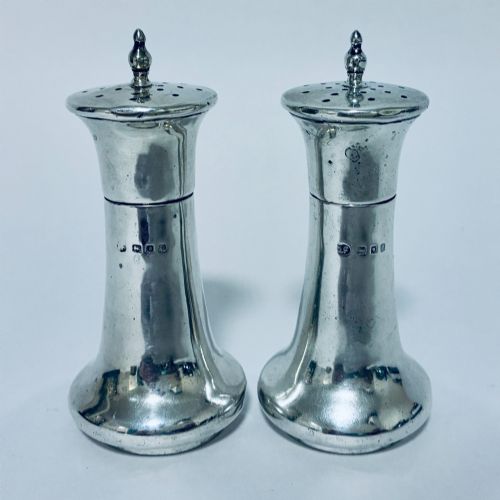
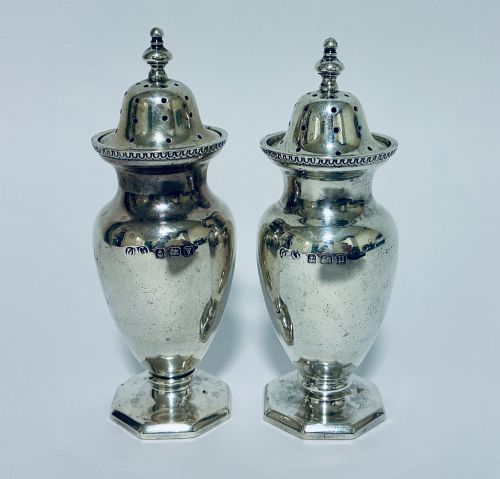
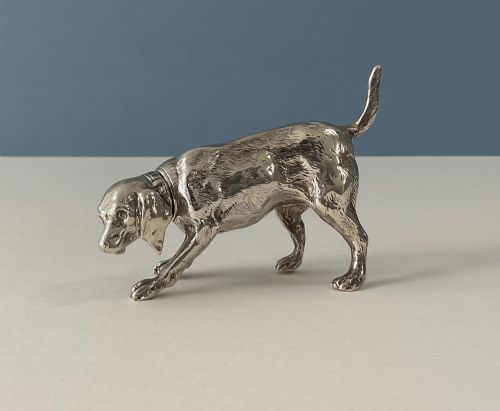
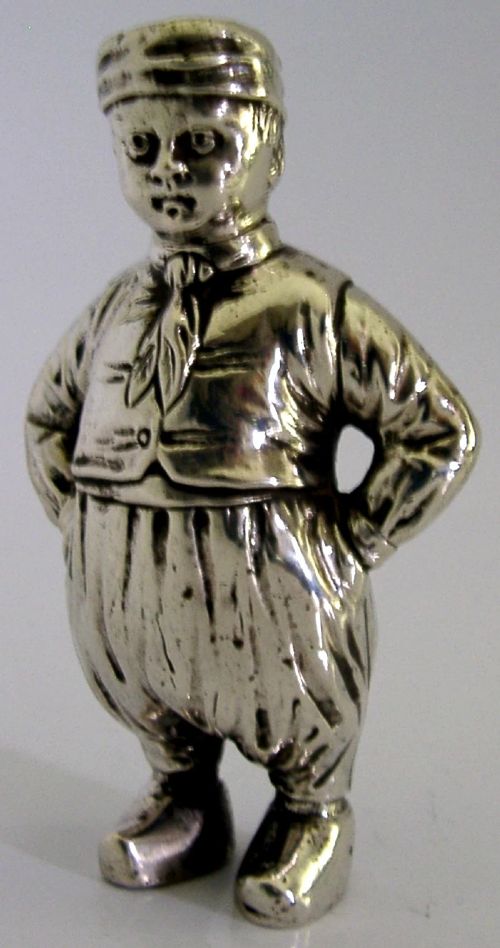
The versions most commonly found here include Georgian muffineers, Victorian and Edwardian sugar shakers, and paired condiment sets. Novelty items shaped as animals such as owls, dogs, and pheasants also appear frequently across the periods.
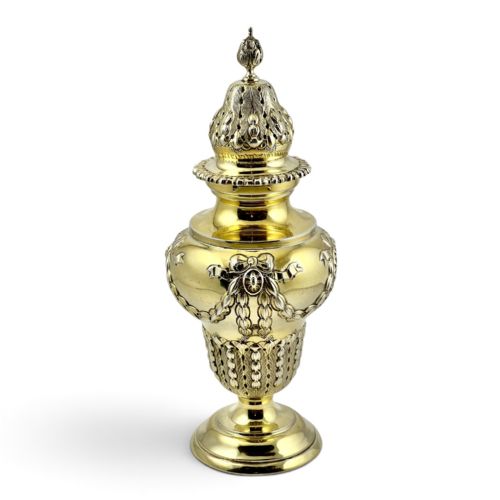
Makers produced these pieces in sterling silver, silver-gilt, and sometimes combined them with cut glass bodies. They served a functional purpose on dining tables before evolving into collectable display silver.
Materials and construction
Silversmiths constructed these vessels primarily from solid sterling silver or 800 silver, shaping the bodies through spinning, stamping, or hammering. Many early examples feature hand-pierced lids with intricate floral or geometric patterns to allow the contents to pass through.
Selected pieces incorporate internal glass liners or cut glass bodies paired with solid silver pierced caps. Silversmiths occasionally applied silver-gilt finishes to the interior bowls or upper sections to prevent corrosion from acidic contents.
Materials record sterling silver, 800 silver, cut glass, and silver-gilt across various table forms.
Evaluating the standard
The weight of the metal and the crispness of the piercing distinguish finer examples from standard production. Heavier gauge silver provides a substantial feel in the hand and prevents denting on the delicate body and cap.
The precision of the hallmarks and the intricacy of the maker's mark indicate the origin and standing of the silversmith. Pieces retaining original gilding, clear town marks, and well-fitted bayonet or screw-thread lids demonstrate superior craftsmanship.
Charles Thomas Fox·Stephen Adams·The Barker Brothers·Roberts And Belk·Thomas Ross·Thomas Johnson·Charles Alchorne·Walker And Hall·Thomas Bamford·Samuel Taylor·Viners
The Solid Silver Caster Glossary
- Muffineer
- An alternative term for a sugar caster, specifically one used for dusting sugar over muffins or buttered bread. These typically feature pear-shaped or cylindrical bodies with pierced domes.
- Pounce pot
- A small container used to sprinkle sand or resin powder over freshly written ink to speed up drying. They share a similar perforated lid design with pepper and sugar casters.
- Piercing
- The technique of cutting decorative patterns out of the metal lid to form the sprinkler holes. Master silversmiths executed these by hand using fine saws before stamping methods became widespread.
- Silver-gilt
- Silver that has been coated with a thin layer of gold on the surface. This technique protected the interior metal from corrosive spices and enhanced the decorative contrast.
- Bayonet joint
- A fastening mechanism on caster caps that locks into place with a push and a short twist. This kept the lid secure during vigorous shaking at the table.
Solid Silver Caster: Frequently Asked Questions
What is the difference between a caster and a shaker?
A caster generally refers to a tall, footed vessel with a pierced dome top used for sugar, originating in the Georgian period and earlier. Shakers often describe later Victorian and 20th-century forms, including novelty animal designs and condiment sets.
Both serve the same function of dispensing fine powders or grains, but collectors use caster more broadly for antique table silver.
How do I date a silver sugar shaker?
Dating relies on the assay office hallmarks stamped into the metal, which include date letters, city marks, and the maker's stamp. Examining the style of the piece, such as Art Deco geometry or Georgian baluster proportions, provides an initial guide.
Consulting historical maker records and hallmarking charts confirms the exact year of manufacture.
Were these pieces used for sugar or pepper?
Larger vessels with capacious bodies and fine piercing were made specifically for caster sugar or spices like cinnamon. Smaller matched pairs or single pots typically functioned as pepperettes or mustard pots in cruet sets.
The scale and interior capacity usually indicate whether a piece held sweet condiments or savoury spices.
How should I clean antique silver casters?
Maintaining antique silver involves gentle washing with warm water and mild soap, followed by drying with a soft cloth. Avoid harsh chemical dips that strip the natural patina accumulated over centuries.
Professional silver polish should be used sparingly and only with non-abrasive cloths to preserve crisp hallmarks and fine piercing.