

Antique Sugar Basin
An antique sugar basin brings tactile elegance to the tea service, offering a compact vessel designed to hold loose lumps or granules with style.
Antique Sugar Basin
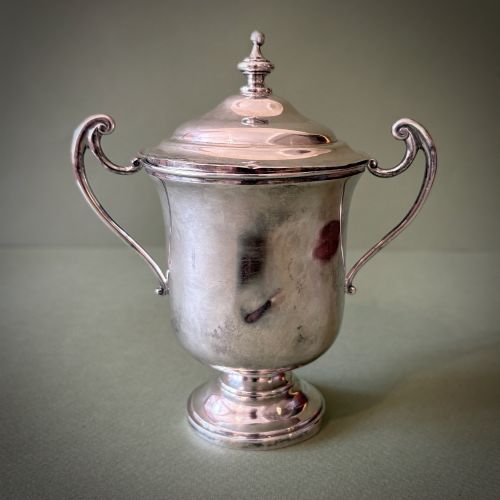
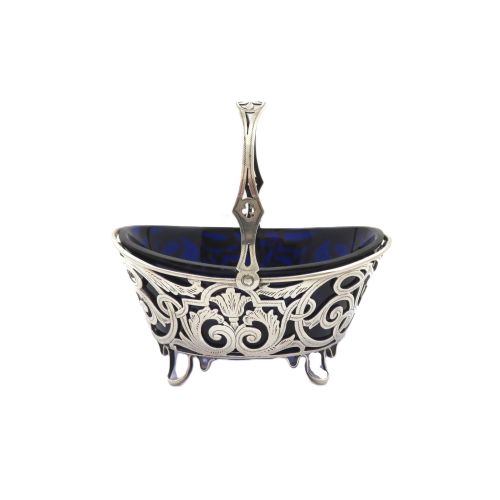
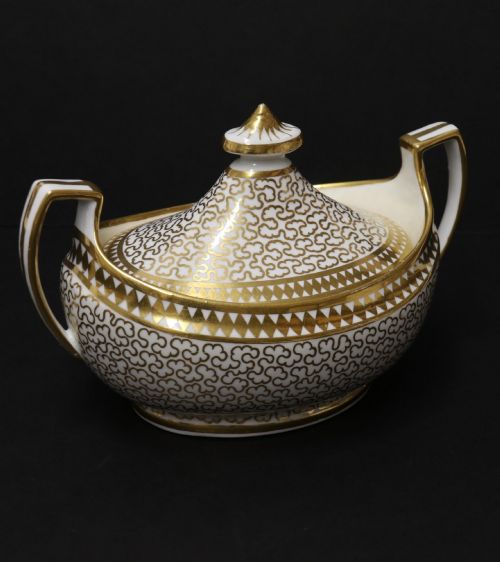
An antique sugar basin encompasses a wide variety of domestic tableware used for serving sugar, predominantly discovered in sterling silver, silver plate, and porcelain forms from the eighteenth to the early twentieth century. Collectors encounter these vessels in forms ranging from open bowls and footed pedestals to handled baskets and lidded sucriers.
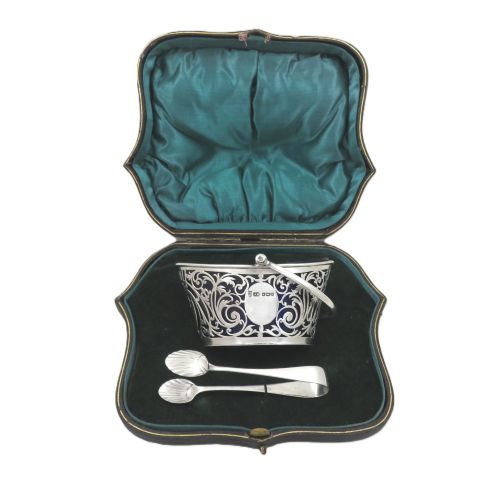
The selection on this page spans distinct historical periods, including Georgian, Victorian, and Edwardian eras, alongside Art Nouveau and Art Deco designs. Buyers frequently find pieces paired with glass liners, swing handles, or matching sifter spoons for functional tabletop use.
How they were made
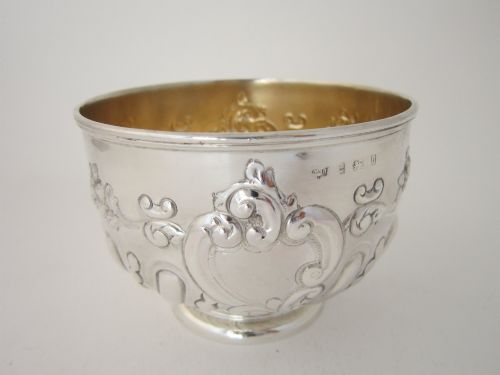
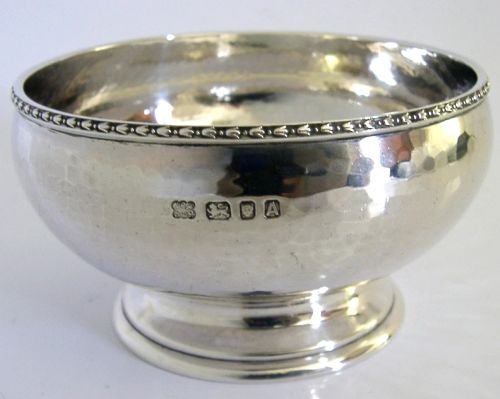
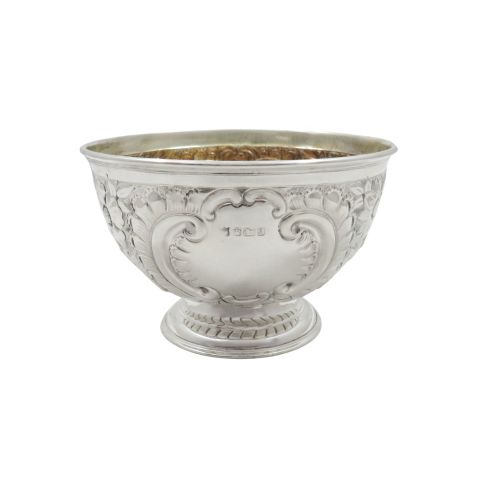
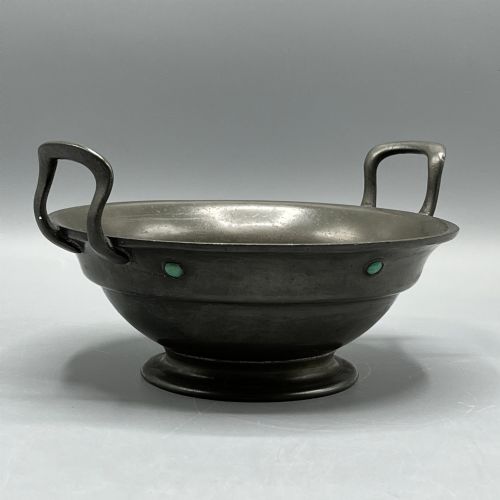
Metalsmiths shaped sterling silver and silver plate through techniques like hammering, piercing, and casting, frequently employing pedestal feet or swing handles to elevate the form. Artisans also utilised copper plating and pewter, sometimes adding gold gilt interiors to protect the metal from corrosive contents.
Ceramic basins relied on porcelain, felspar, and stoneware bodies decorated with hand-painted motifs or transfer prints, while glass versions utilised cranberry glass, cobalt inserts, and cut crystal techniques.
Victorian households equipped tea tables with specialised sifter spoons so guests could dust sugar precisely without spilling a single grain.
What varies in quality
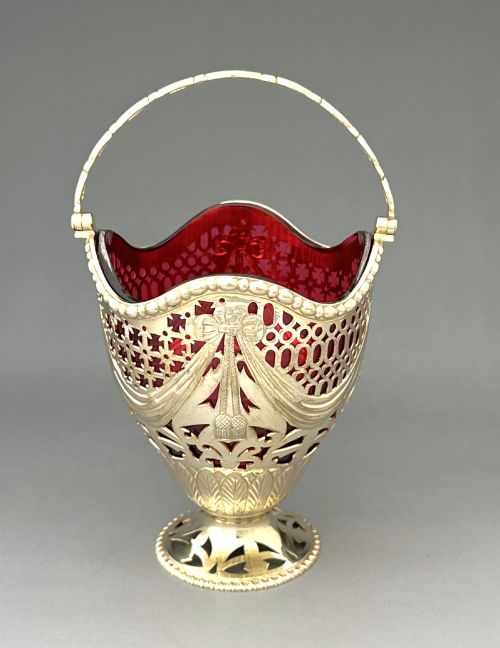
Quality rests upon the crispness of decorative chasing, the weight of the metal, and the precision of pierced fretwork on silver baskets. Superior examples maintain intact original glass liners and retain crisp hallmarks or maker marks without excessive wear.
In porcelain and glass varieties, desirability depends on the vibrancy of hand-applied enamel painting, the clarity of the crystal, and the structural integrity of the glaze or ceramic body.
Liberty & Co·Mappin & Webb·Hukin & Heath·Chamberlains Worcester·Royal Crown Derby·Asprey & Co
The Antique Sugar Basin Glossary
- Sucrier
- A covered sugar bowl originating from French porcelain and silver traditions, designed to keep contents clean on the tea table.
- Porringer
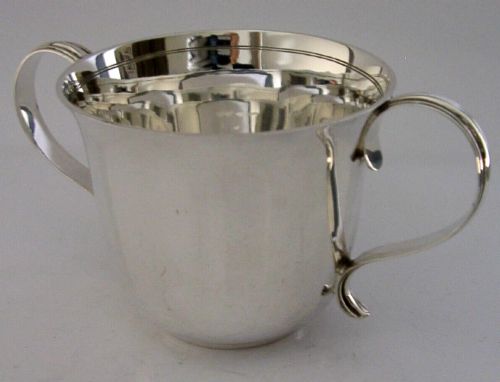
- A small, shallow bowl furnished with one or two flat horizontal handles, utilised historically for porridges and later adapted as a sugar basin.
- Sifter
- A specialised spoon pierced with holes, used alongside sugar bowls to dust powdered sugar over fruit or desserts.
- Latticinio
- A glassblowing technique featuring intricate opaque white or coloured glass threads twisted within a clear glass matrix.
Antique Sugar Basin: Frequently Asked Questions
How do I date an antique sugar basin?
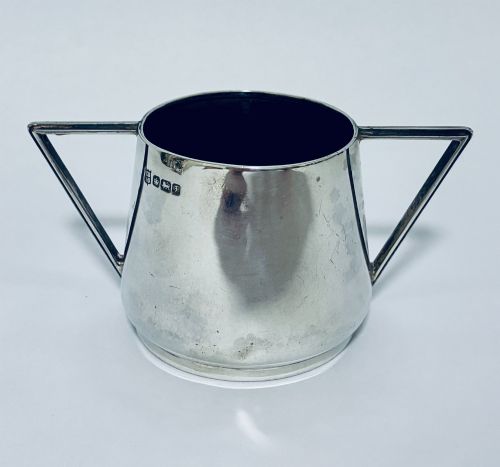
Dating relies heavily on identifying metal hallmarks stamped onto the base or rim, which record the assay office and year of production. Stylistic clues such as Edwardian piercing or Regency porcelain shapes also help narrow down the manufacturing decade.
Secondary indicators include the presence of original glass liners or fitted presentation cases. Comparing the decorative motifs against established period styles provides further verification.
What is the difference between a sugar basin and a sucrier?
A sugar basin is a general English term for an open or handled bowl used to serve sugar at the tea table. A sucrier is specifically a lidded sugar bowl, a term frequently applied to porcelain and ceramic pieces derived from French forms.
Both vessels served the same domestic function during tea service. The terminology usually reflects the material and regional tradition of the maker rather than a functional difference.
Can I use an antique sugar basin daily?
Silver and glass basins handle everyday use well provided they receive gentle hand washing without harsh abrasive detergents. Delicate porcelain and earthenware pieces require more careful handling to prevent chipping historic glazes.
Acidic foods should be kept away from antique silver and unglazed interiors to preserve the metal surfaces. Proper care ensures these functional vessels remain usable for modern dining.
Why do some silver sugar basins have blue glass liners?
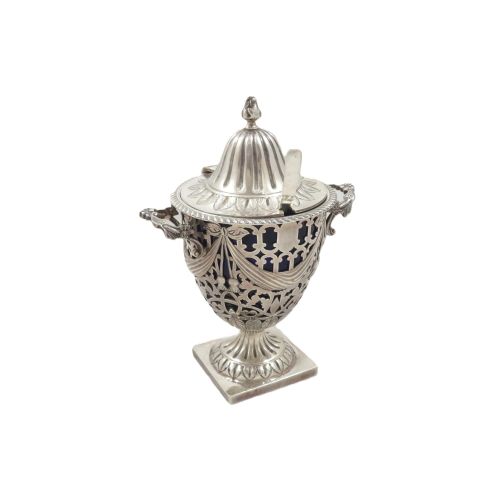
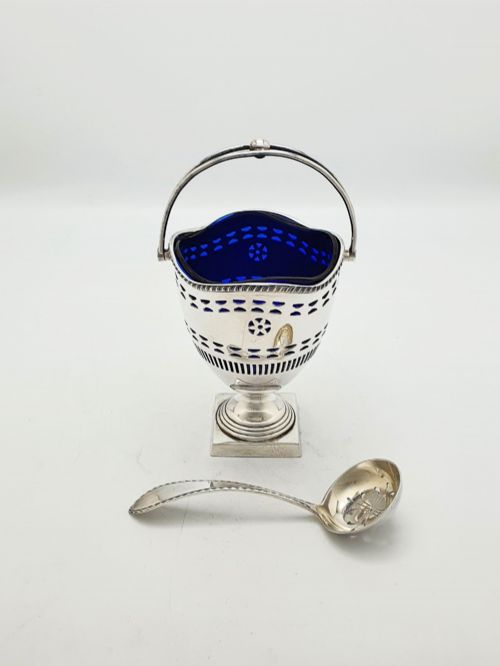
Cobalt blue glass liners were inserted into pierced or openwork silver frames to provide a colourful contrast against the polished metal. They also protected the porous silver from being stained by damp sugar crystals.
These removable inserts allowed the silver basket to be cleaned easily without damaging the delicate metalwork. Finding a basin with its original intact glass liner adds considerable appeal for collectors.