

Antique Sterling Silver Spoon
An antique sterling silver spoon brings the weight of past centuries to the table, offering a tactile connection to Georgian dining rituals and Arts and Crafts design.
Antique Sterling Silver Spoon
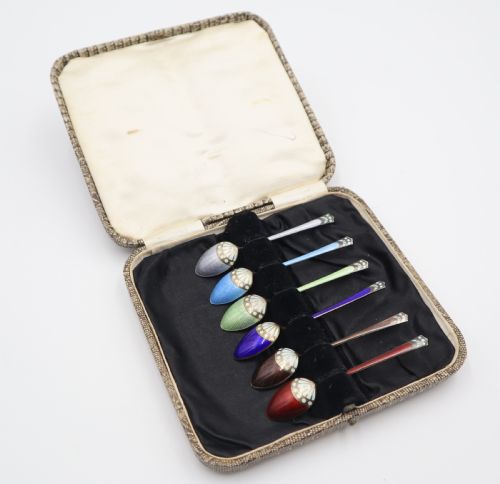
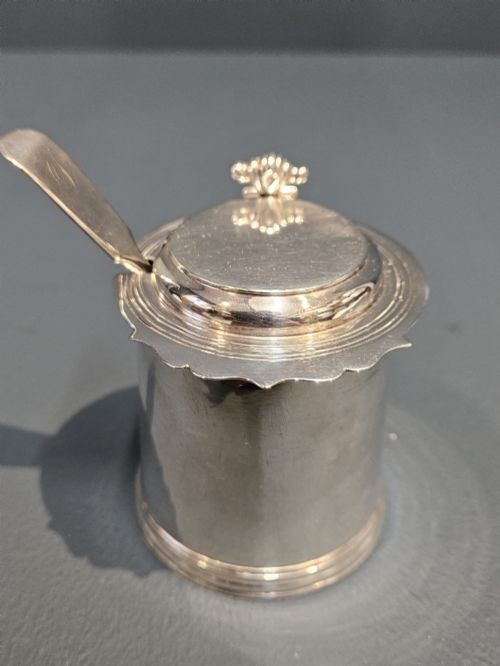
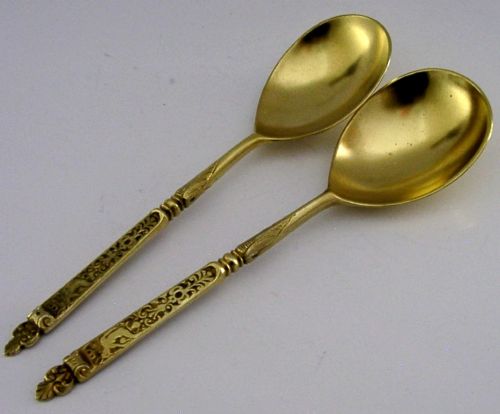
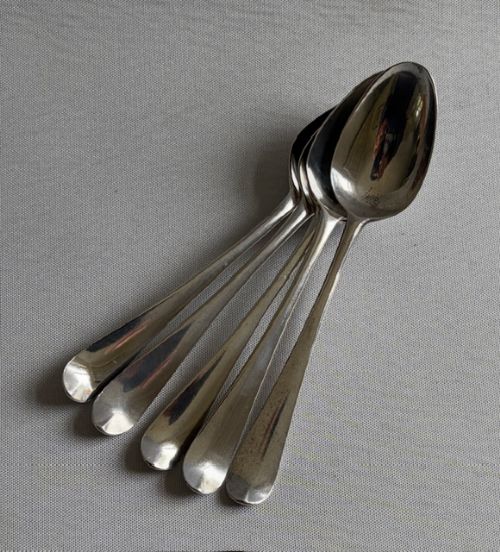
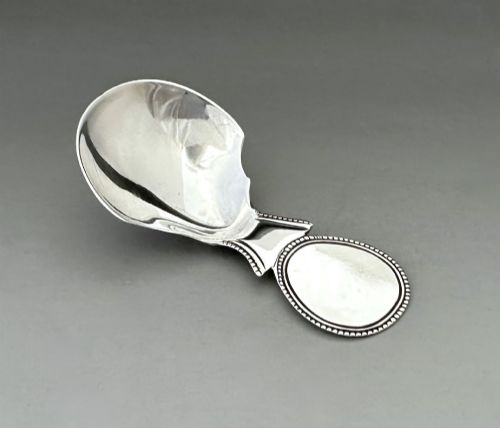
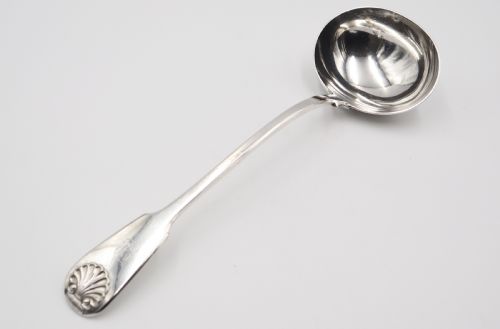
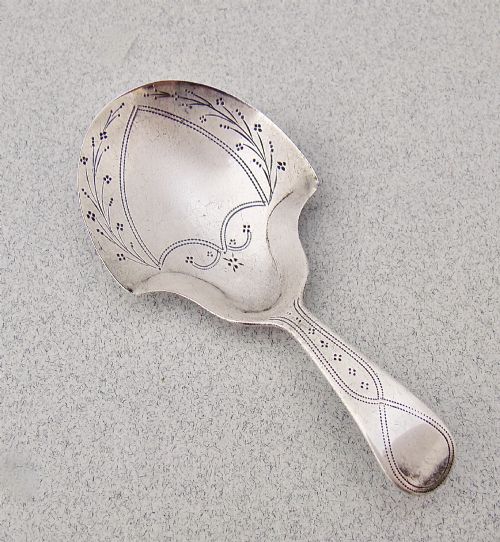
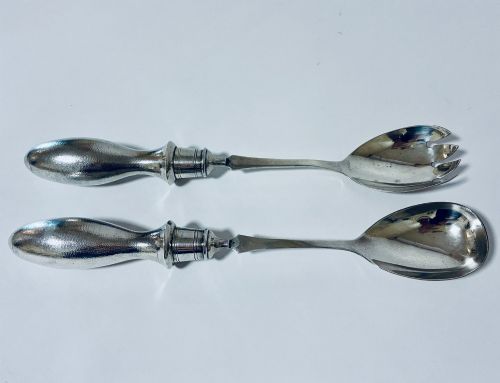
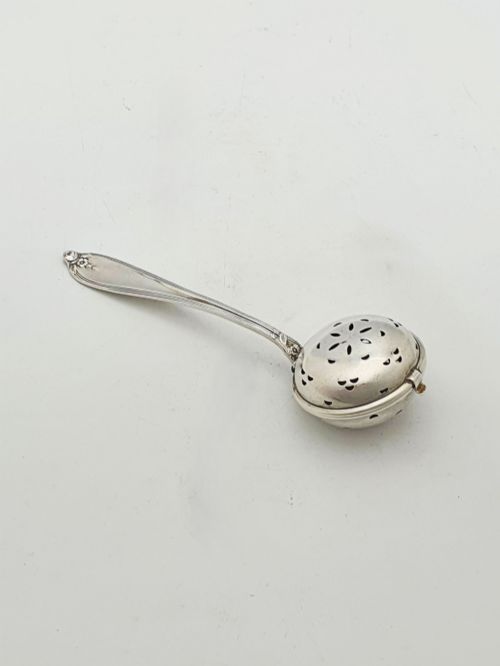
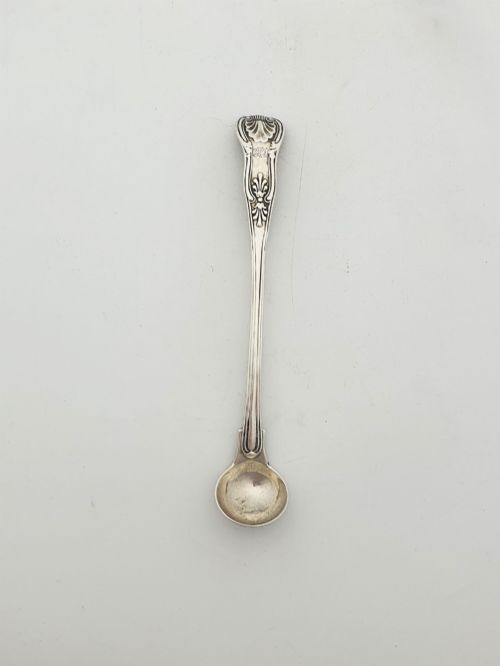
An antique sterling silver spoon encompasses utilitarian and decorative forms ranging from heavy Georgian basting spoons and caddy spoons to delicate Art Deco tea spoons and salt cellars. These items appear across periods including the 17th Century, Georgian, Victorian, Edwardian, and twentieth-century decades up to the 1940s, reflecting shifts in dining and entertaining customs.
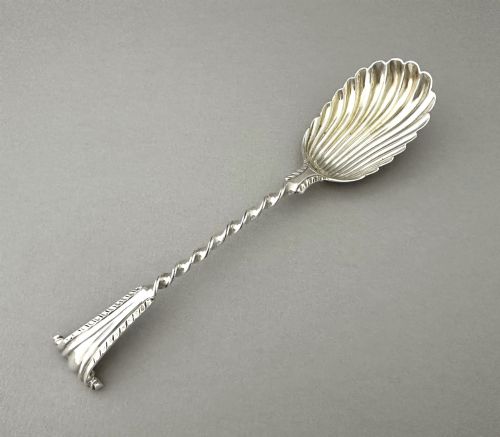
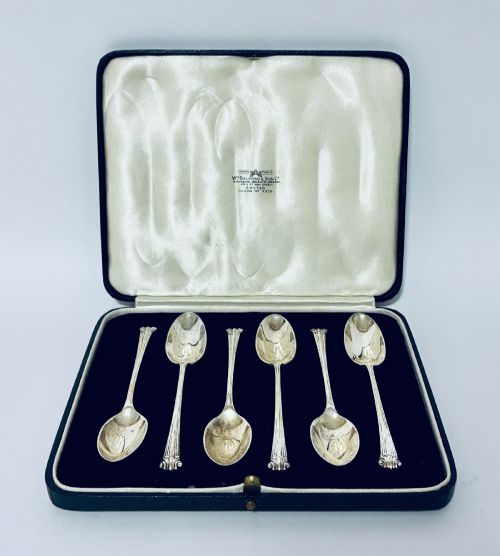
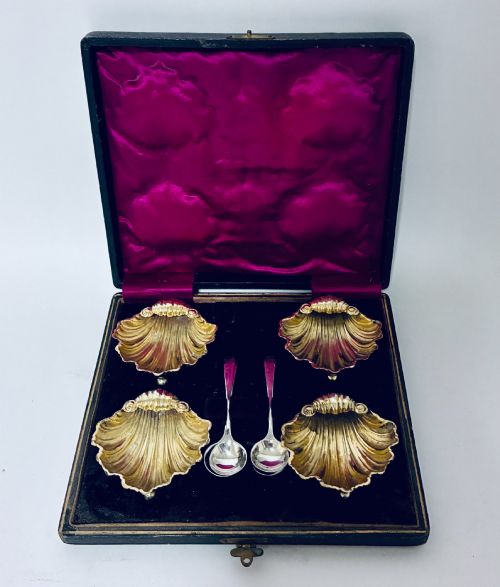
The most frequent items on this page are serving spoons, caddy spoons, and flatware sets housed in fitted boxes lined with velvet, silk, or satin. Buyers encounter pieces styled in Georgian, Victorian, Edwardian, Art Deco, Arts and Crafts, Aesthetic Movement, and Restoration motifs, alongside novelty designs like hand-shaped caddy spoons and apostle spoons.
Makers and origins vary from provincial English towns like Newcastle and Sheffield to Dublin silversmiths and international names such as Georg Jensen and Tiffany. Whether selecting an 18th-century hash spoon or a matched set of coffee spoons, the category centres on solid sterling silver workmanship shaped by changing stylistic movements.
How They Were Made
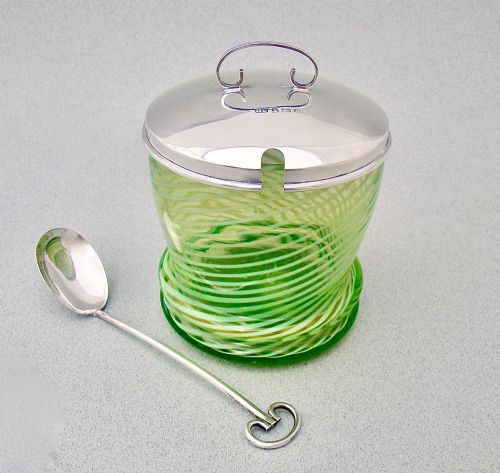
Silversmiths utilised sterling silver as the primary material, hammering, casting, and chasing the metal into bowls and stems that frequently accommodated organic motifs like vine leaves and grapes, or geometric patterns. Certain items incorporate subsidiary elements of glass, steel, agate, and leatherette or satin within fitted presentation cases.
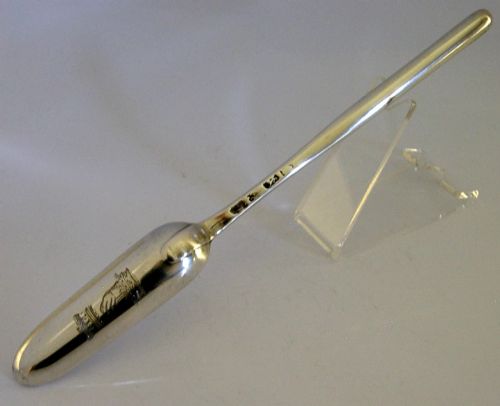
Techniques range from hand-raised bowls on early 18th-century spoons to detailed cast handles featuring heraldic crests, deities, or the distinctive hammered surfaces typical of Arts and Crafts workshops. Makers applied punches for hallmarks, sterling standards, and maker marks directly onto the metal to record the year and place of assay.
Antique Sterling Silver Spoon Retail Price Guide 2026
Typical asking prices for sterling silver spoon among the pieces listed under this phrase on Sellingantiques today, from the lower quarter to the upper quarter. They describe what is for sale here now, not the wider market.
Several spoons feature tiny carved Hindu deities and human hands right inside the bowls, proving past diners enjoyed a whimsical touch with their tea.
What Varies in Quality
The distinction between ordinary and exceptional pieces rests on the crispness of the chasing, the balance of the stem, and the integrity of the maker marks and assay stamps. Heavy gauge silver retains its original weight and bowl depth without excessive thinning from polishing over centuries.
Design ambition separates standard production flatware from masterworks by prominent makers such as Hester Bateman, Georg Jensen, or Joseph Willmore. Unusual forms like vine leaf caddy spoons or documented Irish provincial silver demonstrate superior artistry compared to standard regional cutlery.
Peter and Jonathan Bateman·Hester Bateman·Georg Jensen·Liberty·Martin Hall and Co·Alfred Marston·John Pittar·Joseph Willmore·Tiffany·Andrew Archer
The Antique Sterling Silver Spoon Glossary
- Caddy spoon
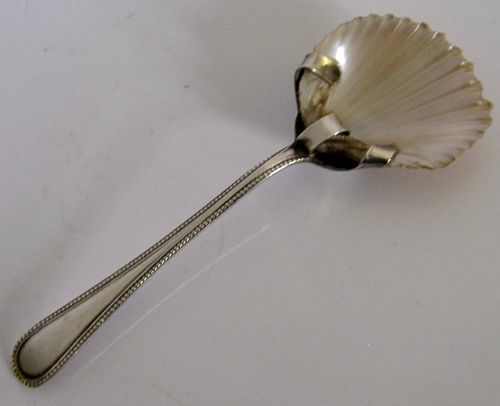
- A short spoon designed specifically for measuring tea leaves from a caddy into a teapot. These often feature decorative bowls shaped like leaves, hands, or shells.
- Basting spoon
- A large spoon utilised in the kitchen or at the dining table for serving juices or gravies over meat. They measure significantly longer than standard table spoons.
- Trefid spoon
- An early form of flatware dating to the late 17th century featuring a broad, three-lobed terminal handle. This style represents an important transitional phase in English cutlery design.
- Spice sifter
- A specialised spoon with a perforated bowl intended for dusting sugar or spices over food. These frequently appear in Georgian silver services.
- Hallmark
- A series of stamped symbols on silver indicating the maker, assay office, standard of metal, and date of manufacture. These marks provide the primary evidence for dating an antique.
Antique Sterling Silver Spoon: Frequently Asked Questions
How do I clean antique silver spoons?
Clean antique silver gently with a specialist silver cloth or a mild, non-abrasive liquid polish to remove tarnish without scrubbing away surface detail or engraving.
Avoid harsh chemical dips that strip the natural patina accumulated over centuries of care.
Can I use these spoons daily?
Many solid sterling silver spoons remain entirely sturdy enough for regular dining use, particularly heavier Georgian and Victorian flatware.
Delicate novelty caddy spoons or thin antique teaspoons benefit from careful handling and hand washing rather than automated dishwashers.
What is a caddy spoon used for?
A caddy spoon measures loose tea leaves from storage containers into the pot during the ritual preparation of tea. Their compact size and inventive bowl designs made them popular collector items.
Victorian and Georgian examples often display sculptural motifs like hands, shells, or leaves.
How do I read silver hallmarks?
Examine the reverse of the handle using a loupe to locate the small stamped duty marks, assay office symbols, and date letters. These tiny impressions reveal precisely where and when the silversmith forged the piece.
Reference guides match these specific punch marks to recorded makers and active years.