


Antique Sterling Salt Dishes
Antique sterling salt dishes bring tactile refinement to the table, combining solid silver craftsmanship with inventive domestic utility.
Antique Sterling Salt Dishes
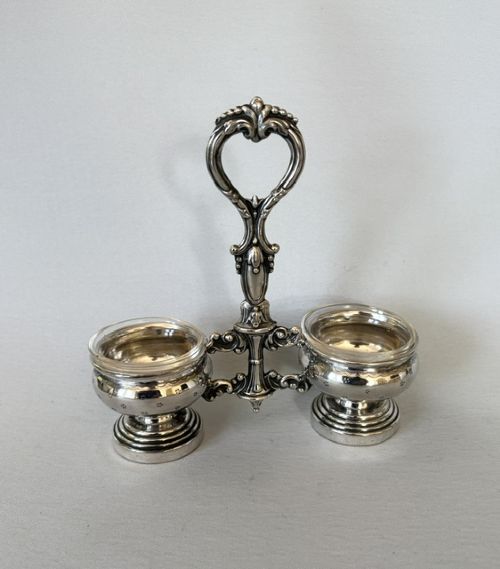
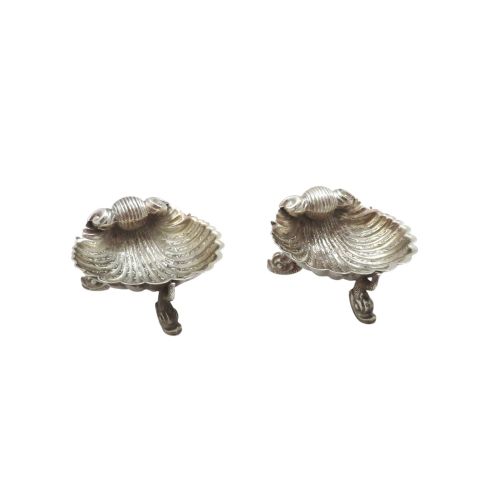
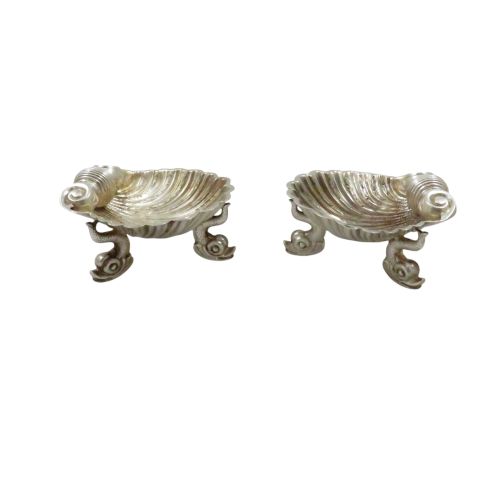
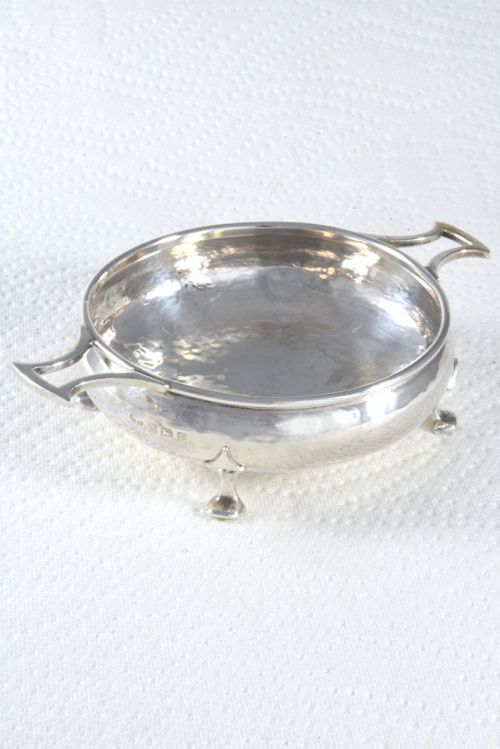
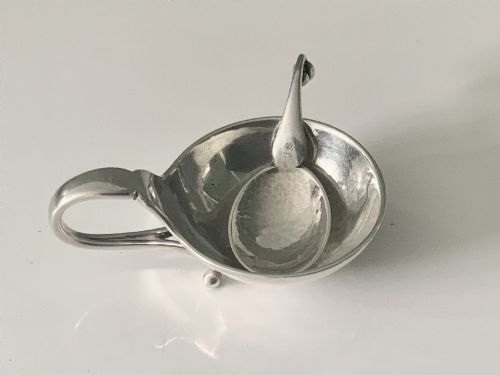
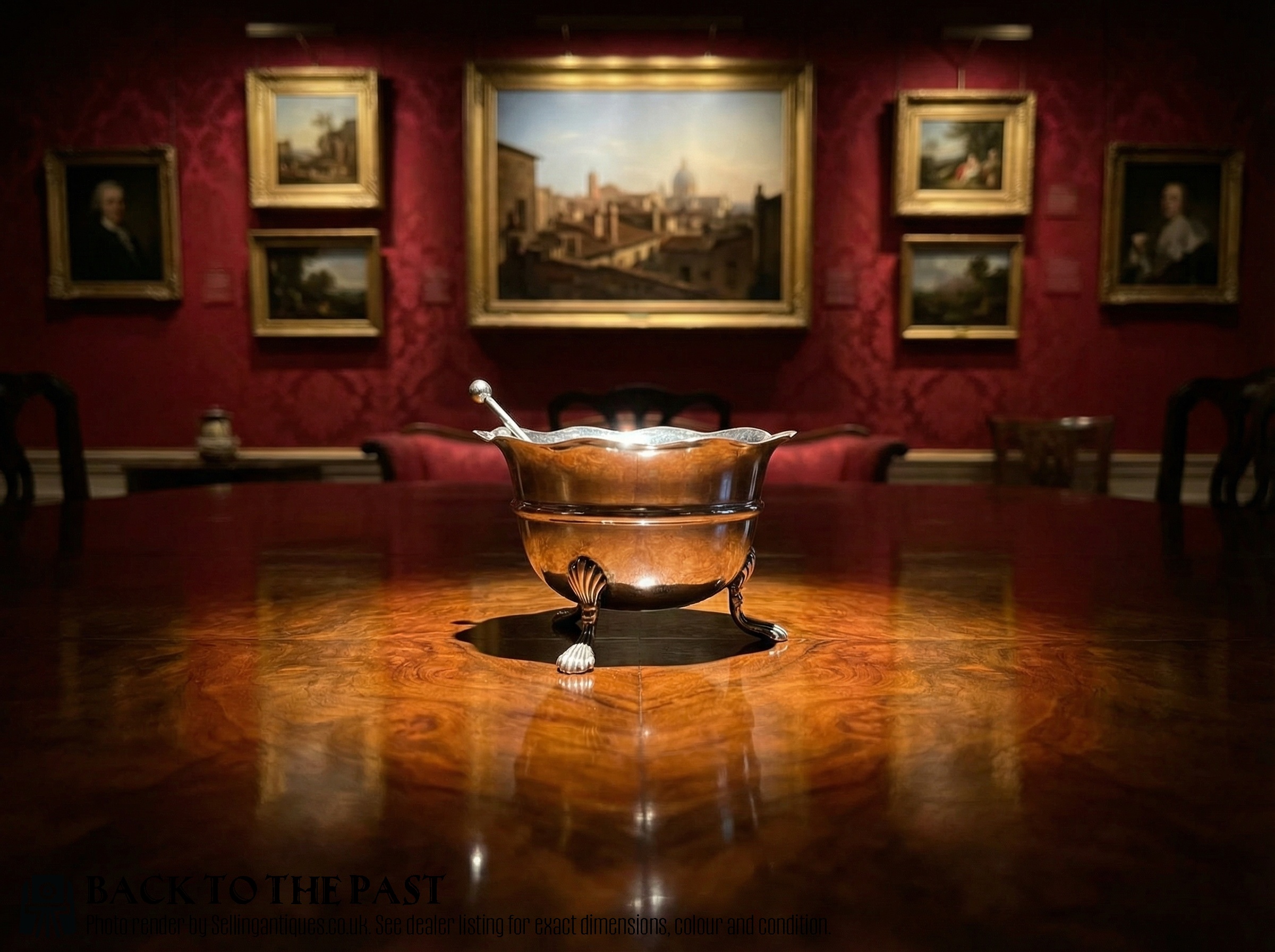
When searching for antique sterling salt dishes, collectors encounter small tableware items designed to hold seasoning on the dining table. These vessels emerge primarily from Victorian, Edwardian, and Georgian periods, taking forms such as pedestal dishes, salt cellars, and small bowls.
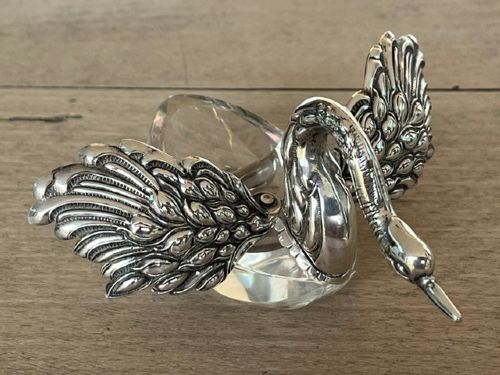
Makers and silversmiths utilised sterling silver alongside glass, crystal, and vermeil finishes. Styles range from traditional Georgian and French Rococo to Art Nouveau and Arts and Crafts aesthetics.
How they were made
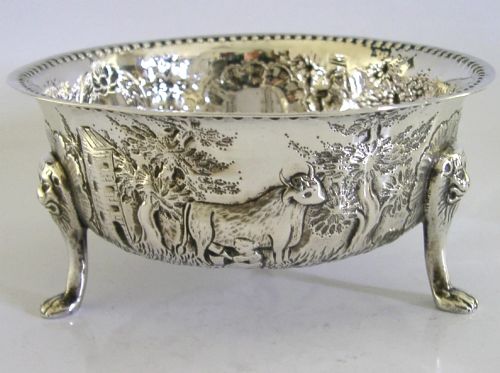
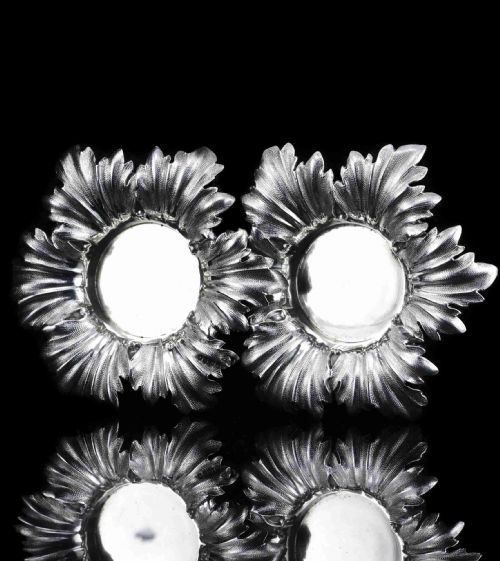
Silversmiths formed these pieces using solid sterling silver, often shaping the metal through casting, hammering, and detailed chasing. Naturalistic motifs like foliate designs and flower patterns required precise hand toolwork across the surface of the bowl or dish.
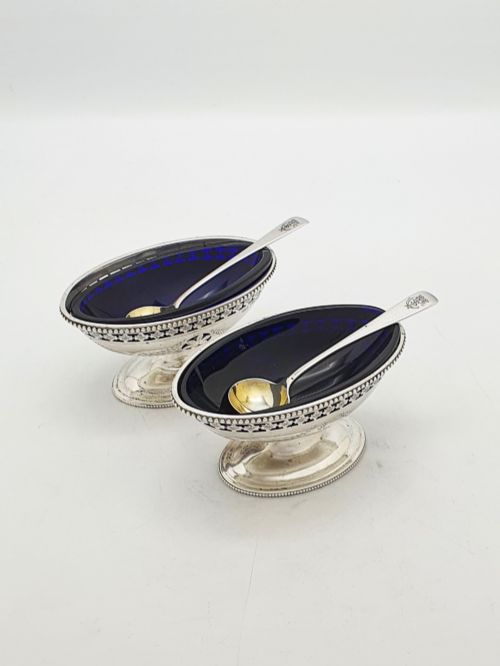
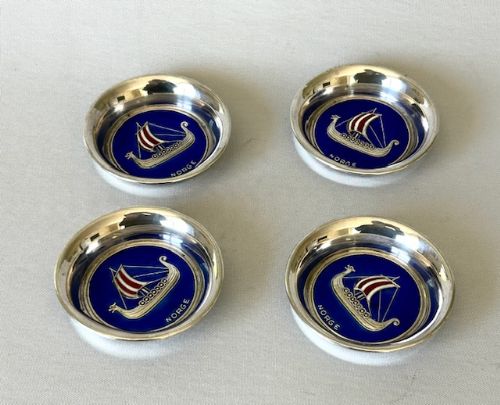
Many open salt cellars incorporate removable glass liners in cobalt or blue shades, designed to protect the silver from corrosion by saline contents. Master craftsmen also applied interior gilding, known as vermeil or silver gilt, to provide a warm contrast against the polished exterior silver.
Listings feature sterling silver combined with cobalt glass, crystal, and vermeil across Victorian, Edwardian, and Georgian periods.
What varies in quality
The distinction between standard domestic pieces and superior examples lies in the depth and clarity of ornamentation. Finely chased foliate designs, naturalistic flower details, and crisp rococo casting demonstrate a higher level of workshop skill.
Completeness significantly influences the standing of a piece, particularly the presence of original matching spoons and intact cobalt or blue glass liners. Matched pairs and sets originating from known master silversmiths represent a more accomplished standard of production.
Barnards·William Bateman·Edward Farrell·Georg Jensen·Paul Storr·Thomas Smily·Vale Brothers and Sermon
The Antique Sterling Salt Dishes Glossary
- Salt cellar
- A small open dish placed on the dining table to hold loose salt before the invention of the spring-loaded shaker. These vessels are frequently paired with small condiment spoons.
- Vermeil
- Sterling silver that has been plated with a thin layer of gold on the interior surface. This technique protected the silver from the corrosive properties of salt.
- Cobalt glass
- A deep blue glass blown or moulded to fit inside open silver salt cellars. The vibrant colour provides a striking visual contrast beneath the silver rim.
- Chasing
- A metalsmithing technique where designs are hammered into the front surface of the silver rather than cut away. This method raises relief patterns such as foliage and flowers without removing metal.
Antique Sterling Salt Dishes: Frequently Asked Questions
How were salt dishes used?
Diners used salt cellars to hold dry salt at the table, taking a pinch using fingers or a small salt spoon. The salt was then placed directly onto the edge of the dinner plate rather than shaken over food.
Open vessels required glass liners to prevent the salt from reacting chemically with the silver body over time.
How do I date antique salt dishes?
Dating relies heavily upon assay office hallmarks stamped directly onto the sterling silver body. These tiny marks indicate the city of testing, the maker's mark, and a specific date letter.
Stylistic cues such as Georgian simplicity versus Victorian chased rococo work also help narrow the manufacturing period.
What are cobalt glass liners?
Cobalt glass liners are removable bowls fitted inside open silver salt cellars. They served a practical purpose by keeping corrosive salt away from the precious metal.
Original blue liners add considerable desirability to antique sets when they survive intact.
How should I clean antique silver?
Cleaning requires a soft cloth and specialised silver polish designed to remove tarnish gently. Harsh abrasives must be avoided to preserve fine chased details and hallmarks.
Glass liners should be removed and washed separately in warm soapy water.