

Antique Staffordshire Porcelain
These antique staffordshire porcelain pieces bring domestic animals, figures, and tablewares from past centuries directly into modern rooms.
Antique Staffordshire Porcelain
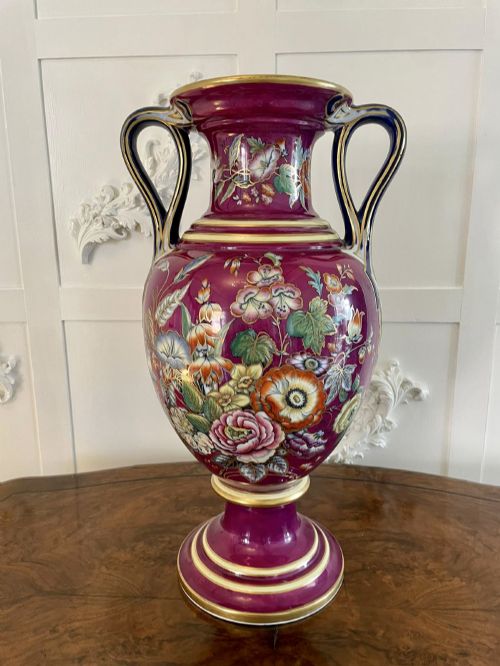
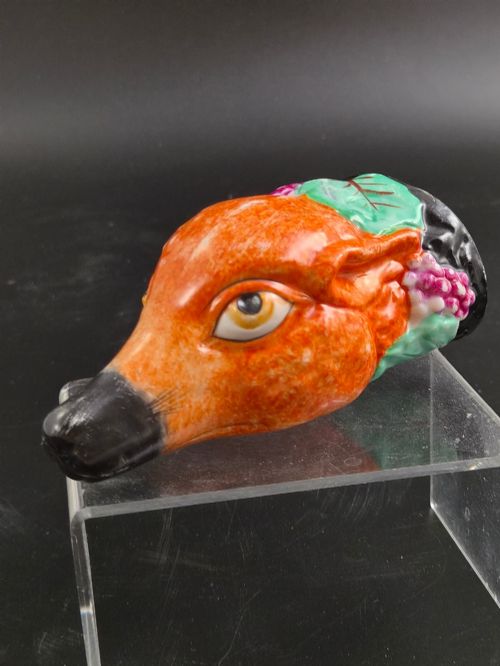
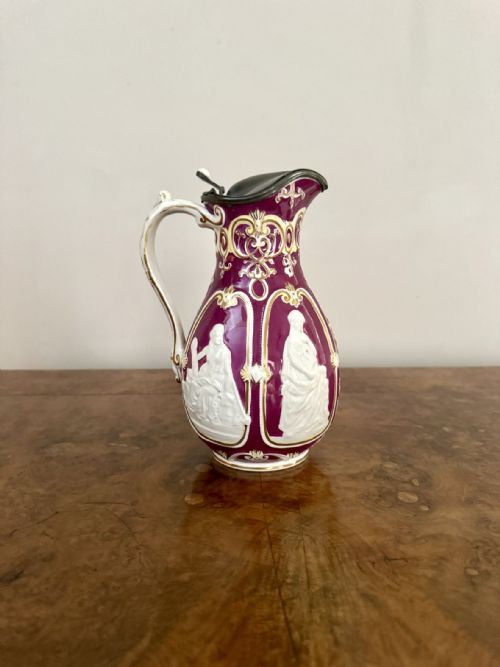
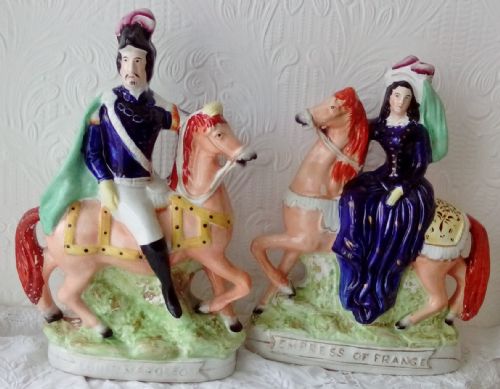
When you search for antique staffordshire porcelain, you encounter a varied assortment of ceramic objects spanning the Georgian, Regency, and Victorian eras. The selection on this page consists chiefly of decorative figurines, spill vases, jugs, plates, and animal groups fashioned in regional potteries.
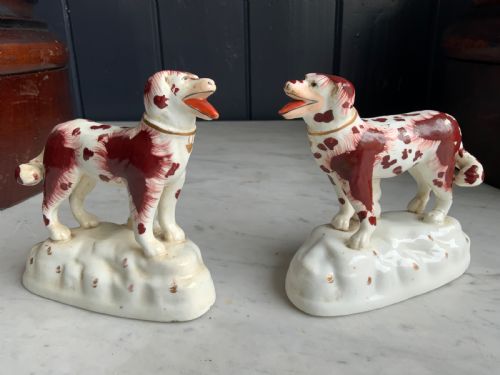
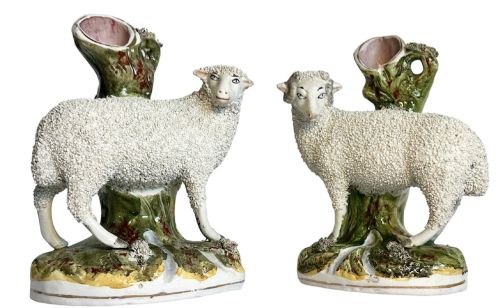
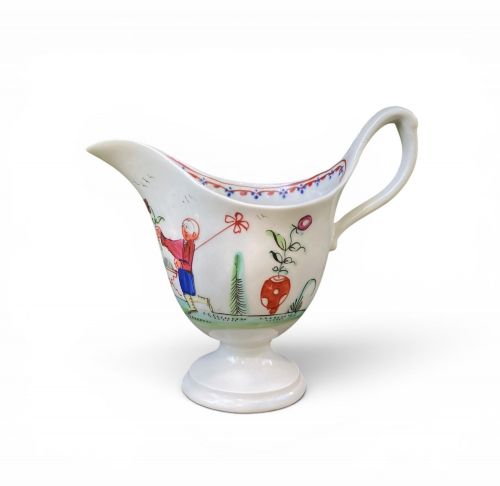
Figurines and animal pairs, particularly spaniels, greyhounds, and sheep, dominate the forms you will meet here. Alongside these sculptural pieces, you find functional tablewares such as chargers, cream jugs, dessert sets, and vases decorated with hand-painted motifs or transfer printing.
How They Were Made
The material evidence shows pieces formed from porcelain, ironstone, pearlware, and standard earthenware, frequently finished with lead glaze. Potters built sculptural figures and animals using moulds before applying hand-painted details, enamel colours, and occasional gold leaf or gilt highlights.
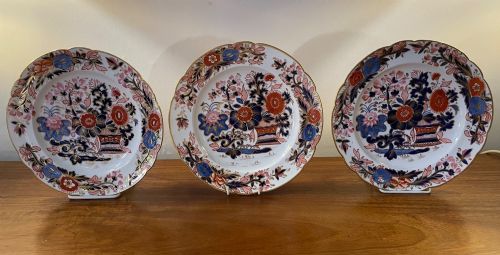
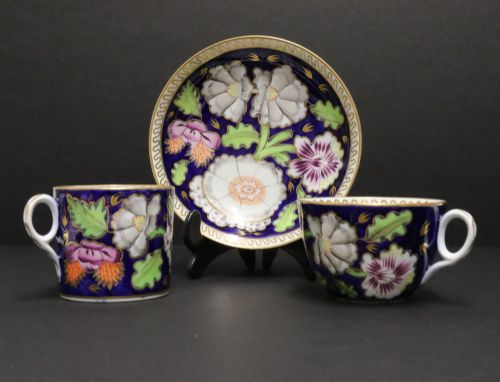
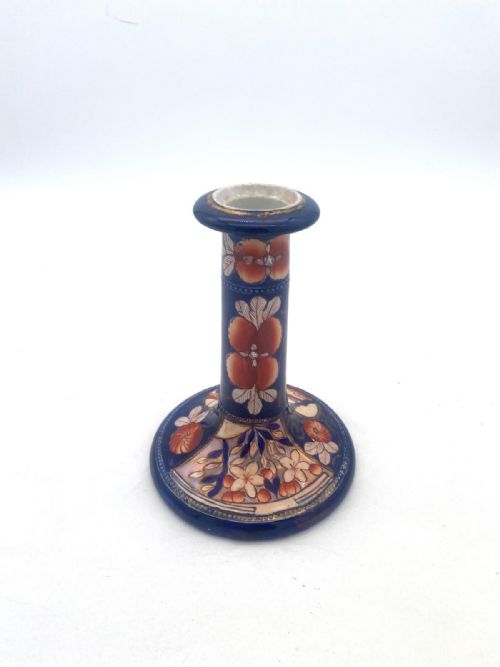
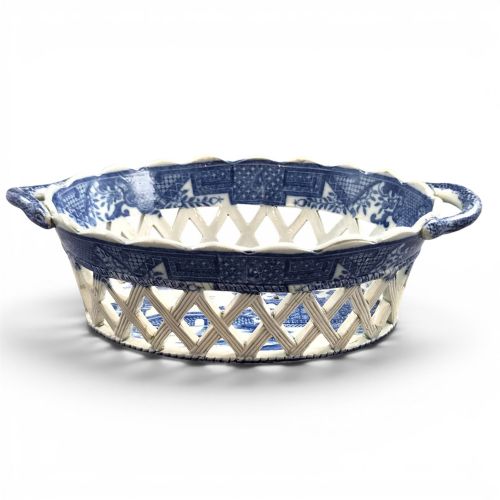
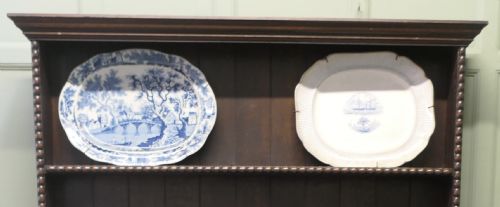
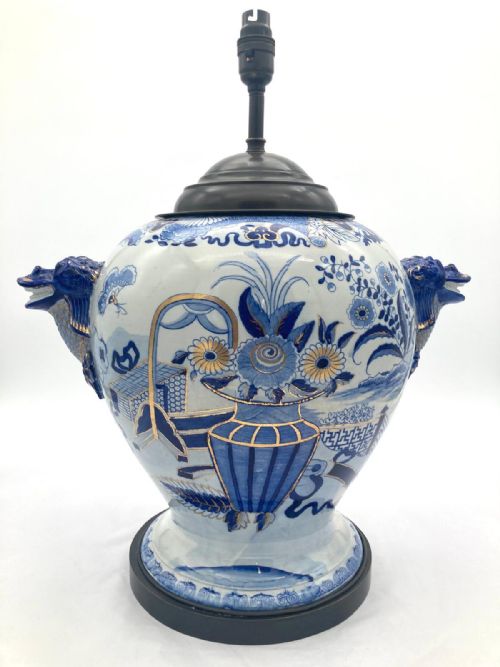
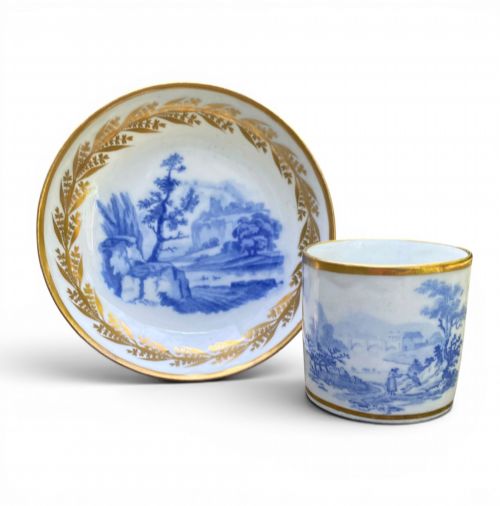
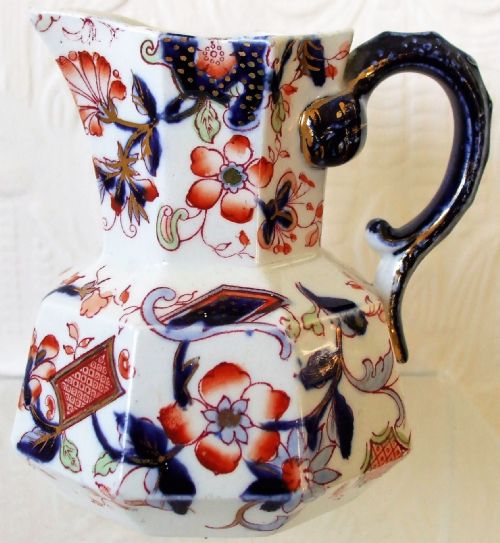
Transfer printing offered a reliable method for transferring intricate blue and white patterns onto plates and chargers. Many items combined moulded ceramic bodies with hand-decoration, utilising the Imari palette or cobalt blue underglazes common to the nineteenth century.
Transfer-printed chargers and hand-painted dessert sets represent the functional tablewares recorded here.
What Varies in Quality
Quality rests upon the crispness of the original moulding and the precision of the hand-painting applied to the ceramic surface. Pieces that retain clean facial expressions on figures and sharp details on transfer prints stand apart from simpler or heavily worn examples.
The depth and richness of the enamel colours, alongside the careful placement of gilt highlights or gold leaf, distinguish finer cabinet pieces from standard production wares. Intricate forms such as reticulated baskets and multi-figure groups demonstrate greater technical ambition from the workshop.
New Hall·Masons Ironstone·Hicks and Meigh·Keeling and Co·John Bevington·John Ridgway·Thomas Parr·Crown Staffordshire
The Antique Staffordshire Porcelain Glossary
- Pearlware
- A refined earthenware developed in the late eighteenth century featuring a subtle bluish glaze that pools in crevices. It served as a popular substitute for true porcelain before mid-nineteenth-century ceramic bodies took precedence.
- Spill vase
- A small hollow cylindrical vessel designed to hold taper spills for lighting candles and fires. Staffordshire potters frequently modelled these as tree trunks beside standing animals or human figures.
- Imari palette
- A decorative scheme inspired by Japanese export wares, utilising cobalt blue, iron red, and gilt. Makers applied this distinct combination to plates, cups, and vases throughout the nineteenth century.
- Transfer printing
- A technique for transferring engraved designs from a copper plate onto ceramic surfaces via tissue paper. It allowed potteries to produce consistent blue and white patterns across large sets of plates and chargers.
- Ironstone
- A heavy, durable ceramic patent introduced in the nineteenth century to withstand daily use. It provided a robust body for large vases, jugs, and soup bowls produced by factories like Mason's.
Antique Staffordshire Porcelain: Frequently Asked Questions
What are Staffordshire comforter spaniels?
These seated ceramic dogs were produced in pairs to sit upon cottage mantelpieces facing inward toward each other. Victorian households used them as decorative ornaments to bring warmth and symmetry to hearths.
You frequently encounter them modelled with gold chains and white coats, reflecting popular pets of the nineteenth century. Their production spanned several decades with varying sizes and facial expressions.
How do I date antique Staffordshire porcelain?
Dating relies upon stylistic markers, ceramic bodies, and recorded maker marks when present on the base. Regency pieces often display neoclassical motifs, whereas mid-nineteenth-century items show bolder Victorian colours and transfer prints.
Examining the glaze and the weight of the earthenware or ironstone helps narrow the production window. Archive records and historical pattern numbers provide further context for specific factories.
Were these figures meant for display?
Most decorative figurines, animal groups, and spill vases served strictly decorative purposes on mantelpieces and cabinets. They reflected contemporary tastes for pastoral scenes, literary characters, and domestic pets.
Functional items like jugs, cream cans, and plates saw actual daily use in dining rooms. Over time, many surviving utility pieces transitioned into cabinet collections due to their hand-painted decoration.
What is a spill vase used for?
A spill vase held rolled paper tapers known as spills, which people used to transfer flames from the hearth to candles and lamps. They sat conveniently near fireplaces in domestic rooms.
Potters often combined this practical function with sculptural animal or botanical forms. Deers, birds, and tree trunks served as common subjects for these hollow vessels.