


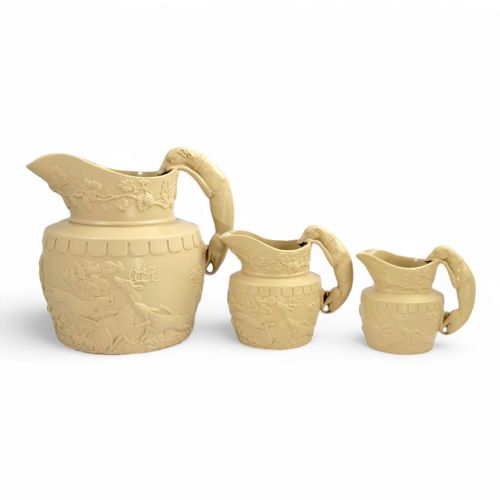


Regency Milk Pitcher
A regency milk pitcher brings the distinct elegance of the early nineteenth century to the table, offering both practical utility and decorative grace.
Regency Milk Pitcher
When you search for a regency milk pitcher, you are looking at small vessels designed to serve cream or milk during tea and breakfast service. These pieces capture the design ethos of the early nineteenth century, bridging late Georgian taste and the Regency period.
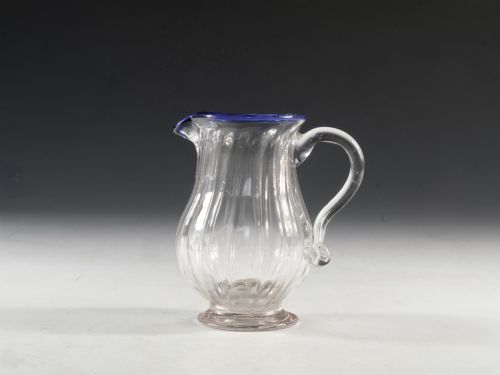
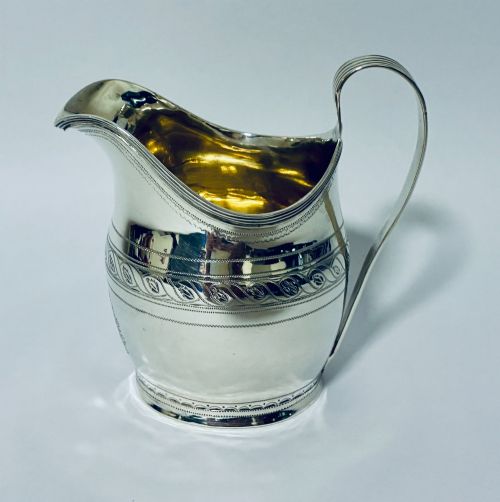
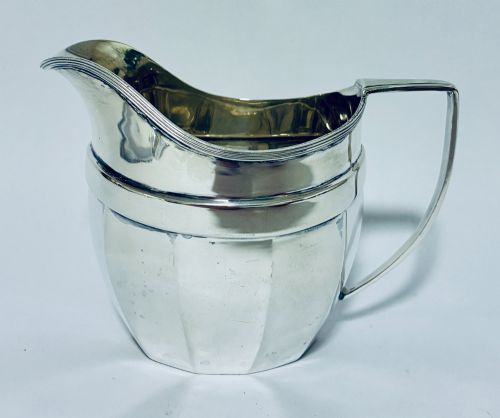
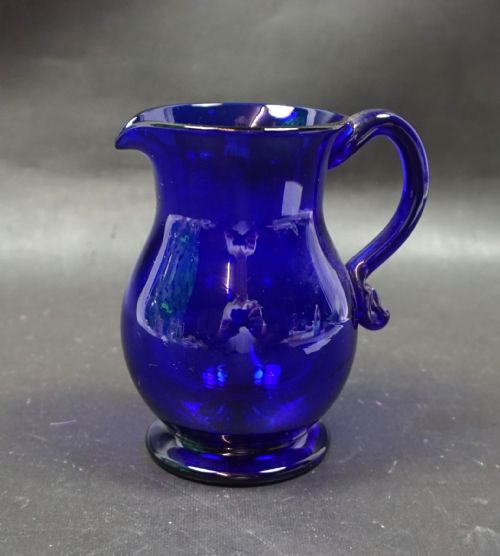
The versions you are most likely to meet on this page include sterling silver cream jugs, delicate porcelain jugs from notable makers, and earthenware or glass pitchers. Forms range from simple faceted shapes to more elaborate oriental-inspired and armorial designs.
Originating primarily from English potteries, silversmiths, and glasshouses, these items reflect the domestic rituals of their era. They survive in various materials, showing how households of different means enjoyed their tea.
How they were made
Makers fashioned silver jugs through hammering and soldering sterling silver, occasionally employing Sheffield plating over a base metal core. Silversmiths added handles and decorative rims, sometimes finishing pieces with hallmarks that record the year of creation.
Porcelain and earthenware pitchers took shape through throwing or moulding clay before skilled artisans applied hand-painted enamels, gilding, and transfer prints. Factories utilised local minerals and specialised kilns to achieve the fine glazes seen on Derby, Worcester, and Daniel wares.
Glass examples relied on lead glass blowing and cutting techniques, resulting in faceted bodies and applied coloured rims. These varied manufacturing methods produced robust everyday utensils alongside highly ornamental display items.
The selection includes pieces spanning the Georgian, Regency, and Victorian periods.
What varies in quality
The standard of a piece depends heavily on the crispness of its modelling and the precision of its decoration. Hand-painted porcelain displays superior artistry when the enamel colours remain vibrant and the brushwork shows individual care rather than hasty mass production.
In silver and plated wares, quality rests on the weight of the metal, the balance of the handle, and the clarity of any engraved armorial crests or hallmarks. Thicker silver resists dents and maintains its structural integrity through centuries of handling.
The choice of material and the reputation of the workshop also dictate the standing of a vessel. Pieces bearing the marks of established porcelain factories or skilled silversmiths demonstrate a higher grade of design and execution.
H and R Daniel Porcelain·Chamberlain Worcester Porcelain·Phillips and Bagster·William Hunter
The Regency Milk Pitcher Glossary
- Sterling silver
- A silver alloy containing ninety-two point five percent pure silver and seven point five percent other metals, valued for durability in tableware.
- Sheffield plated
- An early method of fusing a thin sheet of silver to a copper base, creating affordable tableware with the appearance of solid silver.
- Armorial
- Decorated with a heraldic coat of arms or crest, usually commissioned by a specific aristocratic or landed family.
- Gilding
- The application of a thin layer of gold leaf or gold paint to porcelain or metal surfaces for ornamentation.
- Lead glass
- Glass containing lead oxide, which increases the weight, clarity, and brilliance of the vessel.
- Chinoiserie
- A European artistic style reflecting Chinese motifs and decorative themes, popular during the Regency period.
Regency Milk Pitcher: Frequently Asked Questions
Were these pitchers used only for milk?
While primarily intended for serving milk or cream alongside tea, households adapted them for various liquids depending on the meal. Their forms suited any table setting requiring a small pouring vessel.
Some larger pitcher forms accommodated water or cider, but the smaller cream jugs remained dedicated to dairy service.
How can I tell a Regency piece from a Victorian one?
Regency pieces often display specific neoclassical design elements, such as restrained classical shapes, delicate painted motifs, or gadroon borders. Victorian items frequently introduce heavier ornamentation and different stylistic revivals.
Checking for silver hallmarks or factory backstamps provides a precise date range to confirm the period of manufacture.
Are porcelain jugs fragile?
Early porcelain and earthenware possess a delicate structure that requires careful handling during use and cleaning. Avoiding sudden temperature changes prevents thermal shock to the ceramic body.
Storing them away from high-traffic edges protects the handles and spouts from accidental chips.
What is yellow ware?
Yellow ware is a type of heavy earthenware named for its characteristic yellow or buff-coloured clay body. Potters often decorated these pitchers with slip or hound handles for a distinctive appearance.
Originating in the nineteenth century, these pitchers provided durable utility in domestic kitchens.