

Antique Staffordshire Pitcher
An antique staffordshire pitcher holds decades of character, carrying the weight of utilitarian history and vernacular skill into a modern room.
Antique Staffordshire Pitcher
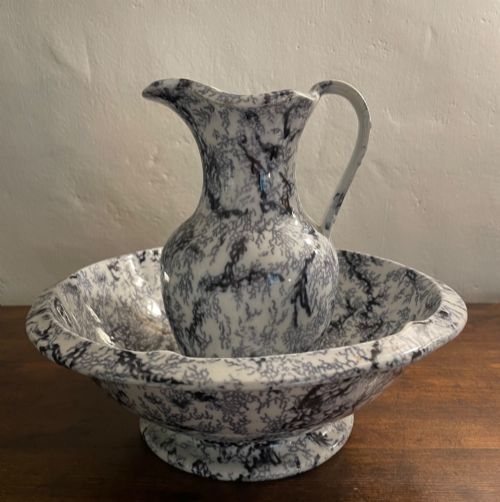
Every antique staffordshire pitcher carries a distinct domestic or commemorative purpose, shaped to serve water, milk, or ale in homes and halls. The selections here span the Georgian and Victorian eras, encompassing robust earthenware, pearlware, and creamware forms.
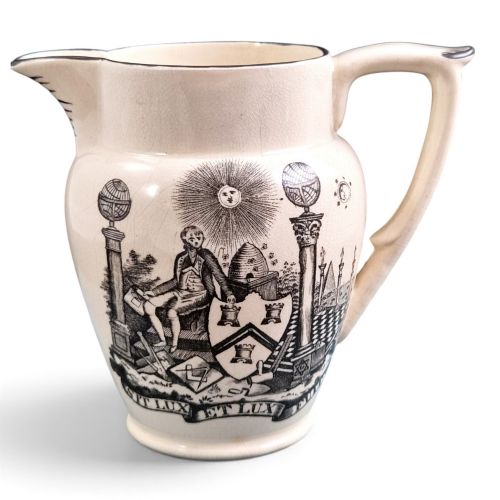
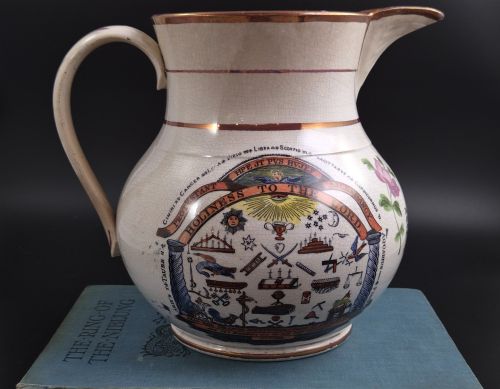
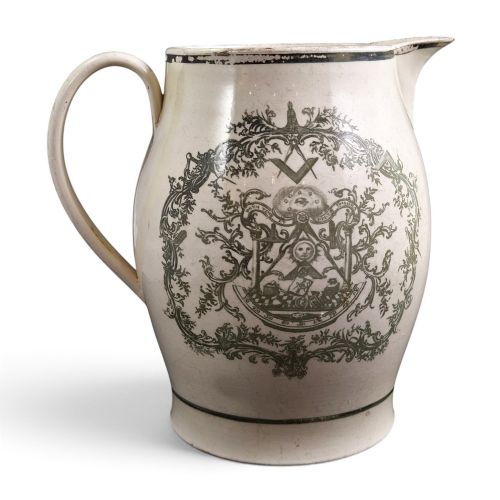
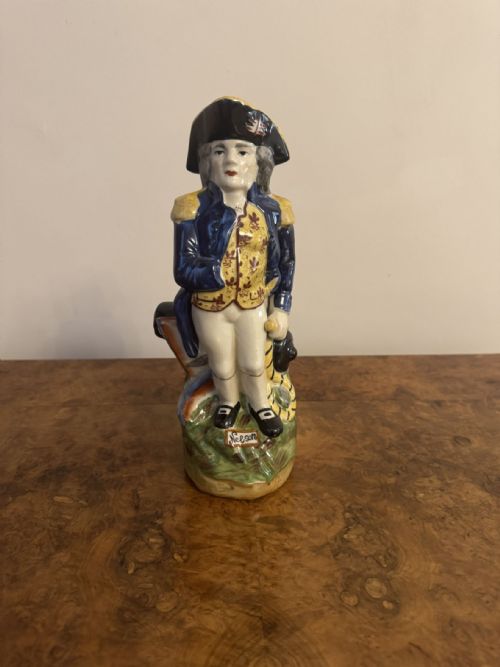
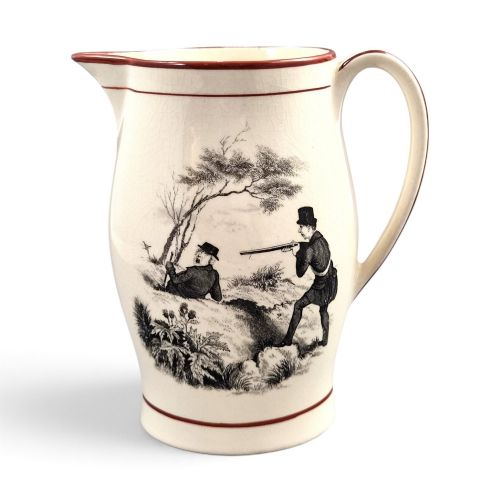
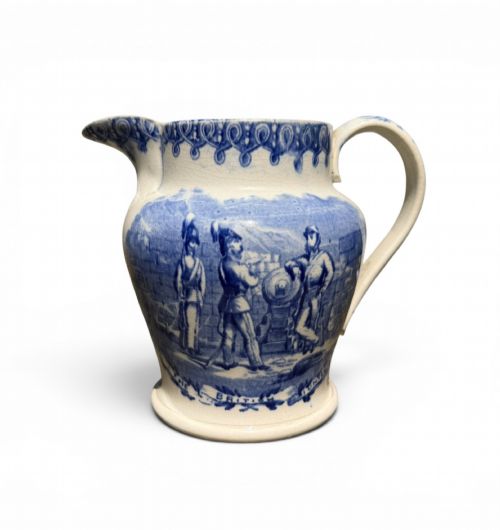
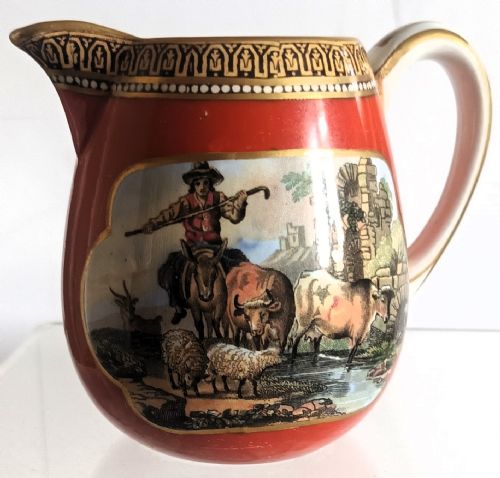
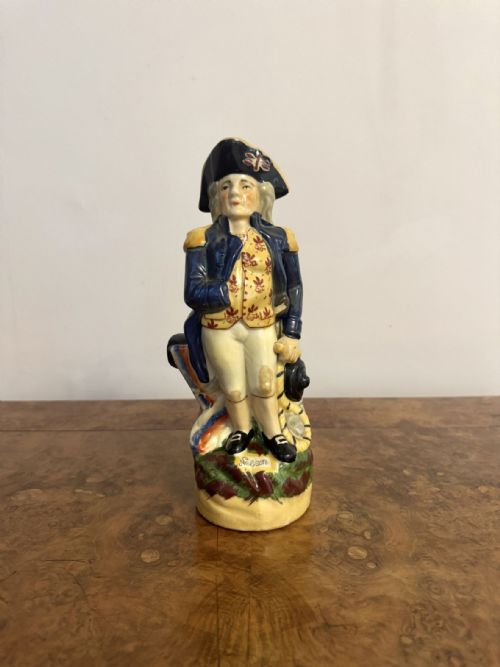
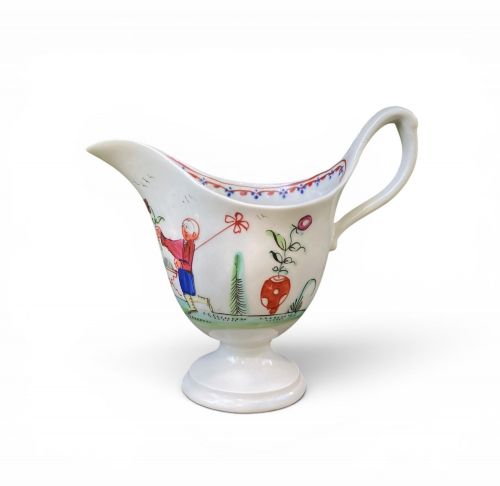
Collectors encounter everything from large transfer-printed water jugs to diminutive creamers and characterful Toby jugs depicting figures like Lord Nelson. These vessels frequently display commemorative themes, Masonic symbols, or pastoral scenes reflecting contemporary society.
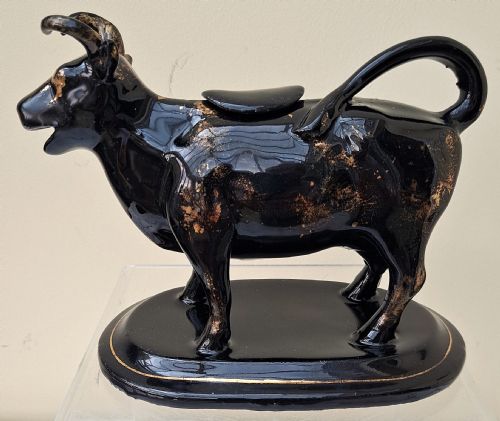
Regional potteries produced these items across the eighteenth and nineteenth centuries, merging practical utility with vernacular artistry. Their forms range from faceted bodies to moulded cow creamers and puzzle jugs designed for amusement.
How They Were Made
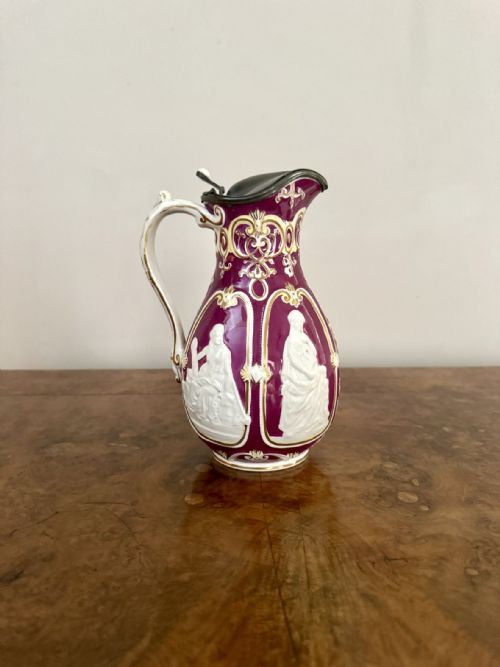
Potters utilised local earthenware, creamware, and pearlware bodies, shaping them by hand or utilising moulds to achieve relief patterns. Cabbage leaf mouldings, bacchanalian scenes, and gadroon borders emerged directly from these skilled moulding techniques.
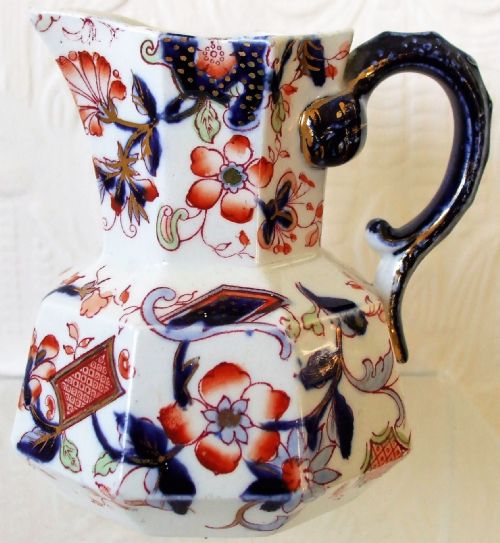
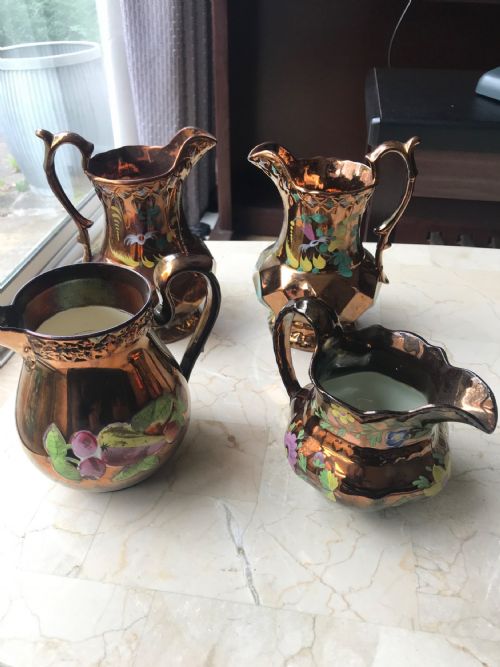
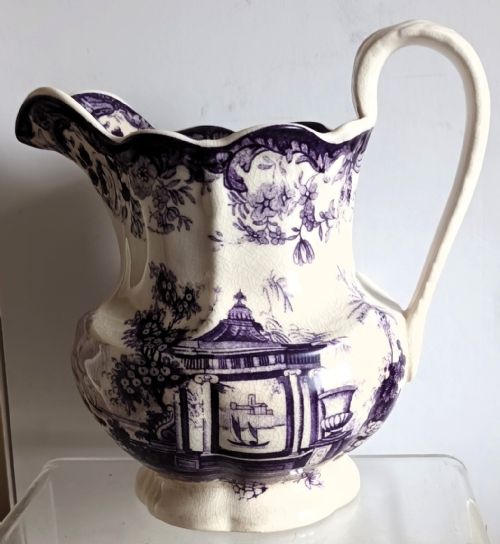
Decoration relied heavily on underglaze transfer printing in blue, magenta, or black, alongside hand-applied polychrome enamels and copper lustre glazes. Firing in traditional kilns fixed these pigments beneath glossy lead glazes, sealing the porous ceramic bodies underneath.
The inventory highlights transfer-printed decoration in blue, magenta, and black, complemented by copper lustre and hand-painted polychrome enamel highlights.
What Varies in Quality
The complexity of the glaze and enamel work further separates the grades, with rich copper lustre and multi-coloured polychrome painting demanding greater skill than simple monochrome designs. Preservation of these delicate surface decorations over generations maintains the integrity of the piece.
Charles Meigh·Jones and Walley·Keeling and Co·New Hall·H and R Daniel
The Antique Staffordshire Pitcher Glossary
- Creamware
- A refined light-coloured earthenware developed in the eighteenth century, known for its warm yellowish glaze. Josiah Wedgwood perfected this durable body, which became a staple for domestic jugs.
- Pearlware
- An improved earthenware body containing a small amount of cobalt in the glaze to neutralize the natural yellow tint. This innovation created a subtle blue-white surface popular around the turn of the nineteenth century.
- Transfer printing
- A method of applying detailed decorative patterns to ceramic wares using engraved copper plates and tissue paper. This technique allowed intricate topographical and narrative scenes to be replicated consistently.
- Copper lustre
- A metallic pottery glaze finish that produces a reflective, coppery sheen across the surface of the vessel. Potters achieved this effect by introducing metallic oxides into the kiln during firing.
- Toby jug
- A figurative ceramic pitcher depicting a hearty, stout man usually seated and holding a mug of beer or a pipe. These humorous vessels often wore traditional eighteenth-century attire and tricorn hats.
Antique Staffordshire Pitcher: Frequently Asked Questions
How do I date a Staffordshire pitcher?
Dating relies on observing material characteristics such as the transition from creamware to pearlware, alongside stylistic clues in the transfer prints and clothing details of figurative pieces. Period markers like Georgian regency curves or Victorian classical revival motifs help narrow the decade of manufacture.
Potters often updated their moulded patterns to reflect contemporary events or political figures, providing a clear historical anchor. Comparing the base fabric and glaze type against known production eras confirms the age.
Were these pitchers used daily?
Many of these vessels served practical roles on dining tables and in bedchambers for pouring water, milk, or ale. Domestic wear patterns and larger gallon capacities indicate they were built for active household service rather than static display.
Commemorative and Masonic jugs might have seen special use during lodge meetings or public celebrations before transitioning to cabinet pieces. Their robust earthenware construction ensured they could withstand regular handling.
How should I display my jug?
Placing these ceramic pieces on sturdy shelving or within enclosed cabinets protects them from accidental knocks and heavy foot traffic vibrations. Ensuring stable, level placement preserves pitchers that feature heavy handles or specialised pouring spouts.
Good natural light highlights the transfer-printed details and metallic lustre finishes without exposing the enamel colours to harsh direct sunlight. Grouping pieces by similar pearlware or creamware tones creates a cohesive aesthetic display.
What is a cow creamer?
A cow creamer is a novelty ceramic jug shaped like a cow, designed to hold cream and pour it from the animal's mouth. These charming forms were particularly popular in English potteries during the Georgian and Victorian periods.
Fillers placed on the cow's back allowed cream to be poured into the hollow body during tea service. They represent a playful intersection of utility and animal sculpture in folk art ceramics.