



19th Century Creamware
These 19th century creamware items are durable earthenware vessels and utility pieces valued for their warm glaze and utility.
19th Century Creamware
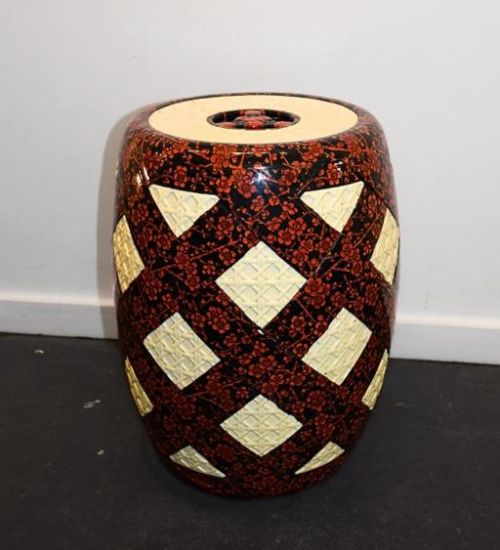
Buyers seeking 19th century creamware encounter a diverse range of utilitarian and decorative objects spanning the Georgian, Regency, and Victorian periods. The selection encompasses large footbaths, jugs, pitchers, garden seats, and ceramic cheese domes.
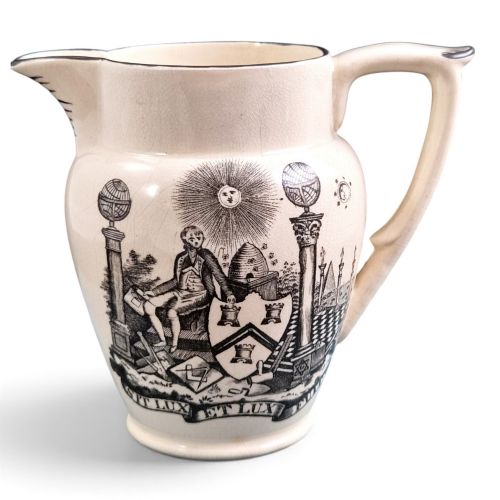
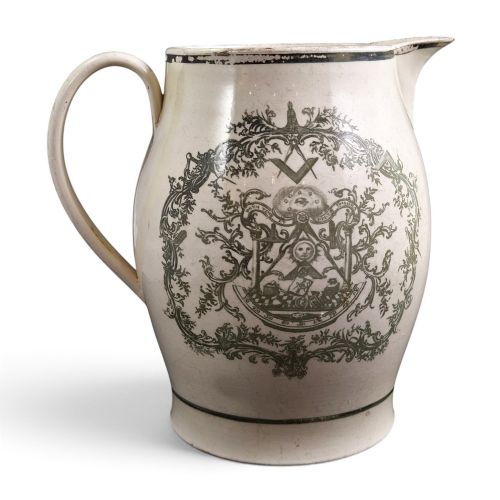
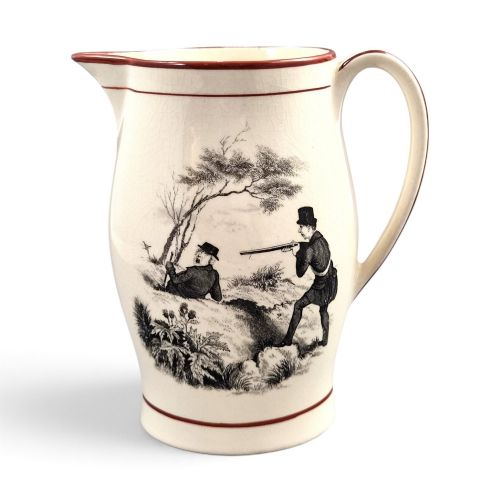
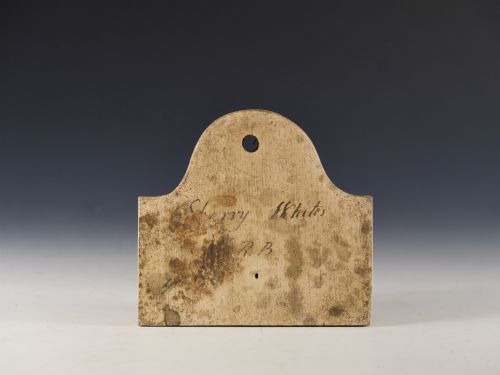
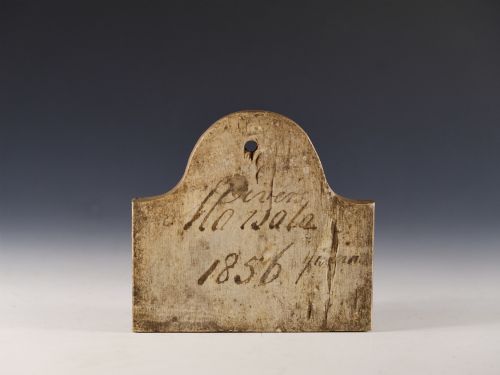
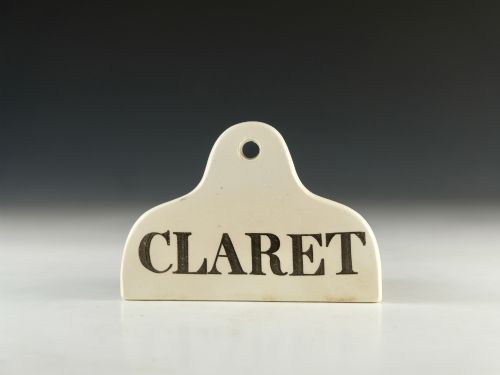
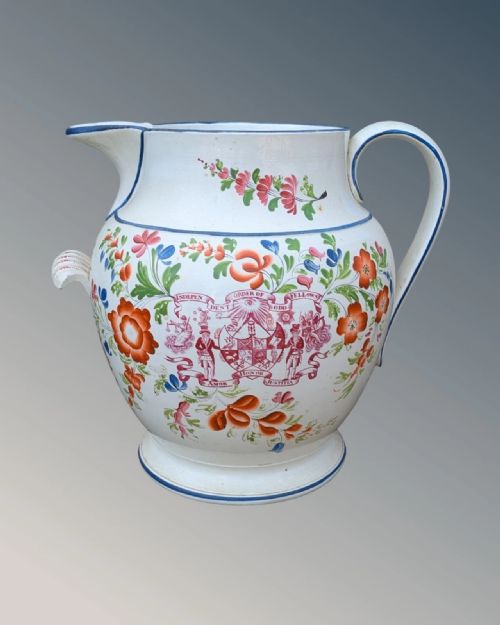
Jugs and mugs form a significant portion of these pieces, often decorated with transfer printing or specific motifs like masonic symbols. Alongside these drinking vessels appear specialised domestic items such as dairy plates, jelly moulds, and cellar bin labels.
Larger sanitary and display items also emerge within this category, including knee baths and shop display stands. These diverse forms demonstrate the adaptability of the ceramic body across different domestic and commercial settings.
Materials and construction
Potters produced these objects using refined earthenware bodies coated in a characteristic pale glaze that yields the signature cream tone. Some variations incorporated pearl glaze or pearlware techniques to achieve a whiter surface finish.
Decoration relied heavily on black or blue transfer printing applied beneath or over the glaze, alongside hand-painted elements and occasional gold leaf accents. Piercing and moulding techniques shaped complex items like chestnut baskets and patterned jelly moulds.
Listings feature earthenware and pearlware forms spanning the Georgian, Regency, and Victorian periods, including garden seats and cellar bin labels.
Standards of execution
Quality in these pieces rests upon the crispness of the transfer print and the evenness of the glaze application across complex moulded surfaces. Finer examples display precise detailing in relief-moulded motifs and well-balanced forms.
The sophistication of the original function and the complexity of the object shape dictate the standing of individual pieces. Substantial utility items with intact surfaces and clear historical associations command greater attention from collectors.
Minton·Wedgwood·Parnall and Sons·Copeland
The 19th Century Creamware Glossary
- Creamware
- A refined earthenware body developed in the eighteenth century, known for its pale yellowish glaze. It became a staple of British potteries through the nineteenth century.
- Pearlware
- An earthenware body featuring a thin glaze with a bluish tint, designed to mimic the appearance of Chinese porcelain. It often overlaps chronologically with standard creamware production.
- Transfer printing
- A decoration technique where an engraved metal plate transfers a design onto paper, which is then pressed onto the ceramic body. This method allowed for intricate pictorial scenes and text.
- Cellar bin label
- A small ceramic plaque used in wine cellars to identify specific vintages or types of wine. These pieces typically feature dark transfer-printed lettering.
- Jelly mould
- A rigid ceramic or earthenware form used for shaping jellies and aspics. They frequently feature complex interior motifs such as fruit or animals.
19th Century Creamware: Frequently Asked Questions
What is 19th century creamware?
It is a refined light-coloured earthenware produced across the nineteenth century in Britain. The body is covered in a transparent lead glaze that creates a warm, creamy tone.
Potteries utilised this durable ceramic for everything from large dairy vessels and footbaths to tableware and decorative garden seats.
How do I identify a period piece?
Examination of the glaze, weight, and potting technique helps determine the era of manufacture. Early nineteenth-century pieces often display distinctive pearl glazes or hand-painted details.
Makers' marks and specific transfer-printed subjects, such as masonic insignia or named historical events, also provide reliable chronological markers.
Were these items used daily?
Many of these objects served heavy domestic or commercial duties in dairies, cellars, and kitchens. Footbaths, cheese domes, and jelly moulds were active participants in nineteenth-century household management.
Other items like commemorative jugs and cat figures occupied decorative or social roles in parlours and taverns.
How should I care for creamware?
Gentle cleaning with warm water and mild soap preserves the historical glaze and any delicate transfer printing or gold leaf. Modern dishwashers and harsh abrasives risk damaging the aged ceramic surface.
Displaying pieces away from direct sunlight and extreme temperature fluctuations protects the earthenware body from unnecessary stress.