




Vintage Milk Jug
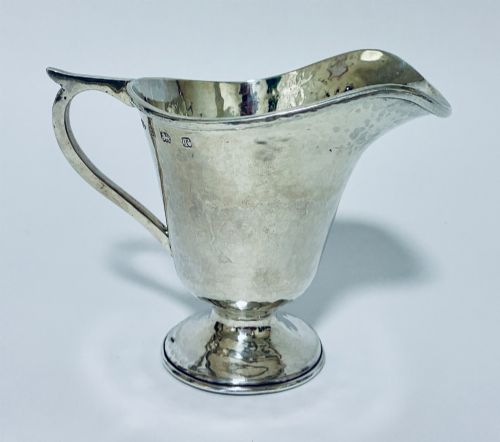
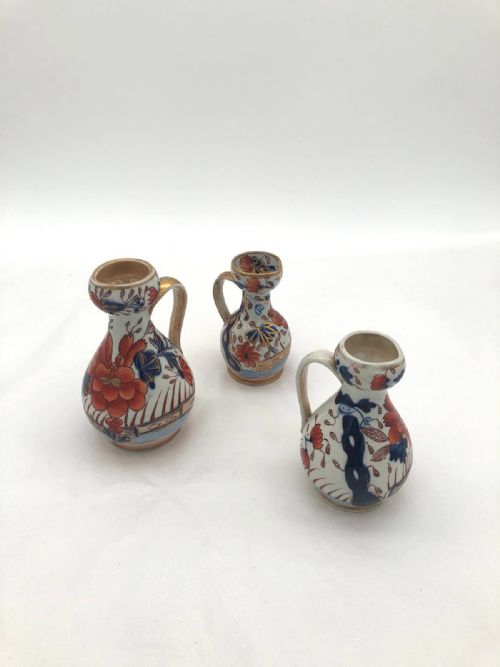
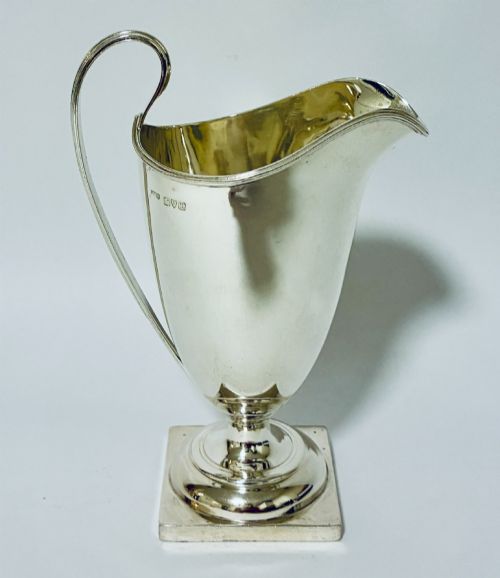
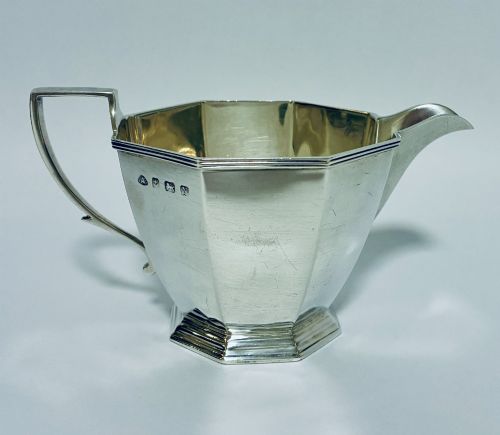
A vintage milk jug holds the cream for morning tea, bringing silver, porcelain and earthenware to the table.
Vintage Milk Jug
A vintage milk jug is a small vessel for serving milk or cream, appearing in forms from simple creamers to part of tea sets. The selection ranges across the Georgian, Victorian, Edwardian, and later periods up to the nineteen-thirties.
Makers shaped these jugs in earthenware, porcelain, ironstone, and precious metals like sterling silver and silver plate. Styles stretch from Neoclassical and Regency through Arts and Crafts and Art Deco.
Most examples meet the buyer as ceramic cream jugs with transfer decorations or patterns, alongside solid silver and silver-plated vessels from the nineteenth and twentieth centuries.
How They Were Made
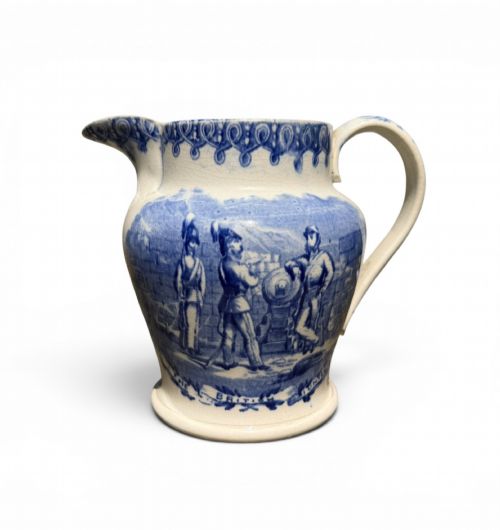
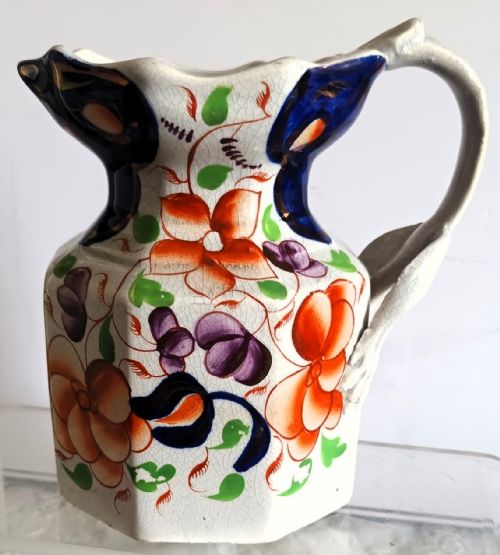
Potters shaped clay, earthenware, and porcelain by hand or on the wheel, often applying glaze and hand-painted or transfer-printed patterns before firing in kilns. Ironstone and pearlware offered durable surfaces for botanical and oriental scenes.
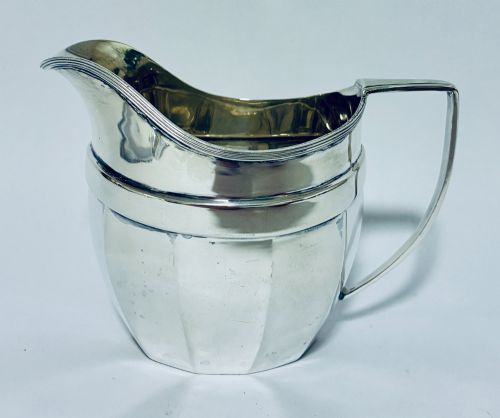
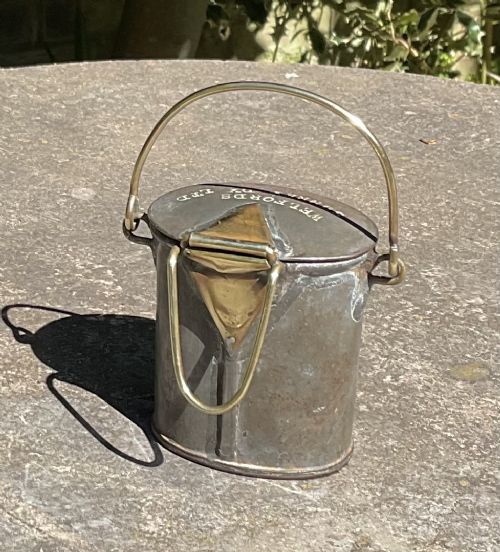
Silversmiths and metalworkers hammered, cast, and soldered sterling silver and silver plate, adding hand-engraved floral designs, woven handles, and applied borders. Sheffield plating fused silver onto copper bases for durable service.
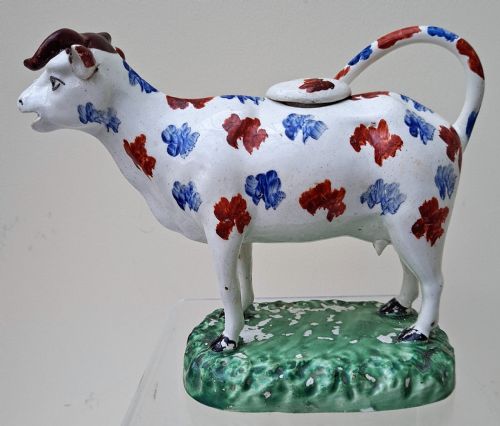
A Welsh pottery cow creamer serves milk through its mouth while the buyer pours from a lid on its back.
What Varies in Quality
Quality rests in the crispness of moulded details, the precision of hand-painted or transfer-printed decoration, and the integrity of the handle and spout attachment. Ceramic vessels show refinement in the thinness of the porcelain and the evenness of the glaze.
Metal jugs depend on the weight of the silver or the preservation of the silver plate over copper, alongside clear hallmarks and clean hand-engraving. Maker attribution and armorial crests add distinction to the piece.
Mason's Ironstone·George Unite·Robert Pringle And Sons·Harrison Brothers And Howson·Livesley Powell And Co·Royal Davenport·Chamberlain Worcester·Royal Worcester
The Vintage Milk Jug Glossary
- Creamware
- A fine earthenware developed in the eighteenth century with a pale yellow or cream-coloured lead glaze. Leeds Pottery produced notable examples.
- Pearlware
- An earthenware introduced in the late eighteenth century featuring a bluish-white glaze that imitated Chinese porcelain. It frequently carried lustre decoration.
- Ironstone
- A dense, durable type of ceramic patented in the nineteenth century to rival porcelain. Mason's produced many decorative jugs in this material.
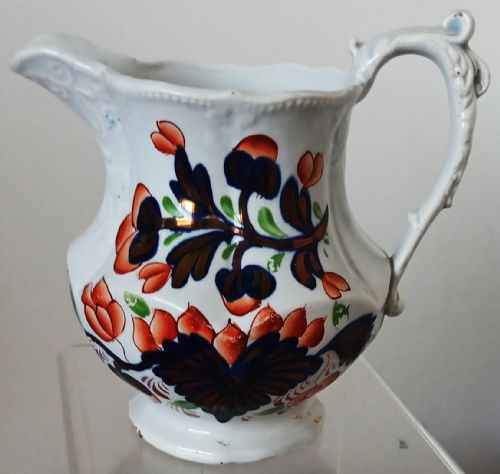
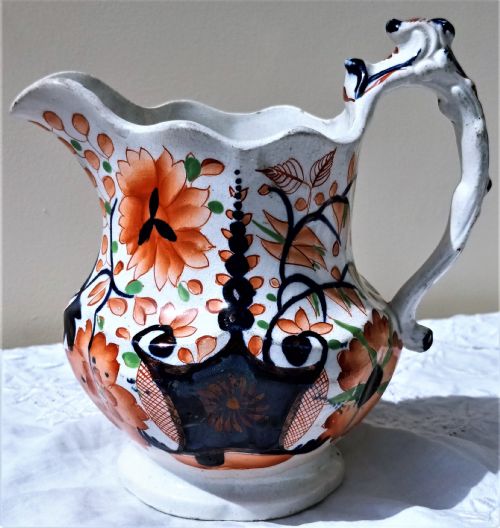
- Gaudy Welsh
- A type of colourful pottery decorated with cobalt blue, copper lustre, and iron-red, popular in the nineteenth century. Patterns included Grape and Pagoda.
- Cow Creamer
- A ceramic or metal vessel shaped like a cow with an opening on the back for milk. These whimsical pieces date back to the Georgian and Regency periods.
Vintage Milk Jug: Frequently Asked Questions
How do I date a silver milk jug?
Check the body for hallmarks which reveal the assay office, standard mark, and date letter assigned to the year of manufacture. Stylistic clues like Neoclassical shapes or Art Deco lines help narrow the decade.
Matching the maker's mark against historical records confirms the exact period of production.
What is the difference between earthenware and porcelain jugs?
Earthenware is opaque, heavier, and fired at lower temperatures, often finished with a thick glaze. Porcelain is finer, vitrified, and sometimes translucent when held to the light.
Porcelain jugs usually display more delicate painted details while earthenware offers robust utility.
Were these jugs used daily?
Most milk jugs and creamers served a practical purpose on tea and breakfast tables across households. They formed part of larger tea sets or stood alone for milk service.
Wear patterns on the base often indicate regular historical use in domestic settings.