




Antique Soumak Rug
An antique soumak rug brings bold tribal geometry and intricate flat-weave construction into a room, offering rich historical texture for collectors and interiors alike.
Antique Soumak Rug
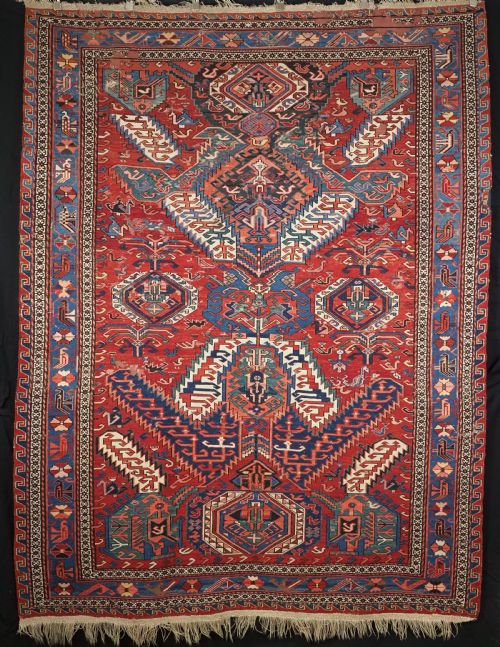
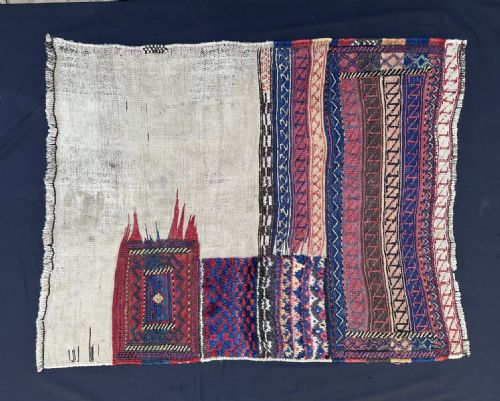
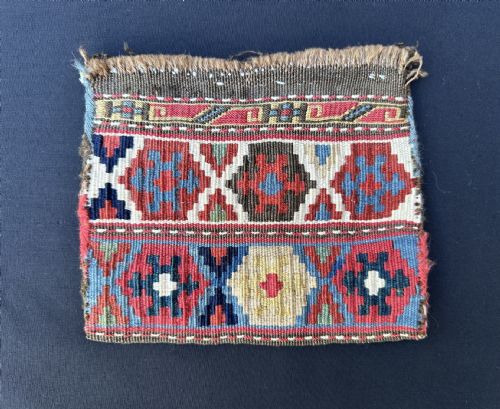
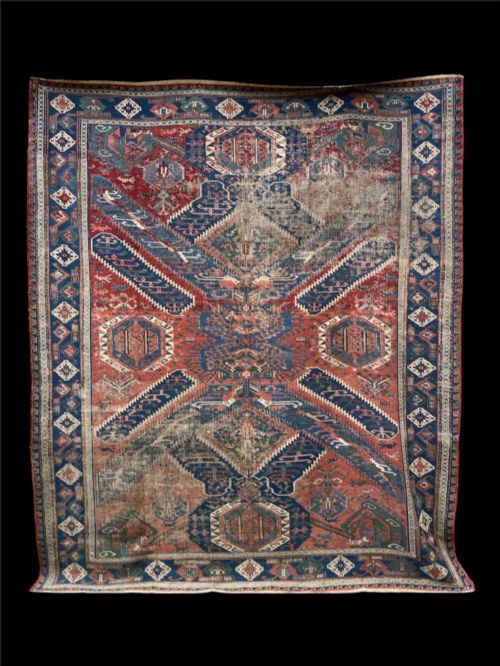
An antique soumak rug is a flat-woven textile created by tribal groups across the Caucasus, Persia, and Central Asia, incorporating distinct regional patterns like medallions, dragons, and geometric motifs. Buyers encounter these textiles in various forms, ranging from large carpets and kilims to smaller functional items such as saddlebags, salt bags, vanity bags, and complete storage containers known as mafrash.
The material record spans the nineteenth and early twentieth centuries, with pieces attributed to specific nomadic confederacies including the Shahsavan, Yomut Turkmen, Qashqa'i, and Afshar. These tribal weavings reflect the distinct aesthetic traditions of their makers, often displaying complex symbolism and structured layouts rooted in specific regional workshops and encampments.
How they were made
The construction relies on wool and hand-spun wool foundations, frequently strengthened with cotton, where weft-wrapping techniques create a sturdy, durable textile without a traditional pile. Artisans achieved vibrant colour palettes utilising natural dyes and vegetable dyes, producing rich tones that age with considerable depth.
The signature flat-weave technique involves wrapping supplementary weft threads over the warp strands in a continuous brocading motion. This method allows weavers to produce detailed geometric patterns and textured surfaces while leaving floating threads on the reverse side of the textile.
Listings span nineteenth and early twentieth-century dates, utilising wool, cotton, and natural vegetable dyes across tribal forms.
What varies in quality
The refinement of the drawing and the complexity of the motifs distinguish finer examples from standard tribal output, particularly in pieces featuring intricate dragon designs or multi-medallion layouts. Precision in the weave and the crispness of the geometric execution indicate the weaver's skill.
The depth and preservation of the natural dye palette heavily influence the visual impact of a piece. Examples that retain saturated vegetable colours and balanced proportions command greater appreciation among collectors.
The Antique Soumak Rug Glossary
- Soumak
- A flat-weave textile technique where weft threads are wrapped over and under warp threads to create a textured, durable surface. This method produces crisp geometric lines without a pile.
- Mafrash
- A large storage bag or rectangular container panel used by nomadic tribes for bedding and household possessions. These pieces are often disassembled and sold as flat panels.
- Khorjin
- A traditional pair of saddlebags used for transport on animals during nomadic migrations. They frequently feature intricate face designs.
- Kilim
- A pileless textile woven using slit-tapestry or flat-weave techniques. They serve as floor coverings or hanging decorations.
- Juval
- A large storage sack produced by Turkmen tribes for household goods. They display distinctive repeating guls and geometric borders.
Antique Soumak Rug: Frequently Asked Questions
How do I care for an antique flat-weave carpet?
Protect the textile from direct sunlight to prevent natural dye fading, and use a breathable underlay to stop slipping on hard floors. Vacuum gently without using a rotating brush roll.
Professional cleaning should be undertaken periodically by a specialist in antique textiles. Avoid excessive moisture and chemical spot cleaners.
What is the difference between a rug and a storage bag face?
Rugs and carpets were woven as floor coverings, featuring larger dimensions and symmetrical medallion or field designs intended for open spaces. Bag faces and panels represent sections of functional nomadic containers.
Storage bags were originally constructed to hold belongings during tribal migration. Today, their surviving faces are often mounted and displayed as independent flat wall art.
How are different tribal origins identified?
Attributions rely on specific structural characteristics, wool qualities, and characteristic colour combinations unique to particular regions. Shahsavan and Caucasian pieces often show crisp geometry and dragon motifs.
Turkmen and Afshar examples display distinct border arrangements and palette choices. Comparing knotting structures and edge finishes helps confirm the producing group.
Are natural dyes easy to spot?
Natural and vegetable dyes present subtle variations in tone across the wool surface, known as abrash, caused by small dye lot shifts. These variations give the textile a vibrant, organic depth.
Synthetic dyes introduced later can appear flat or overly uniform by comparison. Close inspection of individual yarn strands reveals how the dye has penetrated the wool fibre.