

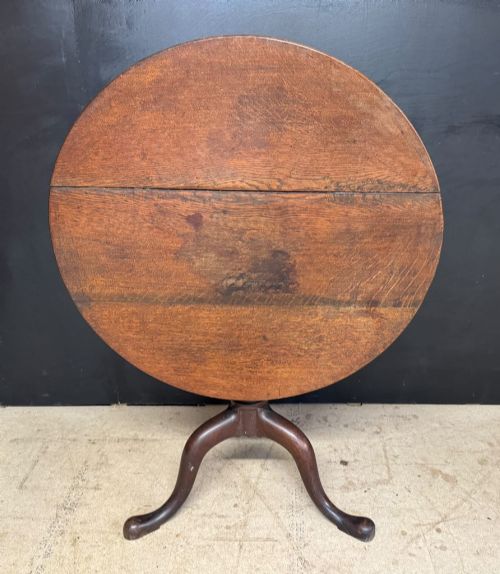
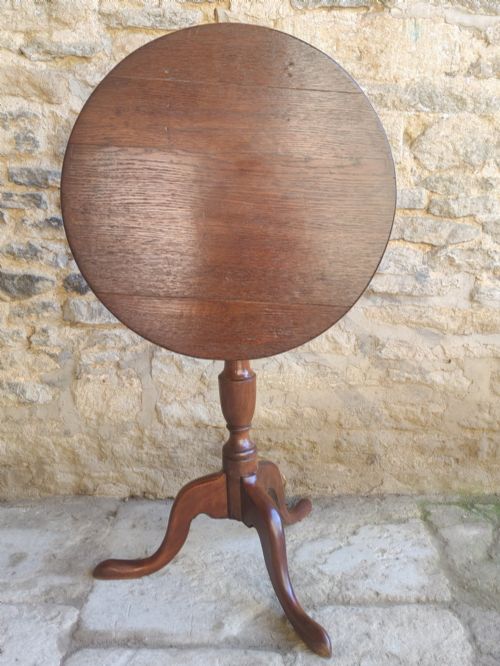
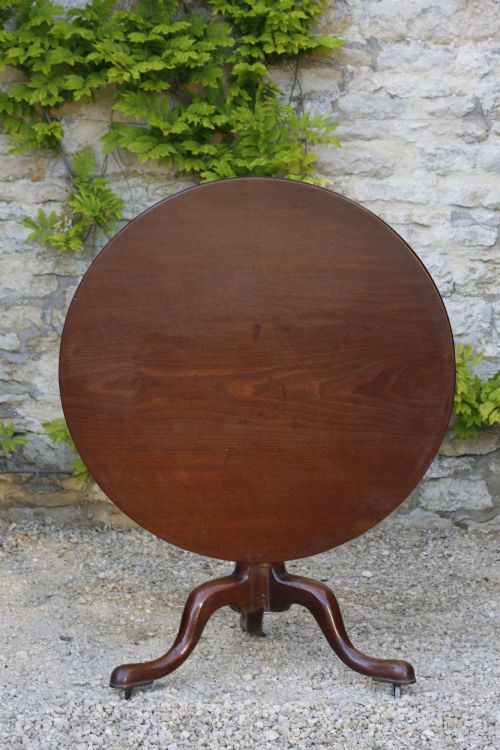
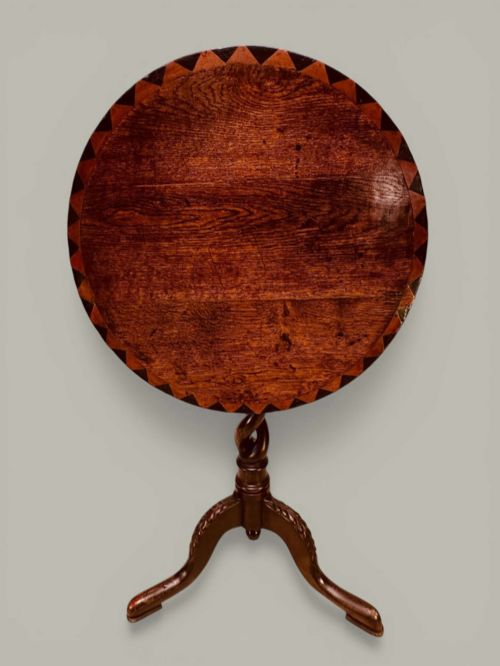
Antique Snap Table
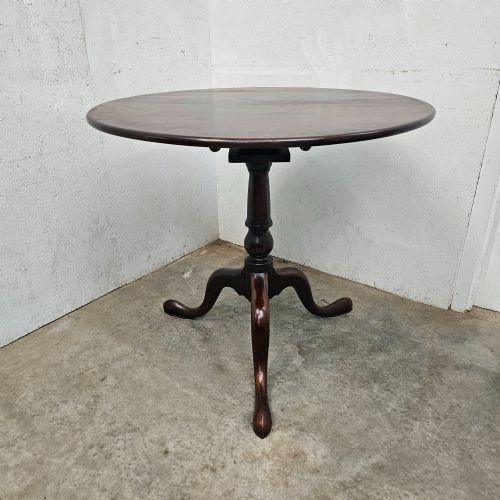
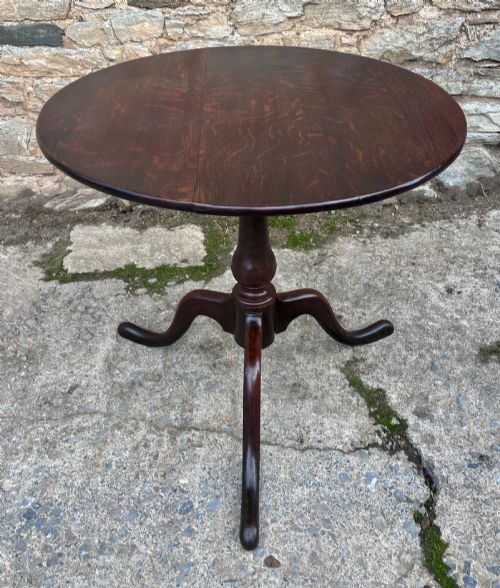
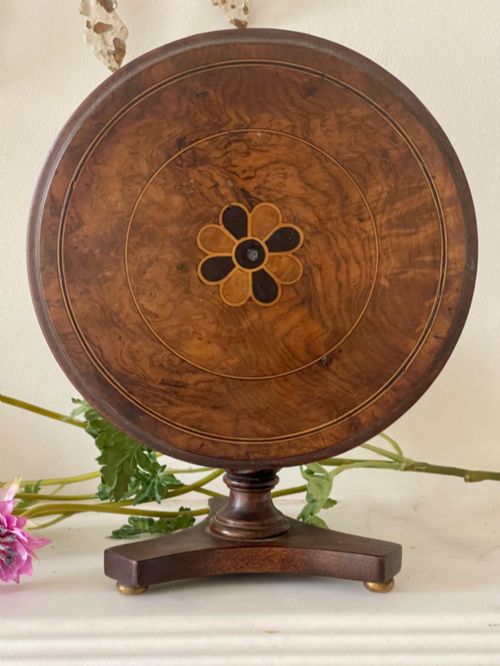
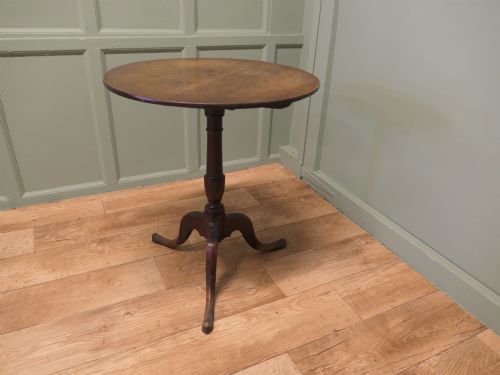
An antique snap table pivots and folds flat against the wall when not in use, combining utility with clever space-saving engineering.
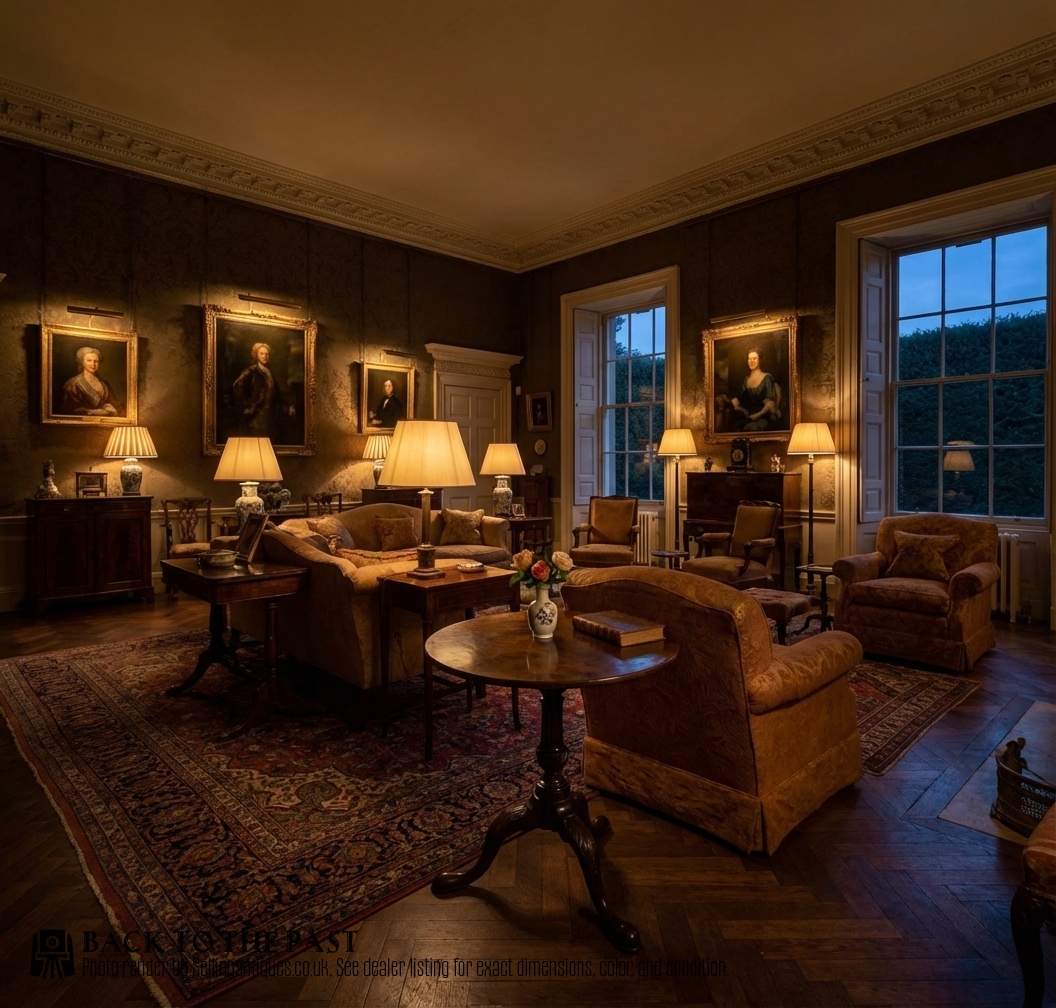
Antique Snap Table
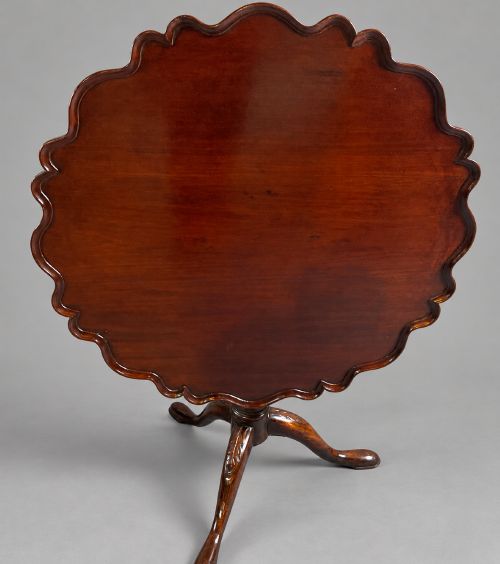
When you search for an antique snap table, you are looking at circular or occasional tables designed with a pivoting mechanism that allows the top to tilt into a vertical position. These pieces date across the eighteenth and nineteenth centuries, spanning Georgian, Regency and Victorian periods.
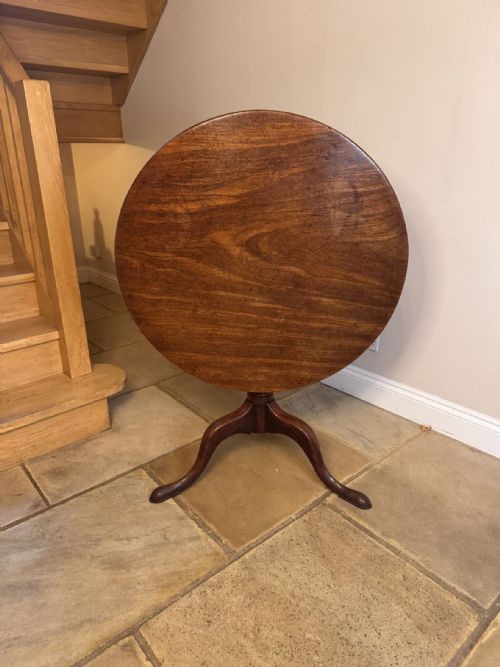
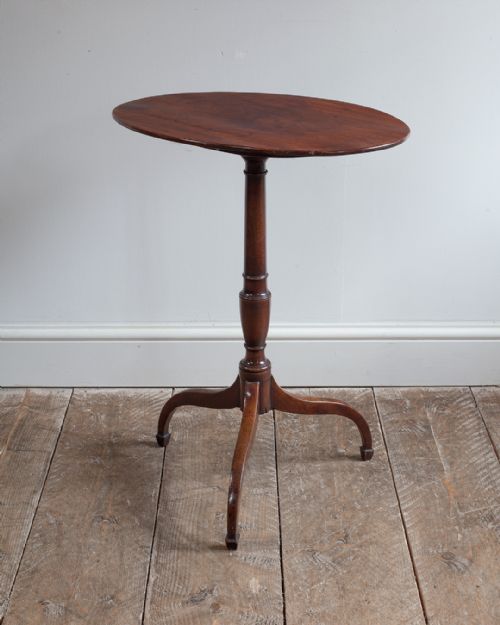
Mahogany forms the primary timber you will encounter on this page, often paired with tripod legs or pedestal bases. Occasional tables, wine tables and tea tables appear frequently among the listings, alongside larger dining and breakfast formats.
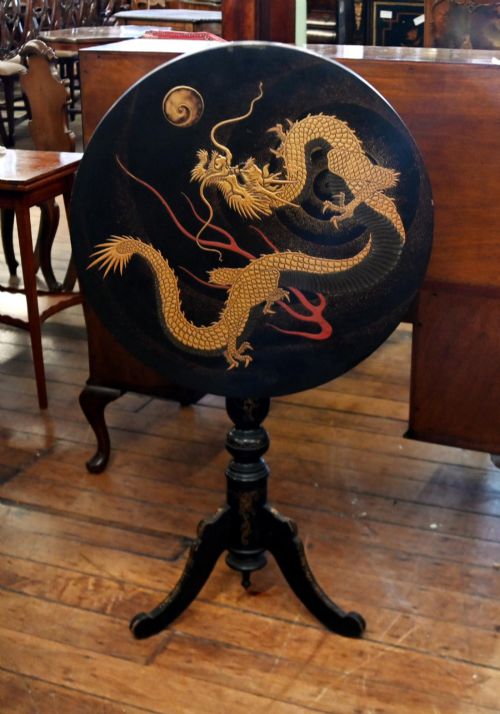
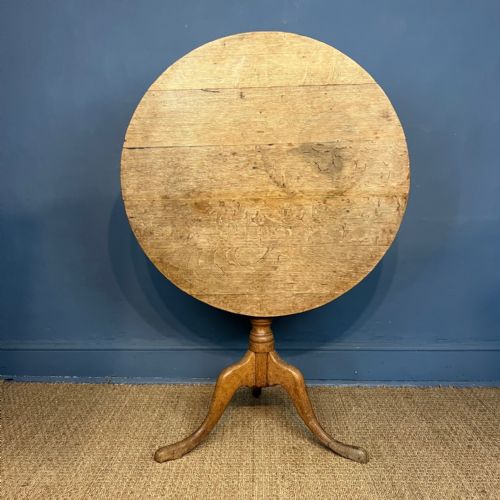
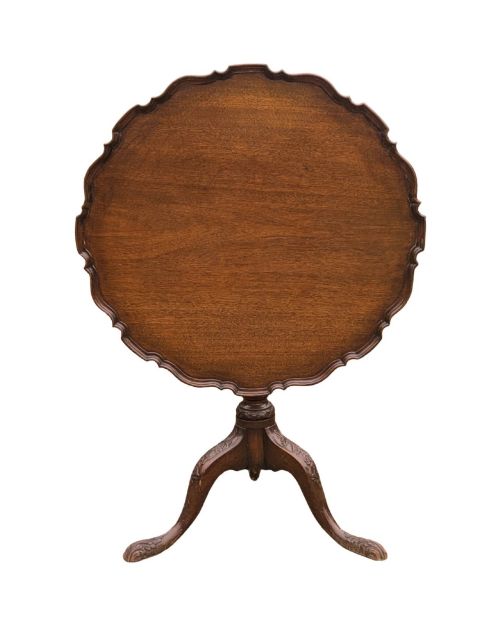
Makers shaped these items from oak, walnut, fruitwood and occasionally Chinese lacquer. Forms range from simple country tripod tables to sophisticated pieces with birdcage mechanisms and piecrust edges.
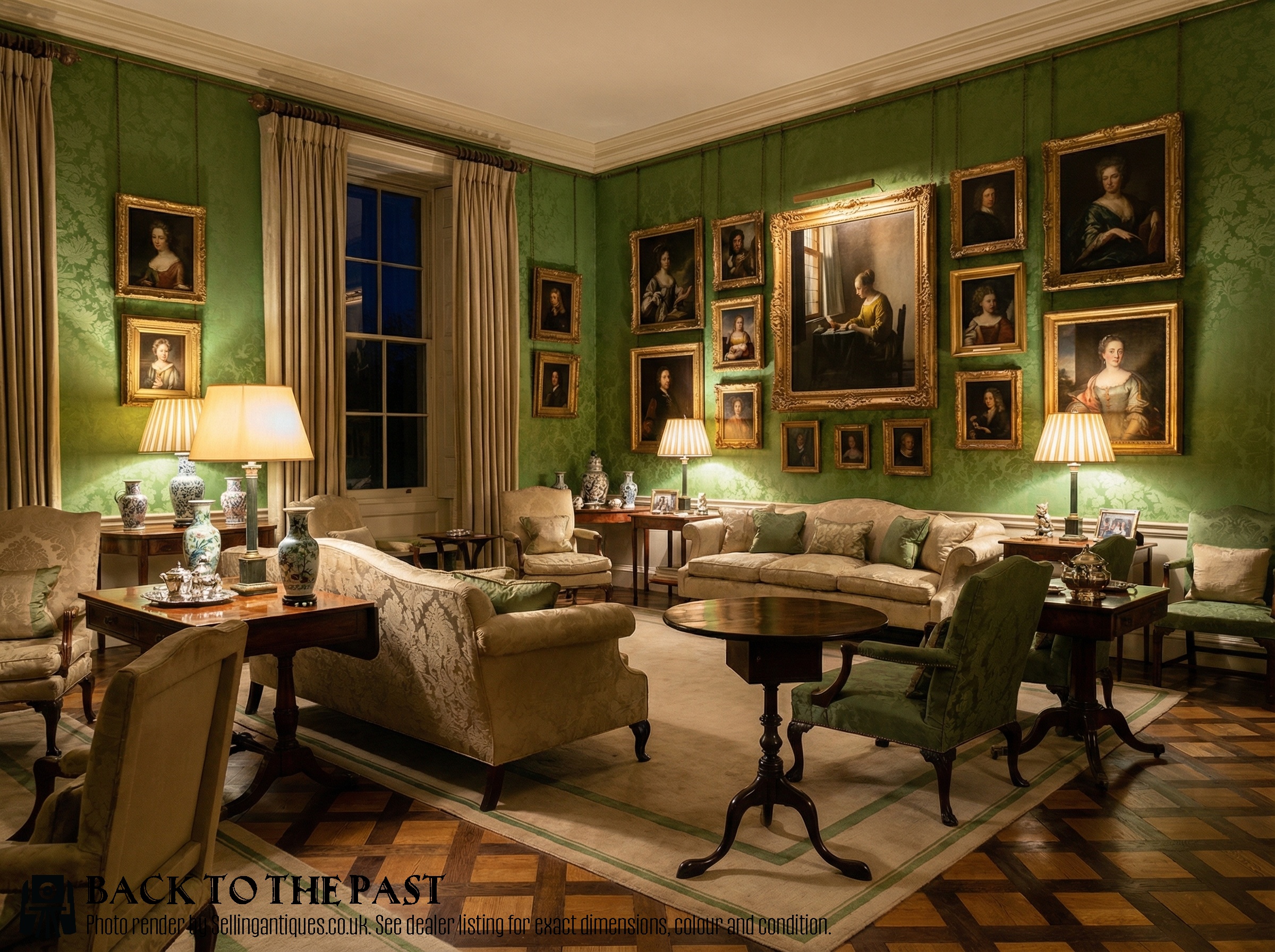
How they were made
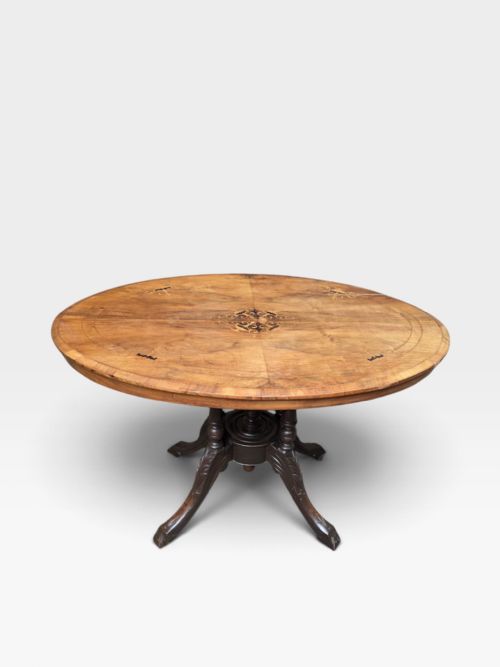
Cabinetmakers constructed these tables primarily in solid mahogany, oak and walnut, frequently applying burr walnut veneer or flame mahogany veneer to the circular tops. Timber selection dictated the character of the surface grain, while turning lathes shaped the central pedestals and tripod legs.
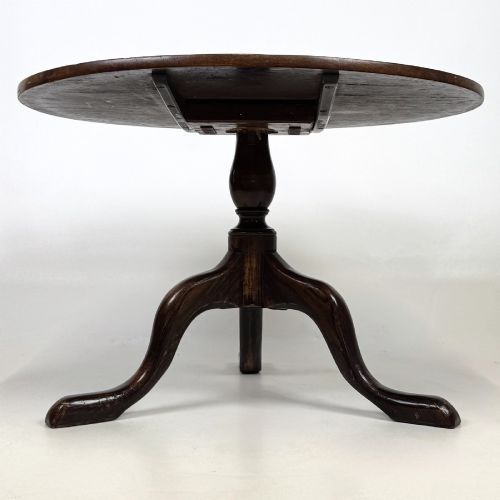
The defining mechanism relies on a clever catch or birdcage pivot that joins the tabletop to the column. This allowed the surface to snap flat when released, holding firmly in place for use as a tea table or side table.
Antique Snap Table Retail Price Guide 2026
Typical asking prices for snap table among the pieces listed under this phrase on Sellingantiques today, from the lower quarter to the upper quarter. They describe what is for sale here now, not the wider market.
Listings feature mahogany, oak, walnut, fruitwood and lacquer across Georgian, Regency and Victorian periods.
What varies in quality
The refinement of the timber carving and the precision of the turning set the best examples apart. Crisp acanthus leaves on the knees of tripod legs and neatly proportioned birdcage catches indicate superior workshop execution.
Surface finish and veneer choice also divide the range. Tables utilising figured flame mahogany or burr walnut veneer display greater decorative ambition than plain secondary woods.
The Antique Snap Table Glossary
- Snap top
- A tabletop mounted on a pivoting catch that tips into a vertical position. This allowed tables to be stored flat against a wall when not in use.
- Birdcage
- A wooden framework beneath the tabletop that permits the surface to both tilt and revolve. It sits atop the central column.
- Tripod base
- A pedestal support terminating in three legs. These frequently end in pad feet, claw and ball feet, or brass casters.
- Piecrust edge
- A raised, carved moulding along the perimeter of the tabletop resembling pastry work. Cabinetmakers shaped these from solid timber borders.
- Occasional table
- A small movable table used for various domestic purposes. They appear frequently in Georgian and Victorian interiors.
Antique Snap Table: Frequently Asked Questions
What is a snap table used for?
These tables served multiple functions in historic interiors as tea tables, wine tables or occasional surfaces.
Their tilting mechanism allowed owners to fold the tops flat and push the tables to the perimeter of a room to clear floor space.
How do you operate the tilt mechanism?
A small wooden catch or release mechanism beneath the top secures the surface in a horizontal position.
Releasing this catch lets the table pivot upright on its central pillar for storage.
What is a birdcage mechanism?
A birdcage is a revolving wooden frame fitted between the tabletop and the central pillar.
This construction lets the table both tilt vertically and spin horizontally on its axis.
How do I date an antique table?
Dating relies on timber species, leg profiles, joinery methods and stylistic markers associated with Georgian, Regency or Victorian periods.
Mahogany and walnut predominate in eighteenth-century examples, while later Victorian pieces often introduce heavier pedestals and different veneers.