


Antique Silver Vanity Case
An antique silver vanity case gathers portable dressing wares, holding everything from scent bottles to powder compacts within fitted housings.
Antique Silver Vanity Case
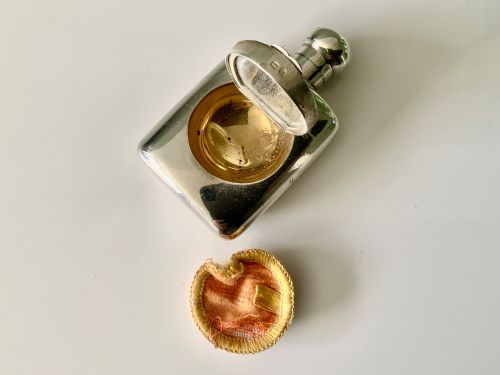
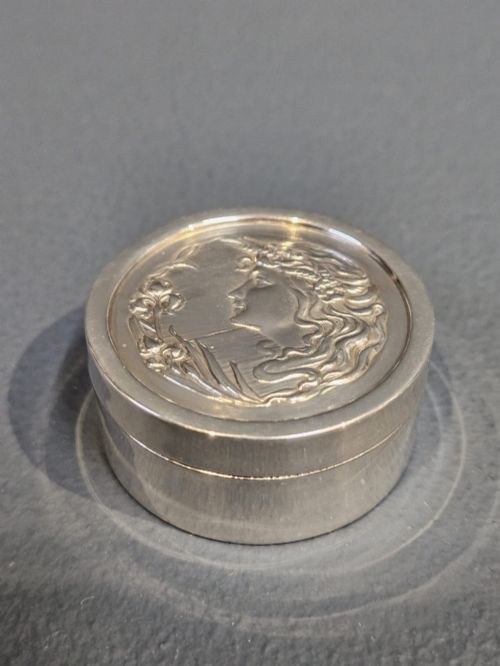
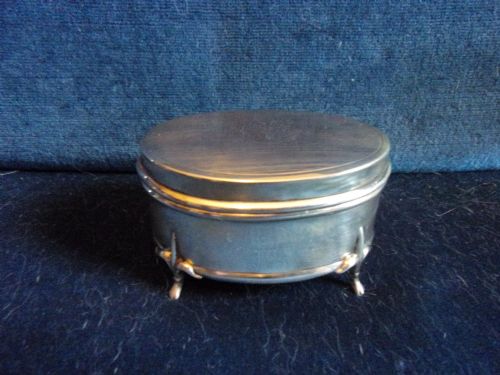
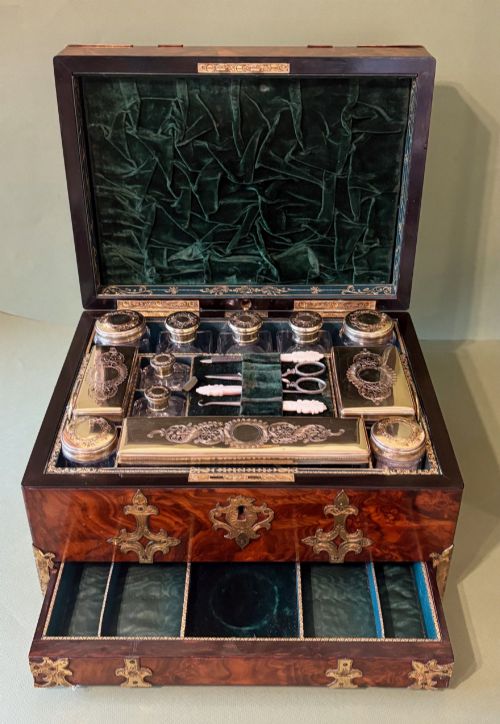
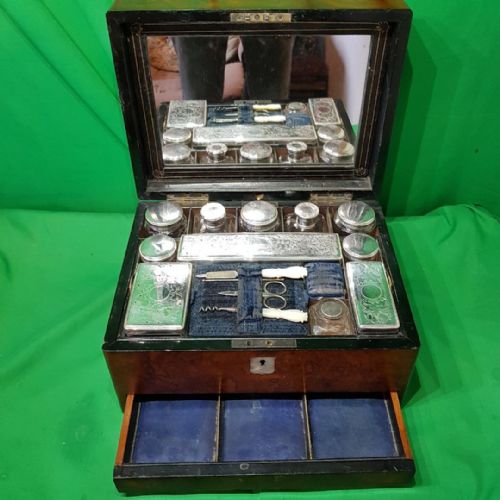
An antique silver vanity case encompasses a wide range of portable dressing accessories, travelling sets, and compacts designed for personal grooming. Buyers searching for an antique silver vanity case will encounter forms spanning from Georgian etuis and Victorian wood travelling boxes to streamlined Art Deco enamel compacts.
The selection ranges from large fitted gentleman's valet boxes in burr walnut and mahogany to compact pocket pieces intended for powder and cigarettes. Most examples originate from the Victorian and Edwardian eras, alongside numerous pieces from the 1920s and 1930s reflecting the shift towards portable cosmetics.
How they were made
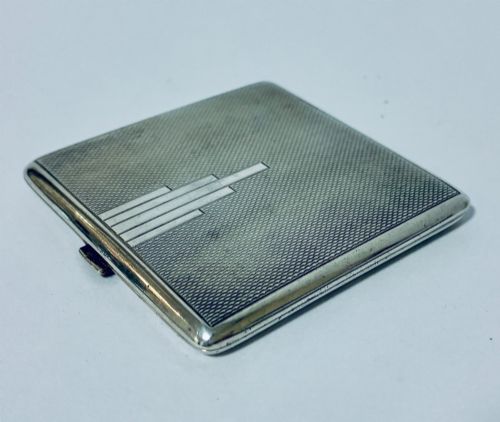
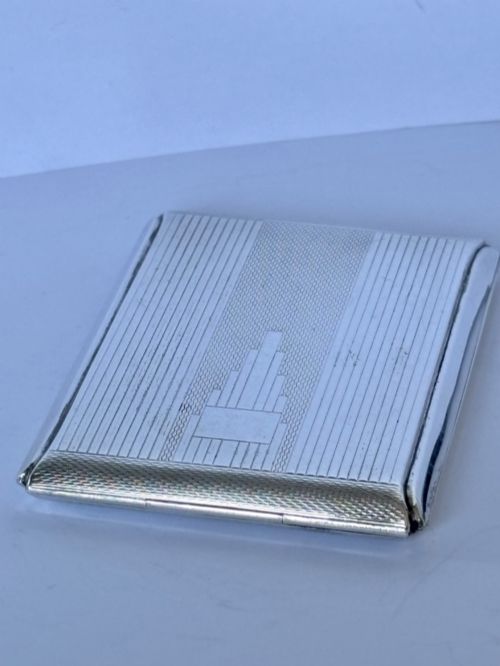
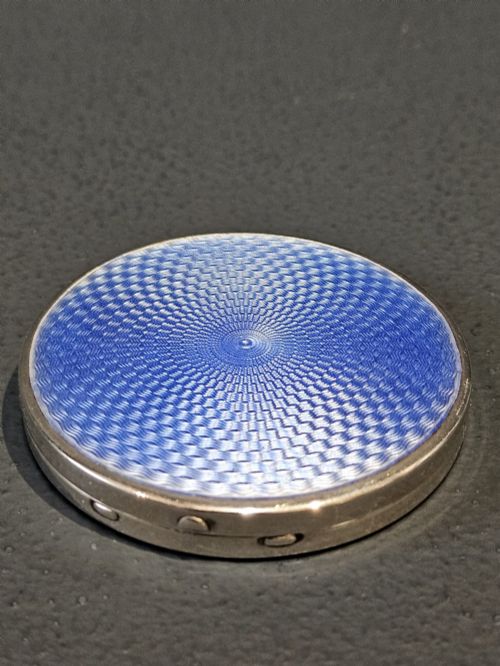
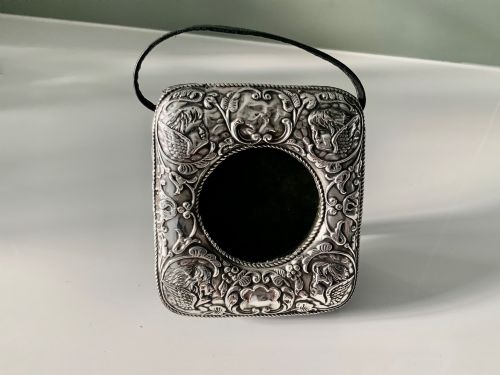
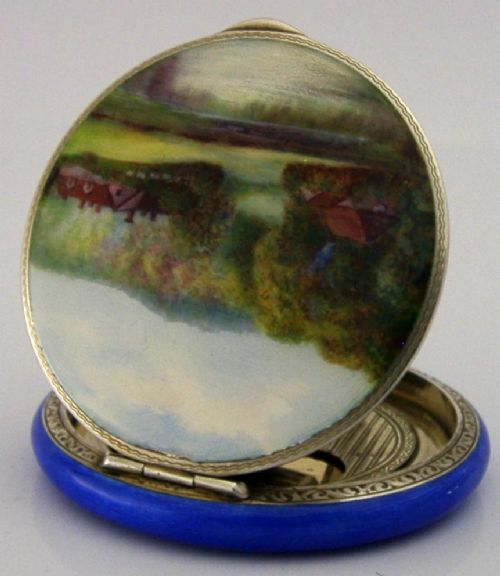
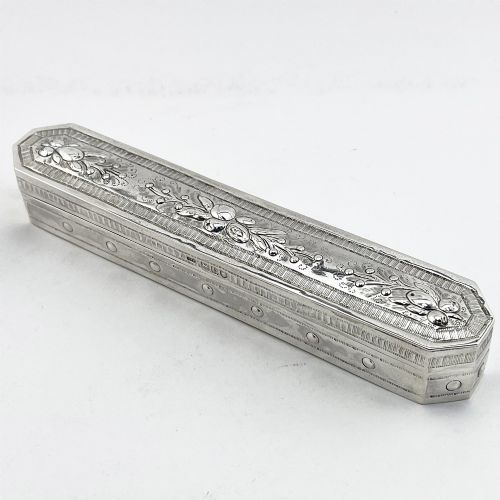
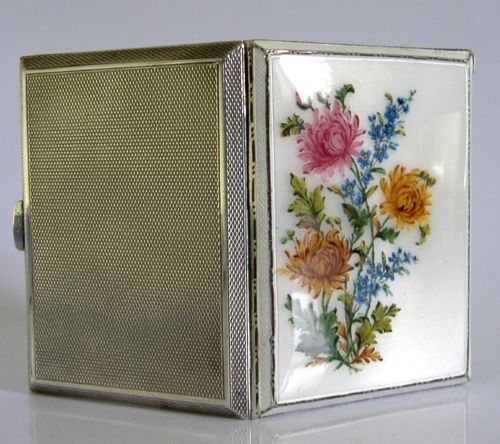
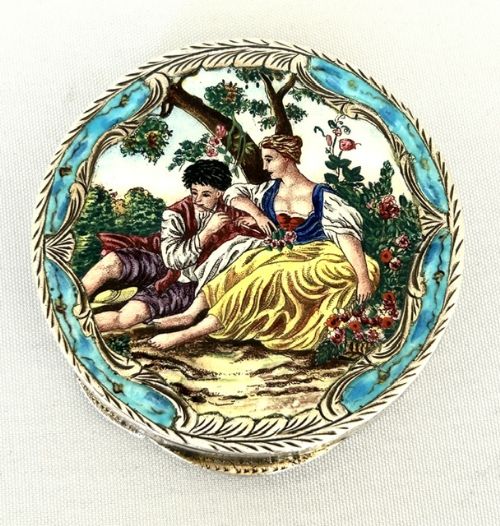
Silversmiths constructed the metal elements using sterling silver and silver gilt, often applying engine turned patterns, cast ornamentation, or delicate filigree work. Enamel decoration, particularly guilloche enamel, added colour to compact lids and watch cases.
Wooden cases utilise timbers such as burr walnut, mahogany, and coromandel, lined internally with velvet, suede, or leather. Glass and crystal components, including cut scent bottles and jars, integrate into tailored compartments alongside tortoiseshell and mother-of-pearl fittings.
Antique Silver Vanity Case Retail Price Guide 2026
Typical asking prices for silver vanity case among the pieces listed under this phrase on Sellingantiques today, from the lower quarter to the upper quarter. They describe what is for sale here now, not the wider market.
Listings feature items from the eighteenth century through to the Art Deco period, incorporating materials like tortoiseshell, velvet, glass, and enamel.
What varies in quality
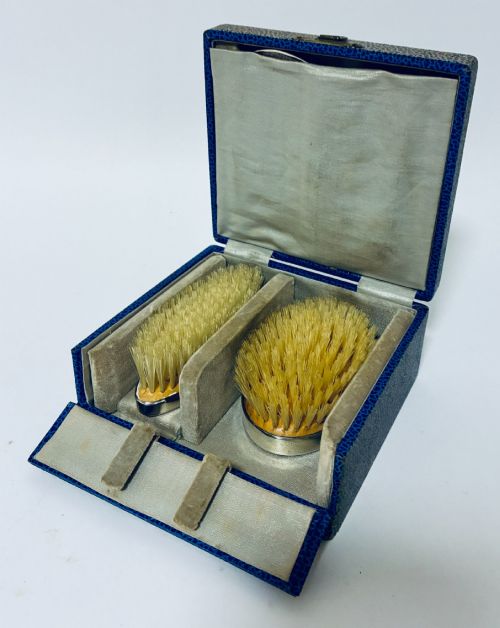
The standard of an antique silver vanity case rests upon the completeness of its original fitted contents, such as matched crystal bottles, manicure tools, and brushes. Intact internal linings in velvet or suede alongside functioning locks elevate an example.
Artistic execution drives distinction in decorated pieces, separating standard stamped metal from hand-painted enamel scenes and precise engine turning. Maker attribution to known workshops also marks the distinction between ordinary grooming items and premier examples.
Horton And Allday·Henry Matthews·William Adams Ltd·Henry Perkins And Sons
The Antique Silver Vanity Case Glossary
- Guilloche enamel
- A decorative technique where an intricate geometric pattern is engraved beneath a translucent layer of coloured enamel. This method appears frequently on compacts and cigarette cases from the early twentieth century.
- Etui
- A small ornamental case used for holding needles, cosmetics, or small grooming implements. Georgian examples often house miniature folding tools in precious metal.
- Sterling silver
- An alloy consisting of silver and other metals, usually copper, formulated to increase durability while maintaining lustre. British pieces commonly bear hallmarks indicating the assay office and year of production.
- Engine turned
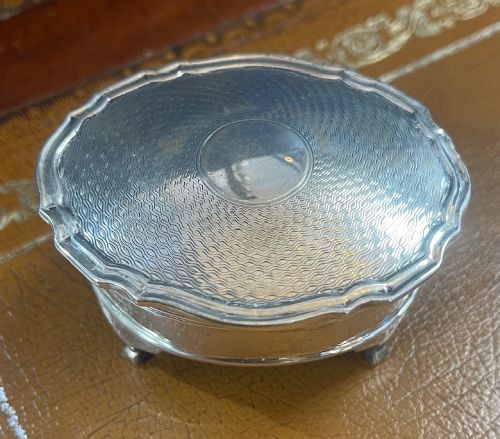
- A mechanical surface decoration technique producing precise geometric patterns of fine lines. This finish appears across many compacts and silver boxes.
Antique Silver Vanity Case: Frequently Asked Questions
What items belong inside an antique silver vanity case?
Complete sets typically contain glass scent bottles, powder compacts, small jars, and manicure implements tailored to travel or dressing table use.
Interior layouts vary by period, ranging from fitted wooden trays in Victorian boxes to slim compartments in Art Deco pocket pieces.
How do I identify a Victorian travelling box?
Victorian examples frequently utilise timbers like burr walnut or mahogany, often featuring brass banding and velvet or leather internal linings.
Their construction prioritises robust wooden frames housing glass bottles and grooming tools rather than thin metal pocket formats.
Are Art Deco compacts made of solid silver?
Many Deco pieces combine sterling silver or silver gilt with enamel decoration, while others utilise alternative white metal alloys.
Hallmarks stamped on the metal frame usually clarify the specific silver standard and manufacturing location.
How should I clean silver and enamel surfaces?
Gentle dusting with a soft cloth preserves delicate enamel work and prevents scratching on polished metal surfaces.
Harsh chemical dips can damage enamel layers and antique interior linings, so cleaning should focus solely on the exterior silver.