

Antique Silver Swing Handle
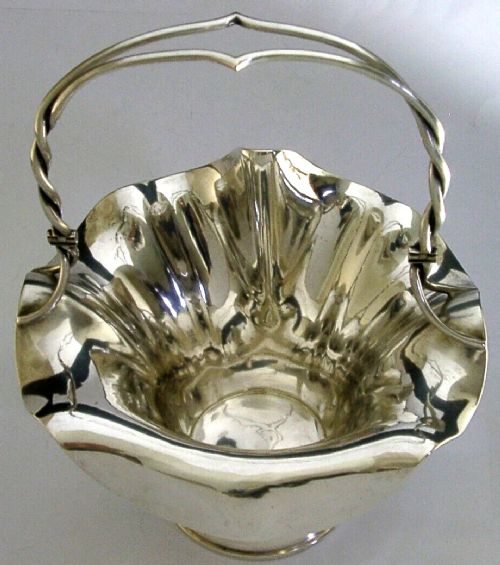
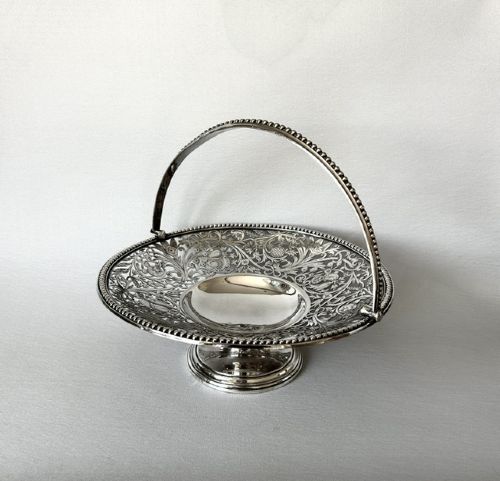
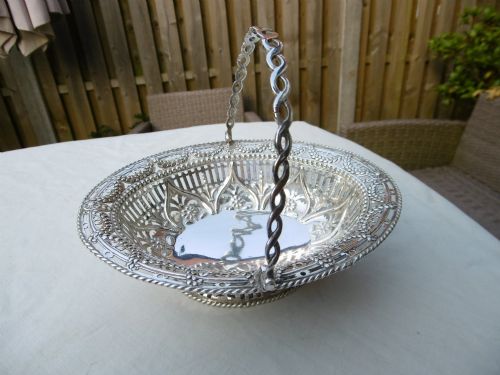
An antique silver swing handle brings practical grace to the table through hinged metal arches resting over openwork baskets and bowls.
Antique Silver Swing Handle
When you search for an antique silver swing handle, you encounter vessels designed to hold fruit, sugar, bread, or sweetmeats.
The selections span from the Georgian and Victorian eras into the Edwardian period and the early twentieth century.
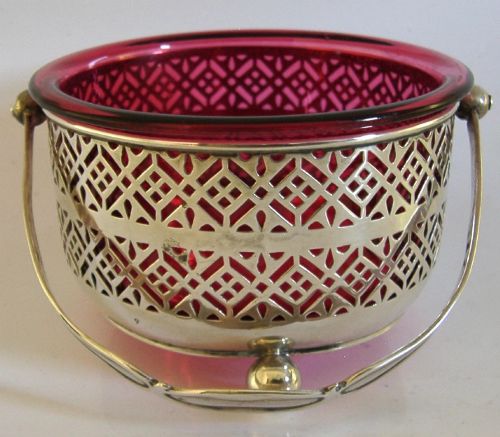
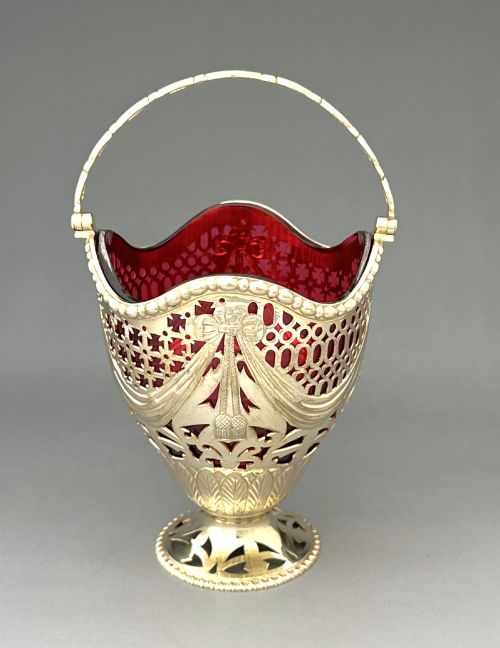
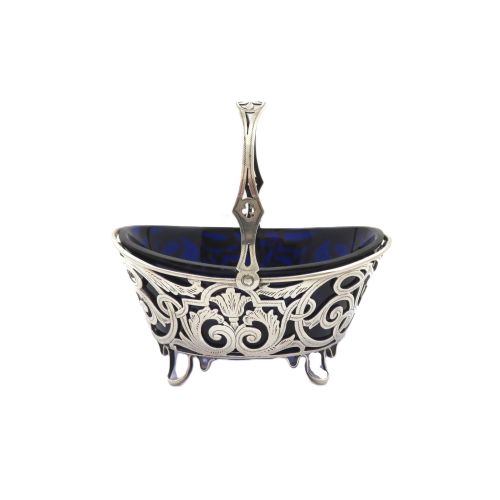
Sugar baskets, cream pails, and fruit bowls dominate the listings, frequently accompanied by contrasting glass liners in cranberry, cobalt, or ruby hues.
Materials and Techniques
Silversmiths utilised sterling silver and silver plate, alongside Old Sheffield Plate, copper, and silver gilt.
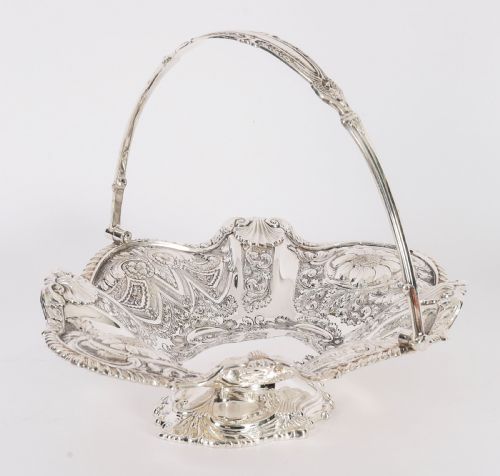
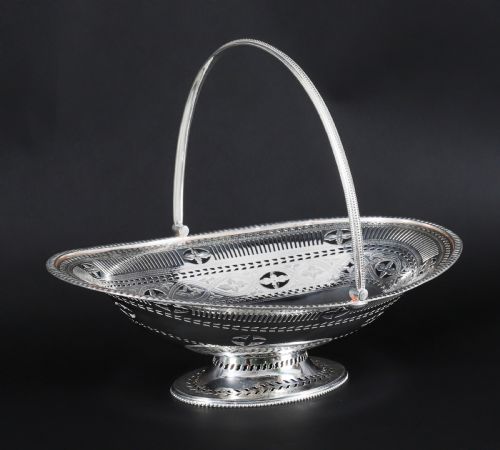
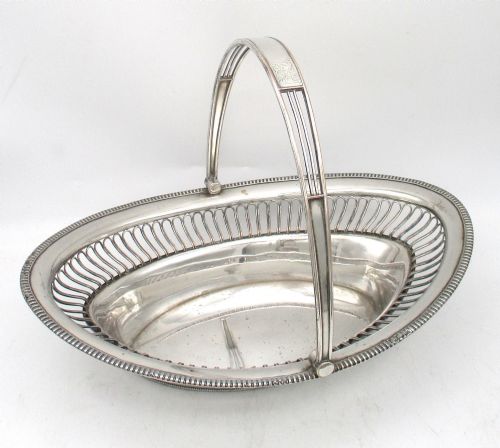
Techniques relied heavily on intricate pierced work, wirework, fretwork, and repoussé detailing to form the lattice bodies of the vessels.
Removable glass liners made from cranberry or cobalt glass provided functional utility inside pierced metal frames.
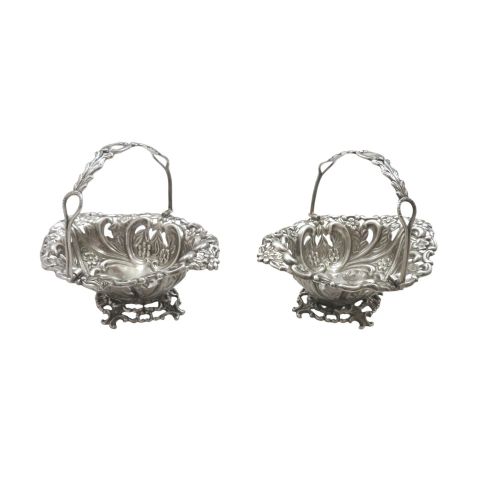
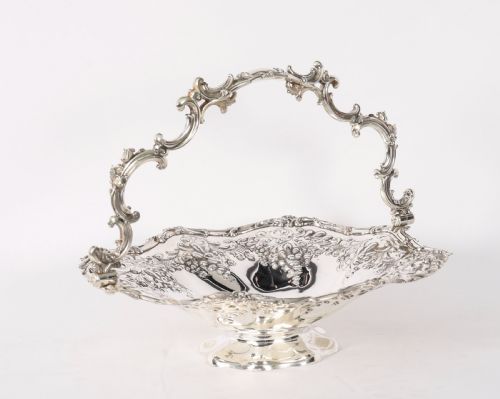
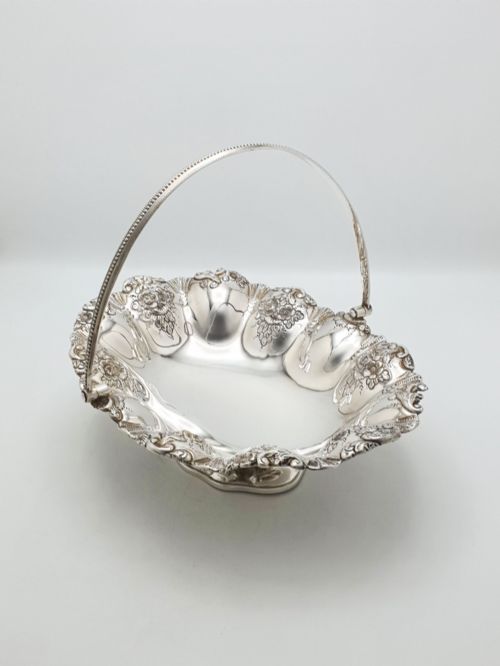
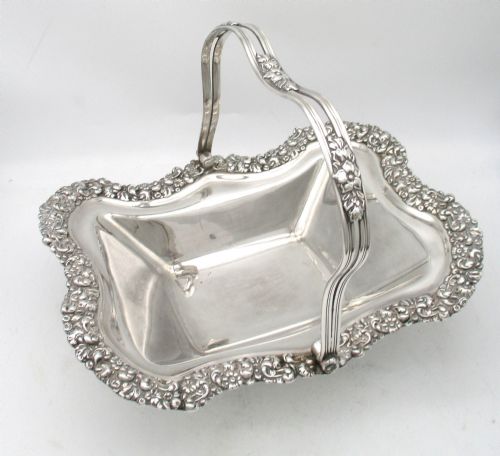
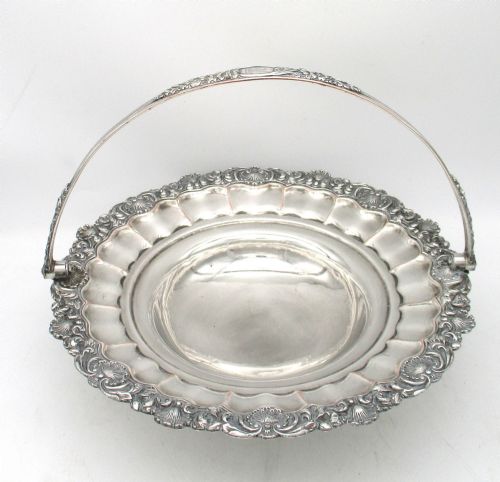
Victorian and Edwardian designs frequently utilise intricate lattice work, floral repoussé rims, and cast swinging handles on fruit and sugar baskets.
Judging Quality
Quality rests on the crispness of pierced and cast details, where deeper hand-chasing and deliberate fretwork elevate the metalwork.
The integrity of the swing mechanism and the balance of the arching handle relative to the basket dictate superior craftsmanship.
The presence of original coloured glass liners that fit snugly into the metal cage adds significant distinction to individual pieces.
Aldridge and Green·Henry Chawner·John Mackfarlan·Samuel Herbert·William Bond·George W Scott and Sons Ltd·Hammond Creake and Co·James Deakin and Sons·William Hutton and Sons·James Dixon and Sons
The Antique Silver Swing Handle Glossary
- Old Sheffield Plate
- A fused composite material made by melting a sheet of silver onto a copper core. This technique predates modern electroplating and appears frequently on late eighteenth and early nineteenth-century pieces.
- Pierced work
- A decorative method involving the cutting or piercing of holes through the silver plate to create geometric or floral patterns. It lightens the visual weight of the vessel.
- Silver Gilt
- Silver that has been coated with a thin layer of gold on its surface. This treatment provides a warm interior glow, particularly inside glass-lined baskets.
- Repoussé
- A method of metalworking where the silver is hammered from the reverse side to form raised relief designs on the front. Floral motifs often appear executed in this style.
- Sweetmeat basket
- A small decorative vessel intended for holding bite-sized confections, nuts, or dried fruits. These diminutive pieces often feature delicate swing handles.
Antique Silver Swing Handle: Frequently Asked Questions
What were swing handle baskets used for?
These vessels served dining tables as receptacles for bread, fruit, sugar, or sweetmeats during formal meals. The pivoting handle allowed servants or diners to lift the basket easily when passing contents around the table.
Over time, their roles shifted from strict dining utility toward decorative display on sideboards and tables. Many examples retain their original glass liners for holding moist foods safely away from the metal.
How do I identify Georgian pieces?
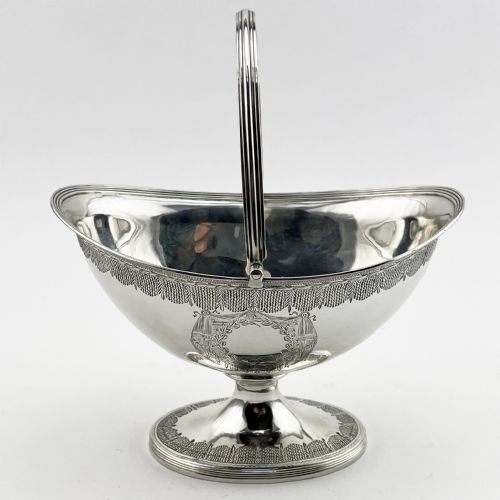
Georgian examples typically exhibit restrained neoclassical forms, crisp hand-piercing, and sturdy cast handles dating from the eighteenth century. Makers often marked these items with sparse hallmarks that reflect simpler regulatory standards of the period.
Look for heavier gauges of silver and classical motifs such as bead borders or Adam style swags. The presence of Old Sheffield Plate construction also points toward this earlier manufacturing era.
Are glass liners original?
Original liners fit the interior contours of the metal basket precisely without excessive shifting or height discrepancies. They frequently feature deep cranberry, cobalt, or ruby tones intended to contrast against pierced silver work.
Blown glass from the Victorian and Edwardian periods often displays minor manufacturing bubbles and pontil marks on the base. A snug resting position inside the swing handle frame supports originality.
How do I care for silver baskets?
Maintenance requires gentle cleaning with a soft cloth and mild silver polish to preserve delicate pierced details and repoussé relief. Avoid abrasive materials that can wear down thin plating on older pieces.
Store vessels in dry environments away from direct sunlight to minimise tarnishing on both the silver and any accompanying glass liners. Regular handling helps distribute natural oils that slow down oxidation.