



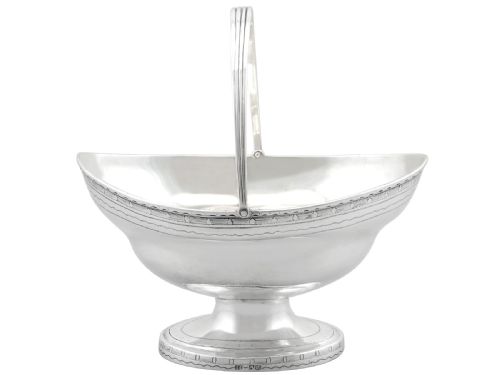


Sterling Silver Swing Basket
A sterling silver swing basket brings tabletop elegance through flexible handles and intricate metalwork.
Sterling Silver Swing Basket
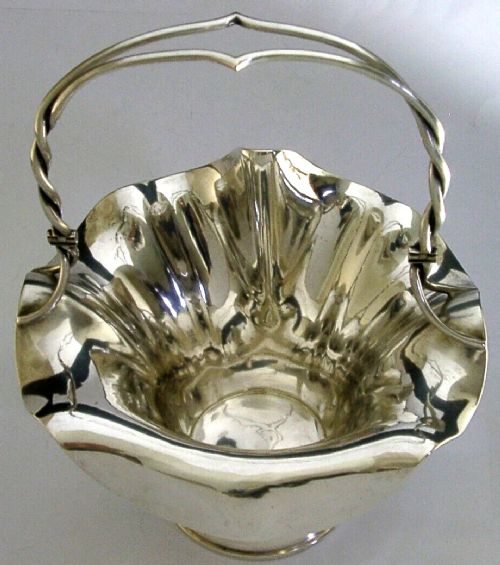
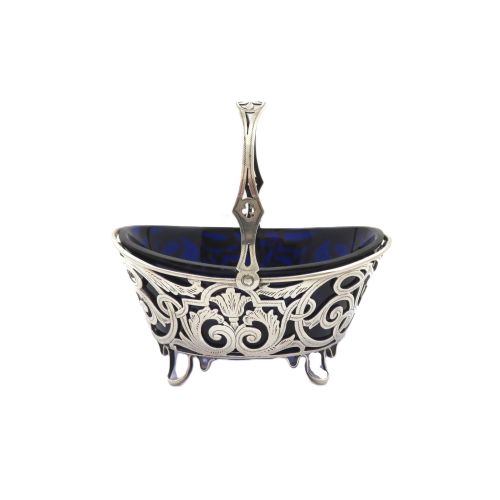
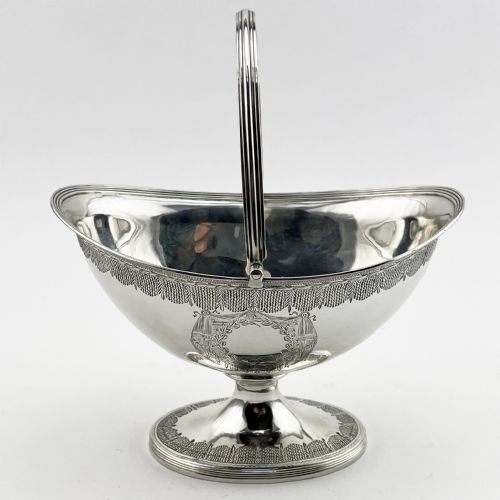
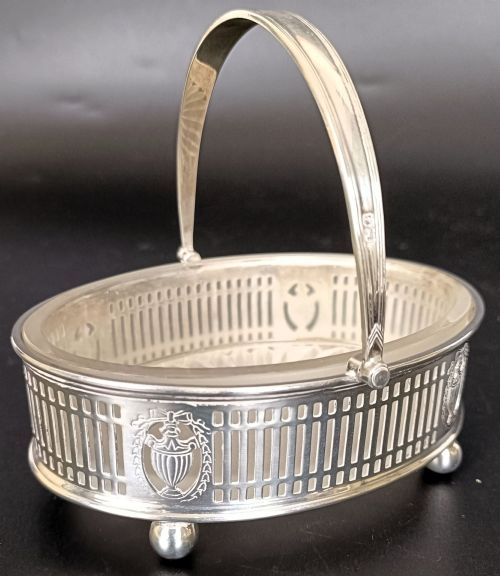
A sterling silver swing basket is a tabletop vessel designed with a movable, arched handle attached to opposing sides of the body. You are most likely to meet Edwardian and Victorian examples on this page, alongside Georgian pieces from the eighteenth century.
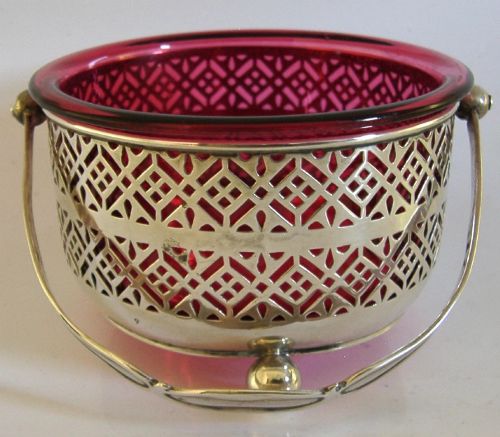
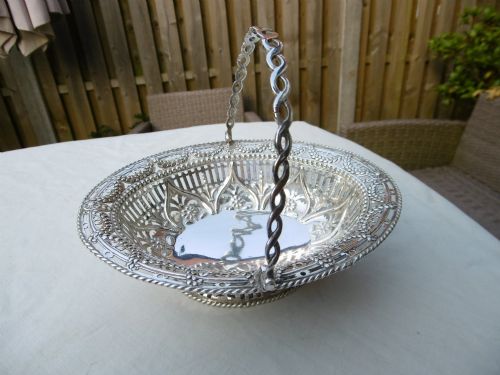
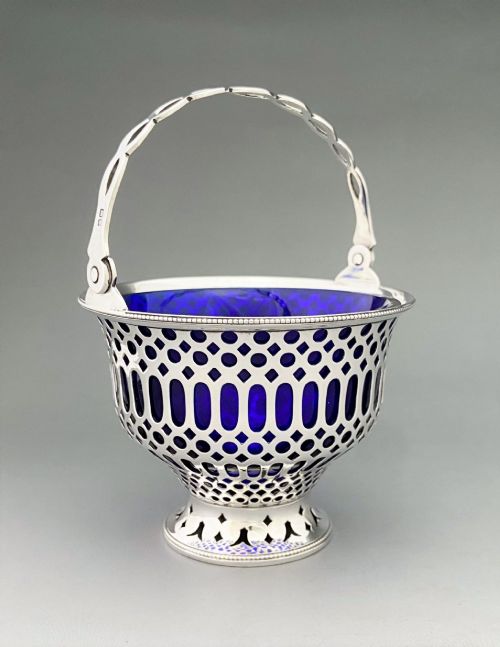
These items take various forms including sugar baskets, bread baskets, fruit baskets, and sweet bowls, sometimes accompanied by coloured glass liners in ruby, cranberry, or cobalt hues. The body rests upon a circular or oval foot, supporting pierced, fretwork, or embossed decoration.
Materials and construction
Silversmiths constructed these pieces primarily from solid sterling silver, occasionally applying silver gilt for a rich interior finish. Glass liners provide a colourful contrast inside pierced metal frameworks.
Craftsmen shaped the metal through casting, piercing, fretwork, and embossed detailing, attaching the swing handle with hinges that allow the arch to drop to either side.
The listings span four centuries, featuring Georgian, Victorian, and Edwardian styles in solid sterling silver with cranberry and cobalt glass.
Factors that distinguish individual examples
Quality rests upon the crispness of pierced and embossed detailing, the balance of the swing handle, and the structural integrity of the silver body. Heavier weight and refined maker execution separate exceptional pieces from simpler utilitarian objects.
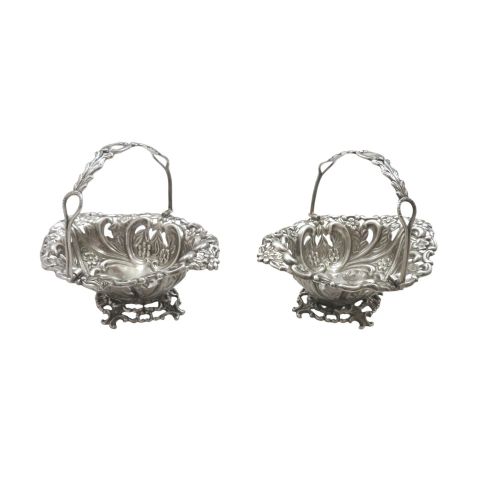
The presence of an original matching glass liner or delicate cast floral handle elements elevates the overall character of the piece.
Aldridge and Green·Henry Chawner·Samuel Herbert·Hammond Creake and Co·James Deakin and Sons·William Hutton and Sons·William Bond·James Dixon and Sons Ltd·George Fox·John Walton·Bateman
The Sterling Silver Swing Basket Glossary
- Pierced work
- Metal cut through to create decorative open patterns. This technique lightens the visual weight of the basket.
- Swing handle
- An arched metal handle attached with hinges that drops to the side. It allows easy access to the contents within.
- Silver gilt
- Sterling silver coated with a thin layer of gold. This treatment protects the interior from corrosive foods.
- Fretwork
- Openwork ornamentation cut from sheet metal. It defines the intricate lattice walls seen on Edwardian pieces.
- Cream pail
- A small bucket-shaped vessel used for serving cream. These often feature matching swing handles and blue glass liners.
Sterling Silver Swing Basket: Frequently Asked Questions
What were swing baskets used for?
These vessels held sugar, fruit, bread, or bonbons upon the dining table or sideboard. The movable handle allowed servants or guests to reach the contents easily.
Smaller versions with glass liners served specialised items like cream or preserves during formal meals.
How do I care for sterling silver?
Clean the silver gently with a specialised polishing cloth to remove tarnish without wearing away fine embossed details. Avoid harsh chemical dips that damage the antique finish.
Store the items in a dry environment away from direct sunlight to maintain the lustre of the metal.
How can I tell Georgian from Victorian pieces?
Georgian examples from the eighteenth century often feature restrained neoclassical lines, crisp hand-piercing, and makers' marks stamped without standard date letters in certain regions. Victorian and Edwardian items frequently display heavier cast floral handles and intricate machine-assisted fretwork.
Examining the hallmark stamped on the base provides the definitive year of manufacture.
Are glass liners original?
Original glass liners fit snugly into the pierced silver framework and match the contours of the basket base. Cranberry, ruby, and cobalt glass types are characteristic of the Victorian and Edwardian periods.
Replacement liners appear frequently, so checking for proper fit and period-appropriate tint is essential.