




Pierced Sterling Sugar Basin
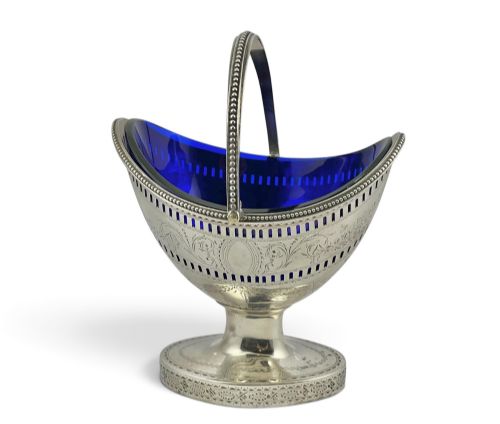
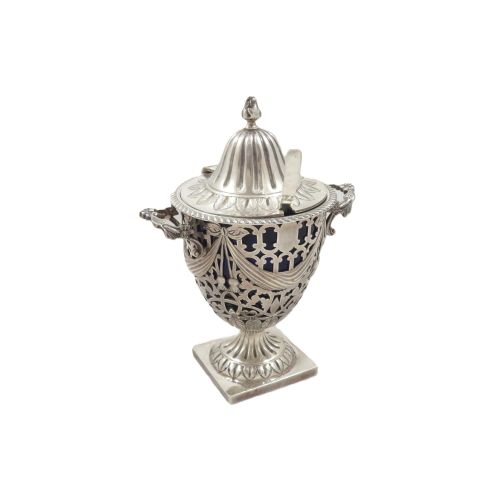
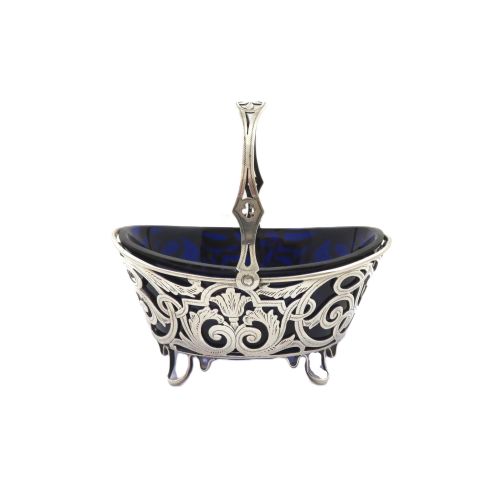
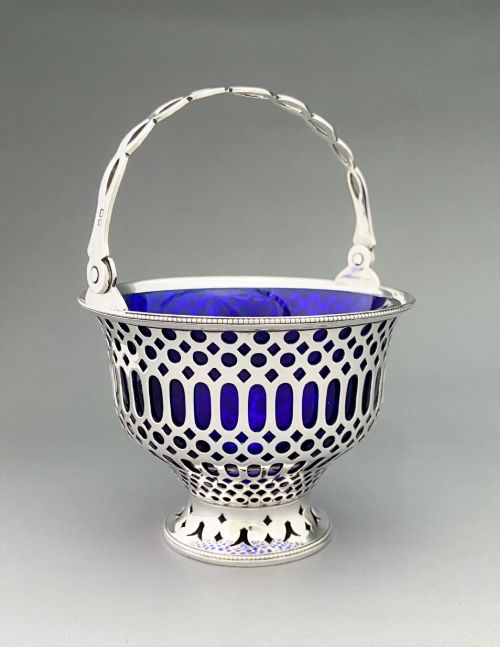
A pierced sterling sugar basin brings domestic sparkle to the table, and these silver vessels combine openwork metal with coloured glass liners.
Pierced Sterling Sugar Basin
A pierced sterling sugar basin is a form of tableware designed for holding sugar, frequently taking the shape of a handled basket, urn with lid, or bowl. When you search for a pierced sterling sugar basin, you encounter vessels primarily originating from the Victorian, Edwardian, and Georgian periods, showcasing classical neoclassical influences alongside nineteenth-century domestic designs.
How they were made
Silversmiths constructed these basins using sterling silver, employing piercing techniques to cut decorative patterns into the metal walls before shaping them into baskets or urns. Many examples incorporate cast floral handles and silver gilt finishes, paired with blown glass liners in deep cobalt or ruby hues.
Some surviving sets include fitted leather, velvet, and silk-lined presentation cases, indicating their original status as esteemed gift items during the Victorian and Edwardian eras.
Pierced Sterling Sugar Basin Retail Price Guide 2026
Typical asking prices for pierced sterling sugar basin among the pieces listed under this phrase on Sellingantiques today, from the lower quarter to the upper quarter. They describe what is for sale here now, not the wider market.
Several antique sugar baskets sleep undisturbed in their original velvet and silk-lined leather cases, preserved as though bought yesterday.
What varies in quality
Quality in these sugar basins rests upon the crispness of the pierced metalwork and the substance of the silver casting, particularly in the formation of handles and feet. Finer examples display delicate, evenly spaced piercings that form coherent neoclassical or floral motifs without distortion.
The presence of an original, undamaged coloured glass liner or a matched sifter spoon elevates a piece, as does the survival of a fitted leather and velvet case.
George Fox
The Pierced Sterling Sugar Basin Glossary
- Sterling silver
- A silver alloy containing 92.5 percent pure silver and 7.5 percent other metals, usually copper, chosen for durability in tableware. This standard has governed British silver production for centuries.
- Pierced work
- A decorative technique where silversmiths cut or saw patterns through the metal sheet to create openwork lattices. This lets coloured glass liners show through the exterior walls.
- Swing handle
- A movable arched handle attached to the rim of a basket by pivot pins. It allows the handle to lie flat when the vessel sits on the table.
- Silver gilt
- Sterling silver that has been coated with a thin layer of gold on the interior surface. This protected the silver from the corrosive properties of moist sugar.
- Cobalt glass
- A deep blue glass coloured by the addition of cobalt oxide during manufacturing. It formed a striking visual contrast when placed inside pierced silver baskets.
Pierced Sterling Sugar Basin: Frequently Asked Questions
What was a sugar basin used for?
These vessels held loose sugar for tea service on the dining or drawing room table during the eighteenth, nineteenth, and early twentieth centuries.
They allowed hosts to present lump or loose sugar elegantly to guests using accompanying sifter spoons.
Why do some baskets have glass liners?
Glass liners protected the sterling silver from direct contact with moist sugar, which could tarnish or corrode the metal over time.
Coloured glass also provided a decorative backdrop that highlighted the intricate pierced patterns cut into the silver exterior.
How do I date a silver sugar basin?
Dating relies heavily on hallmarks stamped into the silver, which record the assay office, date letter, and maker's mark. Stylistic clues such as Georgian neoclassical symmetry or Edwardian refinement also help determine the period.
How should I care for a silver basket?
Gentle cleaning with a soft cloth and proprietary silver polish prevents the buildup of tarnish without wearing away delicate pierced details. Glass liners can be washed separately in warm soapy water.