
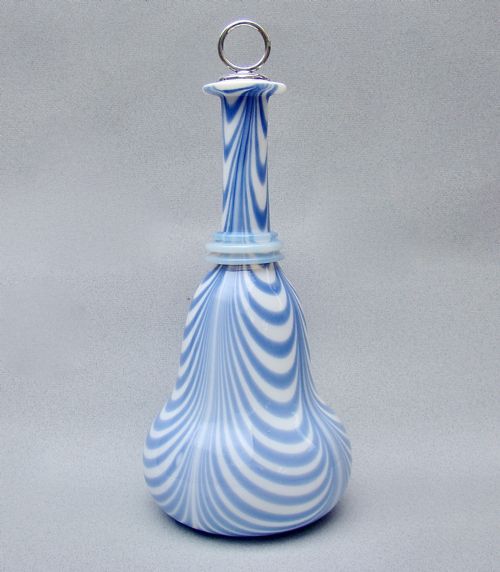


Antique Silver Flagon
An antique silver flagon holds centuries of drinking culture, combining solid metals and heavy glass for formal dining or display.
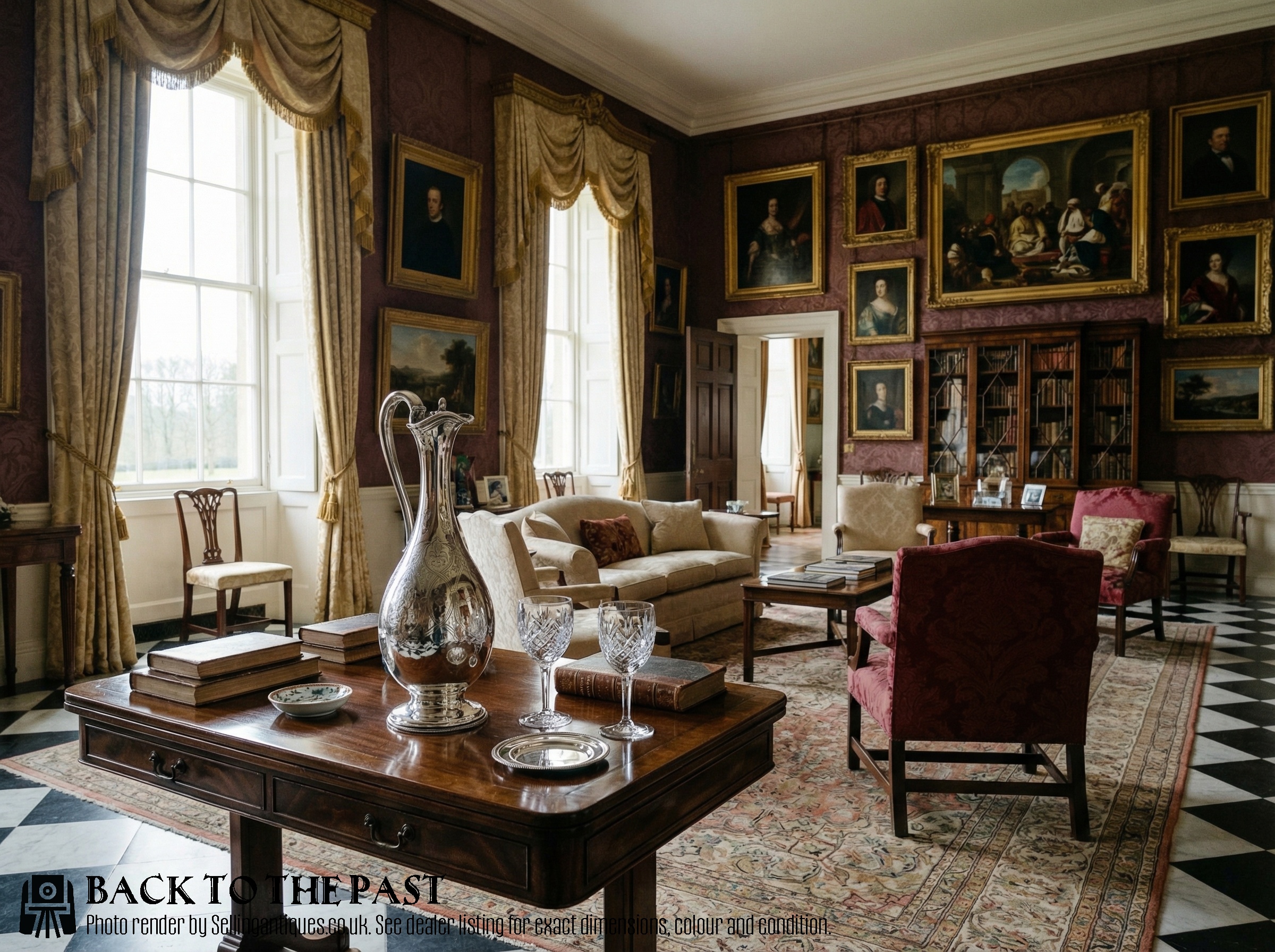
Antique Silver Flagon
When you search for an antique silver flagon, you are looking at large vessels designed for serving wine, beer, or water at the table. These pieces encompass heavy metal tankards, lidded ewers, and glass decanters fitted with sterling collars or silver-plated mounts.
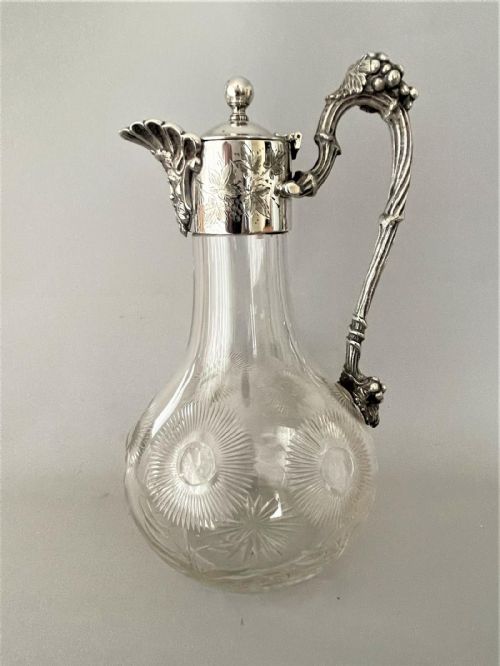
The versions you meet most frequently on this page date from the Victorian and Edwardian eras, utilising cut glass bodies paired with hinged silver-plated or sterling lids. Alongside these, earlier Georgian and eighteenth-century examples appear in solid silver, Old Sheffield Plate, pewter, and salt-glazed stoneware.
Beyond domestic dining, the selections include larger communion flagons and ecclesiastical ewers, reflecting the diverse religious and secular uses of these holloware pieces across the eighteenth and nineteenth centuries.
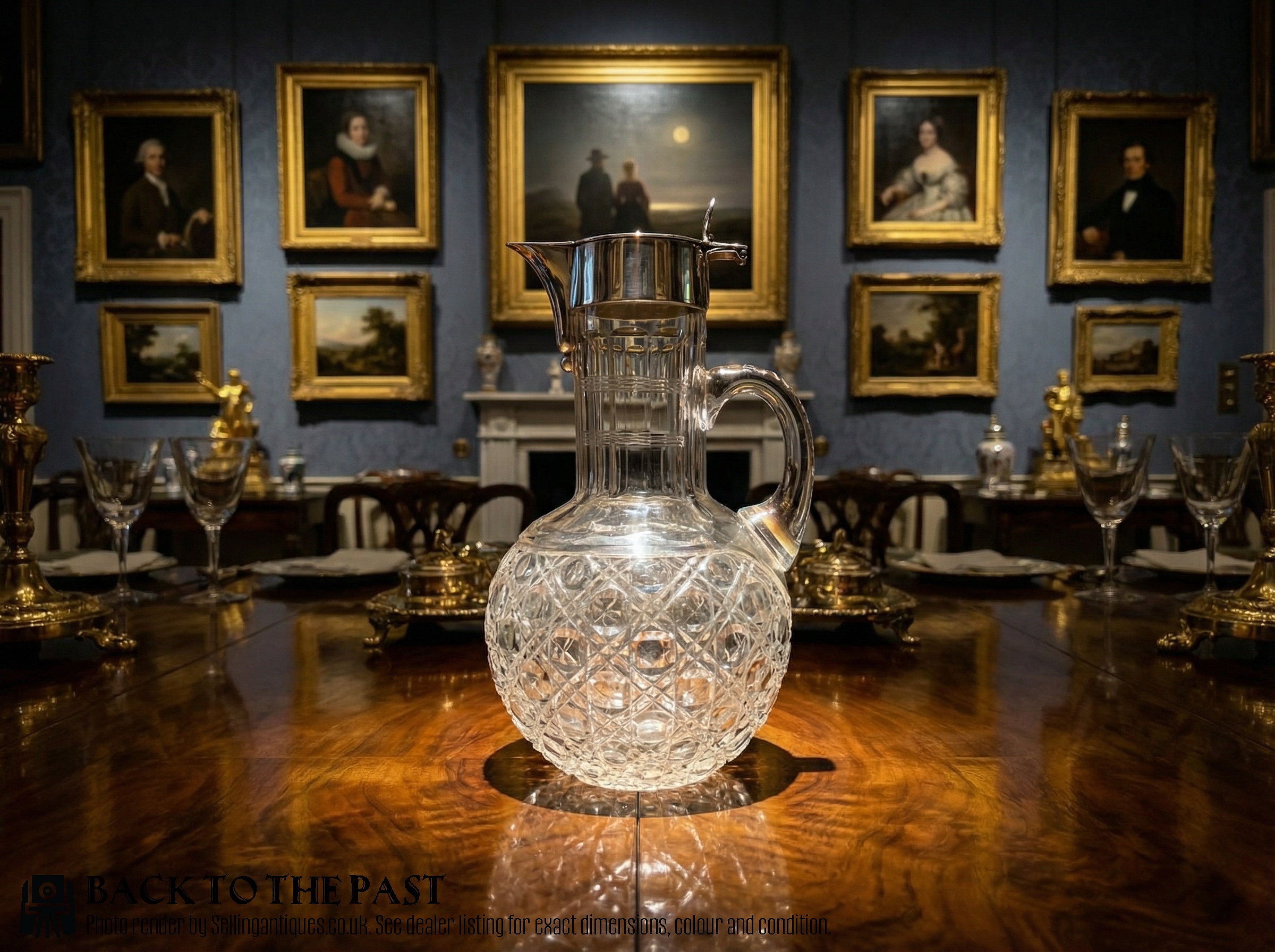
Materials and construction methods
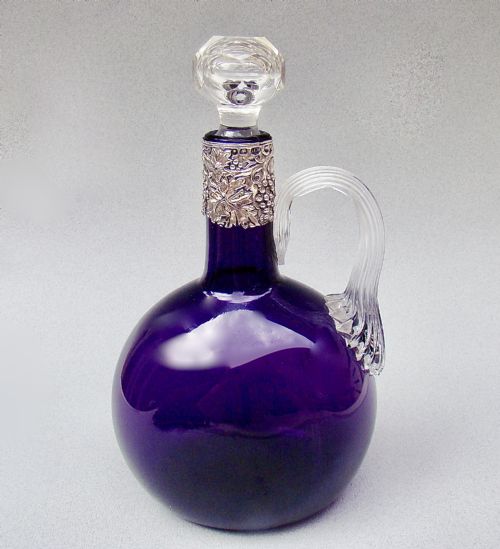
Makers constructed these vessels from sterling silver, Old Sheffield Plate, and silver plate over base metals, often combining them with hand-blown glass, cut crystal, amethyst glass, and salt-glazed stoneware bodies.
Silversmiths formed the metal collars, mounts, and hinged lids through hammering, casting, and repoussé work, securing them firmly to glass decanters or ceramic jugs.
Early examples utilise fused plate methods where a thin sheet of silver was thermally bonded to a copper core, while later pieces rely on electroplating or solid sterling construction.
Antique Silver Flagon Retail Price Guide 2026
Typical asking prices for silver flagon among the pieces listed under this phrase on Sellingantiques today, from the lower quarter to the upper quarter. They describe what is for sale here now, not the wider market.
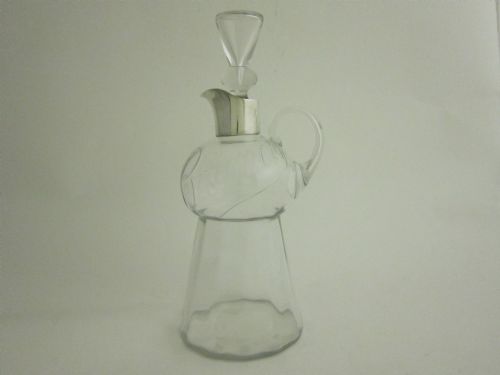
Some Victorian glass flagons feature whimsical figurine tops and intricate floral etchings designed to spark conversation at the dinner table.
Factors determining quality
The standard of an antique silver flagon rests upon the crispness of its chasing, the weight of the metal, and the clarity of the glass body. Heavy gauge sterling mounts and deeply cut crystal show superior craftsmanship.
Makers marks and hallmarks provide clear indicators of origin and workshop standards, distinguishing standard commercial production from specialised silversmith output. The integrity of the hinge mechanism and the tightness of the lid closure further differentiate pieces.
Henry Matthews·Edward Power·Elkington Mason·William Davenport·WMF
The Antique Silver Flagon Glossary
- Flagon
- A large drinking vessel with a handle and usually a lid, used for serving liquids. These pieces range from domestic beer jugs to ecclesiastical communion vessels.
- Old Sheffield Plate
- An early composite material made by fusing a thin layer of sterling silver to a copper base. This technique preceded modern electroplating.
- Repoussé
- A metalworking technique where the smith pushes the design out from the reverse side by hammering. It creates ornate, raised decorative motifs on silver mounts.
- Holloware
- Tableware items such as jugs, flagons, tankards, and decanters that have hollow interiors. They require specialist skills to raise from sheet metal or cast in sections.
- Salt-Glazed Stoneware
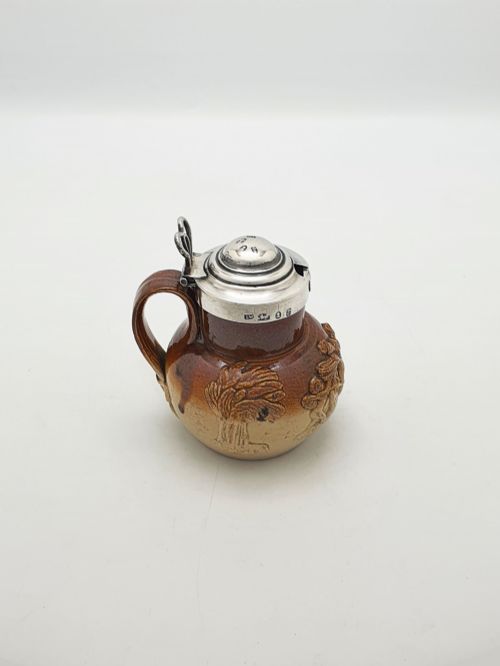
- Pottery fired at high temperatures with common salt thrown into the kiln to produce a glossy, textured glaze. These sturdy bodies frequently received silver collars.
Antique Silver Flagon: Frequently Asked Questions
Were these flagons used for wine or beer?
Historical use depended on the specific form and material of the vessel. Heavy stoneware and silver tankards generally served ale and beer, while glass decanters and claret jugs held wine at the dining table.
Ecclesiastical communion flagons served sacramental wine during church services, often matching chalices in boxed sets for transport or storage.
How do I date a silver mounted decanter?
Examine the hallmarks stamped on the silver collar or mount for specific date letters, maker's marks, and assay office symbols. These stamps provide the exact year of testing and registration.
When hallmarks are absent on silver plate or older pewter, rely on the manufacturing style, the cut of the glass, and the shape of the handle and hinge mechanism.
Can I still use these flagons for serving drinks?
Many glass and silver flagons remain fully functional for serving wine or water during formal meals. Inspect the interior for cleanliness and check that the hinged lid operates smoothly before use.
Historic pieces with delicate crystal bodies or antique silver plate require hand washing only, as modern dishwashers will damage the historic materials.