

Antique Silver Figurine
An antique silver figurine brings tactile charm to a cabinet, often taking the form of an animal, dancer, or novelty cruet.
Antique Silver Figurine
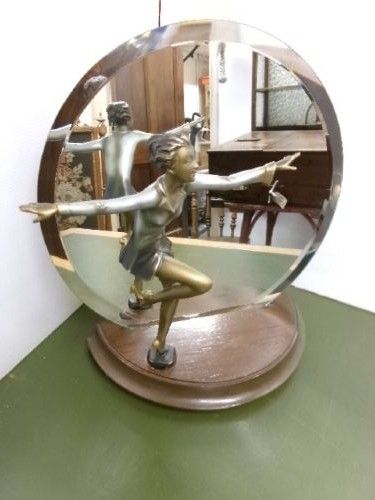
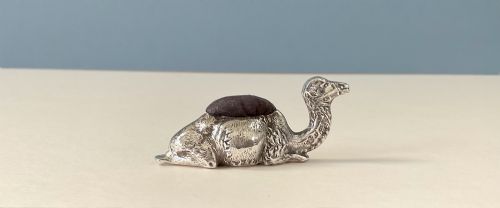
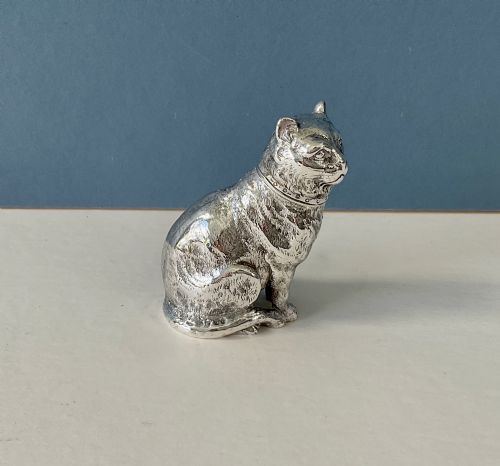
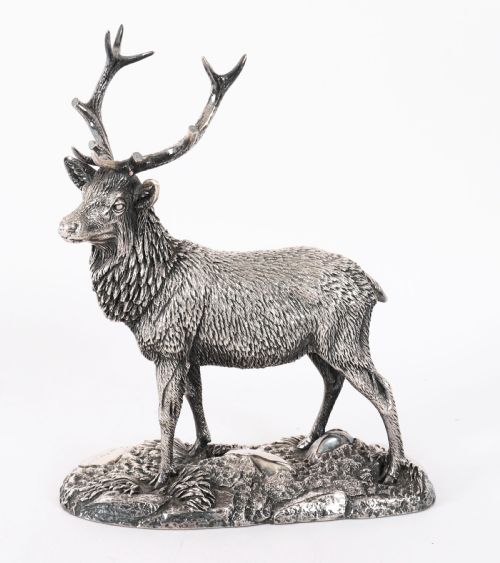
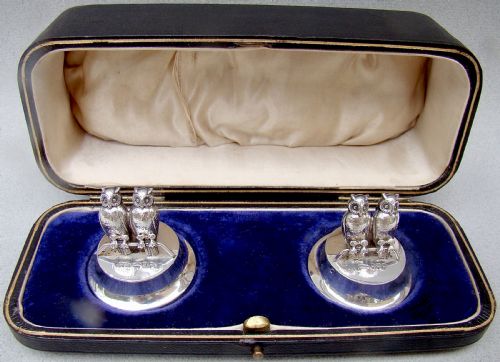
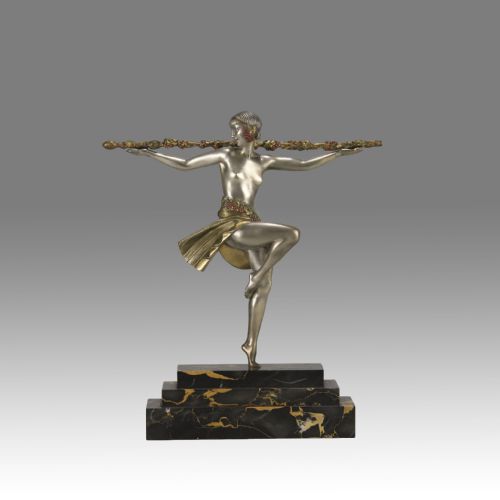
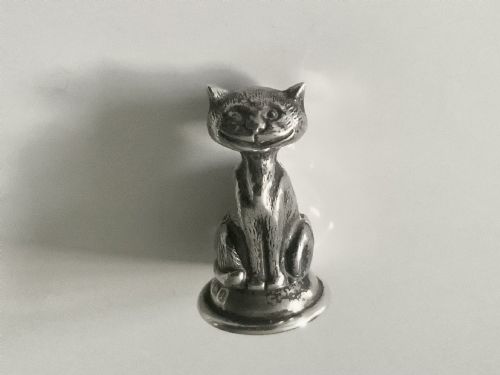
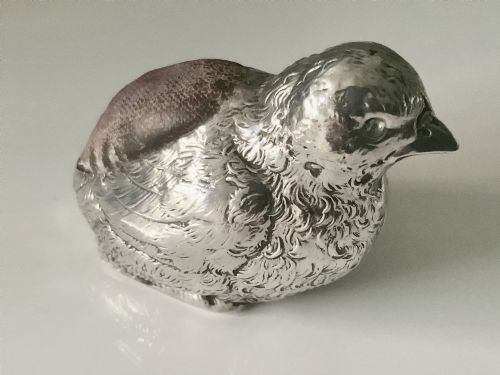
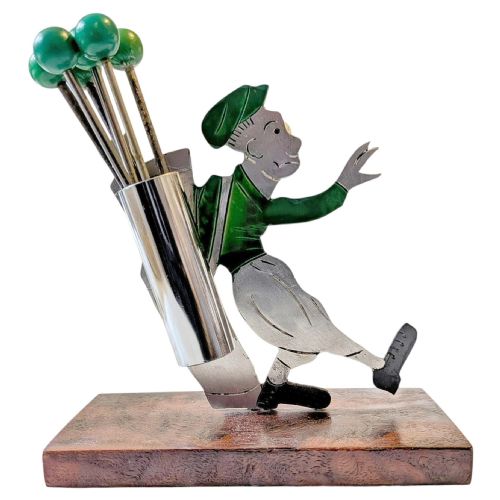
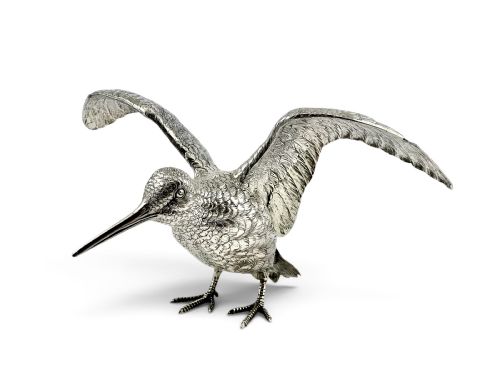
When searching for an antique silver figurine, collectors encounter diverse small-scale sculptures spanning the Victorian, Edwardian, and Art Deco periods, alongside Mid-Century examples. The selection ranges from functional table ornaments, pin cushions, and pepper pots to pure decorative sculptures depicting human figures and animals.
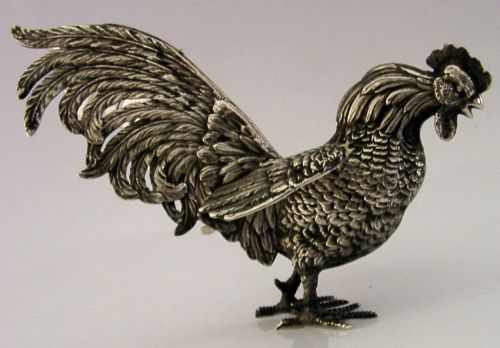
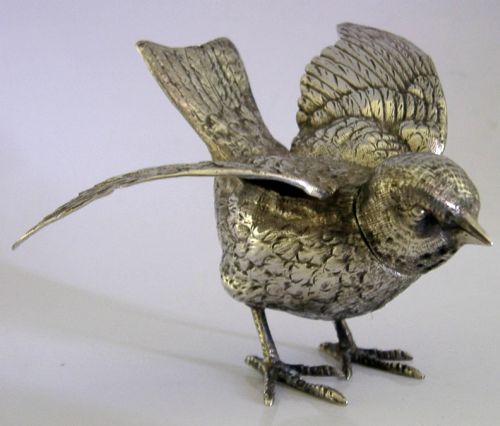
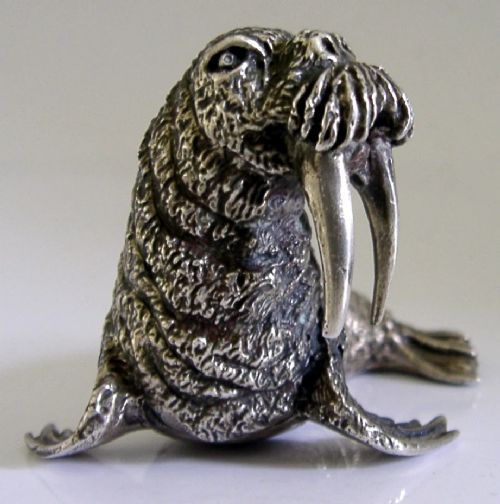
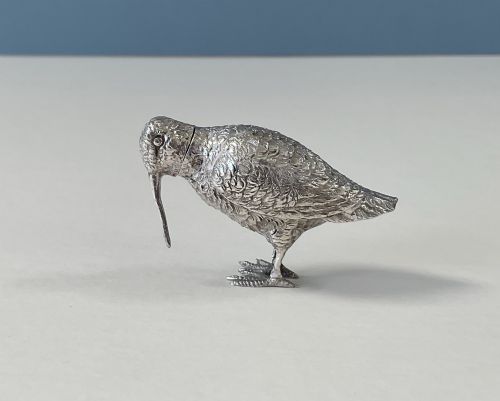
Bird and animal studies dominate the available forms, including pheasants, cockerels, owls, camels, frogs, and dogs. Human figures from the early twentieth century, such as dancers and golfers, also appear alongside whimsical novelty items like miniature sentry posts and Punch and Judy shows.
Materials and construction
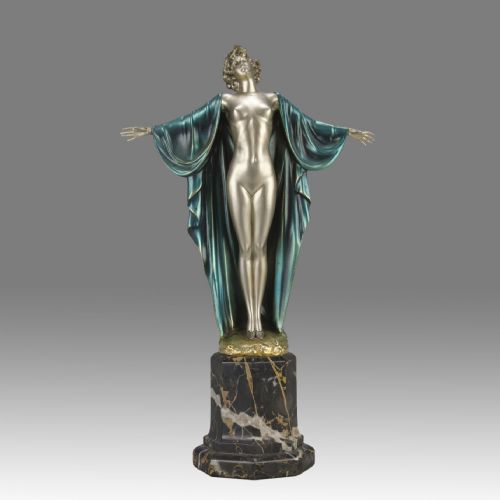
Many pieces utilise solid sterling silver or continental silver standards such as 833 and 800, shaped through casting and detailed hand-chasing. Other examples combine cold-painted bronze or spelter with bases of marble, onyx, wood, or ivory to achieve contrasting textures and polychrome finishes.
Makers often incorporated functional elements into sculptural bodies, creating hinged compartments for pin cushions, hollow forms for pepper pots, or articulated joints in fish and animal models.
Distinctions in quality
The integration of utility also defines standard; finely weighted pin cushions with intact textiles and fully functional pepper pots or menu holders show greater consideration by the silversmith.
Tom Mackie·Levi and Salaman·Pierre le Faguays·Ferdinand Preiss·Sudre·Josef Lorenzl·Frederique Cederlund-Ozanne·Berthold Muller·Gotthilf Jaeger
The Antique Silver Figurine Glossary
- Animalier
- A nineteenth and twentieth-century artistic focus on the realistic portrayal of animals. These sculptures capture creatures in natural postures, often with great anatomical precision.
- Cold-painted bronze
- A technique where bronze figures are painted with oil-based colours without the application of heat. The delicate polychrome finish requires careful preservation.
- Novelty piece
- An object made in an amusing or unusual shape that serves a secondary domestic function. Examples include cruets, pin cushions, and pill boxes shaped as animals or figures.
- Spelter
- An alloy of zinc and copper used as a substitute for bronze. It takes patination and paint well, appearing frequently in Art Deco decorative figures.
- Chasing
- A silversmithing technique used to ornament metal by hammering the front surface with punches. This creates raised details and texture without removing material.
Antique Silver Figurine: Frequently Asked Questions
What is a silver pin cushion?
A silver pin cushion is a small decorative object, frequently cast as an animal or bird, fitted with a fabric pad for holding sewing pins. They were popular desk and dressing table accessories during the Victorian and Edwardian periods.
Craftsmen shaped silver into realistic forms such as ducks, elephants, and frogs, inserting velvet or silk into the hollow body or base to secure needles safely.
How were novelty peppers used?
Novelty peppers functioned as tabletop condiment containers shaped like animals, figures, or architectural elements. Diners used them during formal meals for dispensing ground pepper.
These pieces combined whimsy with utility, often featuring removable heads or threaded bases for refilling spice, making them engaging conversation pieces for the dining table.
What is cold-painted bronze?
Cold-painted bronze refers to metal sculptures finished with cold enamel paints rather than fired ceramic glazes. This method allowed artists to apply vibrant, multi-coloured patinas to human figures and animal subjects.
Because the paint was not baked at high temperatures, surviving examples often show charming areas of wear where the underlying bronze or brass tone emerges.
How do I date a silver figurine?
Dating a silver figurine typically relies on hallmarks stamped into the metal, which indicate the assay office, date letter, and maker's mark. Stylistic markers also provide reliable chronological clues.
Pieces designed with geometric symmetry and stylised human forms generally point to the Art Deco era, whereas naturalistic animal studies and ornate cast birds frequently align with Victorian or Edwardian production.