


19th Century Silver Novelty
These 19th century silver novelty items turn everyday desk wares and accessories into conversation pieces shaped as animals, barrels, and miniature furnishings.
19th Century Silver Novelty
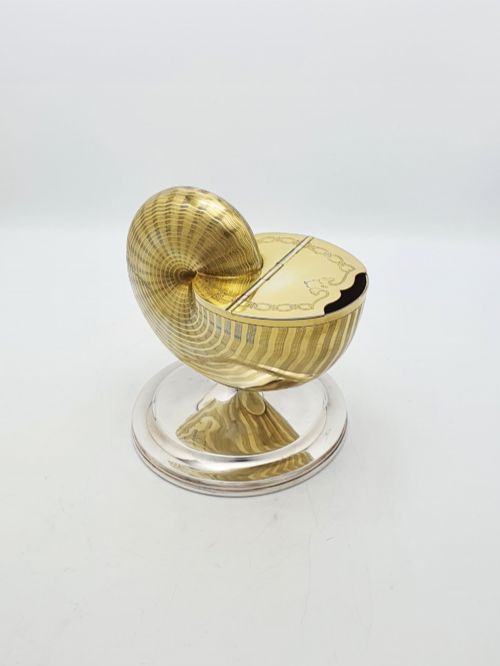
A search for 19th century silver novelty reveals an imaginative category of functional objects transformed into playful or unexpected shapes during the Victorian and Georgian eras. Collectors encounter diverse forms ranging from inkstands and pepper pots to walking sticks, scent bottles, and spoon warmers.
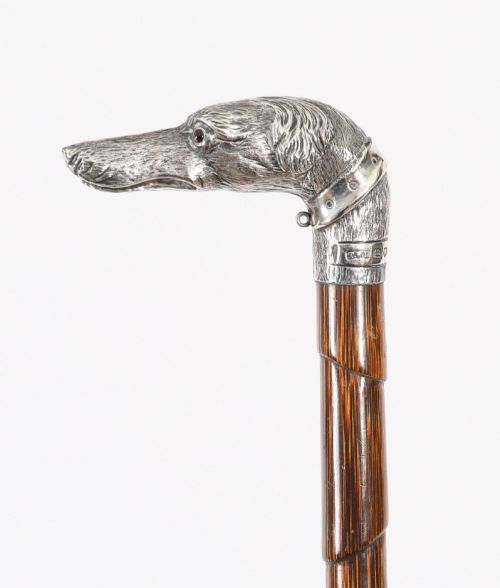
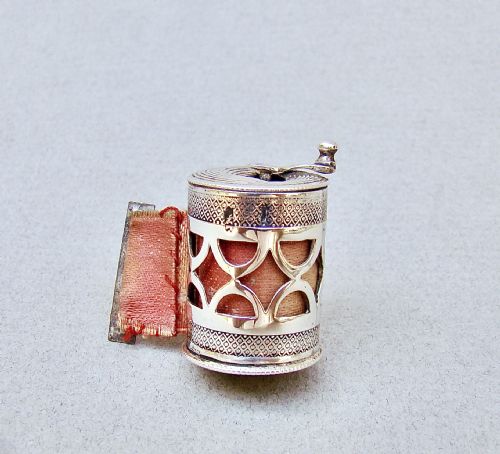
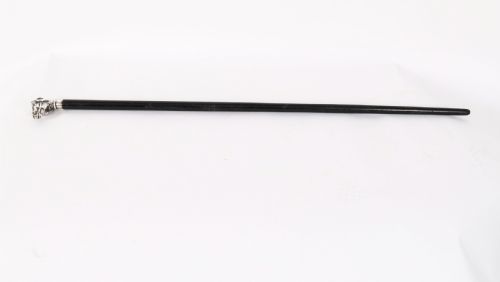
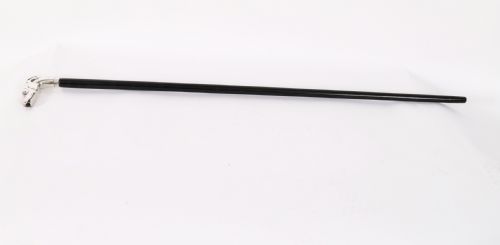
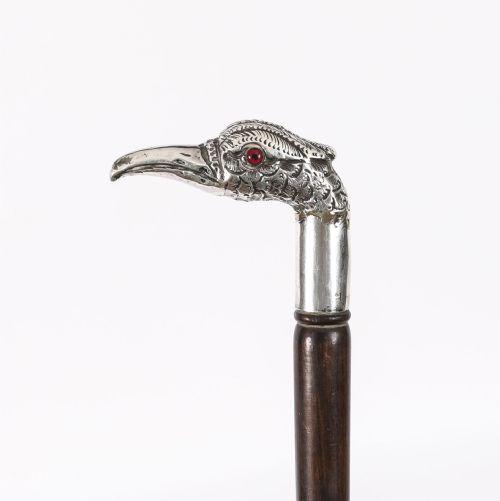
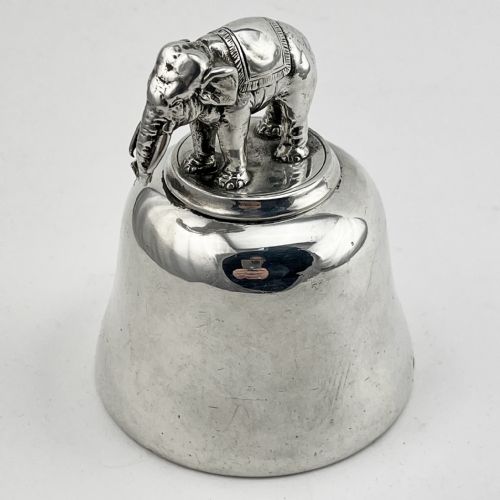
The most common variations on this page include walking canes with animal head handles such as greyhounds, boars, and horses, alongside desk accessories fashioned as drums, wheelbarrows, and miniature furniture. Pieces originate from English, French, Dutch, and Scottish workshops spanning the nineteenth century.
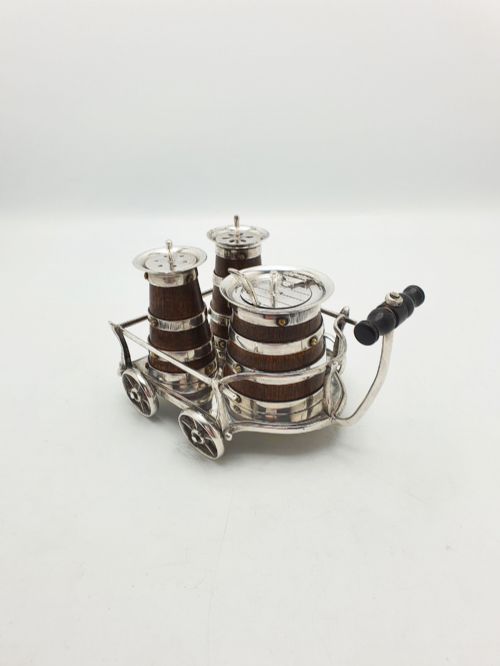
Makers used the medium to inject humour and theatricality into utilitarian domestic items. A condiment cruet takes the form of an oak barrel, while a sewing tool or scent bottle appears as a violin or a miniature sedan chair.
Materials and construction
Silversmiths employed sterling silver, silver plate, and pewter to cast, shape, and emboss intricate animal figures and architectural items. Many pieces combine silver with contrasting materials like glass, wood, horn, turtle shell, and frosted crystal to add texture and function.
Complex items required specialised techniques such as casting figural pepperettes, mounting silver handles onto snakewood or steel walking canes, and engraving miniature scent bottles. Hidden mechanisms in gadget canes integrate corkscrews, snuff boxes, and watches into the shaft.
Listings feature items from the 19th Century, Victorian, and Georgian periods, incorporating materials like silver, silver plate, glass, horn, wood, and steel.
Judging the standard of execution
Quality rests upon the crispness of the chasing and casting, especially in figural representations of animals and human characters where facial expression and anatomical detail define the piece. Superior examples maintain balance and proportion while concealing functional elements like inkwells, hinges, and compartments.
The choice of secondary materials influences the overall standard, distinguishing mass-produced silver plate over base metals from substantial sterling silver constructions paired with quality glass or carved wood.
Reid and Summers
The 19th Century Silver Novelty Glossary
- Pepperette
- A small shaker designed for dispensing ground pepper at the dining table. Nineteenth-century examples frequently take whimsical animal or figural shapes.
- Spoon warmer
- A decorative tabletop vessel used in the nineteenth century to hold hot water for warming table spoons before serving soup or gravy.
- Inkstand
- A fitted desk tray holding inkwells, sanders, and pen holders. Novelty versions incorporate sculptural figures and animals into the desk furniture.
- Cruet set
- A matched collection of glass bottles or containers mounted in a stand for holding condiments, oil, and vinegar. Novelty versions often adopt themed shapes like barrels or figural carts.
- Scent bottle
- A small container for holding liquid perfumes, often fitted with a screw cap. Miniature nineteenth-century pieces frequently adopt unexpected forms such as violins or owls.
19th Century Silver Novelty: Frequently Asked Questions
How were walking sticks used?
Walking canes functioned as fashionable accessories for daily strolls while often concealing hidden compartments and tools. Gadget sticks frequently integrated snuff boxes, corkscrews, watches, and specialised handles.
The handles themselves doubled as sculpted art pieces, featuring greyhound, rabbit, boar, or horse heads carved or cast in silver.
How do I care for silver novelty items?
Silver and silver-plated items require gentle cleaning with a soft cloth to preserve the polished surface and intricate chasing. Avoid harsh chemical dips that strip away patination from nineteenth-century surfaces.
Pieces incorporating glass, wood, or horn need careful handling to protect the mixed media joints from moisture and extreme temperature changes.
How do I identify the period?
Dating relies on stylistic clues, hallmarks, registration dates, and material combinations associated with Georgian and Victorian manufacturing. Pieces marked with registry numbers or specific silversmith attributions offer clear chronological markers.
Motifs such as Rococo Revival curves, specific animal subjects, and the use of frosted crystal or snakewood help align items with mid-to-late nineteenth-century production.