


Continental Silver Table Ornament
These continental silver table ornaments bring striking animal figures and figurative vessels to the dining table.
Continental Silver Table Ornament
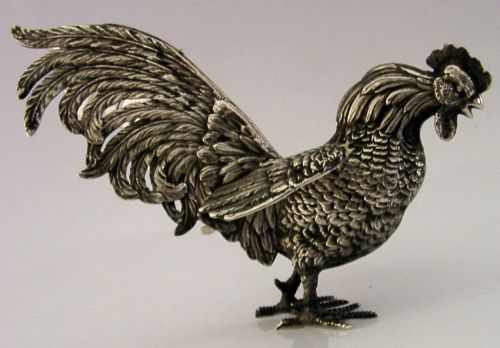
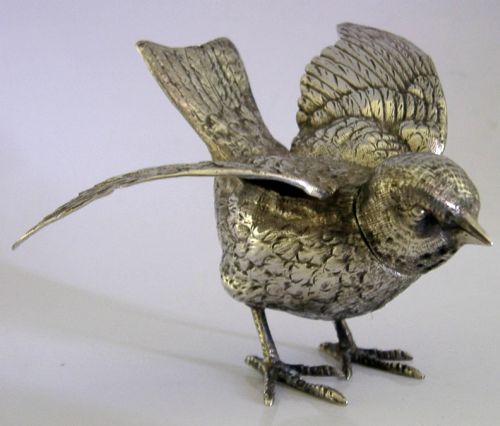
A continental silver table ornament encompasses figurative silver animal figures, birds, and novelty vessels made across Europe. You are likely to meet cockerels, chickens, pheasants, grouse, and woodcocks standing on the dining table or sideboard.
The objects span the nineteenth century, the Edwardian period, and the mid-twentieth century. Many take the form of pepper pots, toothpick holders, sugar boxes, and wager cups.
Makers drew on historicist revivals, art deco, and mid-century European designs. The variety ranges from German Renaissance revival figures to Dutch animal models.
Materials and construction
Pieces are formed from solid silver, sterling silver, silver plate, and 833 silver. Metalsmiths shaped these materials into detailed animal and bird forms.
Techniques combine casting and fine chasing to define feathers, fur, and anatomical details. Functional vessels integrate compartments within the animal bodies for pepper, sugar, or toothpicks.
Listings feature silver, sterling silver, solid silver, 833 silver, and silver plate across the nineteenth century, Edwardian era, and mid-twentieth century.
Quality variations
Quality rests upon the crispness of the chasing and the naturalism of the animal form. Finer pieces display detailed feather and fur texturing that brings the subject to life.
The integrity of the construction distinguishes standard domestic items from finer sculptural works. Well-balanced proportions and secure fitting lids on functional pots separate the better examples.
Bernard Muller
The Continental Silver Table Ornament Glossary
- Sterling silver
- A silver alloy containing 92.5 percent pure silver by mass, with other metals added for durability. It forms the primary metal for many nineteenth and twentieth-century European table items.
- 833 silver
- A continental European silver standard denoting an alloy of 83.3 percent purity. This mark appears frequently on items originating from the Netherlands and nearby regions.
- Wager cup
- A traditional bridal or drinking cup shaped as a human figure holding a swinging cup. Guests competed to drink from the main vessel and the smaller suspended cup without spilling.
- Chasing
- A goldsmithing technique where metal is worked from the front with hammers and punches to sink the surface and create raised decorative motifs. It defines the feather and surface patterns on these animal figures.
Continental Silver Table Ornament: Frequently Asked Questions
What is a continental silver table ornament?
It is a decorative silver object made in mainland Europe, frequently shaped as an animal or bird.
Many examples double as functional tableware items like pepper pots or sugar boxes.
How were these silver animals used?
They stood as decorative centerpieces on dining tables and sideboards during formal meals.
Certain pieces held condiments, toothpicks, or served wine during celebratory toasts.
How do I date an antique silver bird?
Dating relies on examining hallmarks, stamps, and the stylistic influence of the period.
Pieces reflect nineteenth-century historicism, Edwardian tastes, or mid-century European design.
What metals are used in these ornaments?
Items appear in sterling silver, solid silver, silver plate, and 833 silver.
European silversmiths selected these specific grades to suit casting and fine chasing.