
Antique Silver Caster
An antique silver caster serves sugar, spice or pounce across the table with a pierced domed lid.

Antique Silver Caster
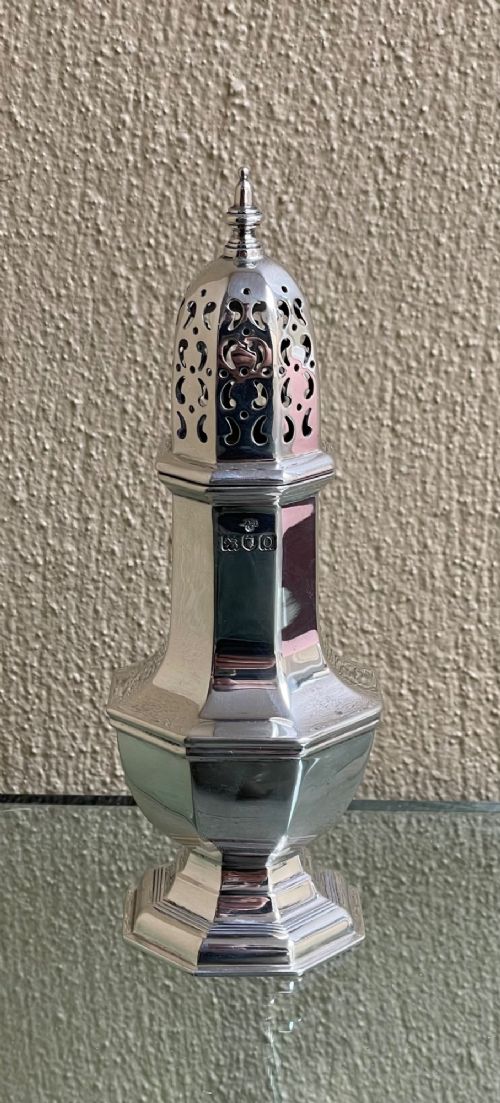
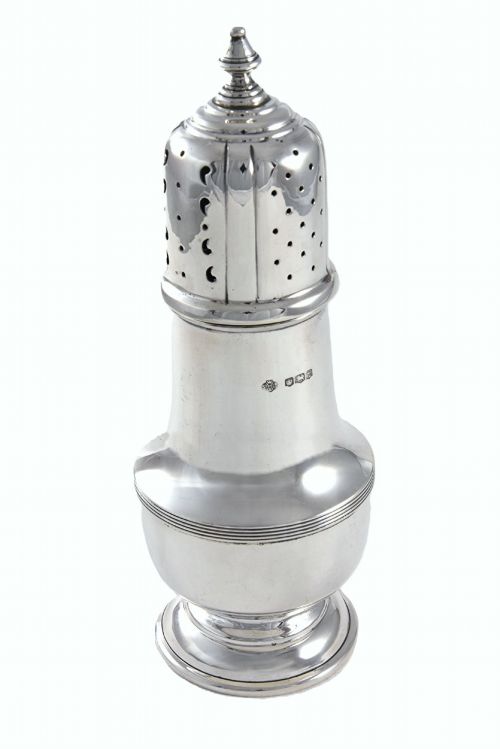
An antique silver caster stands as a perforated vessel designed for dusting sugar, spices or pounce over food and documents.
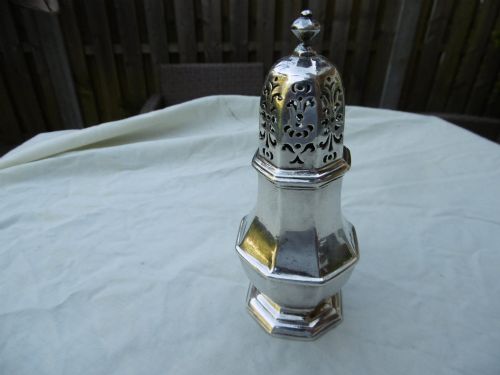
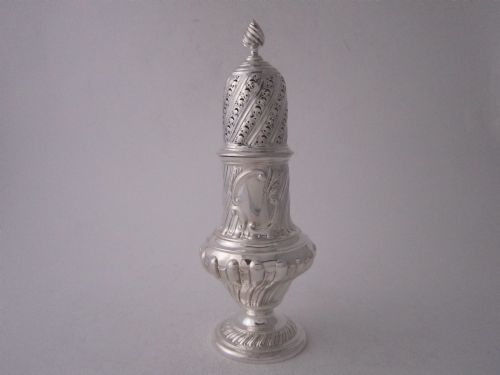
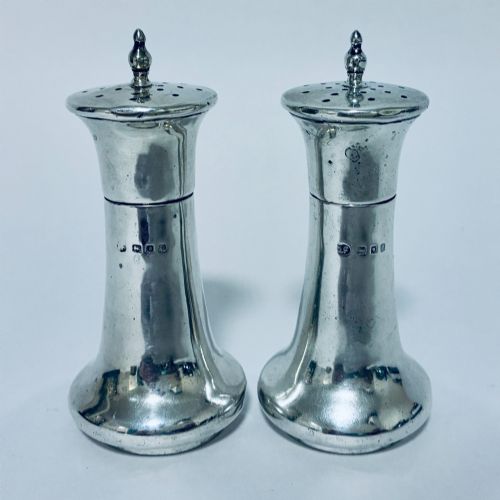
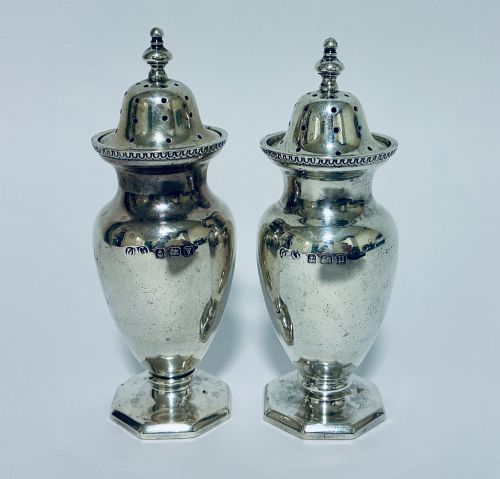
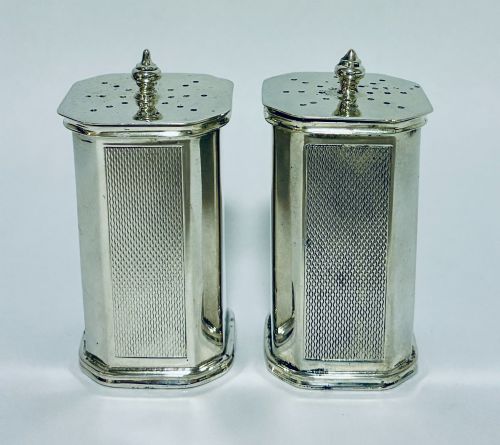
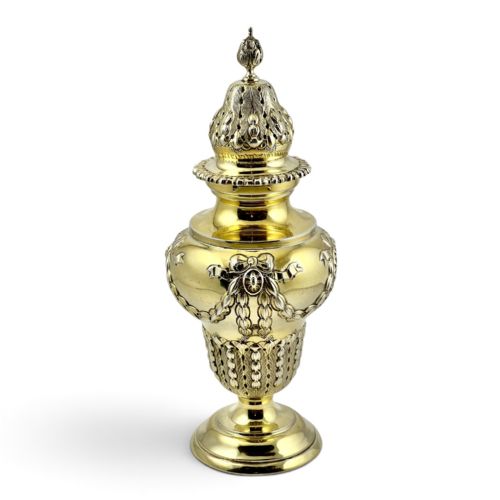
Makers shaped these utilitarian containers in various profiles, spanning the octagonal Georgian forms, tall Victorian shakers and Edwardian baluster silhouettes.
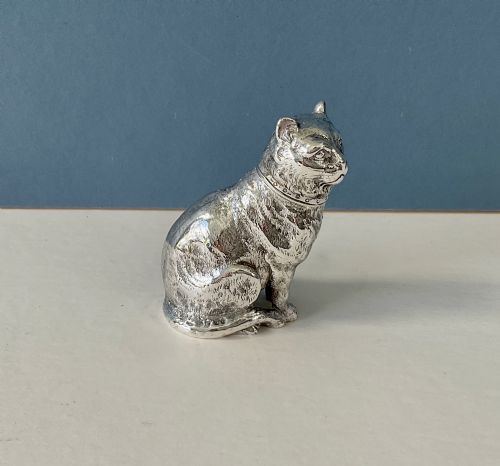
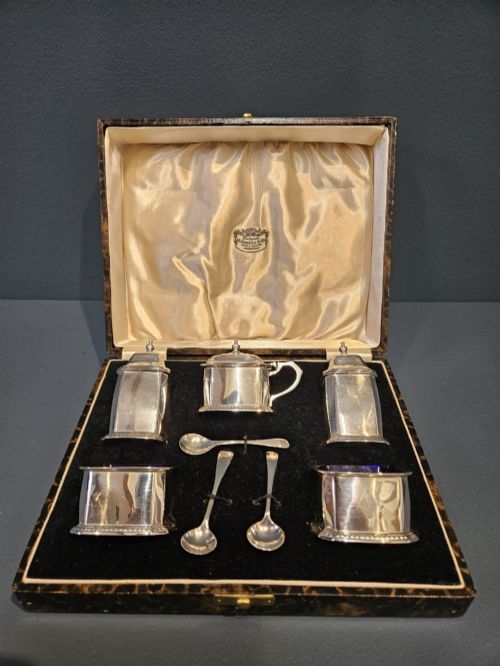
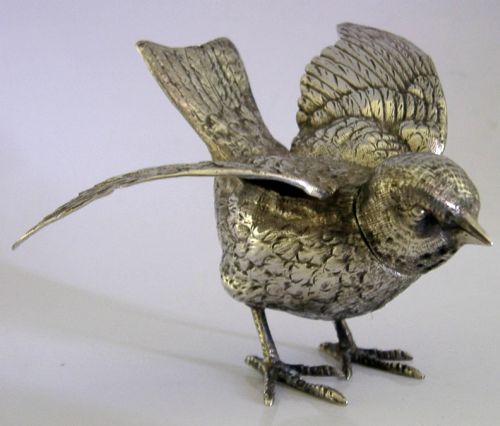
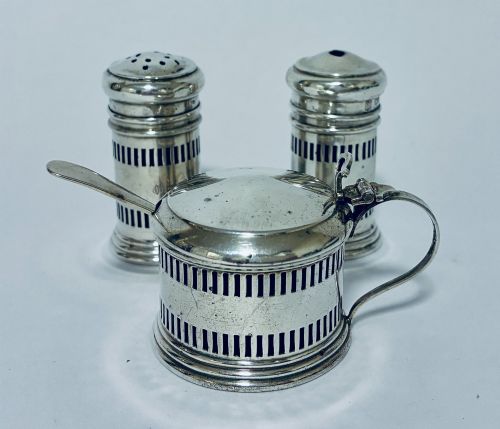
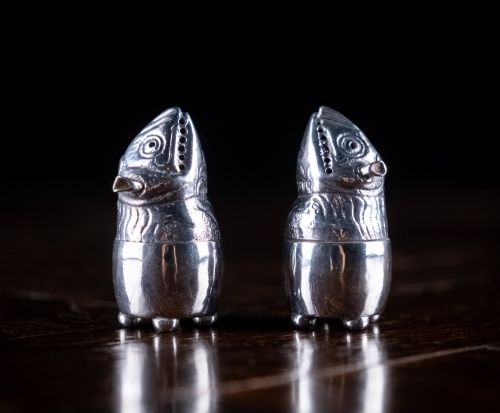
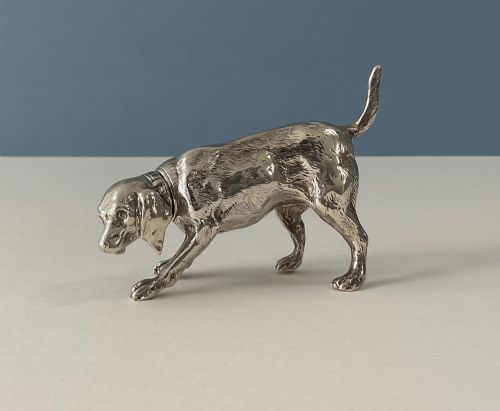
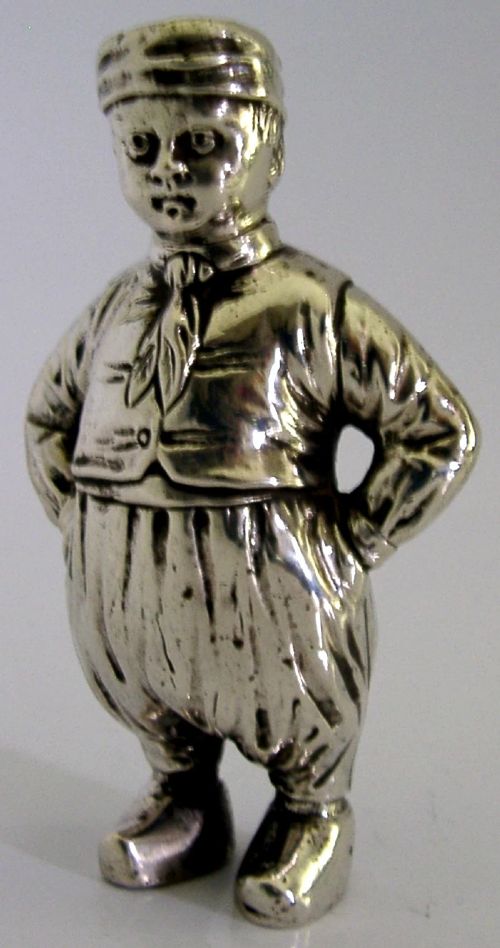
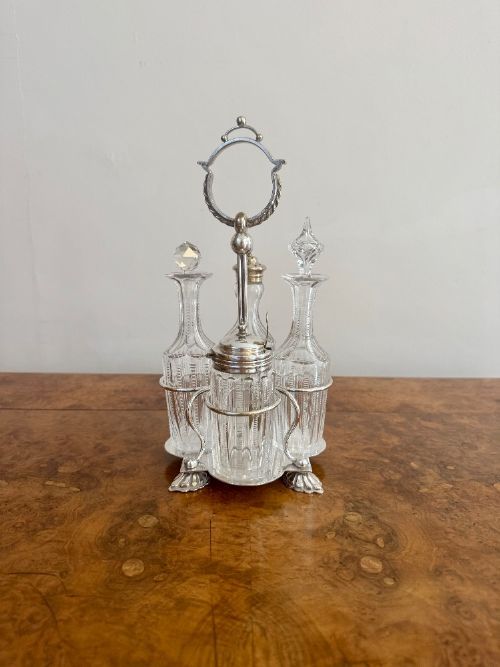
The category also encompasses larger cruet sets, condiment bottles, and novelty pepper pots shaped as animals or figures.
Pieces originating from the eighteenth century down to the mid-twentieth century appear alongside revival styles.

How they were made
Silversmiths hammered or spun sterling silver and Britannia silver into bodies, often pairing them with cut glass or blue glass liners.
Piercing saws and drills cut intricate patterns into the removable lids, allowing fine powders to pass through evenly.
Certain examples received a layer of gold via silver gilt treatments, while others combined silver plate with cranberry flashed glass.
Antique Silver Caster Retail Price Guide 2026
Typical asking prices for silver caster among the pieces listed under this phrase on Sellingantiques today, from the lower quarter to the upper quarter. They describe what is for sale here now, not the wider market.
What varies in quality
Weight and gauge of the metal define the physical substance of a piece, distinguishing heavy cast silver from thinner stamped alternatives.
The precision of the lid's piercing and the tightness of its fitting indicate the care taken by the silversmith during production.
Engraved crests, crisp hallmarks and sculptural novelty details elevate standard tableware into accomplished craftsmanship.

Goldsmith & Silversmith's·Frederick Brasted·Charles Thomas Fox·Stephen Adams·James Goodwin·Simon Pantin·Barker Brothers·James Dixon & Sons Ltd·Evald Nielsen·Langlands and Robertson·Samuel Wood·John Delmester·William Comyns·Mappin Brothers·Walker & Hall·William Batt & Sons
The Antique Silver Caster Glossary
- Caster
- A small container with a perforated top used for shaking sugar or spices. Examples often feature bayonet or slip-in covers.
- Pounce
- A fine powder sprinkled over rough parchment to prepare a smooth writing surface. Pounce pots share the pierced design of sugar casters.
- Cruet set
- A matched group of bottles or casters held together on a stand for condiments at the dining table. Sets frequently include mustard pots and oil cruets.
- Silver gilt
- Silver coated with a thin layer of gold on the interior or exterior surface. This technique protected the metal from acidic contents.
- Muffineer
- An alternative term for a sugar caster used specifically for sprinkling sugar onto warm muffins. They share the same baluster shape as standard shakers.
Antique Silver Caster: Frequently Asked Questions
How do I use an antique silver caster?
Fill the interior with fine castor sugar or dry spices through the base or by removing the lid. Shake gently over desserts or dishes to distribute the contents through the pierced pattern.
Keep the interior clean and dry after use to prevent any residue from marking the silver or glass surfaces.
What is the difference between a caster and a shaker?
The terms are largely interchangeable in antique silver descriptions, though older eighteenth-century pieces are traditionally termed casters. Both describe vessels with pierced lids meant for dispensing dry powders.
Shaker is more commonly applied to Victorian and later domestic examples, while caster covers the entire historical timeline from George I onward.
How do I date an antique silver caster?
Examine the hallmarks stamped on the body or lid, which indicate the assay office, date letter and maker's mark. British pieces carry official stamps that trace the year of manufacture.
Stylistic cues such as Georgian octagonal panels, Victorian embossing or Edwardian simplicity also help narrow down the period.
Are novelty pepper pots functional?
Novelty pepper pots shaped as animals or figures were designed to hold and dispense pepper at the dining table. Their heads or bodies typically detach for refilling.
While fully usable, many owners display them as decorative small sculptures alongside traditional tableware.