

Antique Sideboard Table
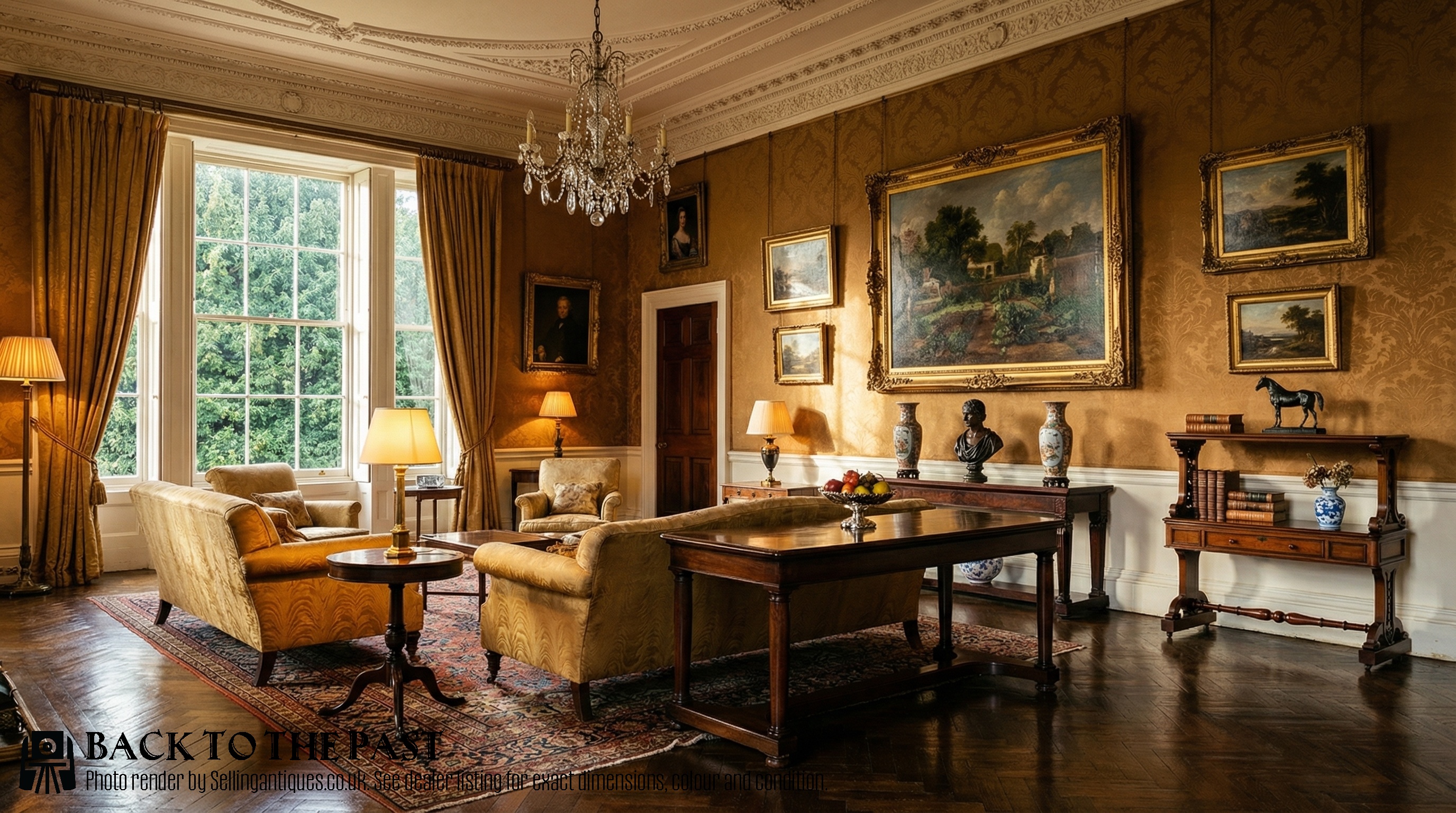
When you search for an antique sideboard table, you encounter practical dining room servers and serving tables spanning several centuries of cabinet-making.
Antique Sideboard Table
An antique sideboard table unites the practical surface of a serving table with the storage of a cabinet or dresser base. Buyers seeking this phrase typically find formal dining room pieces alongside rustic farmhouse variants.
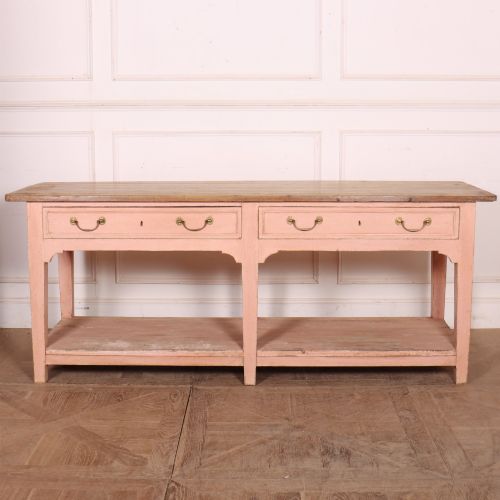
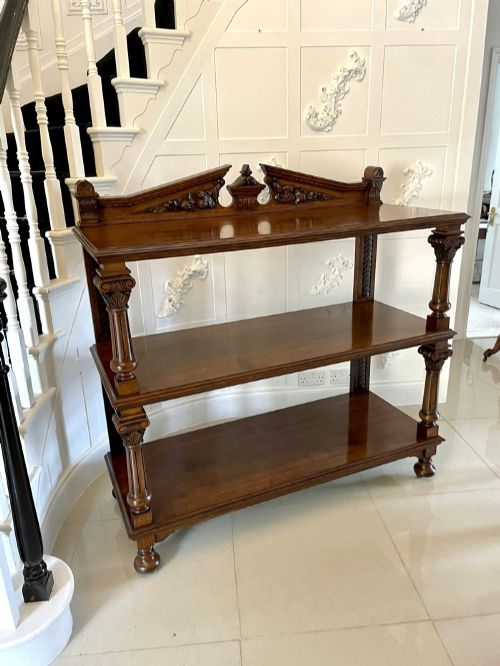
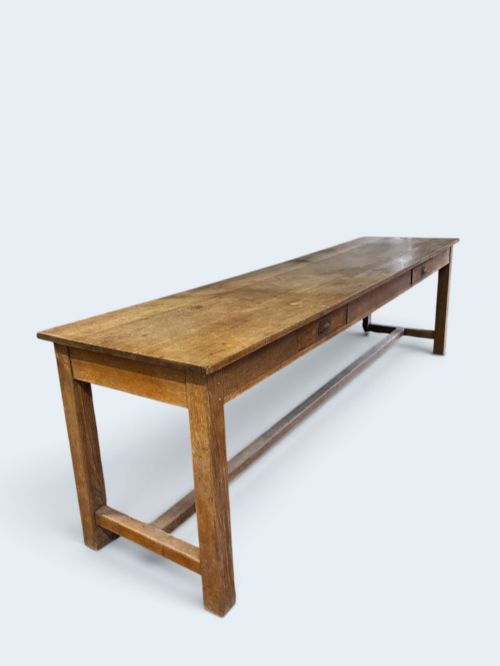
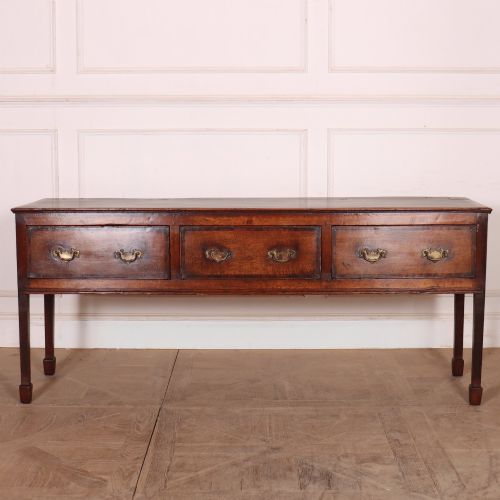
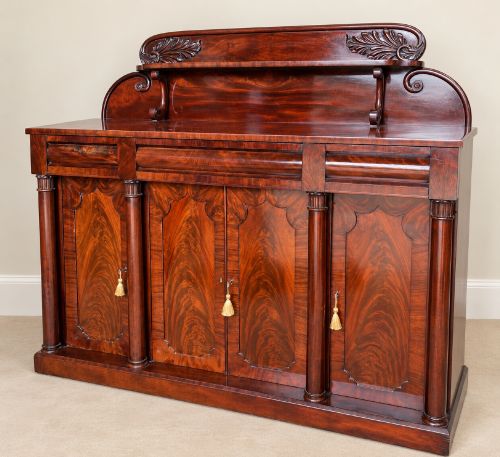
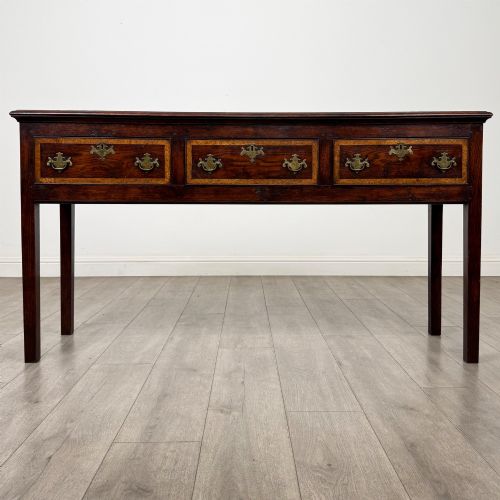
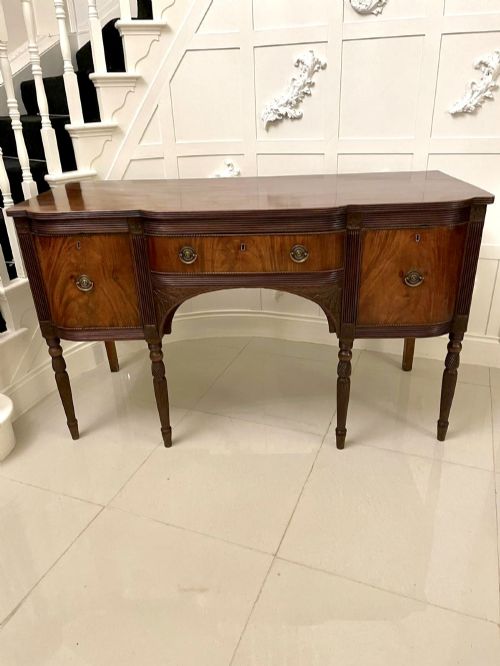
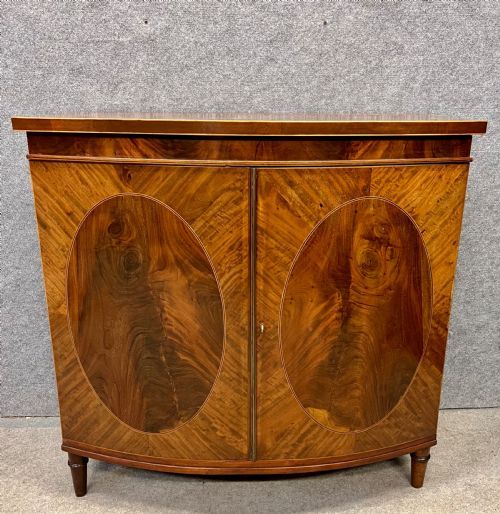
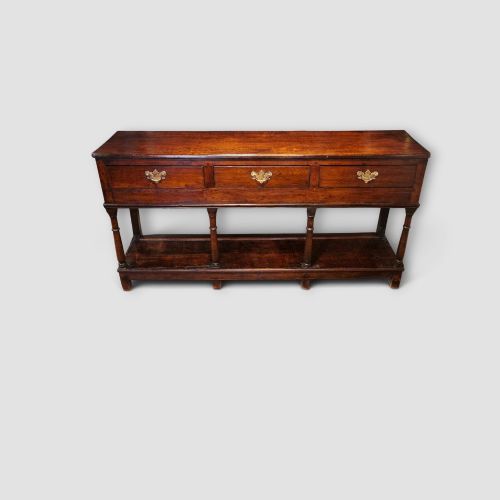
The selections span the eighteenth, nineteenth and twentieth centuries, encompassing Georgian proportions, Victorian mass and Edwardian refinement. Forms range from bow-fronted mahogany servers to oak potboard bases and console tables.
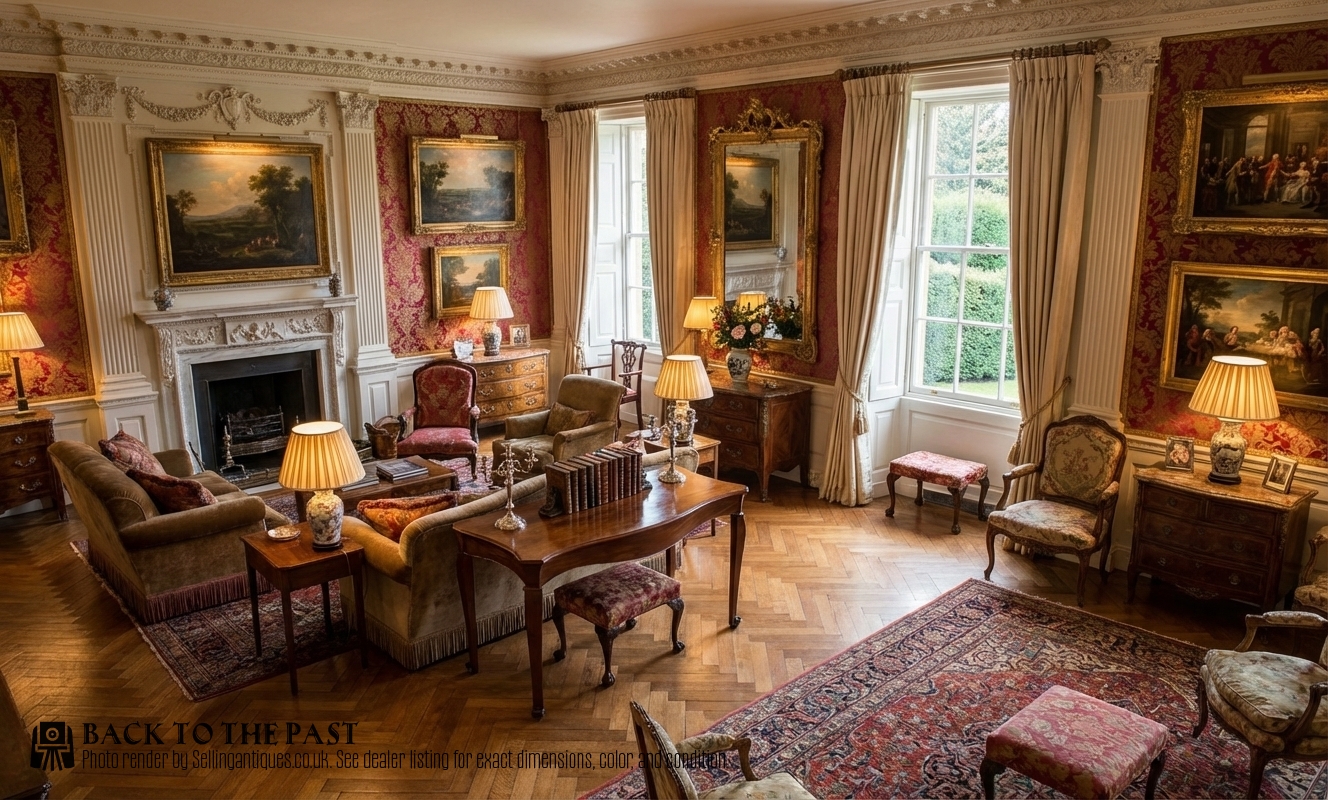
Origin variations include English workshops, Scottish farmhouses, Welsh country homes and continental centres. Pieces adapt to modern interiors as hall tables, console units or dining room servers.
How they were made
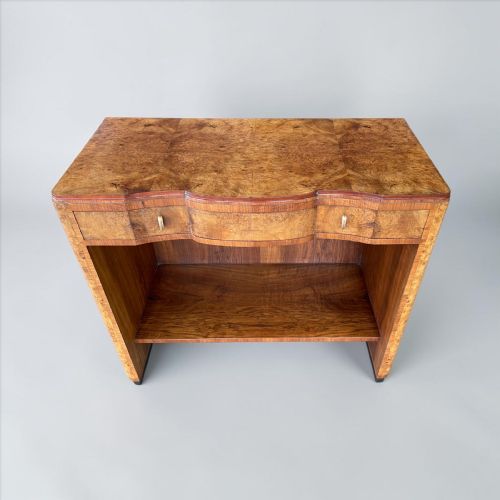
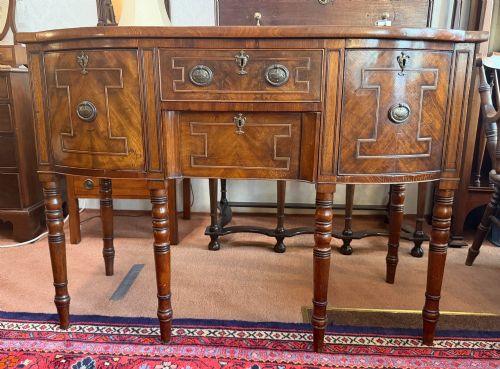
Makers relied heavily on solid timber and rich veneers, constructing carcases primarily from oak, mahogany, walnut and satinwood. Flame mahogany and burr walnut provided decorative grain patterns on drawer fronts and doors.
Construction techniques involved traditional joinery such as dovetailing for drawers and mortise and tenon frames for structural support. Inlaid details utilised contrasting woods, while brass hardware served for handles and drawer pulls.
Antique Sideboard Table Retail Price Guide 2026
Typical asking prices for sideboard table among the pieces listed under this phrase on Sellingantiques today, from the lower quarter to the upper quarter. They describe what is for sale here now, not the wider market.
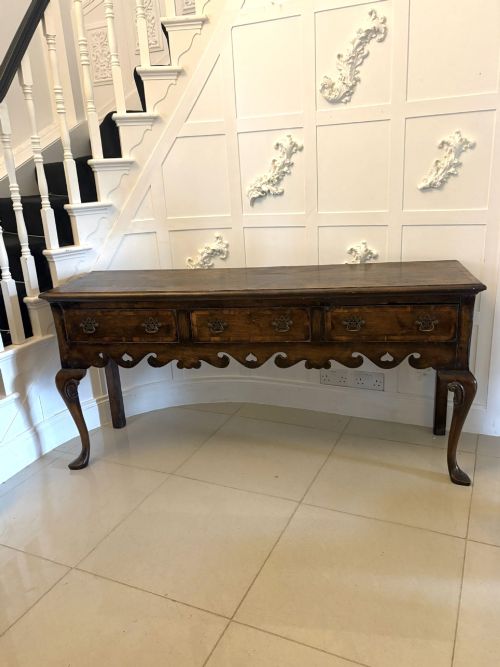
Form variations span traditional dresser bases with potboards, serving tables, breakfront sideboards, and console wall tables.
What varies in quality
Quality rests upon timber selection and the precision of the cabinet-maker's joinery. Figured grains, matched veneers and carefully carved details elevate a piece beyond standard utilitarian production.
Proportions and architectural balance determine the visual success of the piece. Superior examples exhibit harmonious drawer arrangements, crisp carving and original brass fittings without compromise.
Maurice Adams·Arthur Simpson of Kendal·Salaman Hille·Harry and Lou Epstein
The Antique Sideboard Table Glossary
- Potboard
- An open lower shelf on a dresser base designed for storing heavy pottery and kitchen equipment. This feature appears frequently on country oak pieces from the eighteenth century onwards.
- Breakfront
- A piece of furniture featuring a central section that projects forward from the flanking wings. This architectural arrangement creates depth and shadow on larger dining room servers.
- Bow-front
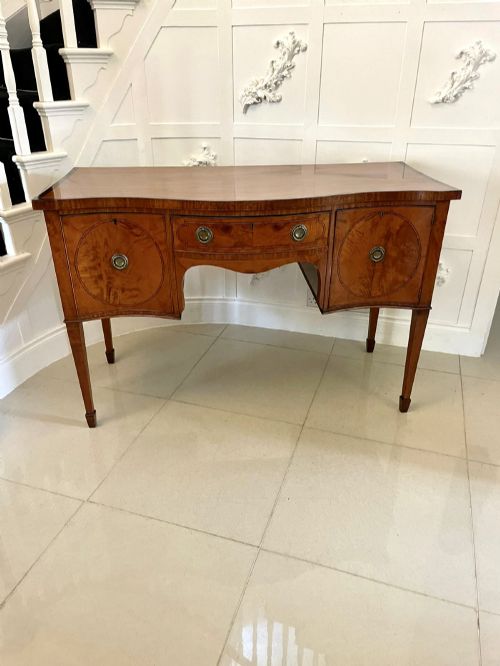
- A convex curved front profile that softens the rectangular geometry of a serving table. This popular Georgian and Regency design enhances movement across the piece.
- Serpentine
- A shaped furniture front featuring a concave centre flanked by convex curves. This undulating outline demands exceptional woodworking skill from the maker.
- Marquetry
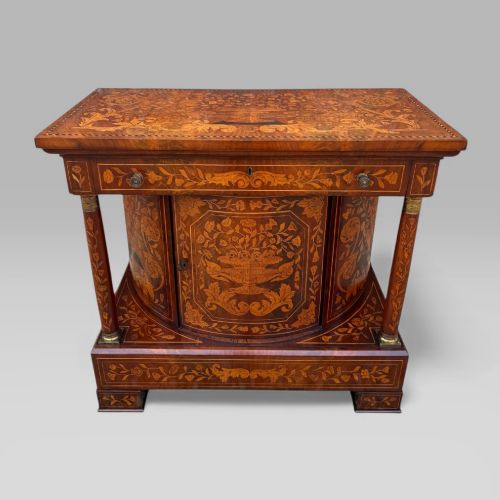
- Decorative veneer work created by fitting together small pieces of contrasting wood or other materials to form pictorial designs. Workshops utilised this technique on fine Edwardian and continental cabinets.
Antique Sideboard Table: Frequently Asked Questions
What is an antique sideboard table?
An antique sideboard table is a serving piece designed for dining rooms to hold food, tableware, and linens. These items combine flat top surfaces with drawers and cupboards underneath.
Craftsmen built them across the eighteenth, nineteenth, and twentieth centuries in styles ranging from formal Georgian mahogany to rustic oak farmhouse designs.
How were these tables used?
Dining rooms utilised these tables for serving meals, displaying silver, and storing dining accessories out of sight. Servants placed dishes on the top surface before transferring them to the main dining table.
Lower shelves, known as potboards, held heavy serving platters and earthenware pottery within easy reach.
How do I live with one?
These tables adapt easily to modern hallways, living rooms, and kitchens as console units or storage credenzas. Their generous surface areas accommodate lamps, mirrors, and decorative objects.
Storage drawers handle household clutter while the timber adds warmth and historical character to contemporary interior spaces.
How do I tell periods apart?
Georgian examples often feature straight or bow fronts in figured mahogany with delicate stringing and tapered legs. Victorian versions tend to be heavier with carved oak, mirror backs, and panelled doors.
Edwardian pieces introduce lighter satinwood or marquetry inlay alongside revival styles referencing earlier centuries.