


Antique Side Table Leaves
Antique side table leaves encompass versatile drop-leaf and folding tables crafted in mahogany, oak, and rosewood for flexible living spaces.
Antique Side Table Leaves
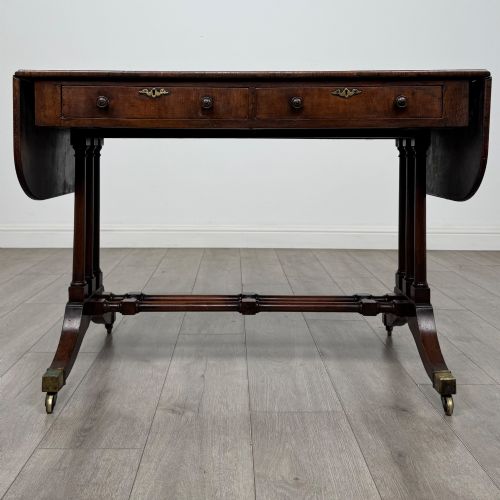
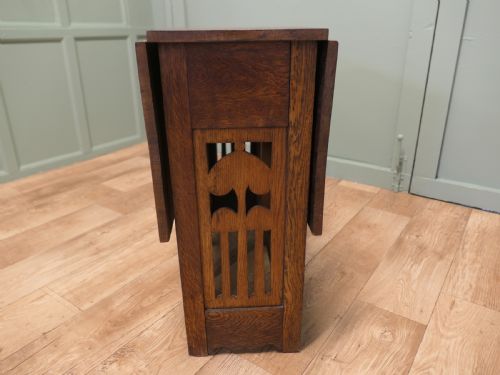
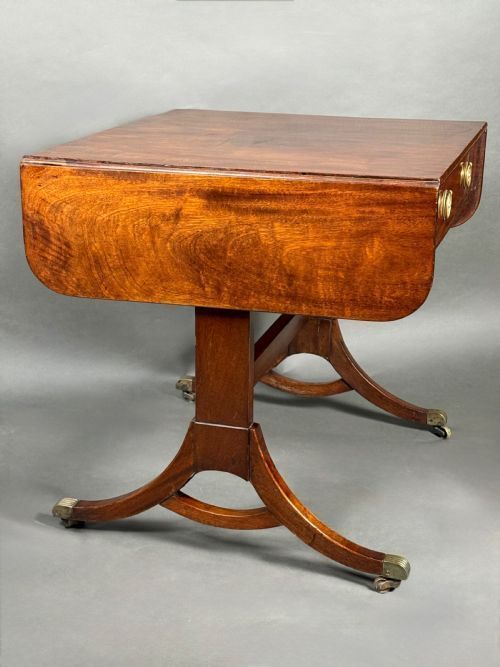
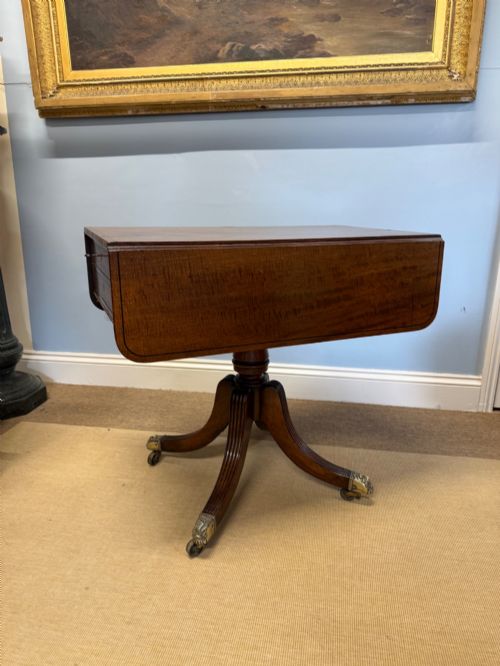
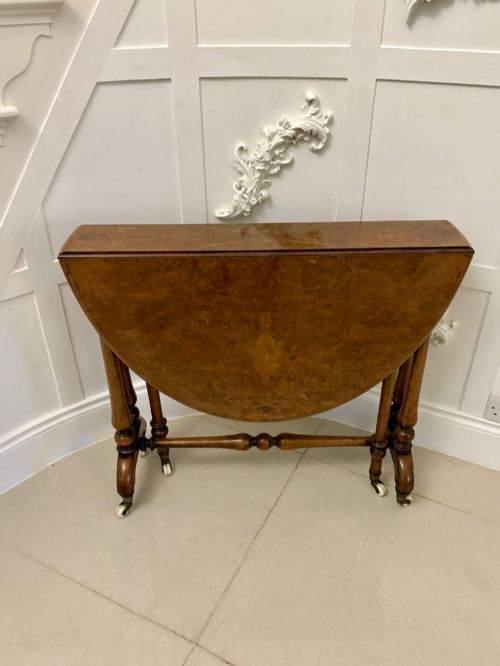
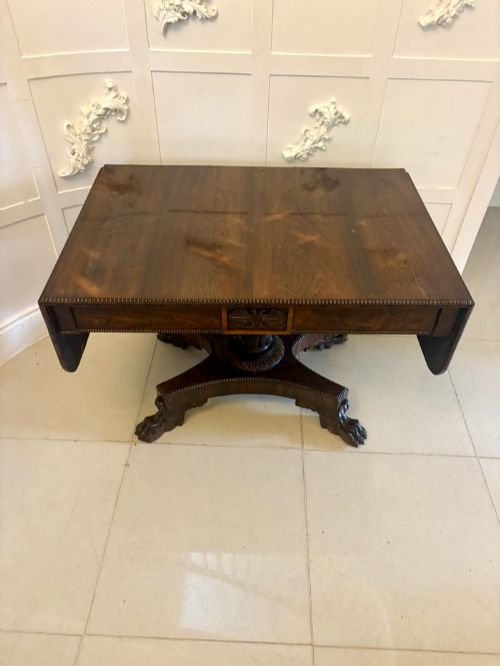
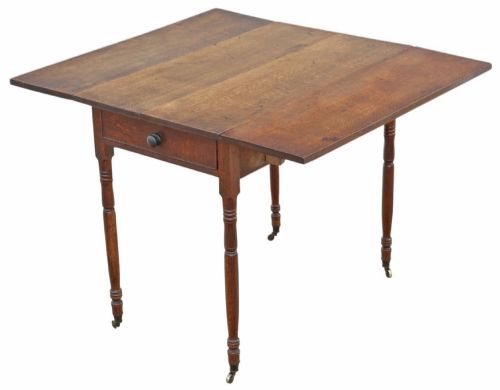
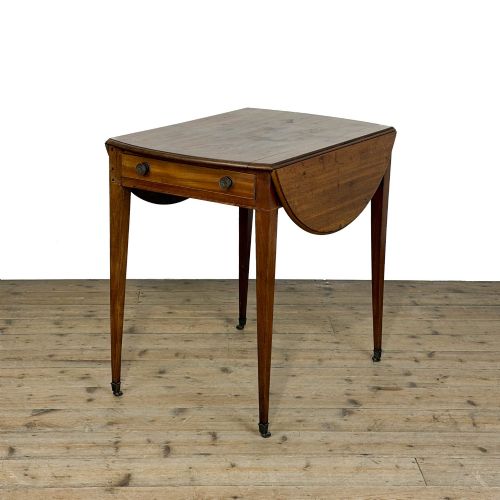
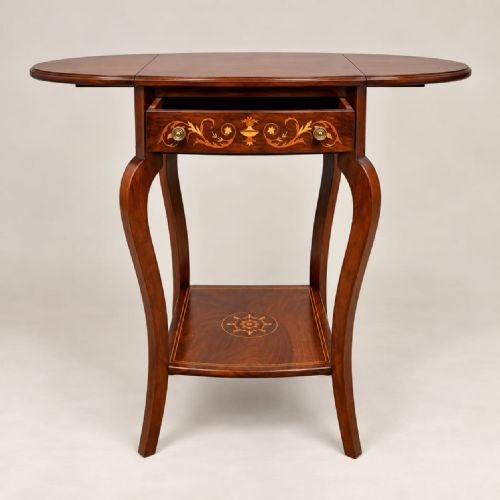
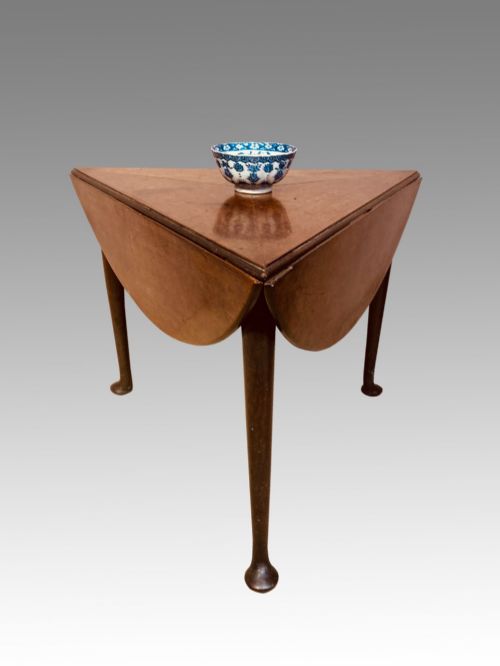
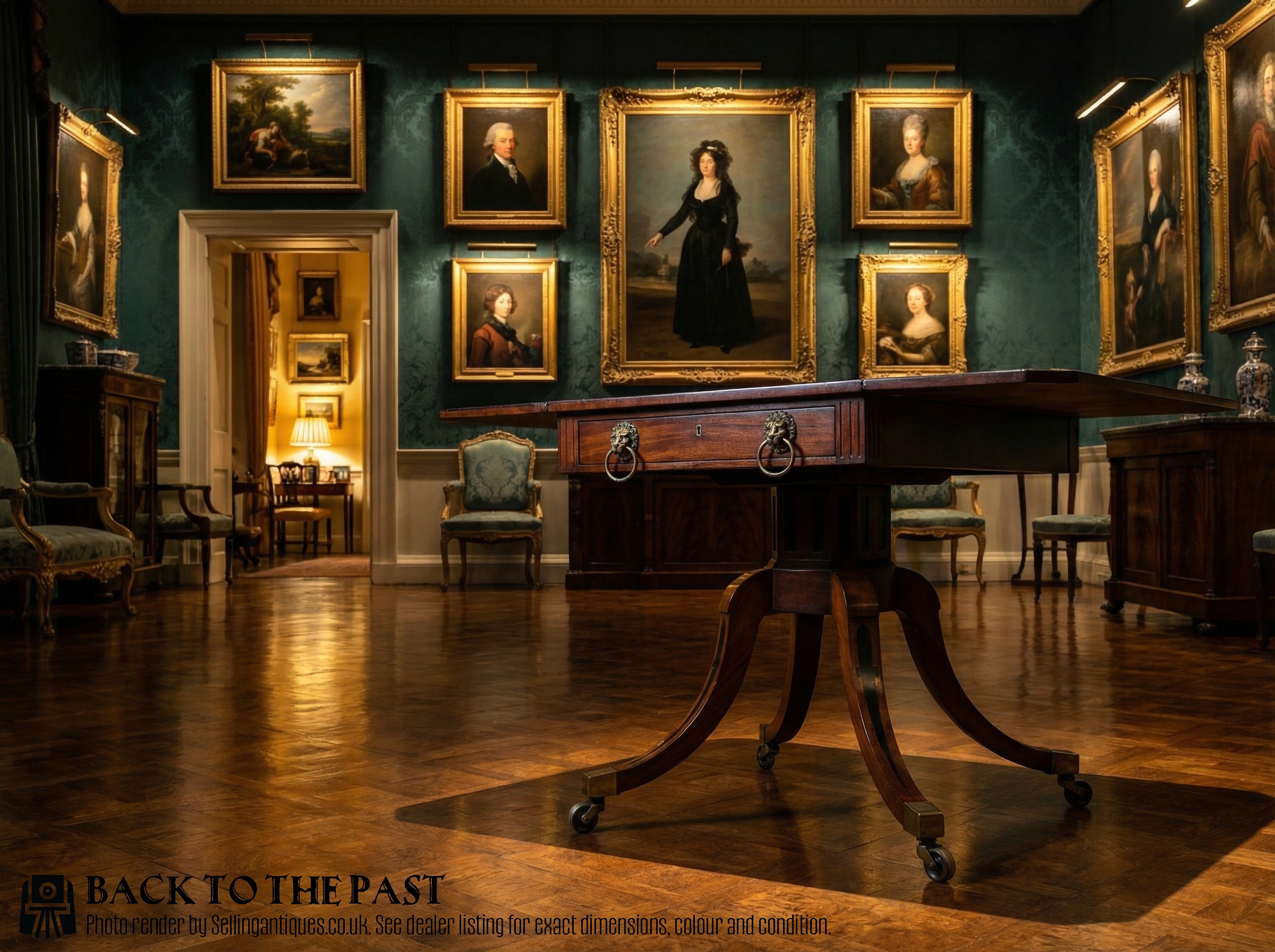
When searching for antique side table leaves, buyers encounter various forms including Pembroke tables, sofa tables, Sutherland tables, and gateleg tables designed with drop leaves. These pieces originate from periods spanning the eighteenth, nineteenth, and early twentieth centuries, encompassing Georgian, Regency, Victorian, and Edwardian eras.
How they were made
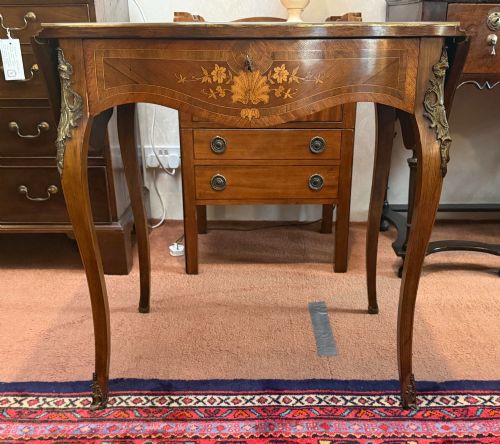
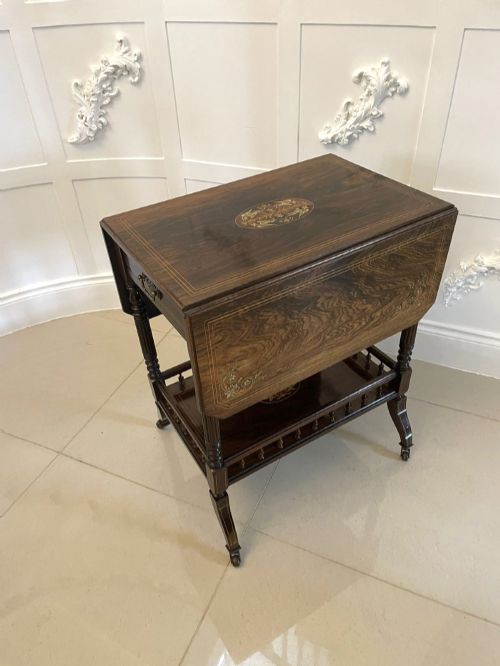
Cabinetmakers utilised solid timbers and veneers such as flame mahogany, burr walnut, satinwood, and rosewood, frequently applying boxwood stringing and marquetry inlay for decorative contrast. Structural stability for the drop leaves relied upon sturdy rule joints, gatelegs, or pivoting wooden brackets that support the folding flaps when raised.
Joinery techniques combined traditional mortise and tenon frames with dovetailed drawers where storage compartments were integrated into the design. Surfaces received hand-polished finishes that highlighted the natural grain and figuring of the woods.
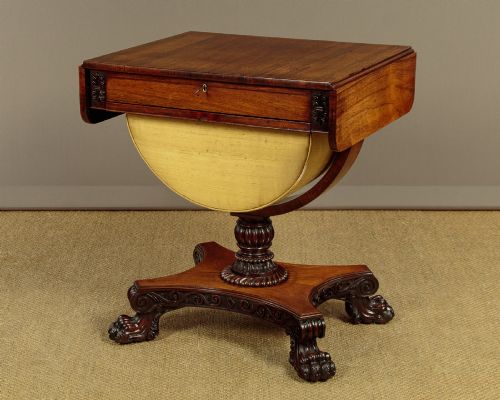
Several Victorian ladies hobby tables secretly housed sewing compartments and writing slopes beneath their clever folding leaves.
What varies in quality
The standard of timber selection largely defines the upper tier of these tables, where figured mahogany, burr walnut, and rich rosewood exhibit striking grain patterns and deep patination. Finer examples display precise inlay work, such as boxwood stringing or delicate crossbanding, executed with meticulous attention to detail.
Construction integrity also separates ordinary examples from superior pieces, particularly in the smooth operation of drop-leaf mechanisms, solid drawer linings, and stable leg framing that resists wobbling when the leaves are extended.
The Antique Side Table Leaves Glossary
- Drop leaf
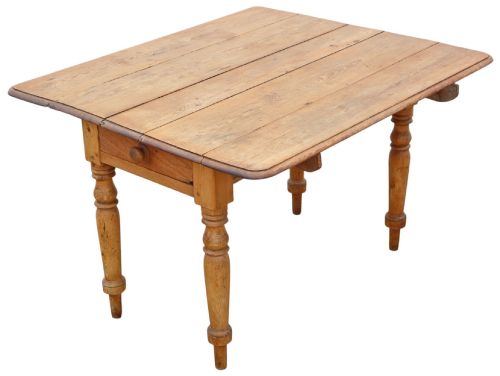
- A table featuring fixed centre sections with hinged flaps on either side that fold down to save space or lift up to enlarge the surface.
- Pembroke table
- A small rectangular table fitted with two hinged drop leaves and typically one or two small drawers, popular during the eighteenth and nineteenth centuries.
- Sutherland table
- A narrow drop-leaf table featuring exceptionally slender leaves supported by swinging gatelegs, often designed to fold completely flat for storage.
- Rule joint
- A specialised moulding joint connecting a table top to its drop leaf, leaving a neat rounded edge that conceals the hinge mechanism.
- Gateleg table
- A table with hinged legs that swing outward like a gate to support folding leaves when opened.
Antique Side Table Leaves: Frequently Asked Questions
How do I use a drop leaf table in a small room?
Keep both leaves folded down against the central section to create a narrow console or side table that sits flush against a wall.
Raise one or both leaves and swing out the supporting legs or brackets whenever you need an expanded surface for dining or writing.
What is the difference between a Pembroke table and a Sutherland table?
Pembroke tables generally feature wider central sections with modest drop leaves and often incorporate small drawers intended for writing or sewing supplies.
Sutherland tables are built with very narrow central tops and wide drop leaves supported by numerous pivoting legs, folding down into a remarkably slim profile.
How do I identify a Georgian drop leaf table?
Look for characteristic eighteenth-century timber choices such as solid mahogany, red walnut, or oak, often paired with understated elegance in the leg styling.
Examine the construction methods, including hand-cut dovetails within the drawer boxes and traditional rule joints supporting the leaves.
Can antique side table leaves support heavy items?
The weight capacity depends entirely on the stability of the folding mechanism, whether it is a swing gateleg, a pivoting wooden bracket, or a sliding wooden arm.
Place heavier objects near the sturdy fixed centre of the table rather than relying entirely on the unsupported outer edges of the drop leaves.