


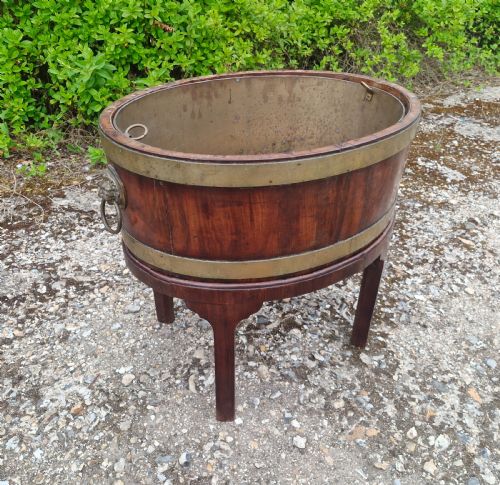


Brass Lion Mask Handles
These brass lion mask handles are cast metal mounts that bring classical dignity to furniture and fireside vessels alike.

What brass lion mask handles are
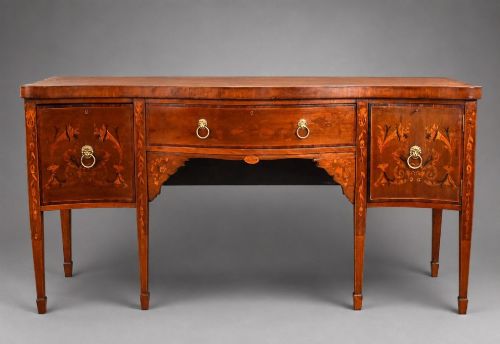
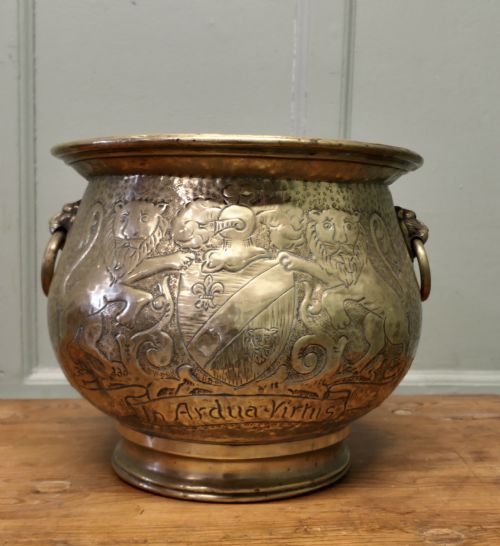
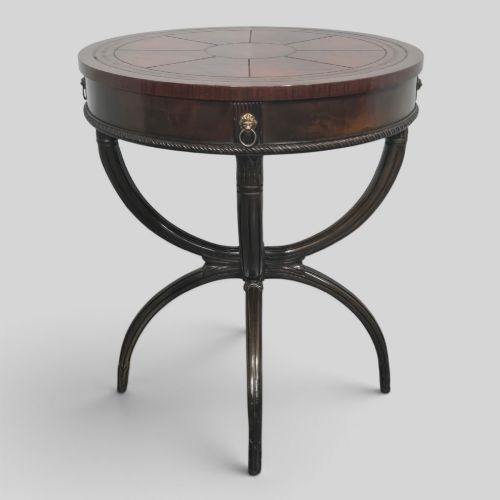
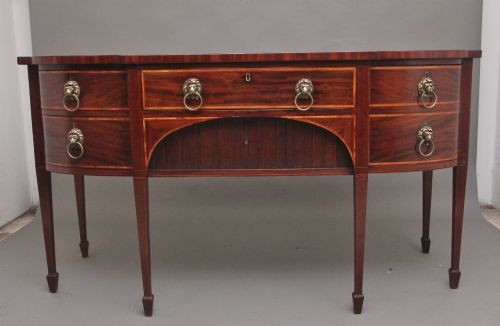
Brass lion mask handles appear across diverse decorative objects, from Georgian and Regency sideboards and tables to nineteenth-century copper jardinières, log bins, and ice buckets. They serve both as functional grips for heavy furniture and vessels and as striking Neoclassical ornaments.
The evidence shows these handles attached to mahogany, satinwood, cherry, and oak furniture, as well as to heavy copper and brass planters. You are most likely to encounter them on large case pieces like sideboards and chests, or on fireside coal buckets and jardinieres.
Originating in classical antiquity, these motifs saw significant revivals during the Georgian, Regency, and Victorian periods, often incorporating Egyptian Revival elements. Their presence signals a deliberate nod to Roman and Greek architectural decoration.

How they were made
The metal components are produced through traditional brass casting methods, capturing the intricate manes, fierce expressions, and ring attachments of the lions. Artisans then hand-finished the raw castings with filing and polishing to sharpen the facial details.
On furniture, these handles are secured through backplates or bolts directly into timbers such as mahogany, boxwood, and satinwood, often accompanying elaborate marquetry inlay. On coopered log bins and jardinières, they are fastened through heavy brass bands or directly onto thick copper and oak staves.
Retail Price Guide 2026
Typical UK retail prices for brass lion mask handles, calculated from the Sellingantiques database of over a million retail prices indexed since 2003. This retail price guide relies exclusively on Sellingantiques data; no external sources or auction records are used, so the figures do not describe the wider market.
What varies in quality
Quality rests in the crispness of the brass casting and the depth of the chasing, where sharper relief in the lion's mane and expression separates finer examples from softer, worn production. The integration between the heavy metal mount and the supporting timber or vessel dictates the overall integrity of the piece.
Finer items demonstrate superior metallurgy with a rich, natural patina developed over centuries, rather than uniform modern plating. The weight and gauge of the brass used for both the mask and the suspended ring indicate the original investment in the hardware.

The Brass Lion Mask Handles Glossary
- Brass
- An alloy of copper and zinc favoured for its durability and bright golden appearance. It takes fine detail well in casting.
- Regency
- A British design period spanning the early nineteenth century defined by strict classical revival and archaeological influence. Pieces often feature bold architectural mounts.
- Jardinière
- An ornamental pot or stand for holding plants or flowers. These vessels frequently utilise heavy metal rings for lifting.
- Egyptian Revival
- A nineteenth-century style drawing inspiration from pharaonic motifs and artefacts. It often merges with classical lion masks on case furniture.
- Marquetry
- Decorative veneer work arranged in pictorial or geometric patterns on furniture surfaces. It provides a contrasting backdrop for metal mounts.
Frequently Asked Questions
What furniture features these handles?
These mounts typically appear on substantial case furniture such as sideboards, chests of drawers, and supper tables. They add weight and classical symmetry to mahogany and satinwood surfaces.
They also frequently adorn heavy fireside vessels, including log bins, coal buckets, and copper jardinières. In every context, they combine functional grip with formal architectural decoration.
How do I date these items?
Dating relies heavily on the construction of the host object, whether a Regency sideboard or a Victorian copper jardiniere. The timber species, dovetailing, and overall cabinetmaking style provide the primary chronological markers.
The casting technique and wear patterns of the brass itself also offer clues, as earlier pieces exhibit hand-chased details distinct from later mass-produced hardware.
Were these handles purely decorative?
While they served a clear aesthetic purpose by referencing classical antiquity, they were robustly engineered for heavy lifting. On sideboards and chests, they provided a secure grip for drawers and heavy doors.
On fireside buckets and planters, the suspended rings allowed users to transport heavy loads of wood, coal, or wet soil safely.
How do I care for brass hardware?
Maintenance requires minimal intervention to preserve the historic surface and natural oxidation. Dusting with a soft, dry cloth prevents grime accumulation without stripping the accumulated patina.
Avoid aggressive metal polishes that remove fine casting details and leave an unnatural, bright sheen on antique brass components.