

19th Century Mahogany Commode
When you search for a 19th century mahogany commode, you enter a dense world of heavy timber storage and French marble-topped grandeur.
19th Century Mahogany Commode
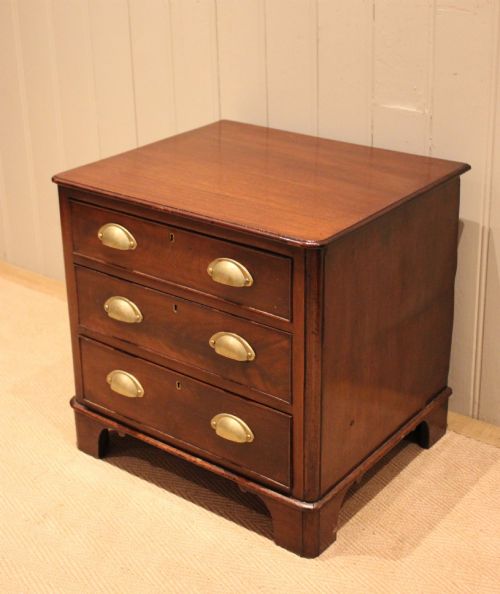
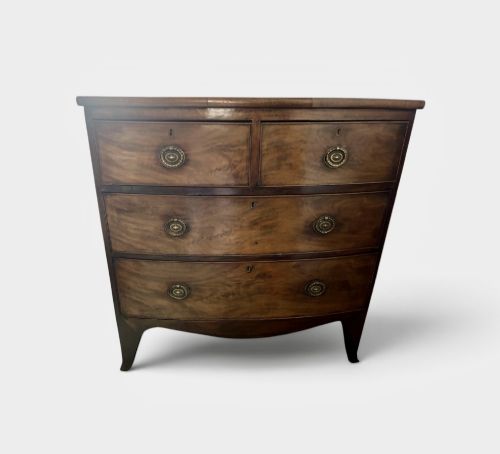
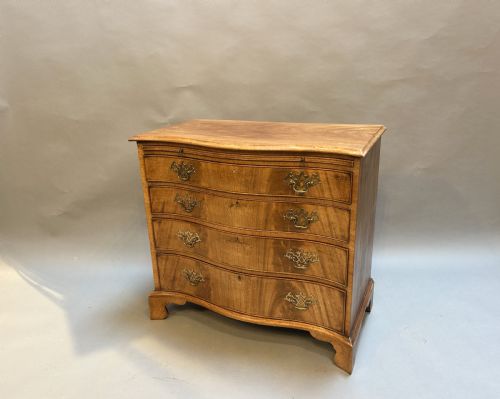
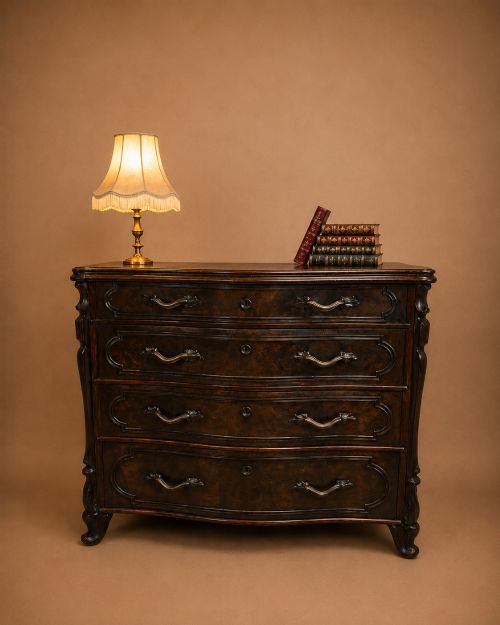
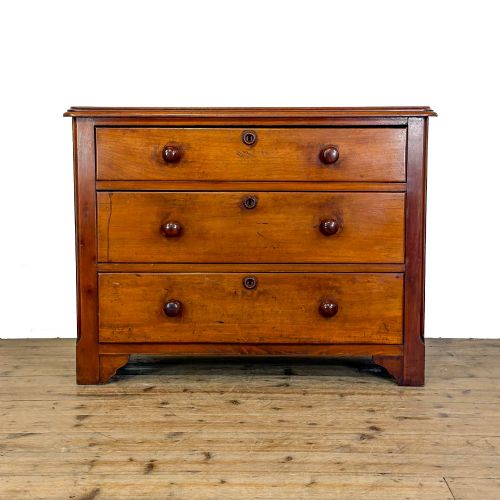
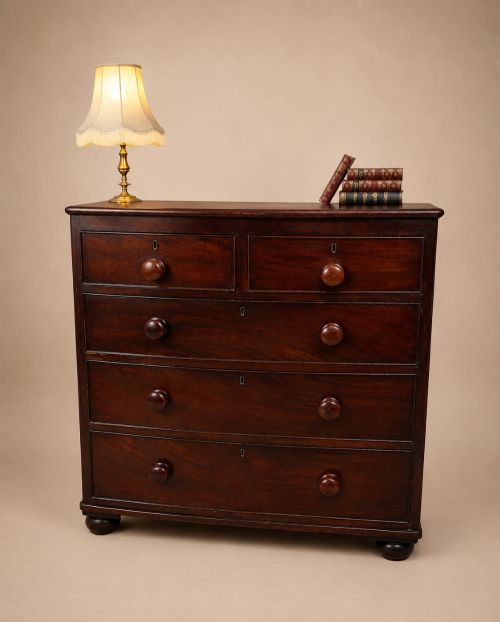
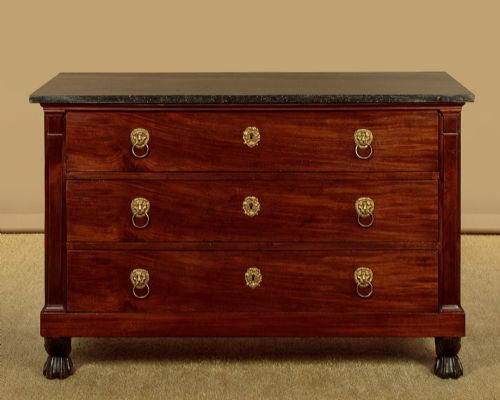
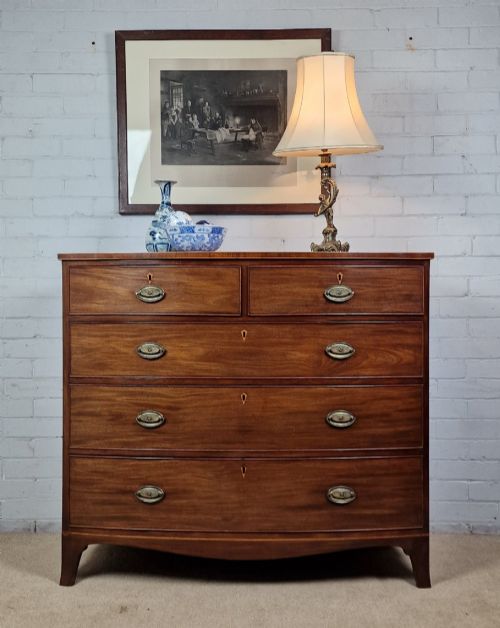
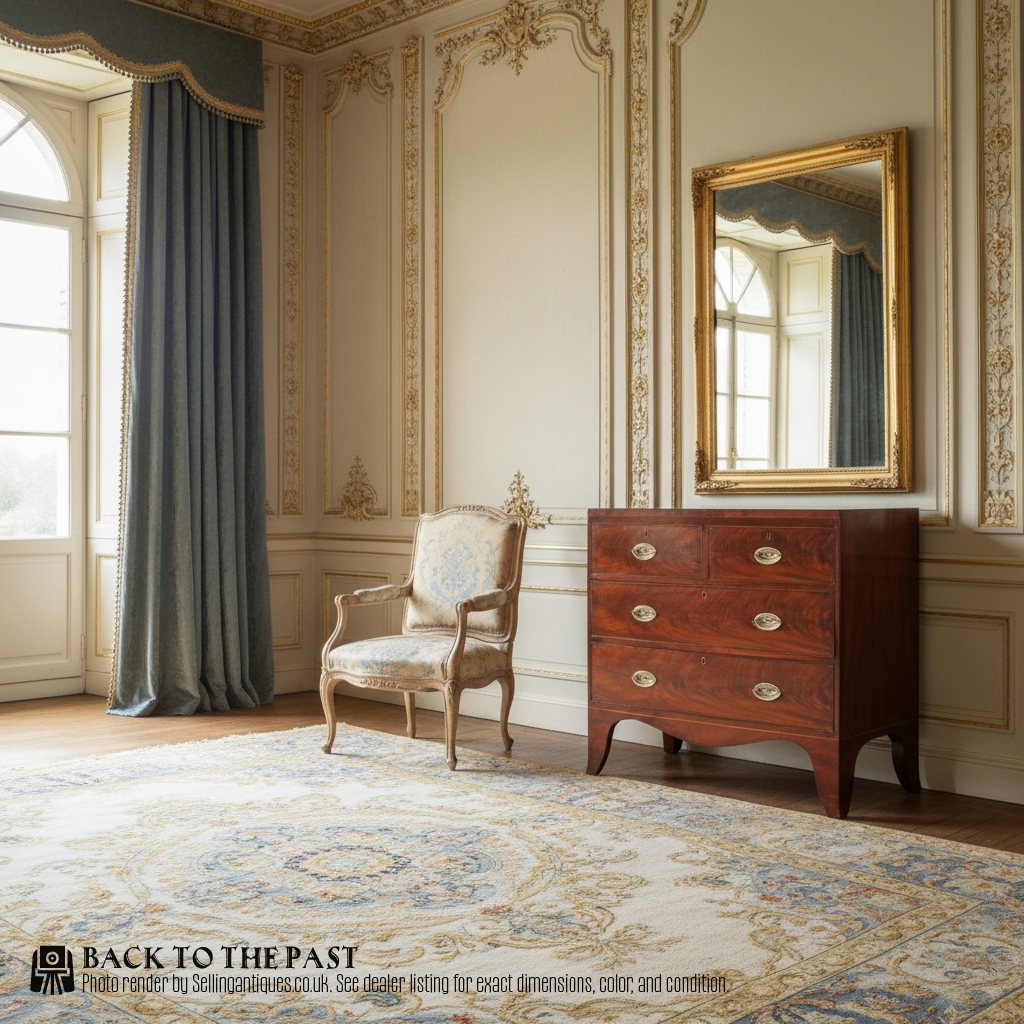
A 19th century mahogany commode typically takes the form of a chest of drawers or a continental cabinet designed for domestic storage. Pieces range from British bow-front and serpentine chests to French marble-topped commodes influenced by the Empire and Louis XVI styles.
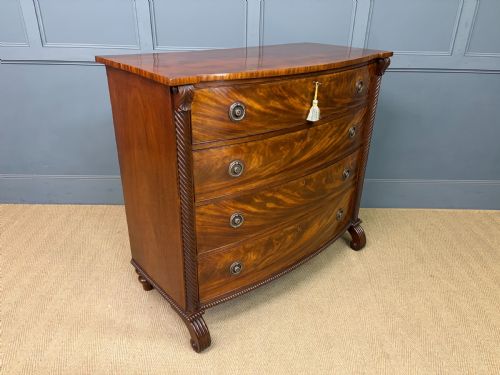
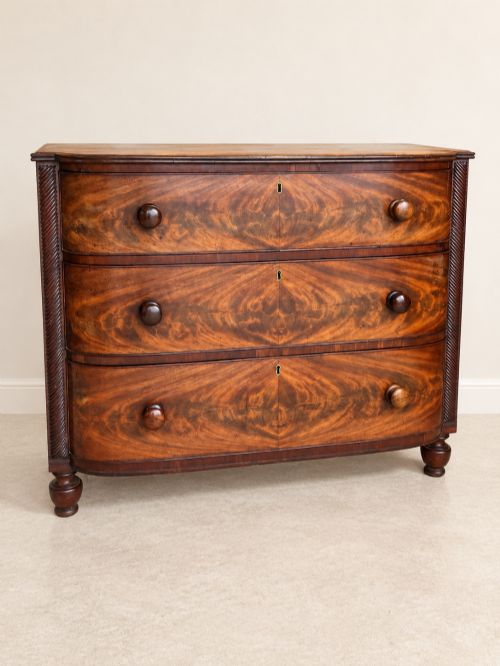
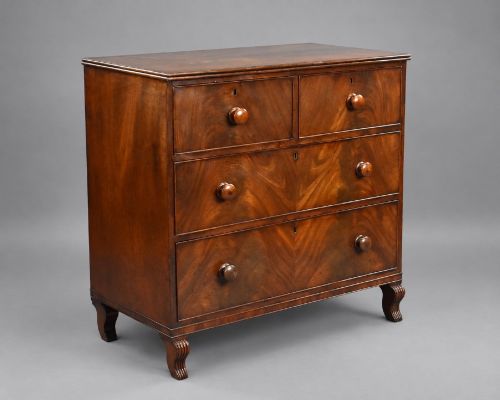
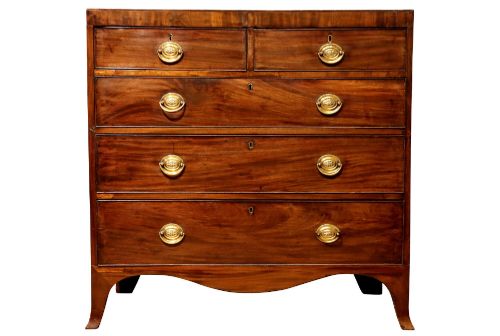
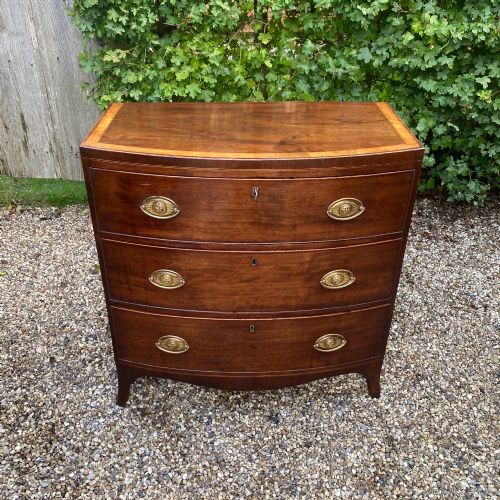
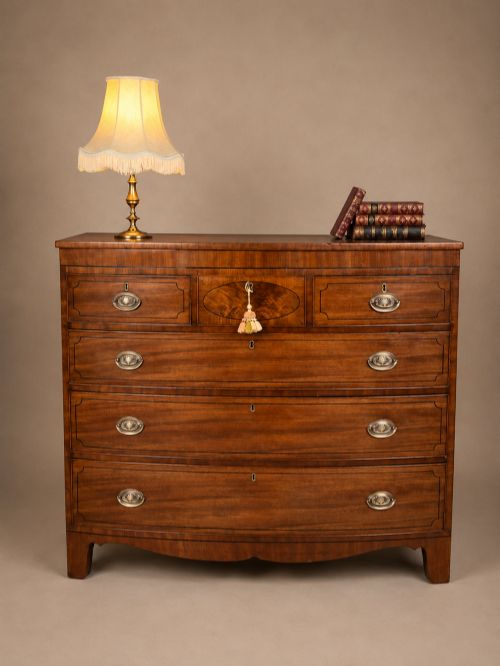
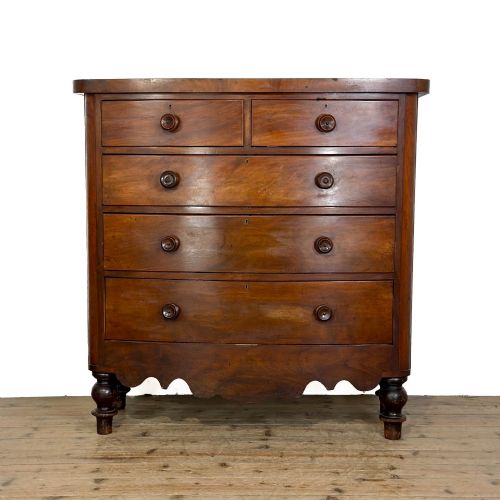
The version most commonly found on this page is the 19th century mahogany chest of drawers, often featuring a bow front, flame veneer, and brass handles. Alongside these, continental examples appear with characteristic marble tops and ormolu mounts.
Origins stretch across Britain, France, and the Netherlands, taking in Regency, Victorian, and Georgian stylistic influences. Makers such as Gillows, Druce and Co, Henry Dasson, and Maple and Co occasionally stamp or attribute these pieces.
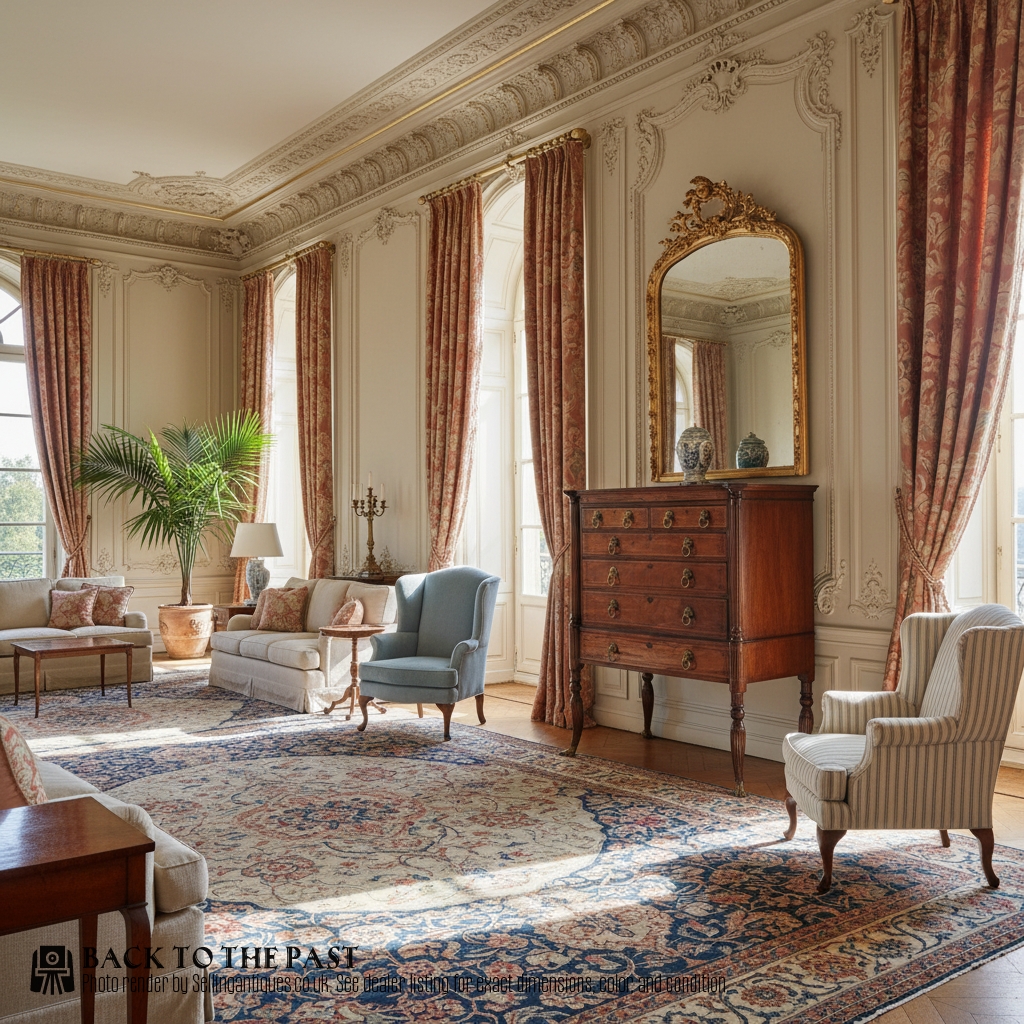
Assessing Quality and Craftsmanship
The standard of a 19th century mahogany commode rests upon the selection of timber veneers and the precision of the cabinet work. Flame mahogany requires exceptional skill to match across drawer fronts, distinguishing superior workshops from utilitarian production.
Structural integrity reveals itself in the dovetail joints of the drawers, the thickness of the mahogany linings, and the retention of original brass hardware or marble tops. Pieces carrying signatures or attributions to recorded makers like Gillows or Maple and Co command greater attention from collectors.
19th Century Mahogany Commode Retail Price Guide 2026
Typical asking prices for 19th century mahogany commode among the pieces listed under this phrase on Sellingantiques today, from the lower quarter to the upper quarter. They describe what is for sale here now, not the wider market.
Listings feature woods such as flame mahogany, satinwood, tulipwood, oak, and pine alongside white marble and brass.
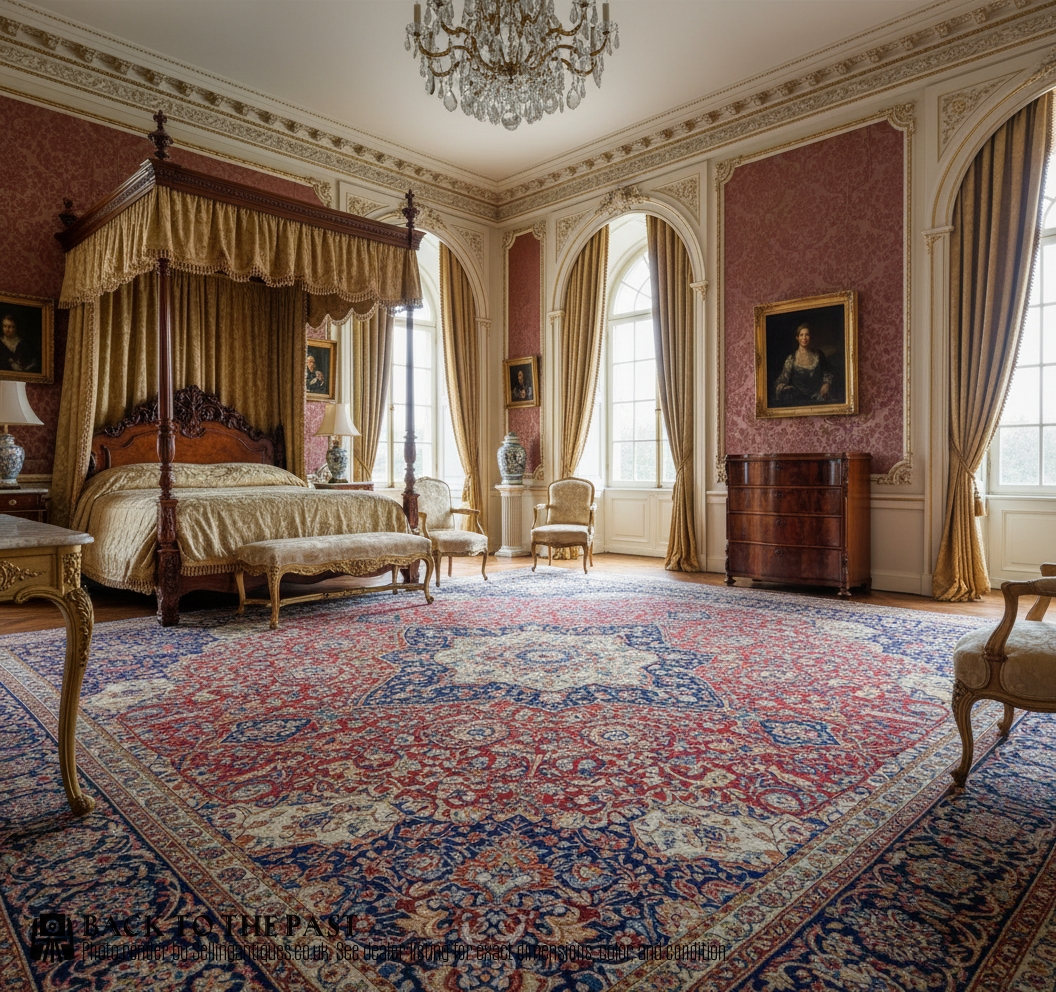
Gillows·Druce and Co·Henry Dasson·Maple and Co·Weisweiler
The 19th Century Mahogany Commode Glossary
- Bow front
- A cabinet or chest front that curves outwards in a convex arc. This shape gained immense popularity during the Regency and Georgian periods.
- Flame mahogany
- A veneer cut from the fork of the mahogany tree where the branch meets the trunk. It creates a distinctive, fiery pattern with intense movement.
- Ormolu
- Gilded bronze mounts and ornaments applied to furniture, frequently seen on French Empire and continental pieces. The technique involves fusing gold to a bronze base.
- Serpentine outline
- A front or edge shaped in a double curve, dipping inwards centrally and swelling outwards at the sides. It requires advanced woodworking skill to execute cleanly.
- Caddy top
- A raised furniture top with a moulded edge reminiscent of the lids found on tea caddies. It is commonly observed on smaller chests and storage pieces.
19th Century Mahogany Commode: Frequently Asked Questions
How do I clean a marble top?
Wipe the marble surface gently with a soft cloth dampened in warm water and mild, neutral soap. Avoid acidic cleaners, vinegar, or harsh chemical detergents that can etch or dull the stone.
Dry the marble thoroughly afterwards with a clean, soft towel to prevent water spots and maintain its natural lustre.
Were these used as bedrooms?
Many of these pieces served as primary bedroom furniture for storing garments, linens, and personal items. Their deep drawers accommodated folded clothing before fitted wardrobes became standard.
Continental commodes and smaller bedside variants also functioned in dressing rooms and parlours for discreet storage.
How do I identify Regency pieces?
Regency items typically date from the early decades of the nineteenth century and display classical restraint influenced by Greek and Roman designs. Look for clean architectural lines, rosewood or brass inlay, and minimal carving.
Drawer pulls often feature lion mask rings or pressed brass backplates rather than the drop handles typical of earlier Georgian furniture.
Can I use furniture polish on flame mahogany?
Apply traditional beeswax sparingly with a soft cloth, working gently in the direction of the wood grain. Buff the surface with a separate clean cloth to build a soft, protective sheen.
Avoid modern silicone sprays or heavy commercial polishes, as they can build up a cloudy residue over time and harm the antique finish.