
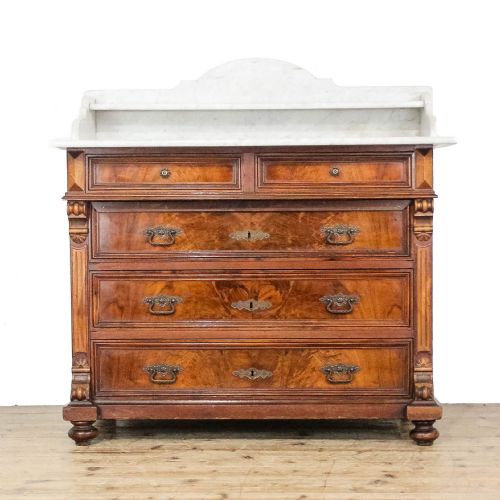


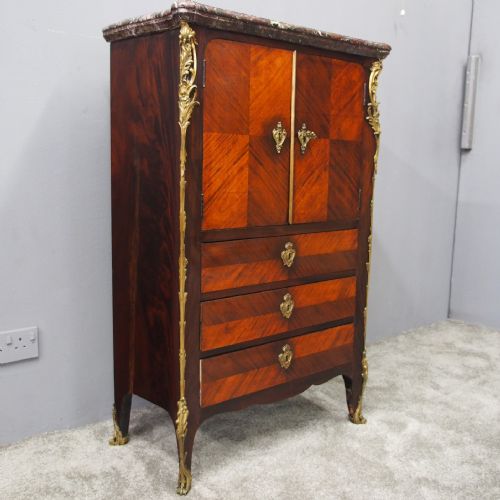

Marble Top Tallboy
A marble top tallboy brings undeniable French presence and serious storage to a bedroom through substantial height and cool stone.
What a marble top tallboy is
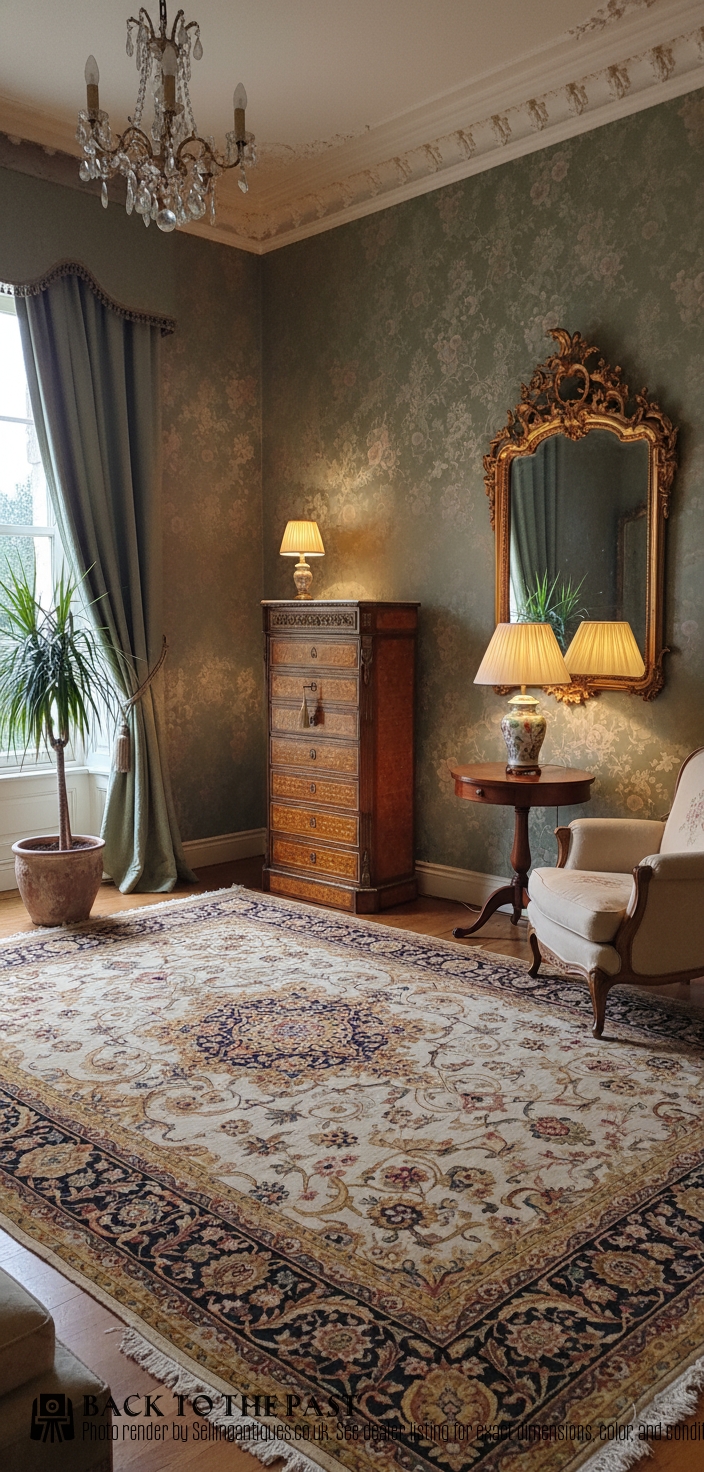
A marble top tallboy is a tall chest of drawers topped with stone, most frequently seen here as French forms from the nineteenth century and the early decades of the twentieth century. These pieces stand high to maximise vertical storage without occupying excessive floor space in a room.
The chests of drawers on this page span the nineteenth century, eighteen-eighty, nineteen hundred, nineteen-ten, and the nineteen-thirties. You will encounter forms labelled as semainiers alongside multi-drawer chests of drawers.
Makers drew on French Empire, French Louis XV style, Louis XV revival, Louis XVI, French transition style, and French provincial traditions. Walnut, rosewood, cherry, walnut veneer, and painted wood form the primary bodies beneath the stone.
How they were made
Cabinet makers constructed these bodies using timbers like walnut, rosewood, and cherry, often applying intricate marquetry and parquetry veneers to create geometric or floral patterns across the drawer fronts. Selected pieces incorporate painted wood finishes alongside the polished timber surfaces.
Brass and ormolu mounts provide structural accents and decorative pulls that frame the drawer tiers. Heavy marble slabs sit flush upon the top surface to provide a durable and cool finish.
Retail Price Guide 2026
Typical UK retail prices for marble top tallboy, calculated from the Sellingantiques database of over a million retail prices indexed since 2003. This retail price guide relies exclusively on Sellingantiques data; no external sources or auction records are used, so the figures do not describe the wider market.
Seven drawers mean seven daily hiding spots for socks that vanish into the laundry ether.
What varies in quality
Quality rests in the precision of the parquetry and marquetry work, where tighter joints and more complex wood selections separate standard construction from finer workshops. The crispness of the brass and ormolu mounts also signals the level of hand-finishing applied to the piece.
The selection and thickness of the marble slab dictate the presence of the piece, with richer veining and heavier stone elevating the overall balance of the chest.
The Marble Top Tallboy Glossary
- Semainier
- A tall seven-drawer chest traditionally designed with one drawer for each day of the week. This form is common among French case pieces.
- Parquetry
- A geometric mosaic of wood pieces used for decorative surfaces on floors and furniture. It relies on contrasting timbers for visual depth.
- Marquetry
- The art of applying pieces of veneer to a structure to form decorative patterns and pictures. Makers use various coloured woods to achieve pictorial designs.
- Ormolu
- Gilded bronze used for decorative mounts and hardware on furniture. It adds metallic warmth to the timber body.
Frequently Asked Questions
What is a semainier?
A semainier is a tall chest featuring seven drawers, designed originally to hold a week of garments. This specific layout creates the vertical proportions associated with these tall pieces.
They offer deep storage capacity while maintaining a narrow footprint against a wall.
How do I clean the marble top?
Clean the stone surface with a soft cloth and warm water, avoiding acidic household cleaners that can etch the polish. Routine dusting keeps the marble looking crisp and smooth.
Ensure spills are wiped promptly to protect the natural porous material from staining.
Can these fit in modern bedrooms?
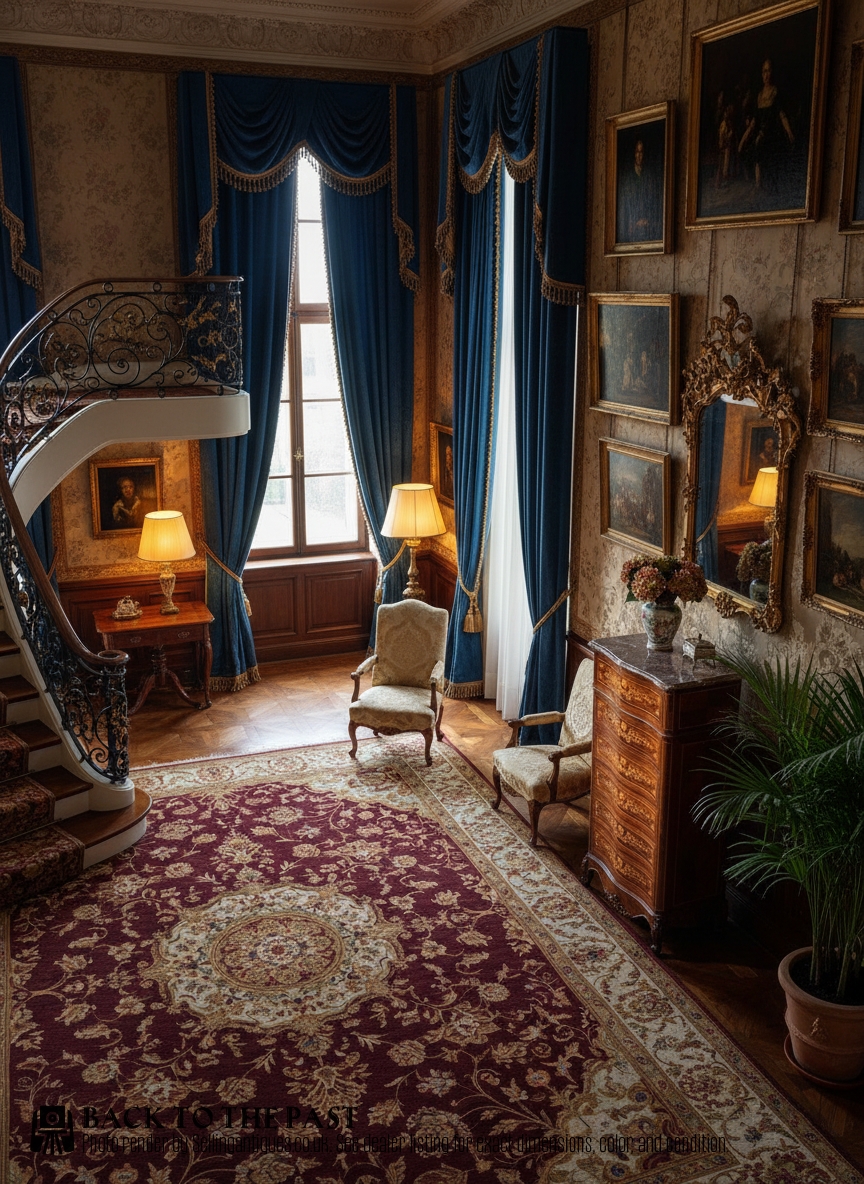
The vertical orientation allows these chests to sit comfortably in rooms with limited floor space. They provide substantial drawer storage without dominating the entire floor area.
Their height also creates a useful surface for lamps or display items at a convenient reach.
What wood types are used?
Cabinet makers utilised cherry, rosewood, and walnut for the primary structure and drawer fronts. Walnut veneer and painted wood finishes also appear across the selection.
These timbers are frequently paired with contrasting veneers for decorative marquetry and parquetry patterns.