


Regency Mahogany Occasional Table
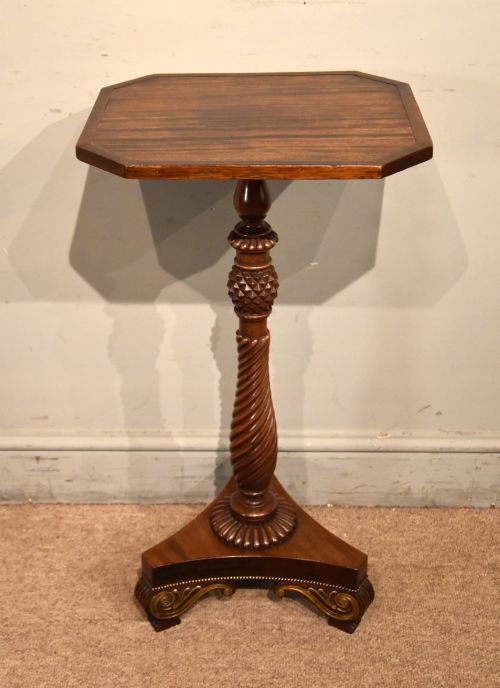
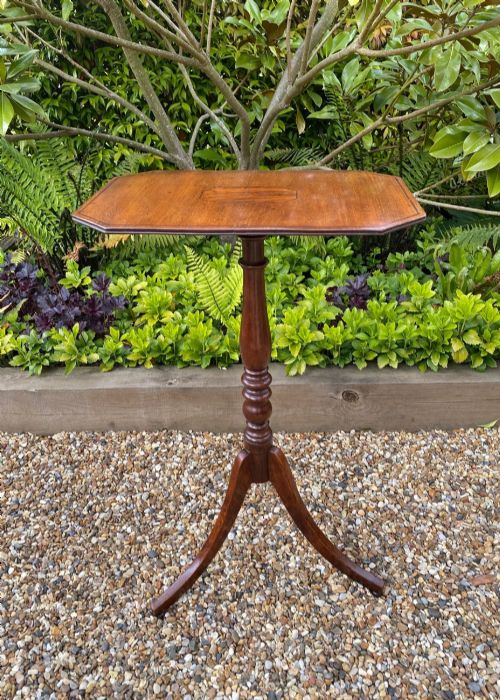
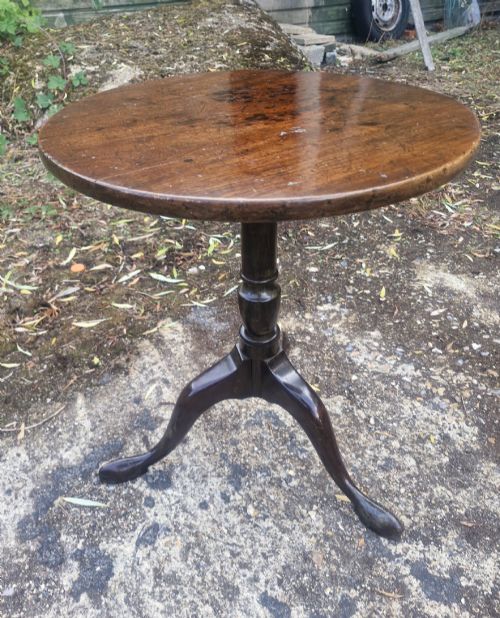
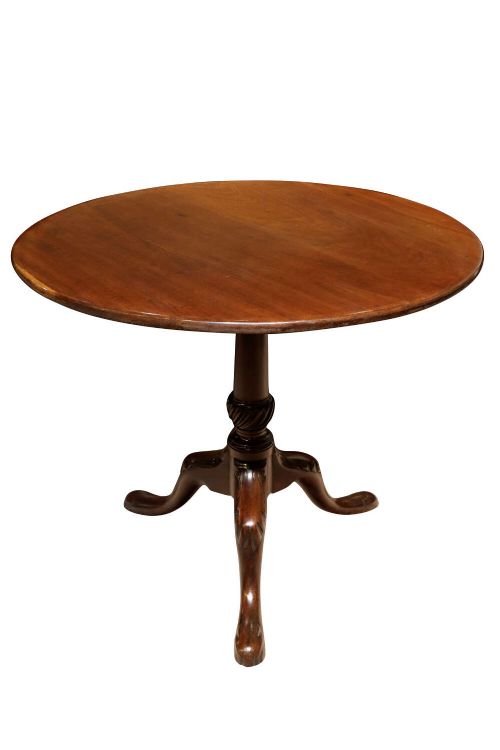
These pieces are a regency mahogany occasional table, bringing period character and functional surface space to a room.

What they are
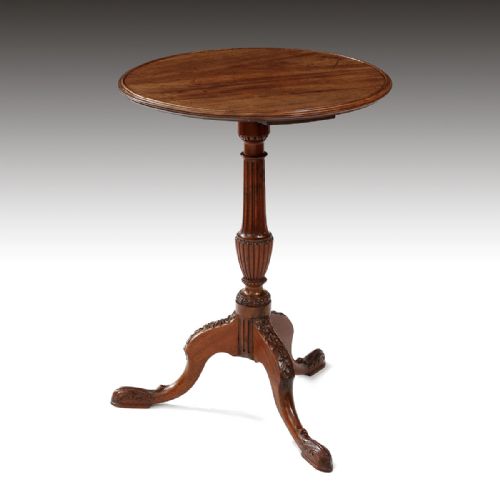
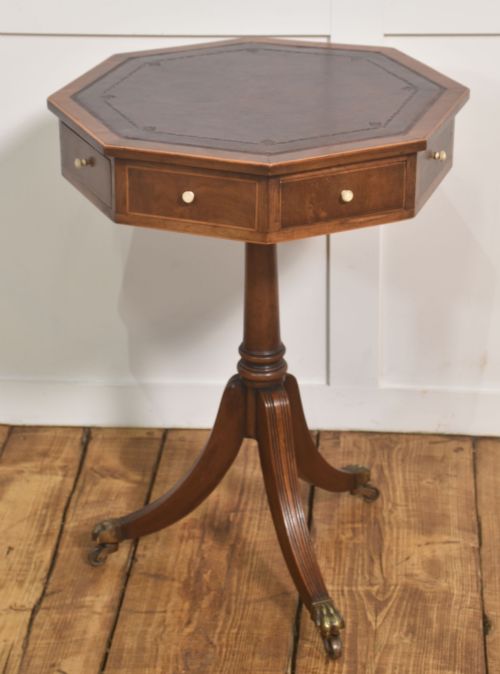
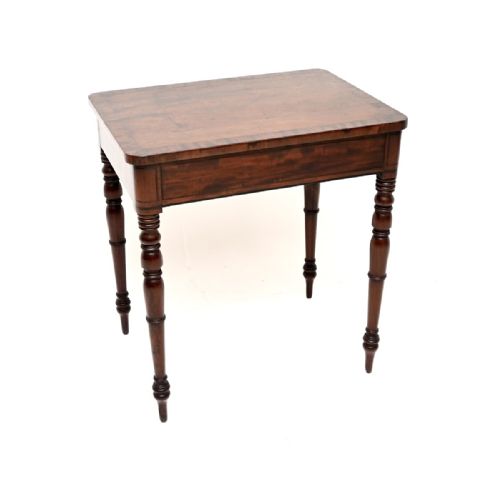
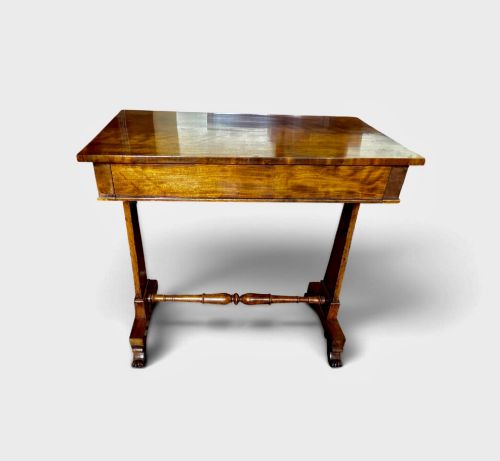
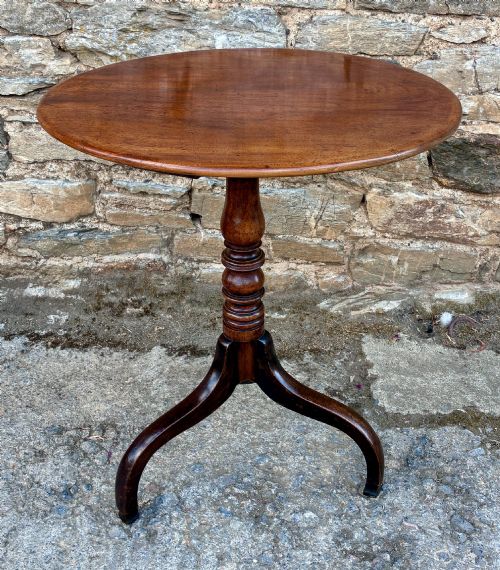
A regency mahogany occasional table covers a variety of small movable tables designed for specific tasks around a house, including lamp tables, work tables, and tilt-top examples. The period spans from the late Georgian era through the early nineteenth century, capturing a time of refined domestic furniture design.
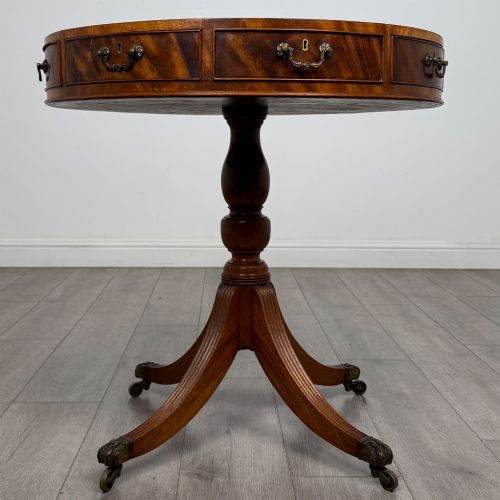
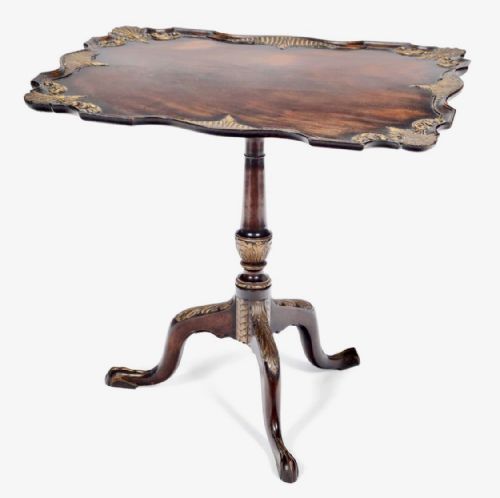
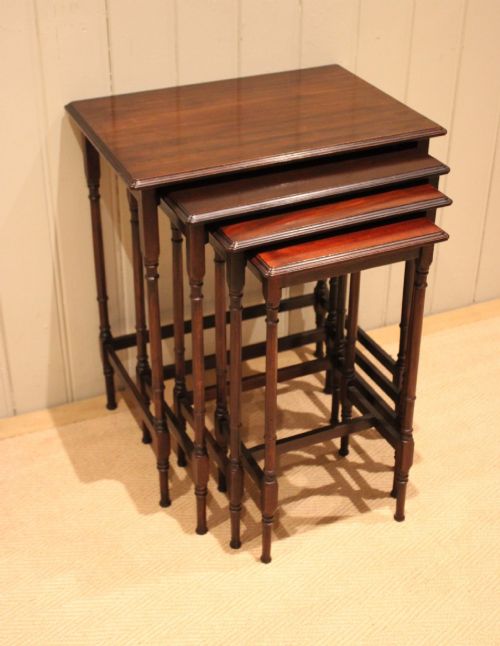
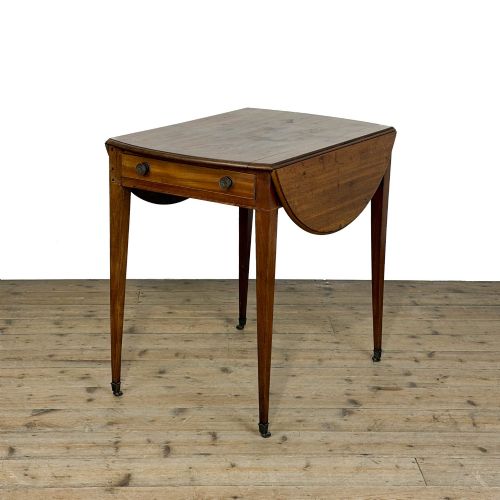
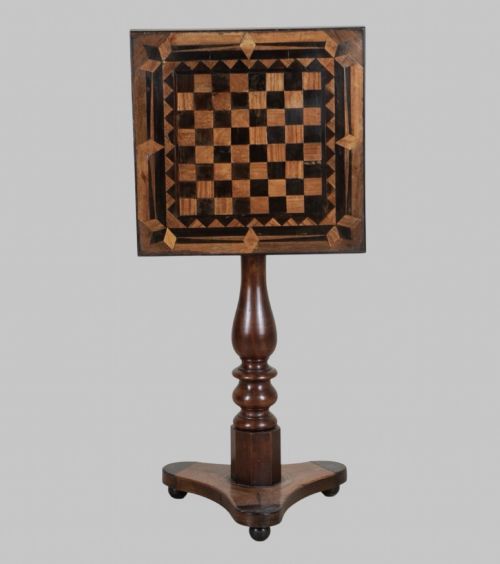
The most common forms seen include circular pedestal tables, tripod tables with tilting actions, drop-leaf pembroke tables, and compact side or console tables. Makers of the era also produced nests of tables and specialised pieces fitted with drawers for sewing or writing.
These items originate primarily from the Regency period and the wider nineteenth century, with occasional later Edwardian interpretations built in the same aesthetic. They function today as flexible furniture that adapts easily to sitting rooms, halls, and bedrooms.
How they were made
Cabinet makers relied heavily on mahogany as the primary timber, often selecting figured, flame, or fiddleback varieties to highlight the natural grain on table tops. Secondary woods and decorative banding in satinwood and ebony provided contrast.
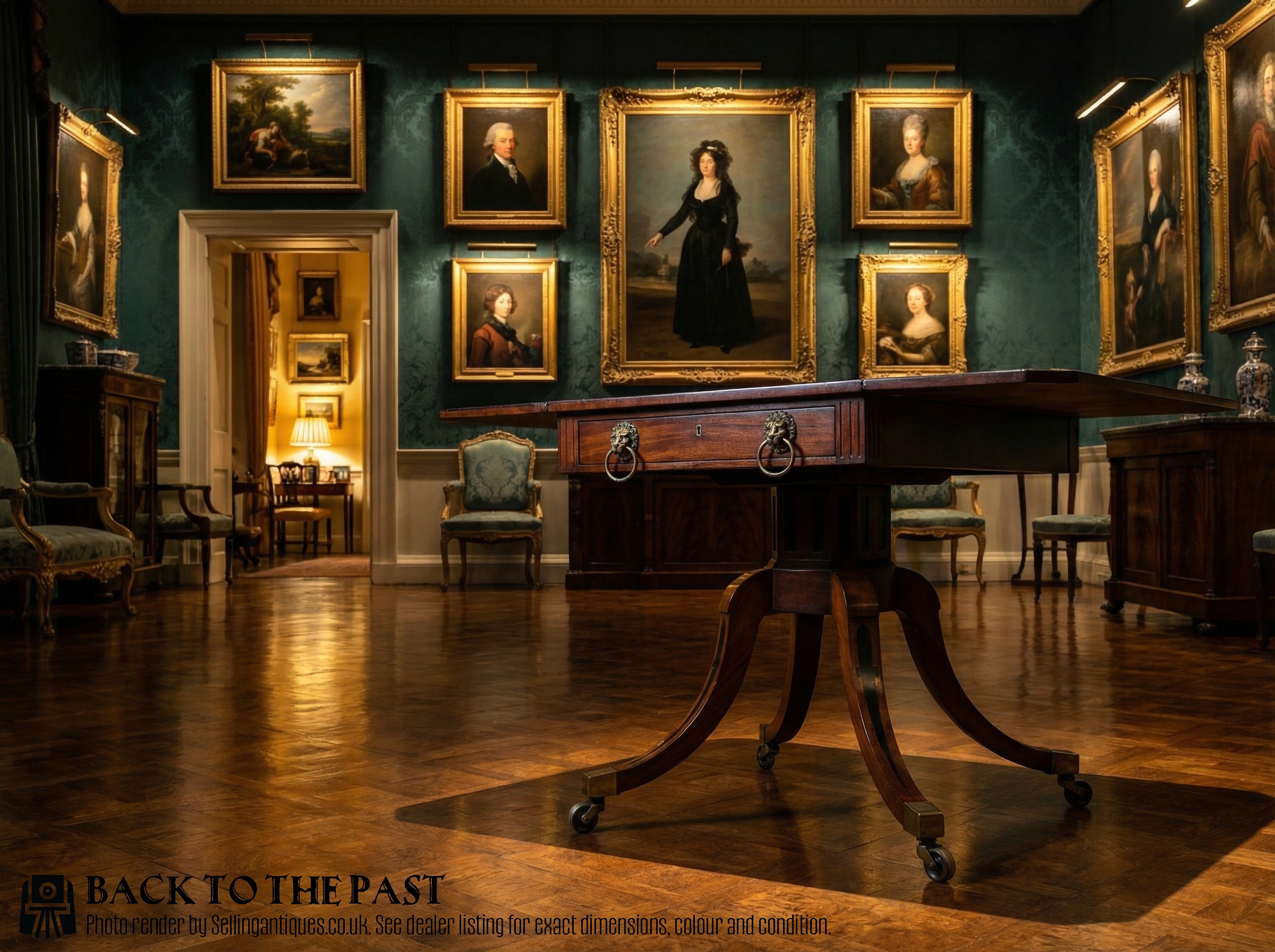
Metal components played a structural and decorative role, with brass fittings, castors, and occasionally brass inlay appearing on finer pieces. Construction techniques included drop-flap mechanisms, tilt-top actions, and sturdy pedestal tripod bases.
Retail Price Guide 2026
Typical UK retail prices for regency mahogany occasional table, calculated from the Sellingantiques database of over a million retail prices indexed since 2003. This retail price guide relies exclusively on Sellingantiques data; no external sources or auction records are used, so the figures do not describe the wider market.
Listings feature mahogany alongside decorative accents of brass, satinwood, and ebony.
What varies in quality
The selection of timber dictates much of the visual appeal, separating standard examples from those utilising richly figured flame mahogany or decorative satinwood inlay. Cabinet making skill shows in the smooth operation of tilt-top actions, drop leaves, and drawers.
Proportion and stability separate the output of standard workshops from pieces produced by notable firms using high-grade brass mounts and solid pedestal bases. Refined details like fine reeding, balanced tripod legs, and crisp edge moulding elevate the status of an occasional table.
Druce & Co.·Gillows·Maple & Co.
The Regency Mahogany Occasional Table Glossary
- Pembroke table
- A small table with hinged flaps on either side that can be raised or lowered. These versatile pieces often include a single drawer.
- Tilt-top
- A mechanism allowing the table top to pivot to a vertical position when not in use. This clever design saved valuable floor space in period rooms.
- Tripod table
- A small table supported by a central pillar resting on three spreading legs. They offer great stability on uneven period flooring.
- Satinwood
- A luminous yellowish timber used for contrasting stringing and inlay work. It provided a bright decorative accent against dark mahogany.
- Fiddleback
- A figured mahogany grain pattern showing horizontal ripples resembling the back of a violin. Cabinet makers prized this variation for prominent table tops.
Frequently Asked Questions
What is a regency mahogany occasional table used for?
These tables served various domestic functions such as holding lamps, supporting needlework, or serving tea in a drawing room. Their movable nature allowed servants and residents to place them wherever a temporary surface was required.
Today they fulfil similar roles in modern interiors, fitting easily beside sofas, in hallways, or as bedside surfaces while adding period character to a room.
What makes a pembroke table different?
A pembroke table is distinguished by its two hinged drop leaves on opposing sides, supported by folding brackets or swing legs. They often incorporate a small drawer at one end.
This design allowed the surface area to expand or contract depending on whether the flaps were raised for use or dropped to save space.
Where should I place an occasional table?
These compact pieces suit spaces where large furniture would overwhelm the room, such as tight corners, beside seating, or in narrow hallways. Their small scale makes them exceptionally versatile.
They work well as lamp stands, display surfaces for decorative objects, or functional writing spots in bedrooms and studies.