











Antique Shop Cabinet
When you search for an antique shop cabinet, you are looking at utilitarian retail furniture built to display or store goods, shaped by the practical demands of nineteenth and early twentieth century commerce.
Antique Shop Cabinet
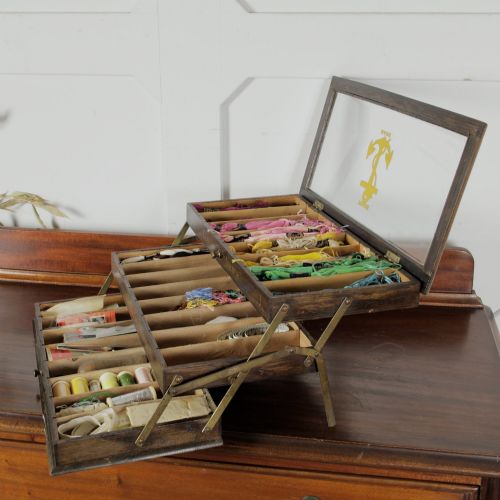
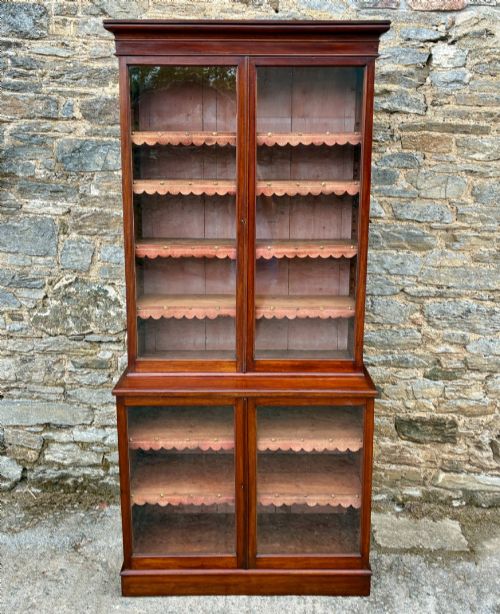
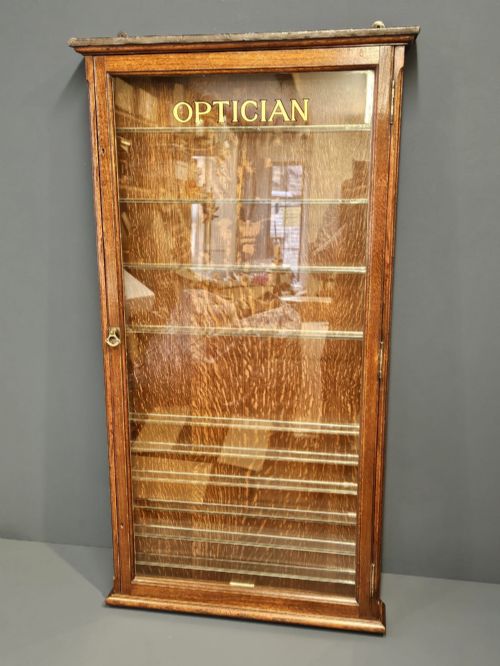
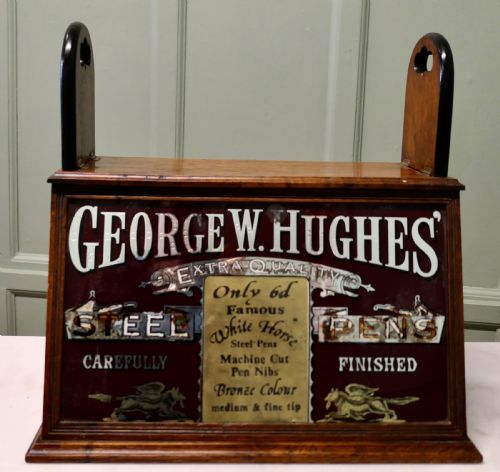
An antique shop cabinet encompasses a diverse range of commercial fixtures, from glazed freestanding display cases and countertop units to banks of narrow drawers and multi-tiered haberdashery counters. These pieces originated in pharmacies, draperies, jewellers, and general stores, designed specifically to showcase wares clearly to customers while keeping stock organised.
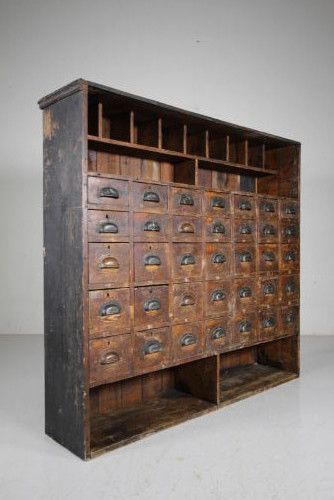
Freestanding glazed uprights and long counters dominate this selection, frequently featuring timber frames with adjustable glass shelving or mirrored interiors to maximise light reflection. Bank of drawers variations, originating from chemist shops and haberdashers, offer numerous compartmentalised sections tailored for small goods, needles, or apothecary items.
Victorian and Edwardian iterations reflect the robust utility of commercial interiors from those eras, alongside later commercial designs into the nineteen-thirties. Whether an oak countertop case or a large painted pine shop fitting, each piece retains the functional architecture demanded by period retail trade.
How They Were Made
Makers utilised dense hardwoods such as mahogany and oak alongside durable softwoods like pine, constructing solid carcasses designed to withstand heavy daily retail use. Glass panels feature heavily in doors and viewing areas, supported by brass hardware and occasionally chrome or bronze detailing.
Antique Shop Cabinet Retail Price Guide 2026
Typical asking prices for shop cabinet among the pieces listed under this phrase on Sellingantiques today, from the lower quarter to the upper quarter. They describe what is for sale here now, not the wider market.
Several cabinets retain their original hand-written chemist labels and mercantile paint, ready for another century of holding small treasures.
What Varies In Quality
The distinction between standard commercial utilitarian pieces and finer retail furnishings rests upon timber selection, hardware integrity, and the sophistication of the joinery. Superior examples exhibit tightly fitted glazed doors, high-grade cabinet timbers, and original specialised maker branding or signage.
The integrity of original glass, internal mirrors, and working drawer construction heavily influences the character of a piece. Retaining untouched original paint finishes or manufacturer plaques elevates the historical completeness of surviving retail fittings.
F. Sage & Co·Dudley & Co·John Stow Ltd
The Antique Shop Cabinet Glossary
- Haberdashery cabinet
- A multi-drawer storage unit originally utilised in drapery shops for ribbons, threads, and small accessories. These pieces typically feature numerous shallow drawers, sometimes with glass fronts.
- Chemist shop fitting
- Commercial furniture designed for pharmacies and apothecaries, encompassing extensive banks of small drawers and Prescription shelving. They often utilise robust timbers to hold heavy ceramic jars and medical bottles.
- Countertop display case
- A compact glazed unit positioned on top of retail counters to exhibit high-value items close to the customer. They allow secure viewing from all upper angles.
- Bow end
- A curved glass or timber configuration applied to the ends of display cabinets or counters. This technique softens the rectangular profile and improves visibility from multiple angles within a shop floor.
- Mirrored interior
- A reflective backing fitted inside display cabinets to bounce light through the shelves and illuminate merchandise. This feature creates an illusion of greater depth within enclosed display spaces.
Antique Shop Cabinet: Frequently Asked Questions
What were antique shop cabinets used for?
These cabinets served merchants as functional display furniture and secure storage within Victorian and Edwardian retail environments. Retailers used them to protect delicate merchandise like jewellery, biscuits, and fabrics while keeping goods visible to shoppers.
Different trades required specific configurations, such as shallow drawers for haberdashery or tall glazed cases for general retail stock. Their primary purpose was commercial presentation rather than domestic decoration.
How do I live with a shop counter at home?
A shop counter or tall display cabinet provides substantial surface area and deep internal storage for modern living spaces. Glass-fronted cases work effectively in dining rooms or kitchens to exhibit tableware, books, or collections.
Freestanding drawer units suit hallways or living areas for organising household items while introducing distinct industrial character. Positioning them away from direct heat sources protects the antique timber and original glass.
Are these cabinets made of solid wood?
Most period shop furniture relies on solid timber frames constructed from oak, mahogany, or pine to endure heavy commercial traffic. Secondary woods like softwood are frequently utilised for internal drawer linings and cabinet backs.
Glazed doors and viewing panels incorporate substantial plate glass panes held by timber or brass glazing bars. Surviving pieces generally show robust joinery designed for daily mercantile operations.