
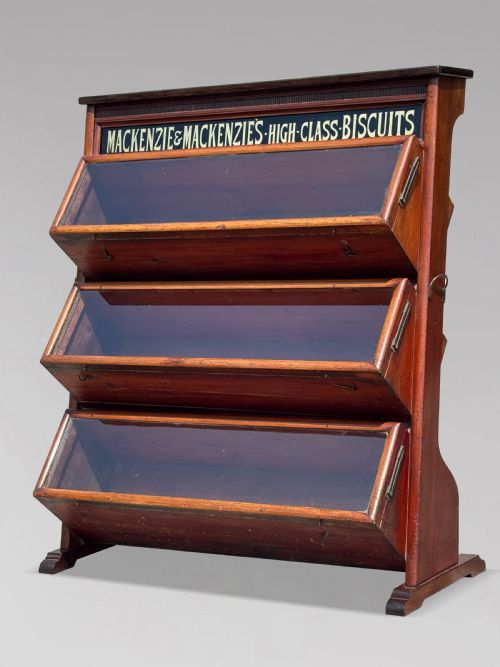
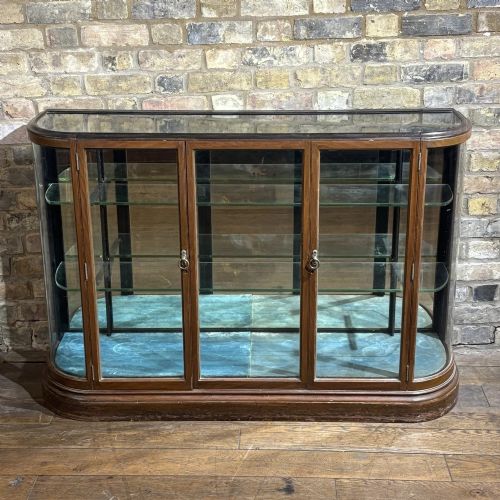


Glass Counter Cabinet
A glass counter cabinet turns everyday retail display into an architectural stage for small wares, prized for its transparency and utilitarian presence.
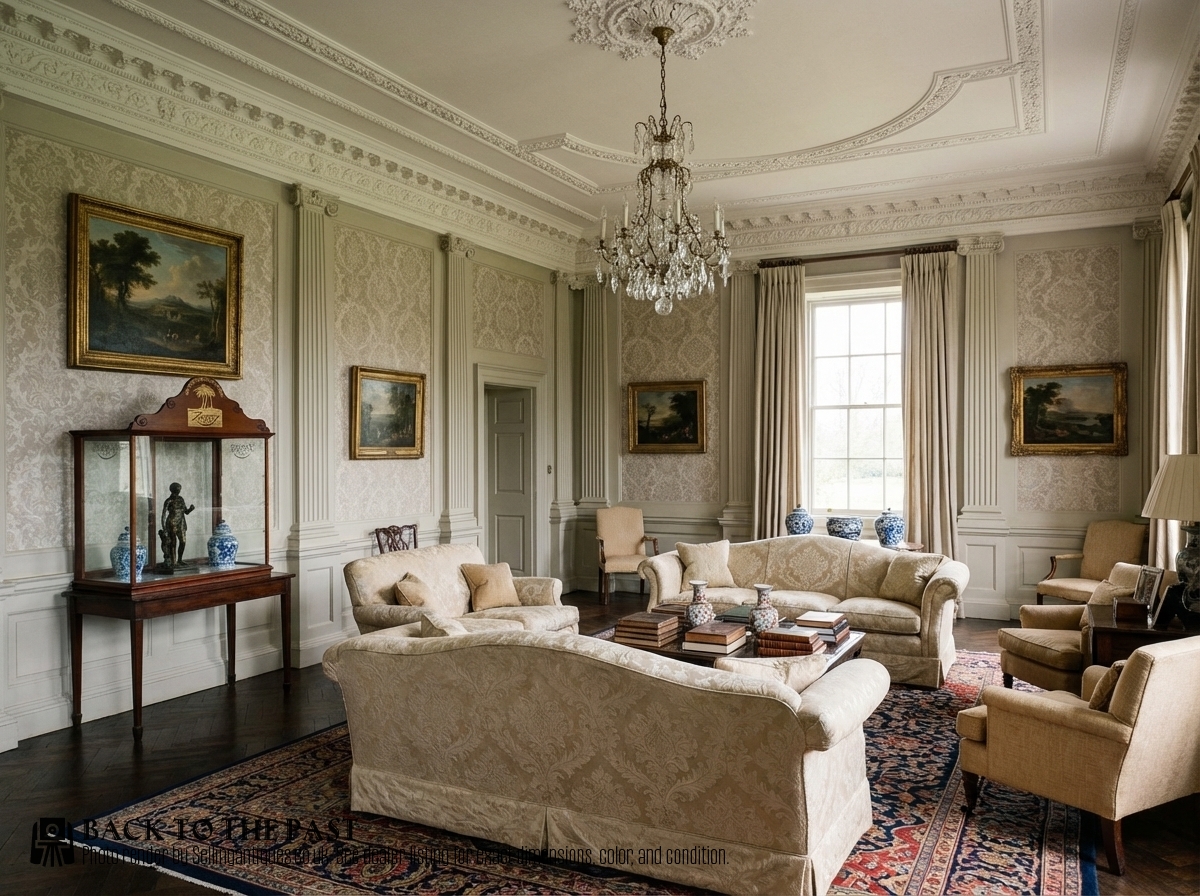
Glass Counter Cabinet
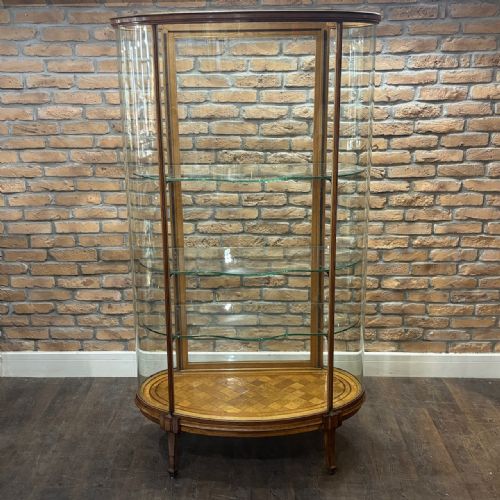
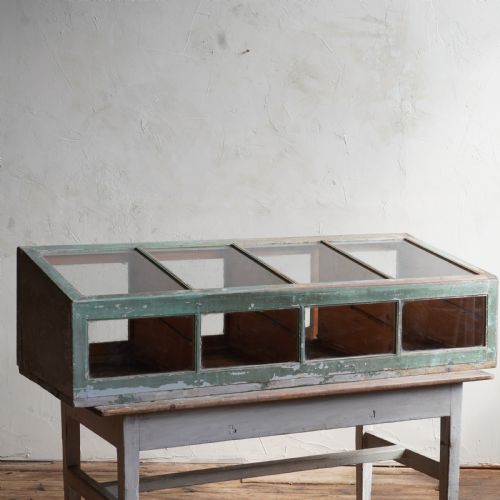
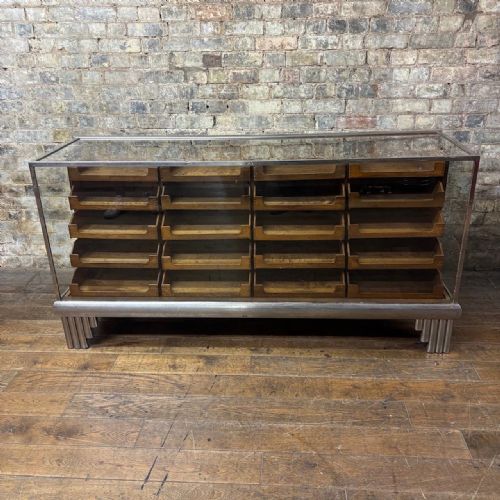
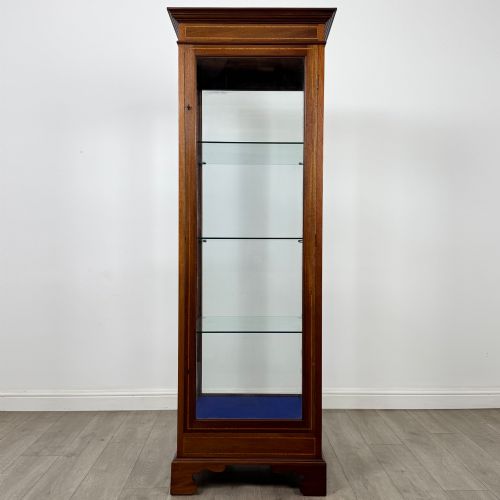
A glass counter cabinet serves as a retail display piece designed to present merchandise on shop counters or tabletops. When searching this phrase, buyers encounter forms ranging from countertop cases and haberdashery units to large shop counters and freestanding vitrines.
The pieces originate across the nineteenth and twentieth centuries, spanning Victorian, Edwardian, and Art Deco periods, alongside commercial utilitarian iterations. Mahogany and oak dominate the construction, often paired with extensive glazing to maximise visibility.
Commercial workshops produced these cabinets for grocers, chemists, and confectioners, embedding corporate branding or practical retail function into the design. Today, these forms adapt readily to domestic interiors for displaying collections.
How They Were Made
Cabinetmakers utilised hardwoods such as mahogany and oak for structural frames, frequently combining timber with large expanses of clear sheet glass. Metal elements like brass, chrome, aluminium, and nickel reinforced corners, frames, and sliding doors.
Interiors often incorporated mirrored panels to reflect light through the display space, while velvet linings provided a soft base for delicate goods. Joinery techniques balanced heavy glass panels with sturdy timber plinths to withstand daily commercial use.
Listings feature oak, mahogany, and ebonised wood structures alongside specialised advertising cabinets from confectioners and chemists.
What Varies in Quality
Construction density and timber selection divide standard utility items from high-end retail furnishings. Heavy hardwoods and sophisticated joinery, such as bow-end glass or ebonised finishes, elevate the piece.
Specialised shop fittings produced by documented commercial firms display superior hardware integration and custom branding. The clarity of the original glass and the preservation of mirrored interiors distinguish finer surviving examples.
F. Sage & Co·Dudley & Co·John Stow Ltd·Saml. Elliott & Sons·H&L Epstein
The Glass Counter Cabinet Glossary
- Vitrine
- A glass-sided display case designed specifically for showcasing objects. These cabinets rely on glazed panels to protect contents while maintaining all-round visibility.
- Haberdashery
- A style of cabinet featuring multiple shallow drawers or compartments originally used for sewing items and small textiles. They utilise glass fronts or tabletops to display stock.
- Bow end
- A curved glass or timber end on a counter or cabinet. This shaping requires specialised glazing and joinery techniques to achieve a smooth radius.
Glass Counter Cabinet: Frequently Asked Questions
What were glass counter cabinets used for?
Merchants utilised these cabinets on shop counters to display confectionery, pharmaceuticals, and sewing cottons to customers. The enclosed glass protected fragile goods while keeping merchandise in clear view.
Domestic settings later adopted these pieces to house small collections and artefacts. The transparent panels offer dust-free visibility for decorative objects.
How do I identify the period of a cabinet?
Hardware, timber choice, and construction methods indicate the era of manufacture. Victorian and Edwardian examples lean heavily on mahogany and oak with traditional joinery.
Later twentieth-century versions introduce metals like aluminium and chrome alongside Art Deco geometric lines. Maker plaques and advertising labels further anchor the production date.
Are these cabinets suitable for modern kitchens?
Countertop models fit easily onto kitchen islands and worktops to store tableware or dried goods. Their narrow depths allow them to sit flush against walls without dominating the room.
Tall freestanding versions provide vertical storage while keeping contents visible. The timber frames complement both traditional and contemporary interior aesthetics.
What is the difference between a counter and a vitrine?
Counters generally feature a flat top surface meant for serving customers or displaying items from above, combined with front-facing display glazing. Vitrines focus entirely on vertical display enclosure with glass on multiple sides.
Counters stem directly from commercial retail environments, whereas vitrines often served both domestic and museum display functions.