



Glazed Shop Vitrine
A glazed shop vitrine turns everyday retail display into an architectural showcase for precious objects.
Glazed Shop Vitrine
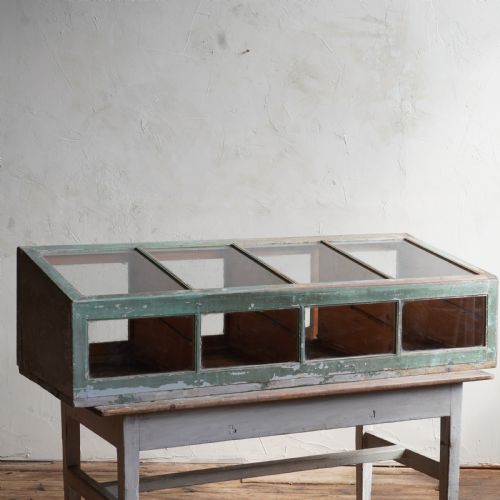
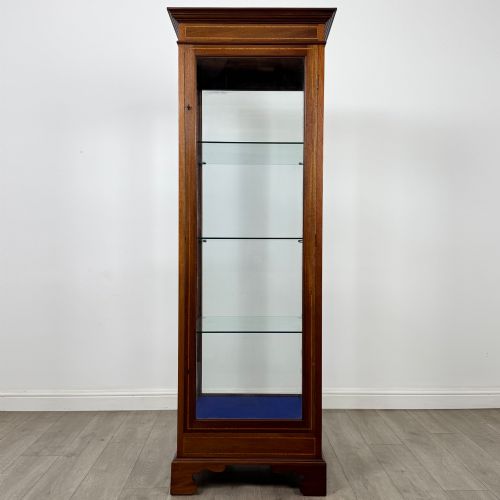
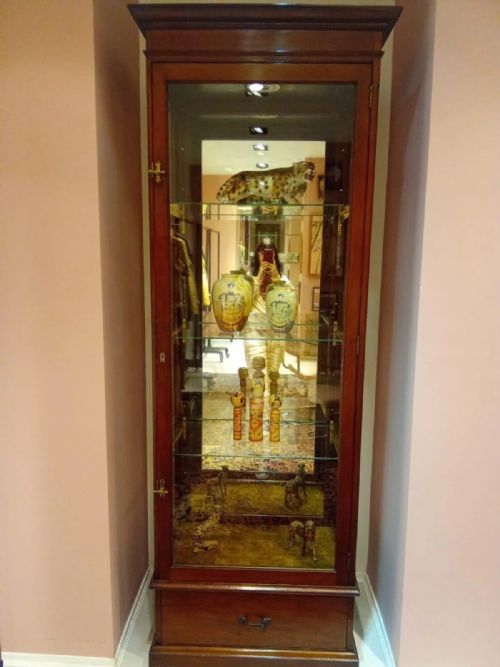
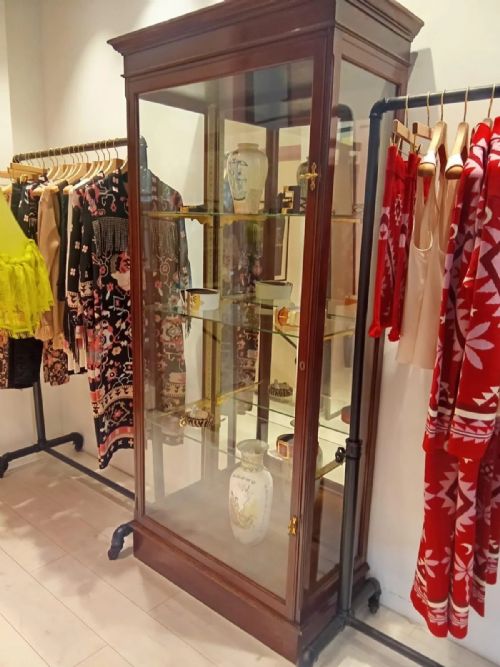
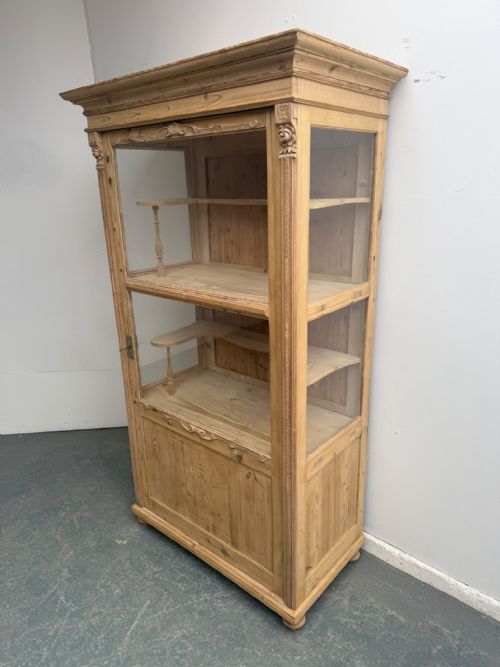
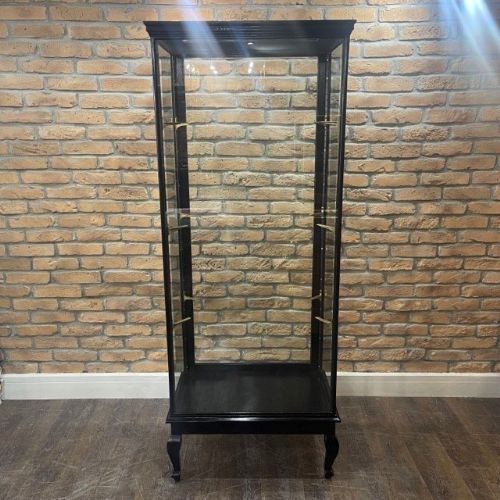
A glazed shop vitrine serves as a dedicated cabinet designed to exhibit merchandise or personal collections behind protective glass. When searching for a glazed shop vitrine, buyers encounter formats ranging from compact countertop units to tall freestanding towers.
The selections span several distinct eras, with Edwardian and 1920s commercial examples appearing most frequently alongside Victorian precursors. These pieces originated in commercial premises, pharmacies, and jewellers before finding a place in domestic interiors.
Formations include low display tables, bow-fronted cases, and triple-door cabinets built to maximise light and visibility from all angles. Each piece reflects the functional demands of turn-of-the-century retail merchants who needed to protect goods while keeping them entirely visible.
What varies in quality
Quality in a glazed shop vitrine depends upon the integrity of the framing timber and the clarity of the original glass panes. Superior examples display refined proportions, precise joinery, and sophisticated metalwork such as cast brass hardware or ormolu mounts.
Commercial provenance heavily influences distinction, with pieces bearing authentic manufacturer signatures or period advertising holding greater historical interest. The transition from utilitarian shop storage to refined display furniture dictates the sophistication of the secondary detailing.
Periods represented span from the late Victorian era through the Edwardian period and into 1930s Art Deco.
F. Sage & Co.·Siegel·E. Pollard & Co. Ltd.·Terry’s of York
The Glazed Shop Vitrine Glossary
- Vitrine
- A glass-sided cabinet or display case traditionally used for exhibiting fine objects or porcelain. The term derives from the French word for glass.
- Bijouterie table
- A low display case with a glazed top designed specifically for viewing small valuables, jewellery, or trinkets from above. These often sit on slender legs.
- Ebonised wood
- Timber treated with a chemical stain or black finish to imitate expensive ebony. This technique was popular in Victorian and early twentieth-century cabinetmaking.
- Ormolu
- Gilded bronze ornamentation applied to furniture mounts and decorative hardware. It provides a bright golden contrast against dark mahogany or ebonised surfaces.
- Vernis Martin
- A type of simulated Japanese lacquer developed in eighteenth-century France and emulated in later display cabinets. It produces a glossy, translucent decorative finish.
Glazed Shop Vitrine: Frequently Asked Questions
What is a glazed shop vitrine?
A glazed shop vitrine is a glass-fronted display cabinet originally utilised by merchants to showcase goods safely. These pieces range from countertop cases to large freestanding tower units.
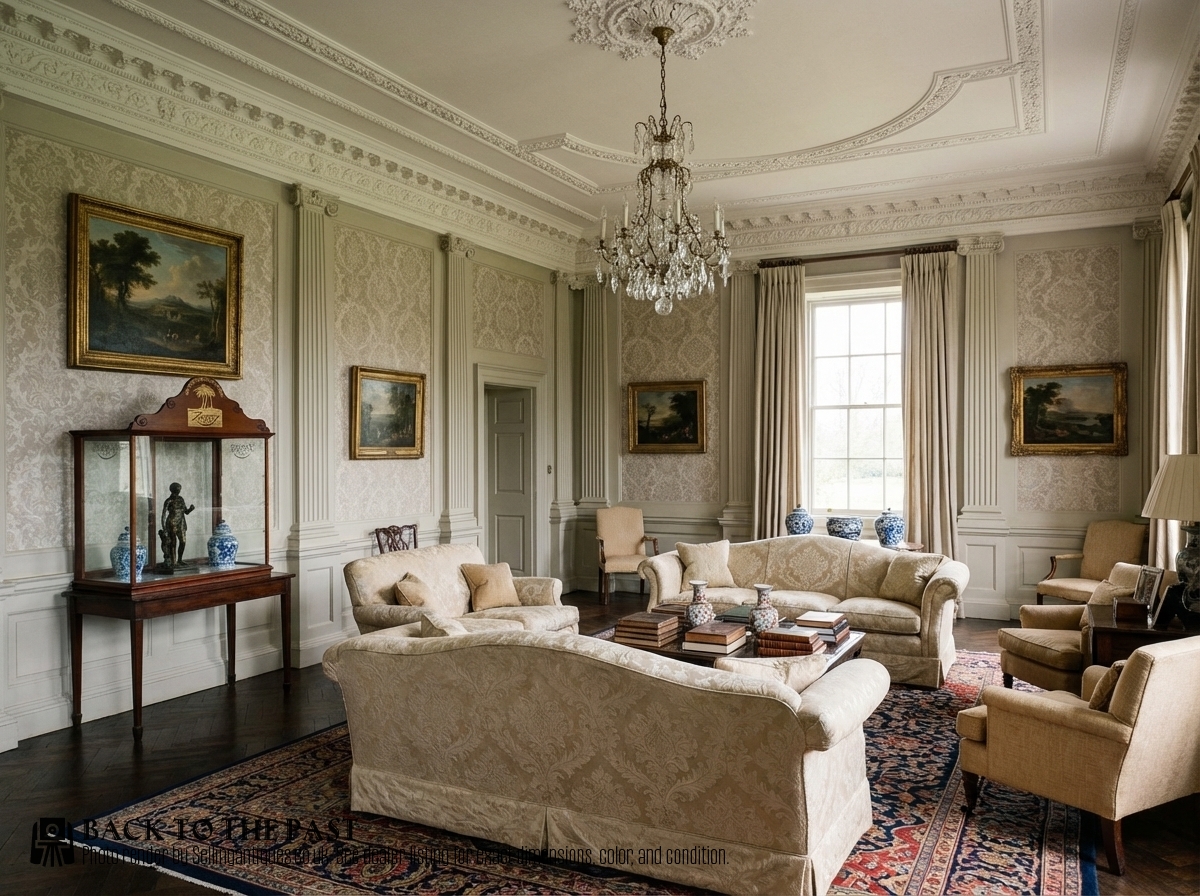
Today, collectors use them in domestic settings to display ceramics, books, and small collections while keeping dust away.
How do I date a shop vitrine?
Dating relies on architectural styles, timber choices, and construction techniques visible in the frame and hardware. Edwardian and 1920s pieces often feature clean commercial lines or ebonised finishes.
Victorian examples tend to use heavier mahogany construction with ornate brass mounts and traditional joinery methods.
Can I use a shop vitrine at home?
These cabinets integrate well into modern interiors by providing vertical storage and maximum visibility for prized possessions. Their deep glass panels allow natural light to illuminate the contents effectively.
Freestanding towers and countertop models adapt easily to living rooms, studies, or hallways without dominating the floor space.
What timber was used for vitrines?
Makers predominantly selected mahogany and pine for structural stability, supplementing them with ebonised wood for a dramatic dark finish. Brass, steel, and mirror glass were incorporated to enhance the reflection of light inside.
Certain commercial pieces also feature applied gold leaf or period sign-writing related to historic retail brands.