
Antique Scroll Arm Sofa
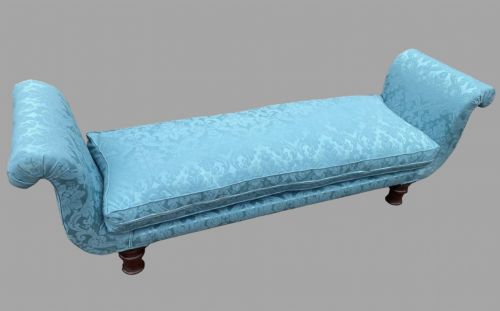
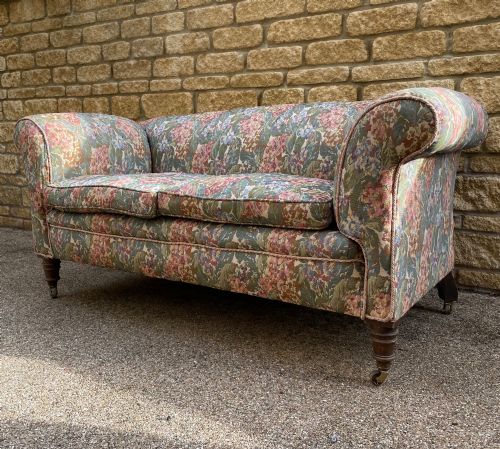
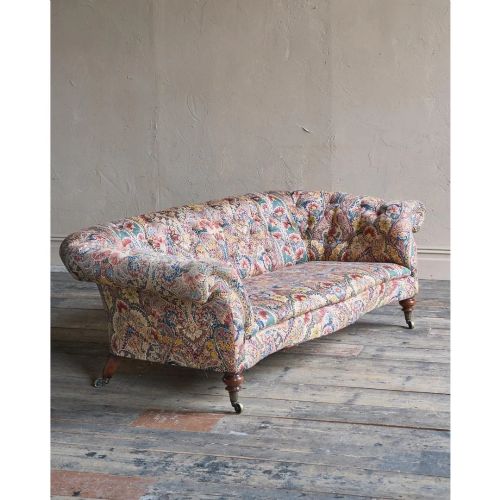
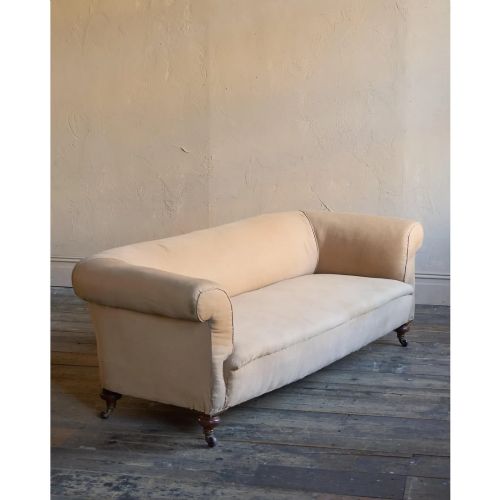
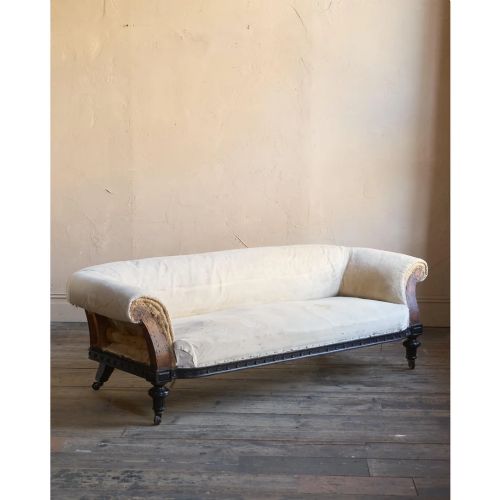
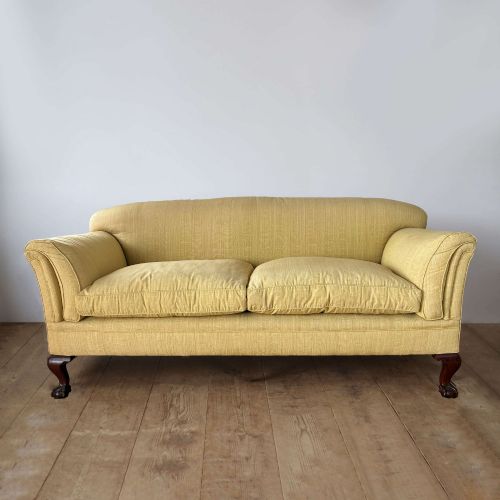
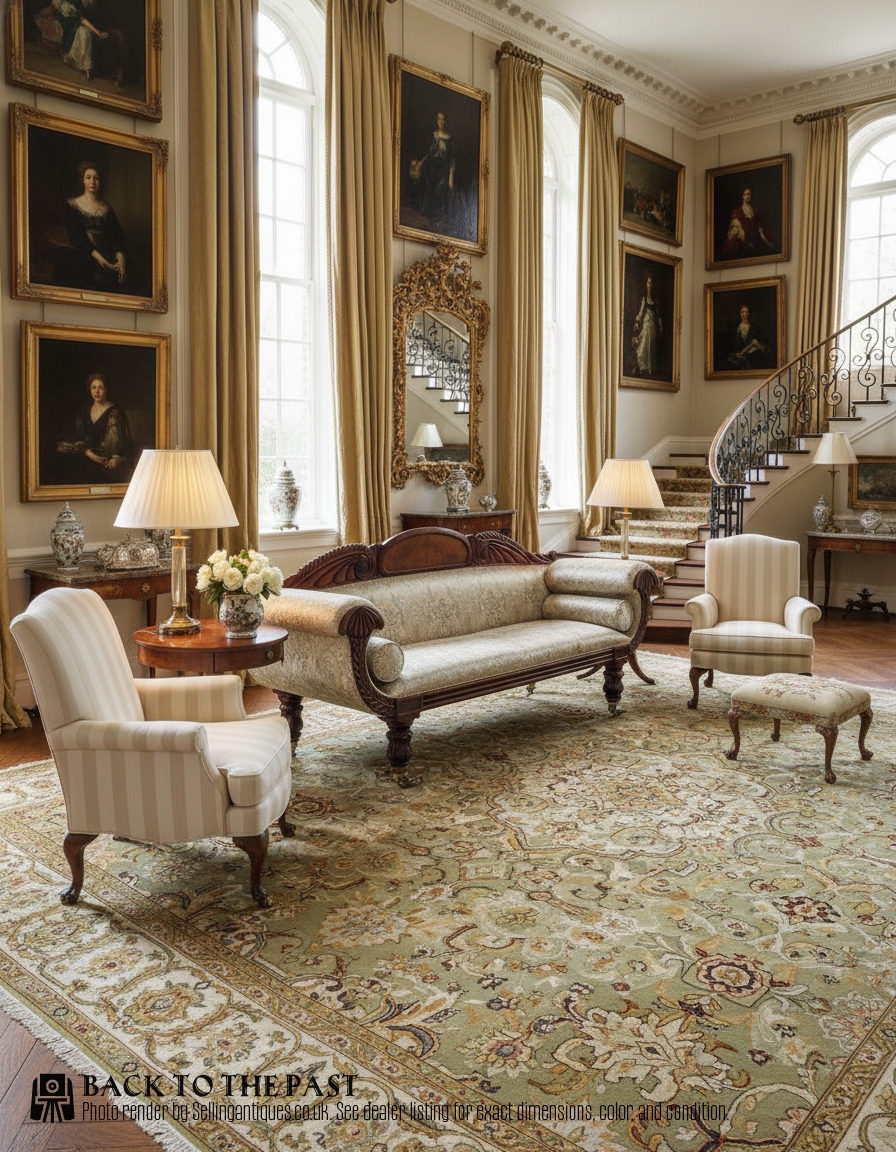
An antique scroll arm sofa brings nineteenth-century seating craft into a room, offering generous proportions and distinct rolled terminals.

Antique Scroll Arm Sofa
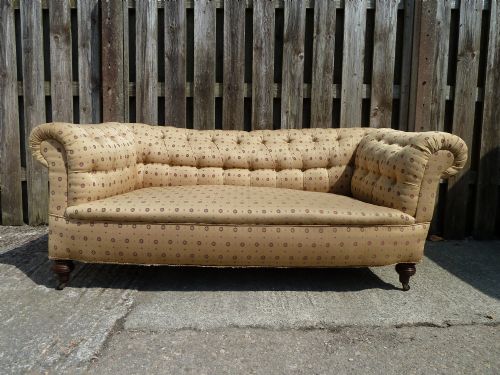
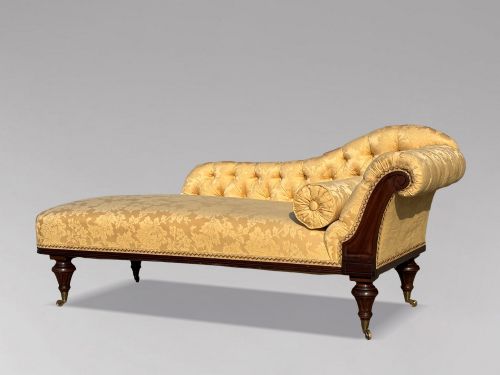
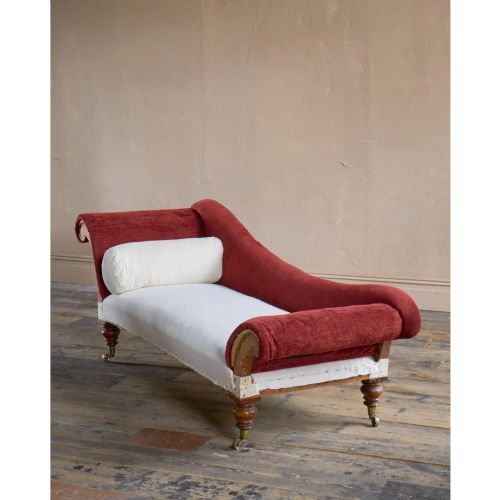
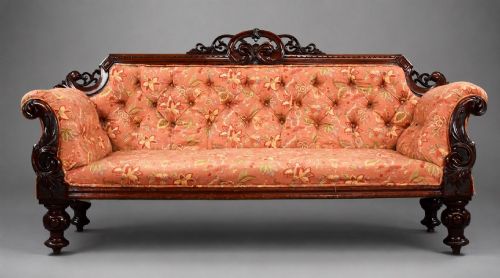
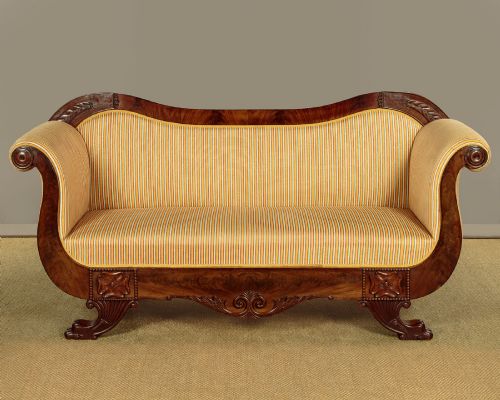
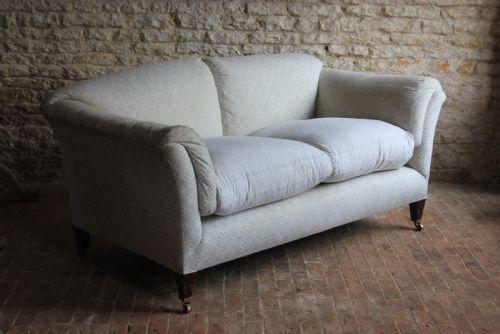
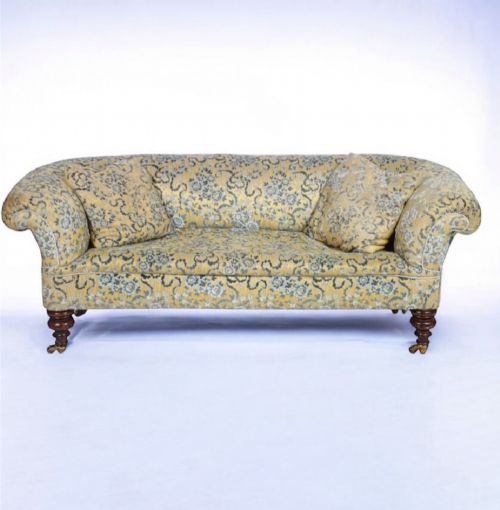
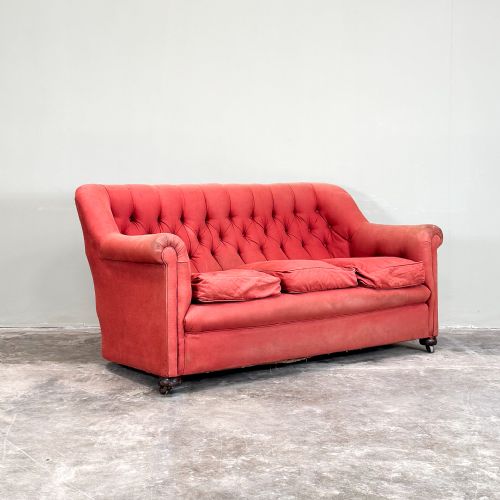
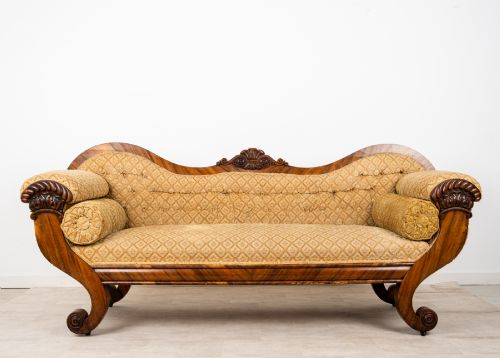
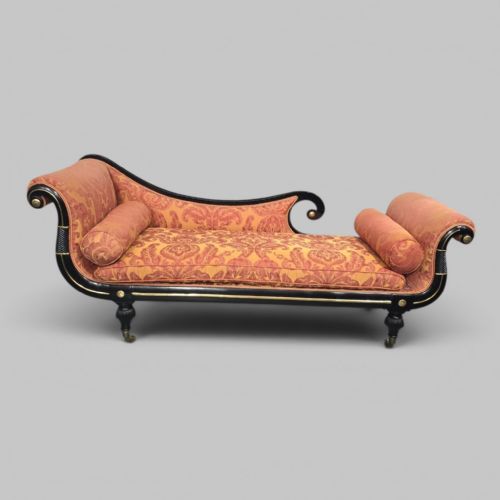
When you search for an antique scroll arm sofa, you encounter a variety of nineteenth-century forms including Regency couches, William IV settees, and Victorian Chesterfields. These pieces combine deep seating frames with characteristic curved armrests designed for reclining.
The selections span distinct historical periods from the Regency era through the Victorian period, alongside Edwardian examples and later 1930s deep-seated designs. Common formats on this page range from formal mahogany scroll-end couches to button-backed leather Chesterheads and upholstered daybeds.
Makers and regional styles shape these listings, with country house sofas sitting alongside pieces attributed to prominent nineteenth-century workshops. The unifying feature remains the sweeping scroll arm construction that defines the profile of each couch.
How they were made
Makers constructed the primary frames of these sofas using dense hardwoods such as mahogany and rosewood, often incorporating simulated rosewood finishes or walnut legs. These substantial timber skeletons provided the structural rigidity needed to support heavy scroll ends and deep seat cavities.
Upholstery techniques relied on traditional stuffing materials enclosed in fabrics like velvet, damask, and leather, held in place with careful stitching. Brass details occasionally appeared as castors or decorative mounts on Regency and William IV frameworks.
Antique Scroll Arm Sofa Retail Price Guide 2026
Typical asking prices for scroll arm sofa among the pieces listed under this phrase on Sellingantiques today, from the lower quarter to the upper quarter. They describe what is for sale here now, not the wider market.
One persistent maker signed their work so thoroughly that their armchair springs became legendary among collectors.
What varies in quality
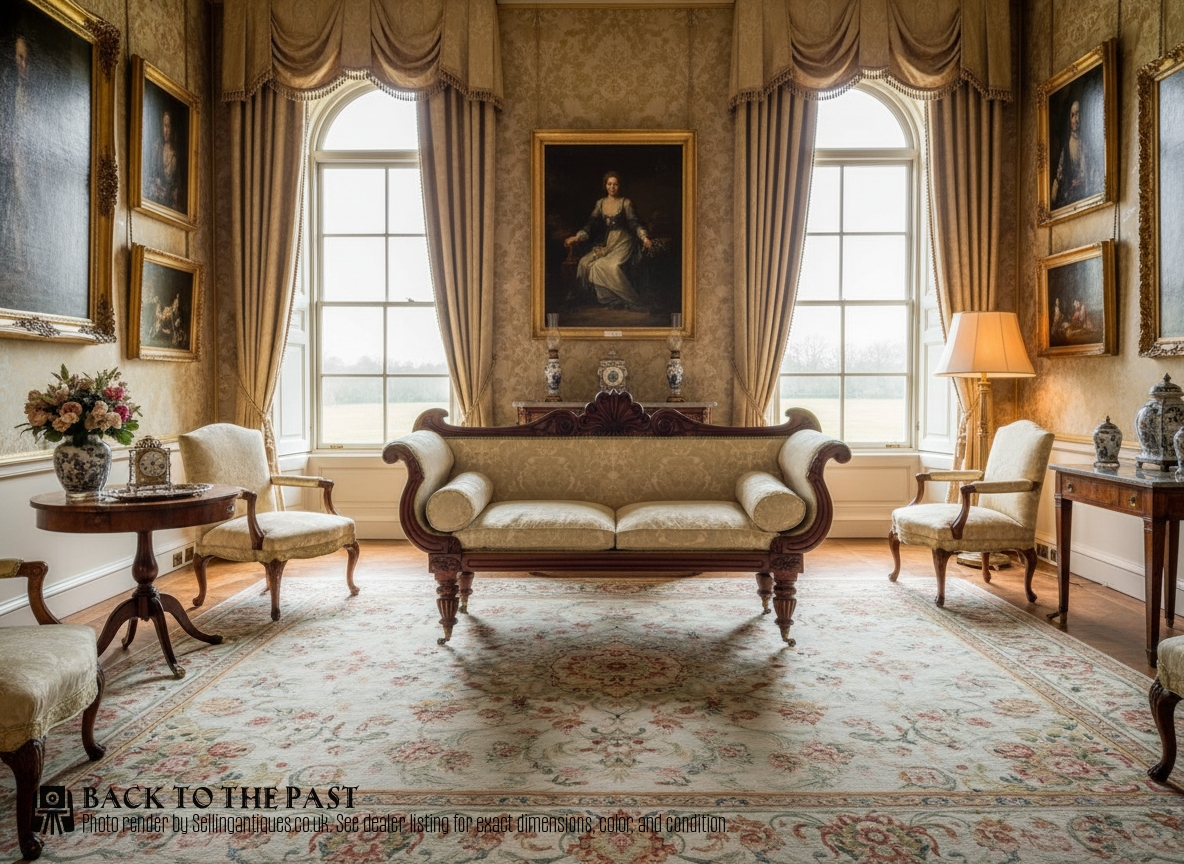
The standard of a piece rests heavily on the crispness of the timber carving around the scroll ends and frame rails. Finer examples display deeply sculpted mahogany or rosewood details that show deliberate hand-tooling rather than soft, mass-produced contours.
Proportion and structural integrity distinguish superior framework from simpler utilitarian builds. Pieces with balanced carriage lines and substantial timber scantlings retain their intended silhouette much better over decades of use.
Howard and Sons·Holland and Sons·Gillows
The Antique Scroll Arm Sofa Glossary
- Scroll end
- An armrest curved outward in a continuous spiral or sweep. This defining feature provides an ergonomic rest for the head or arm during reclining.
- Chaise longue
- An elongated chair or daybed designed for reclining with a backrest positioned along one side. Nineteenth-century versions frequently paired this form with scroll arms.
- Chesterfield
- A deep-buttoned upholstered sofa traditionally featuring arms and back of the same height. Victorian iterations often incorporated prominent scroll arms and leather or fabric coverings.
- Lyre shaped
- A frame profile resembling the ancient stringed musical instrument, commonly found on the ends of Regency couches. This decorative geometry added classical elegance to the principal supports.
Antique Scroll Arm Sofa: Frequently Asked Questions
What is a scroll arm sofa?
A scroll arm sofa is a nineteenth-century seating form featuring characteristic curved armrests that roll outward. These pieces emerged across the Regency, William IV, and Victorian periods as comfortable day furniture.
They combine robust timber frames with upholstered bodies designed for formal reception rooms or private libraries. The scrolled terminals serve both an aesthetic function and a practical purpose for resting.
How do I date an antique sofa?
Dating relies on observing stylistic markers such as wood choice, leg turning, and frame silhouette. Regency and William IV pieces often display exposed mahogany or rosewood with classical motifs.
Victorian and Edwardian variants introduce different upholstery depths, walnut supports, and button-backed configurations. Comparing these physical traits against documented period designs helps narrow the manufacturing era.
Where were these sofas used?
Original owners placed these large seating pieces in principal drawing rooms, libraries, and country house reception spaces. They functioned as primary daytime lounging furniture before the advent of modern modular seating.
Their substantial dimensions suited grand domestic interiors where social entertaining and relaxation took place. Today, they serve a similar focal purpose in spacious living rooms.
How do I care for antique upholstery?
Maintaining fabric or leather upholstery requires gentle dusting and protection from direct sunlight to prevent fading. Natural textiles benefit from regular professional cleaning suited to nineteenth-century materials.
Wooden frames should be treated with appropriate furniture wax rather than harsh chemical polishes. Preserving the structural timber ensures the internal webbing and scroll supports remain secure.