






Antique Saint Figure Carving
These antique saint figure carving examples bring centuries of devotional art into modern spaces through hand-carved timber and traditional polychrome surfaces.
Antique Saint Figure Carving
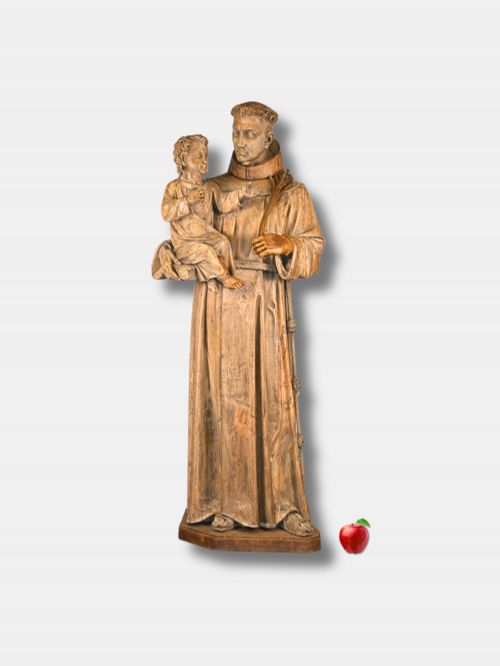
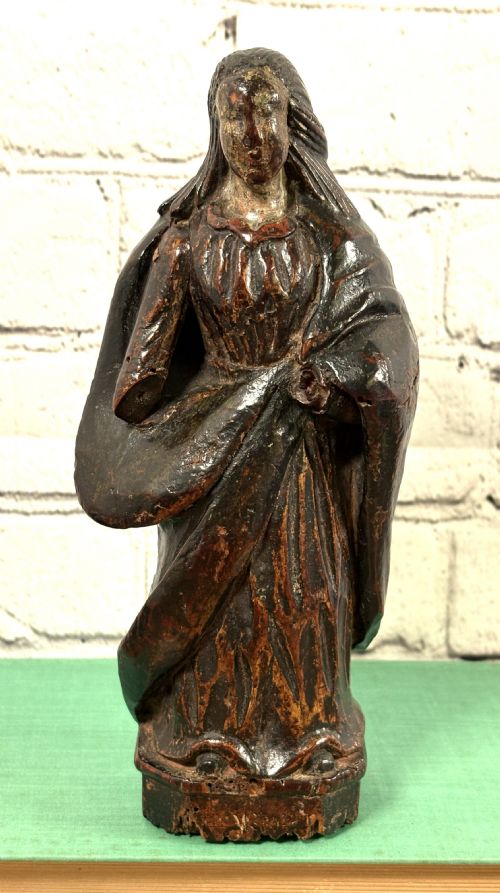
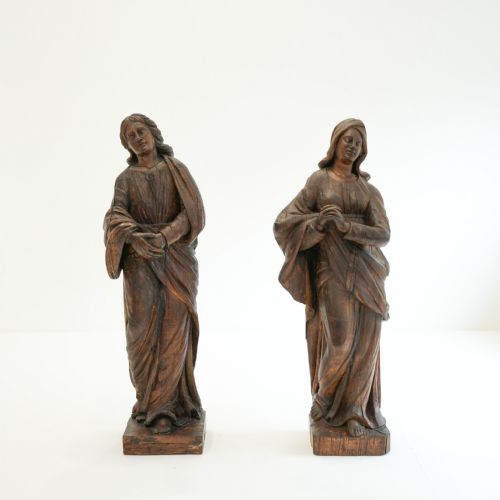
When you search for an antique saint figure carving, you encounter devotional wooden sculptures originating from continental workshops across the medieval, Renaissance, and Baroque periods.
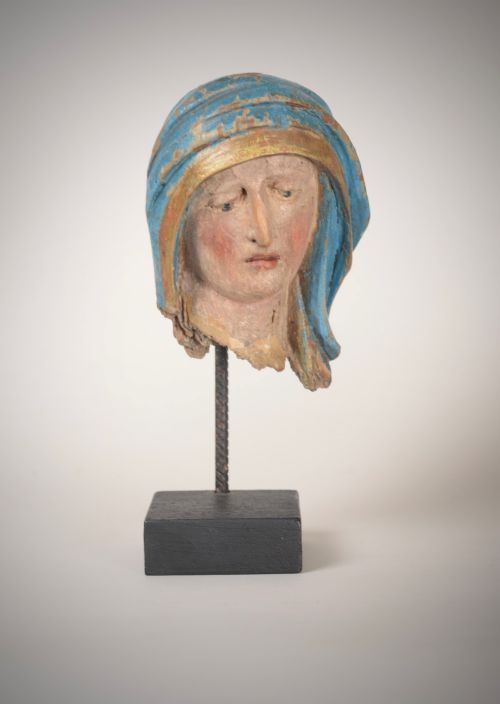
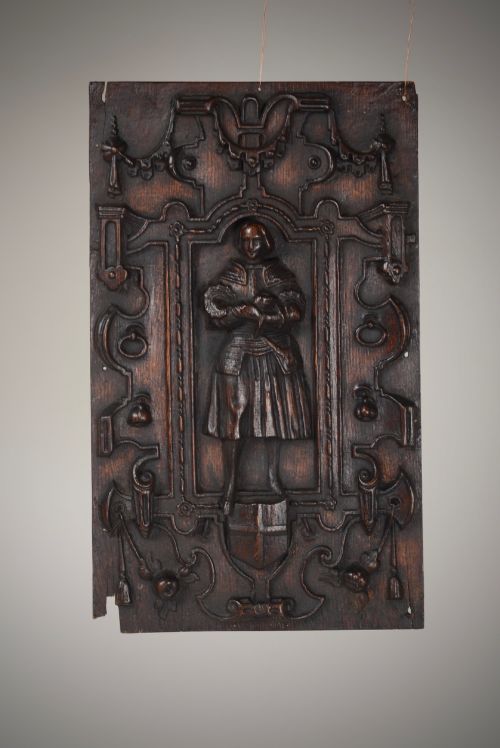
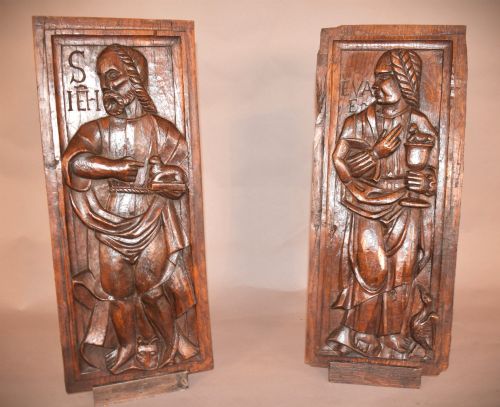
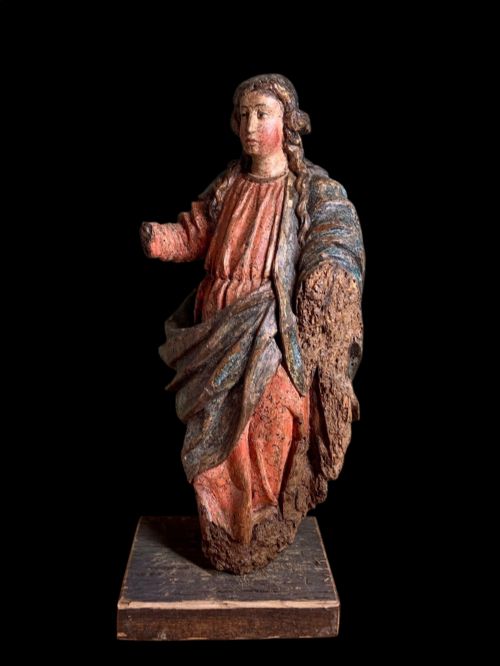
The selections span small fragments and panels alongside life-size church statues depicting figures such as the Virgin Mary, Saint Anthony, and various apostles.
Oak, limewood, and applewood provide the primary timber foundations for these sculptures, often shaped by regional hands in Italy, Germany, France, and Flanders.
Materials and construction
Many surfaces received a layer of gesso before painters applied polychrome pigments and gold leaf to heighten the visual drama of the religious subjects.
Among the solemn saints and apostles, an unexpected wooden sculpture of a Saint Bernard rescue dog waits patiently.
Assessing craftsmanship
The mastery of anatomical proportion and the fluidity of carved drapery distinguish superior sculptures from simpler regional folk art pieces.
The survival rate and original application of surface treatments, including layered gesso, polychrome paint, and gold leaf, heavily influence the artistic merit of each carving.
Franz Keller·Antonio Allegri Correggio
The Antique Saint Figure Carving Glossary
- Polychrome
- Decoration in multiple colours applied to the surface of wood or stone. This technique brings depth and lifelike qualities to religious sculptures.
- Gesso
- A plaster mix applied as a smooth base layer for paint and gold leaf. It seals the wood grain and creates a brilliant ground for gilding.
- Capipote
- A processional statue with a wooden framework designed to wear actual fabric garments. These figures often appear in Spanish religious traditions.
- Giltwood
- Timber decorated with thin sheets of gold leaf over a prepared surface. This costly finish catches candle and natural light within ecclesiastical settings.
Antique Saint Figure Carving: Frequently Asked Questions
How were these figures originally displayed?
Devotional carvings stood inside churches, chapels, and monastic spaces as focal points for prayer and veneration.
Smaller panels and household figures also served private contemplation within domestic domestic settings.
What woods were used for carving?
Carvers selected local timbers depending on regional availability and workshop traditions across Europe.
Oak, limewood, applewood, and general hardwoods appear frequently throughout the historical evidence.
How do I identify a period?
Stylistic indicators such as Gothic elongation, Renaissance naturalism, and Baroque theatricality point toward specific centuries of production.
Tool marks and the application methods of gesso and polychrome paint offer further clues regarding age.
Why are some figures painted?
Polychrome paint and gold leaf transformed plain timber into vibrant, lifelike representations of holy individuals.
This finishing process was standard practice in ecclesiastical workshops to inspire awe in observers.