

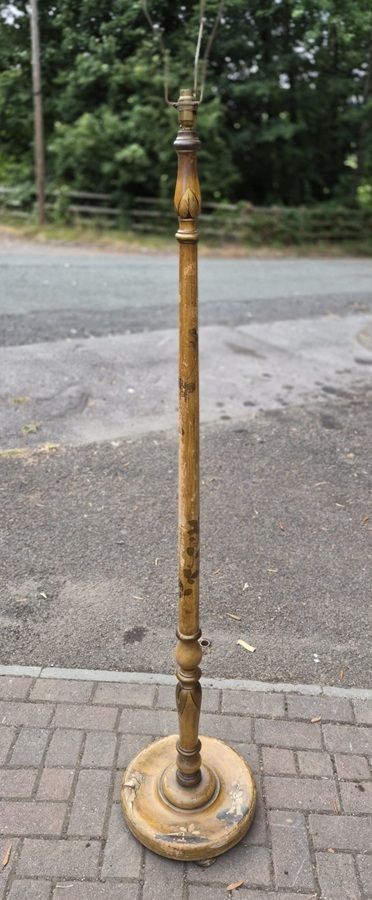
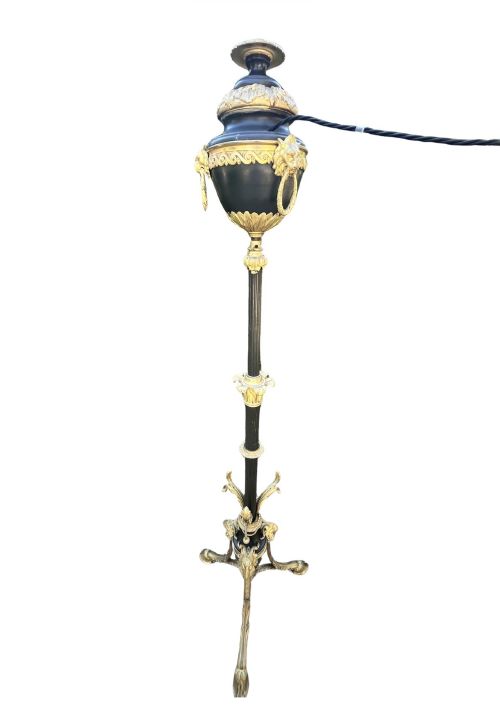
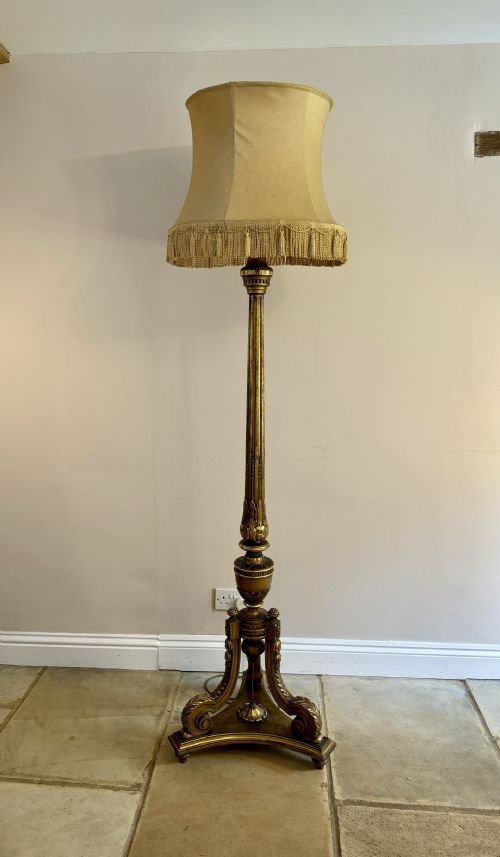
Antique Reading Floor Light
An antique reading floor light brings focused illumination and period character to a room, ranging from brass oil standards to adjustable metal designs.
Antique Reading Floor Light
An antique reading floor light serves as a tall, freestanding luminaire designed to cast direct light over a chair or desk. When you search for an antique reading floor light, you encounter standard lamps and floor lamps spanning the Victorian and Edwardian eras through to the 1920s and 1930s.
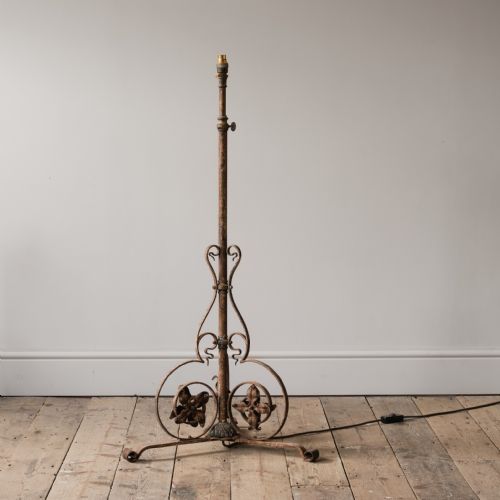
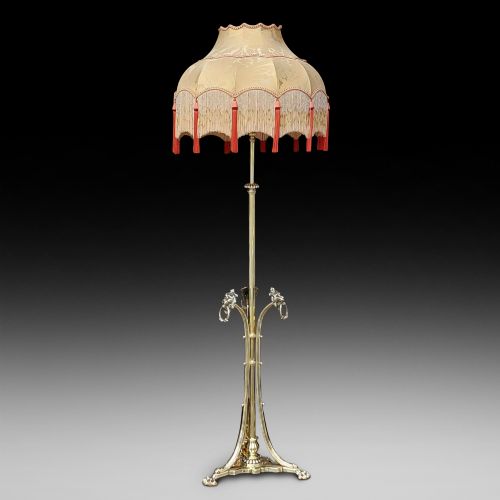
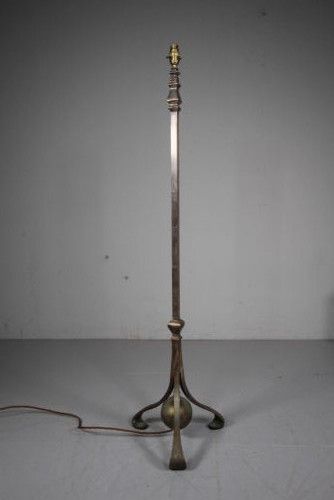
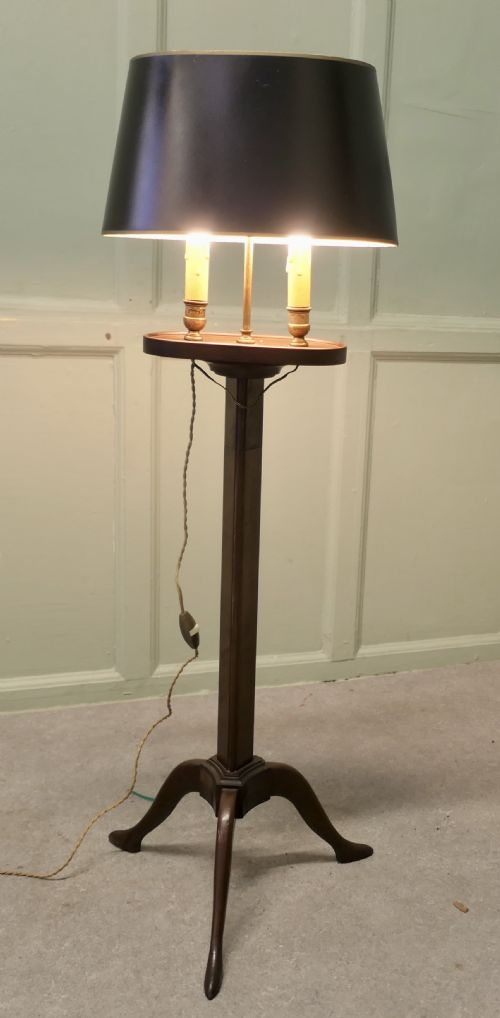
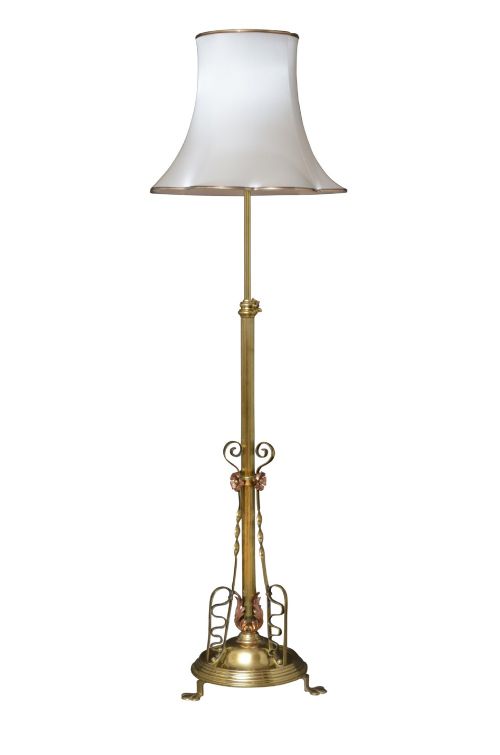
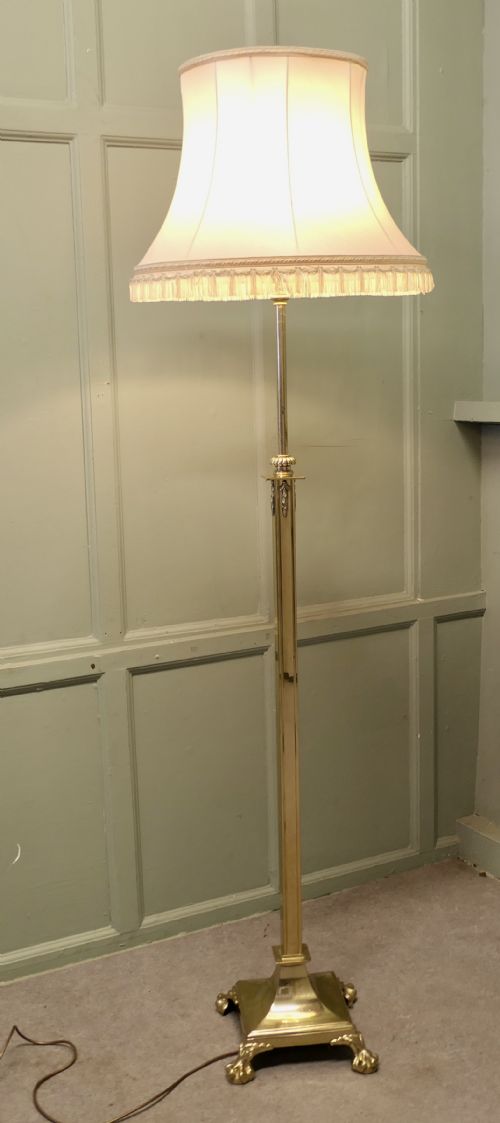
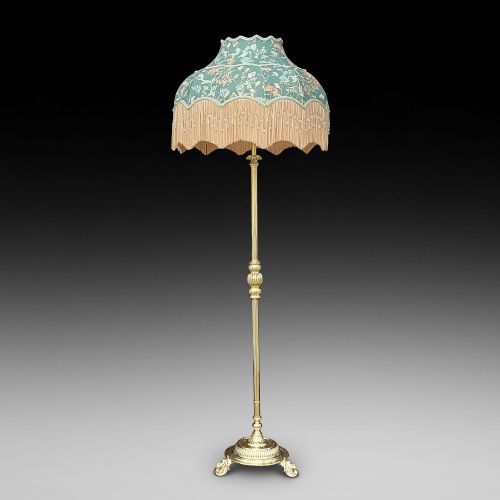
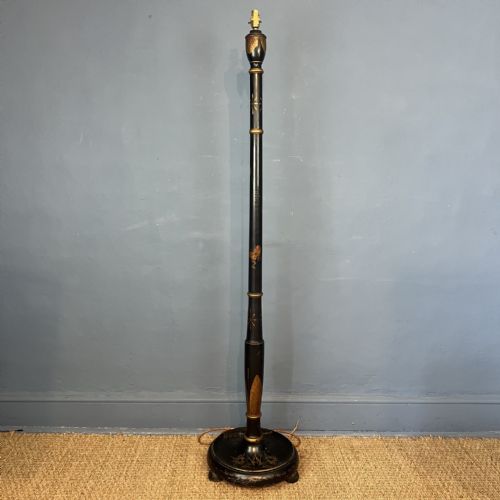
The pieces on this page appear in various regional and design idioms, including French Chateau, Art Nouveau, Art Deco, and Arts and Crafts styles. Common formats include telescopic brass columns, adjustable blacksmith-made wrought iron, and carved wooden standards.
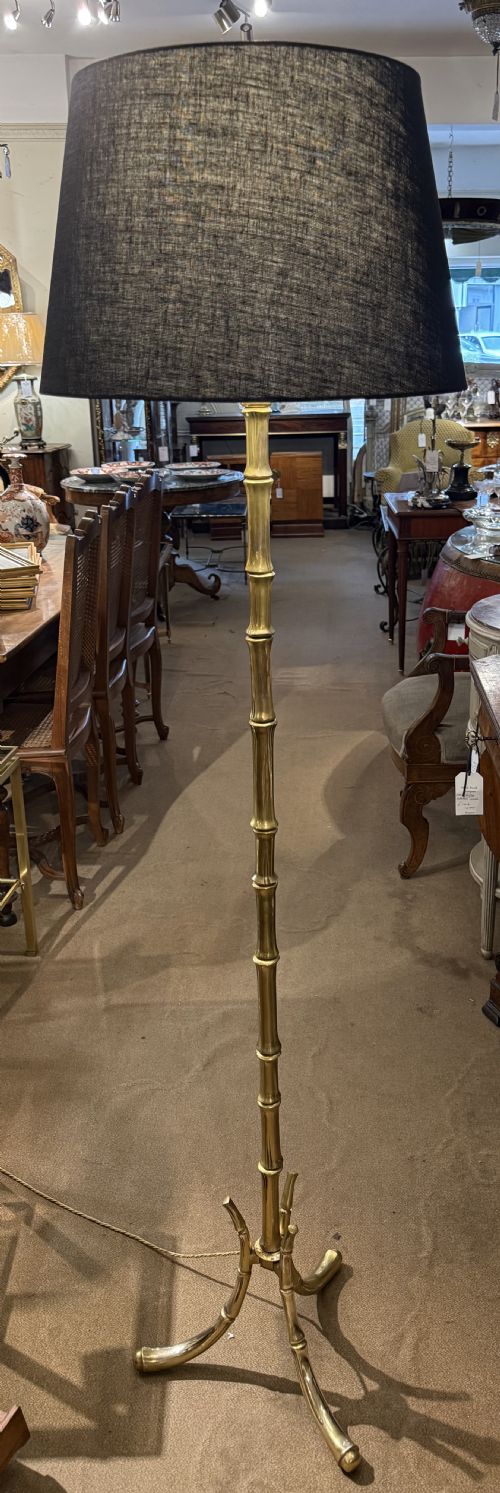
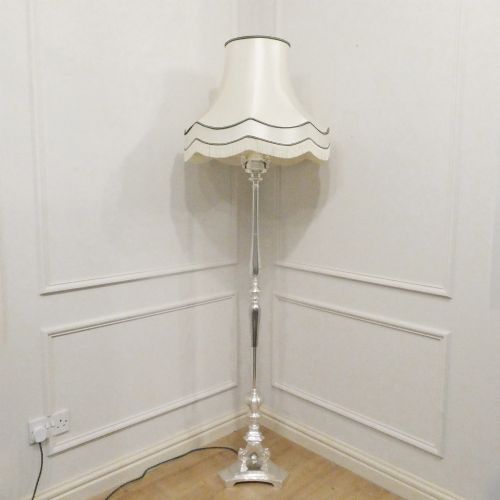
Makers and workshops range from standard commercial production to specific designers such as Maison Bagues. Buyers frequently meet adjustable brass and copper oil lamp standards alongside later chrome and silver-plated reading lamps.
Materials and construction
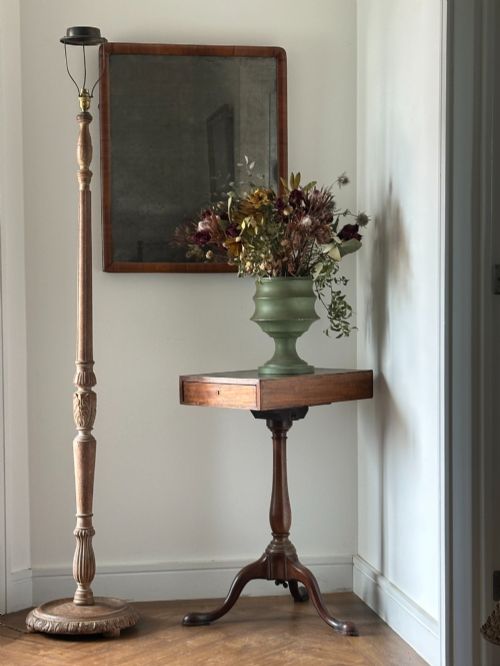
Makers constructed these floor lights using durable metals like brass, copper, silver plate, wrought iron, and chrome, often paired with weighted bases for stability. Many examples incorporate turned or carved timbers including oak, walnut, mahogany, and giltwood.
Mechanical adjustability is central to their manufacture, utilising telescopic stems, screw keys, and adjustable arms to alter height and angle. Craftsmanship also appears in surface treatments such as patination, liming, gilding, and painted finishes.
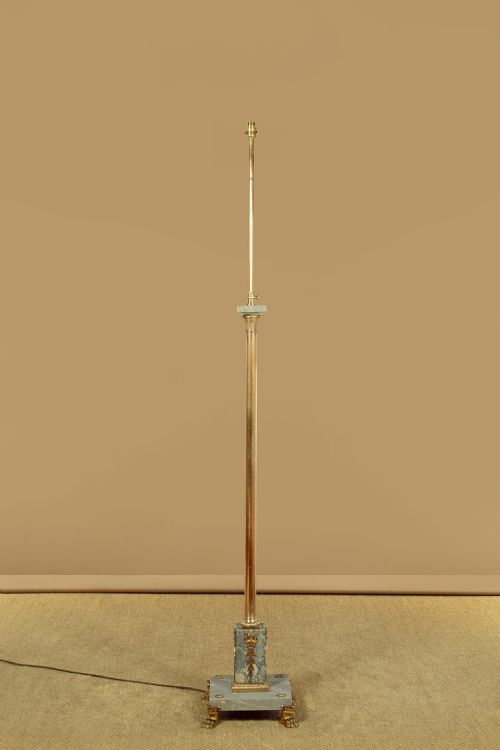
The selection includes Arts and Crafts tripod lamps, Art Deco chrome stems, and elaborate Victorian Corinthian column standards.
Judging quality and execution
Quality in these floor lights rests upon the heaviness of the metal casting and the stability of the base, whether tripod or weighted circular. Superior examples demonstrate crisp carving in wood or refined chasing and patination on brass and bronze components.
The sophistication of the mechanical adjustment mechanism distinguishes better pieces from simpler utility models. Original fittings, such as period brass keys and well-integrated telescopic stems, elevate the standing of the piece.
Maison Bagues
The Antique Reading Floor Light Glossary
- Standard lamp
- A tall, freestanding floor lamp designed to hold a light fitting or oil reservoir at a height suitable for illumination.
- Telescopic
- An adjustable stem design allowing the upper section of the lamp to slide upward and downward to alter the overall height.
- Bouillotte
- A style of adjustable lamp originally associated with card games, typically featuring a central stem and candle or bulb arms.
- Chinoiserie
- A decorative style reflecting Chinese artistic influences, seen on lacquered and painted wooden lamp standards from the Edwardian period.
- Corinthian column
- A classical architectural column form frequently adapted for brass and metal floor lamp standards during the Victorian era.
Antique Reading Floor Light: Frequently Asked Questions
How do I adjust the height?
Many of these lamps use a telescopic stem secured by a side screw key or sliding mechanism. Loosening the key allows you to raise or lower the upper column before tightening it back into place.
Heavier models require a firm grip while adjusting to ensure the weighted base remains stable on the floor.
Where should I place a floor lamp?
These tall lights suit placement beside an armchair, reading desk, or in the corner of a reception room. Their height allows them to project light downward over seating areas without taking up surface space.
Ensure the floor is level so that heavy brass or iron bases stand securely upright.
Are these lamps converted from oil?
Several Victorian and Edwardian examples began as standard oil lamps featuring fonts and burners. These have subsequently been adapted for electrical wiring while retaining their original metal columns.
Look for original brass oil reservoirs or burner galleries that have been thoughtfully wired for modern use.
How do I identify an Edwardian standard lamp?
Edwardian examples often feature slender brass columns, satinwood or mahogany woodwork, and decorative painting such as chinoiserie motifs. They tend to be lighter in construction than heavy Victorian cast brass pieces.
The aesthetic leans toward refined elegance, drawing on Georgian revival styles popular in the early twentieth century.