


Vintage Wrought Iron Lamp
A vintage wrought iron lamp brings solid character and tactile metalwork to a room, ranging from heavy floor standards to intricate wall brackets.
Vintage Wrought Iron Lamp
When you search for a vintage wrought iron lamp, you encounter a robust selection of lighting fixtures spanning floor lamps, table lamps, and hanging lanterns. These pieces originate from periods including the Victorian era, the Art Deco movement, and the Arts and Crafts period, reflecting diverse historical design sensibilities.
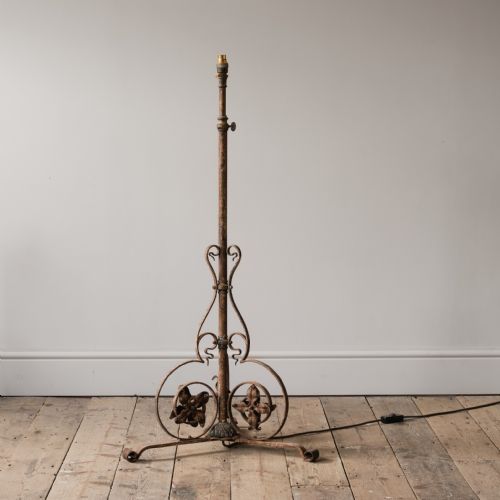
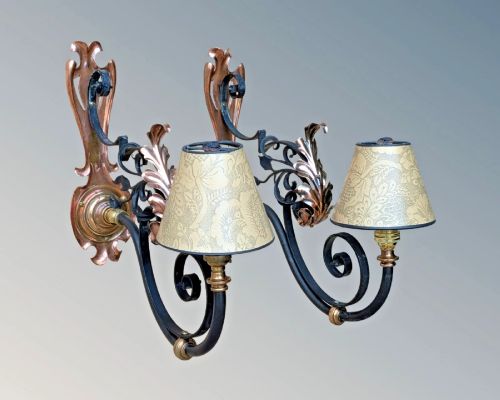
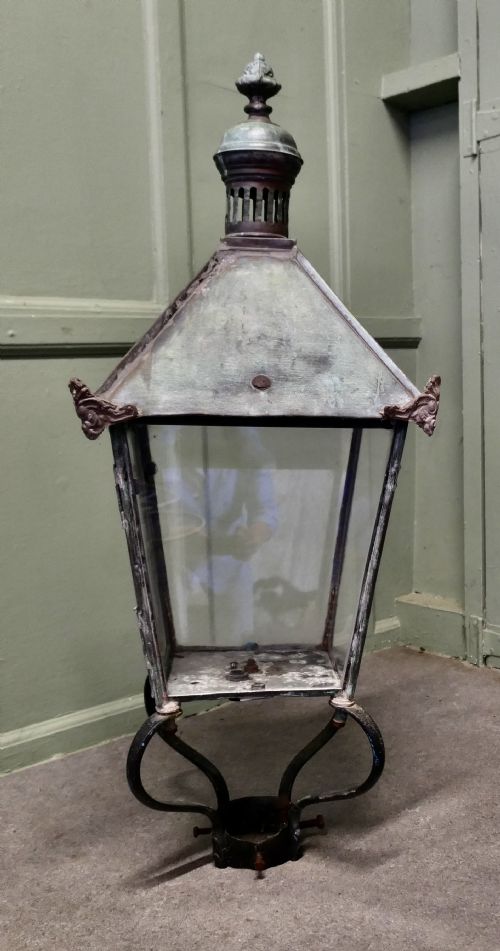
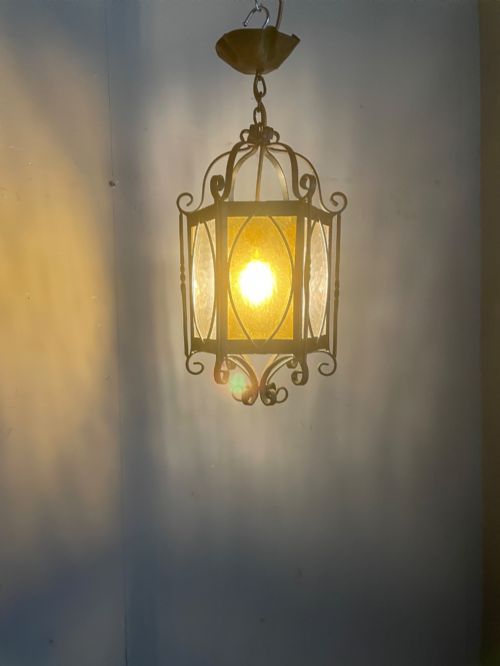
Floor standing models often feature adjustable arms or telescopic shafts designed for practical task illumination. Wall lights and hall lanterns provide architectural accent lighting, frequently incorporating glazed panels or open metal frames.
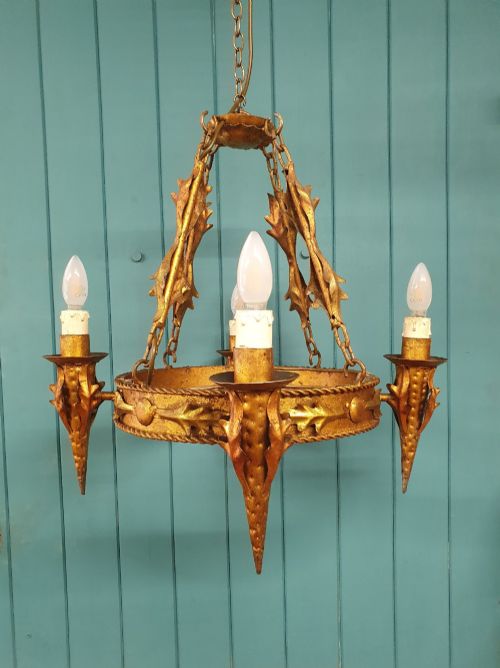
French workshops and British makers both contributed significantly to this category, utilising durable metals to create functional objects that double as sculptural elements. You will frequently find pieces combining heavy ironwork with contrasting glass shades from the early twentieth century.
How they were made
Blacksmiths shaped heated iron bars by hand on an anvil, hammering the metal to achieve tapered scrolls, twisted stems, and rigid structural frames. This traditional blacksmithing technique resulted in sturdy floor standards and wall brackets bearing subtle surface textures from the hammer blows.
Makers integrated hand-formed copper, brass, and gilt metal details alongside the primary iron structure to introduce tonal variety and warmth. Glass components such as opalescent shades, frosted bowls, and leaded panes were produced separately and fitted securely into the metal armatures.
Listings feature items spanning the eighteenth, nineteenth, and early twentieth centuries, incorporating materials such as wrought iron, brass, copper, and opalescent glass.
What varies in quality
The refinement of the blacksmith's work distinguishes standard utilitarian items from exceptional decorative pieces. Fluidity in the forged scrolls, balanced proportions, and clean joints indicate superior craftsmanship.
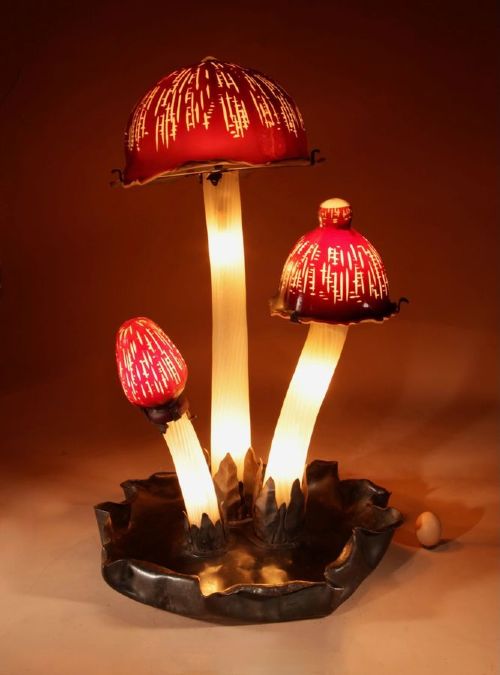
The integration of specialised glass shades by notable glassmakers elevates the overall standard of a table lamp or chandelier. Heavier gauges of iron and well-preserved original surface treatments reflect greater initial investment and durability.
Lacroix·Lalique·Daum·Degue·Muller Freres
The Vintage Wrought Iron Lamp Glossary
- Wrought iron
- Iron that is heated and hammered into shape by hand, resulting in a fibrous structure and textured surface. It differs from cast iron by being more malleable during manufacture.
- Torchere
- A tall standing lamp designed to direct light upwards toward the ceiling. These fixtures often feature slender shafts supported by heavy weighted bases.
- Pate de verre
- A glass-making technique involving crushed glass packed into a mould and fused in a kiln. This method produces thick, coloured art glass panels commonly found in early twentieth-century shades.
- Telescopic floor lamp
- A standard lamp featuring a shaft that extends vertically to adjust the overall height. Mechanics typically rely on a thumbscrew or internal spring mechanism.
Vintage Wrought Iron Lamp: Frequently Asked Questions
How do I identify an Art Deco wrought iron lamp?
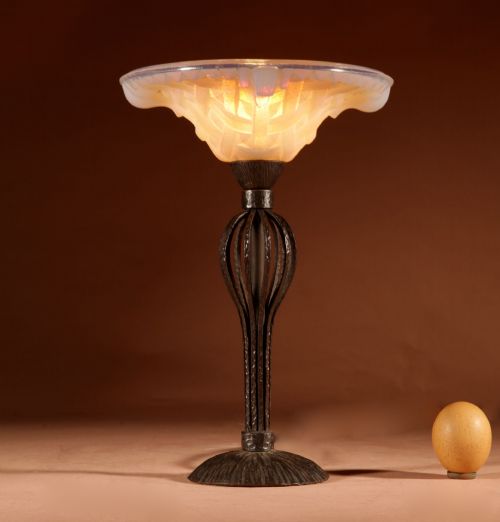
Art Deco pieces typically display geometric patterns, stylised floral motifs, and symmetrical scrollwork characteristic of the 1920s and 1930s. They frequently pair dark iron frames with frosted or opalescent glass shades.
Makers from this period often combined industrial metal techniques with delicate glass art, creating high contrast between the heavy forged base and the luminous shade.
Were these lamps originally electrified?
Many early floor lamps and wall brackets began as oil lamps or gas fixtures before conversion to electricity during the twentieth century. Conversions often retain original telescopic mechanisms or burners adapted for modern wiring.
When examining a period piece, look for evidence of past fuel use alongside updated electrical components fitted for contemporary safety standards.
What is the difference between a standard lamp and a torcher?
A standard lamp generally supports a shade directing light downwards for reading or general illumination. A torchere specifically projects light upward to bounce off the ceiling.
Both forms utilise heavy iron bases to maintain stability, but floor standards often include adjustable arms while torcheres maintain a fixed upward focus.
How do I care for vintage ironwork?
Maintain wrought iron surfaces by dusting with a dry cloth and occasionally applying a light coat of microcrystalline wax to protect the metal finish. Avoid harsh chemical cleaners that can strip original patination.
Glass shades should be removed and washed gently in warm soapy water, ensuring all metal mounts remain dry during the cleaning process.