



Gothic Wall Sconce
A gothic wall sconce brings dramatic period character to an interior, combining medieval architectural motifs with functional illumination.
Gothic Wall Sconce
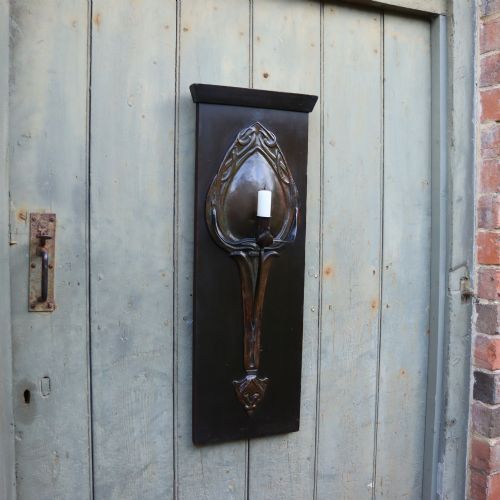
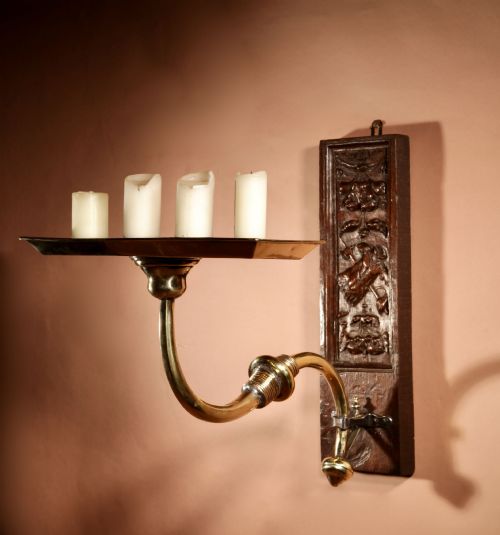
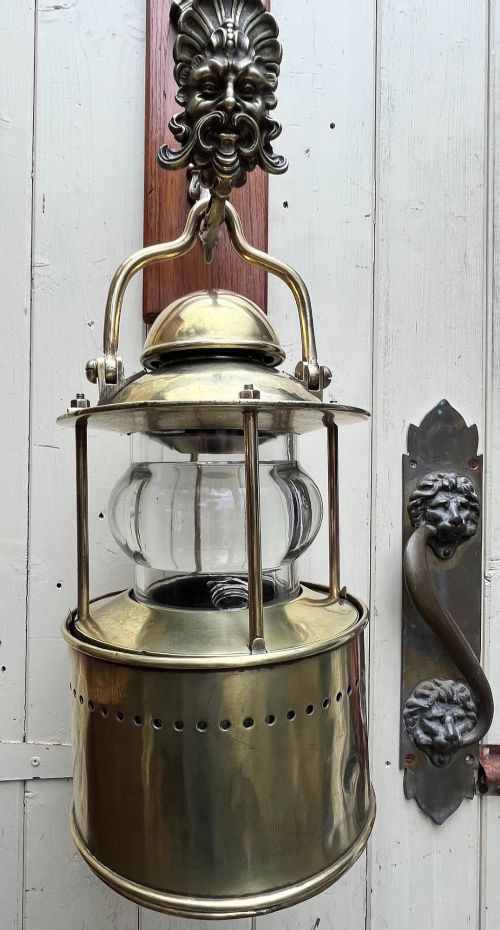
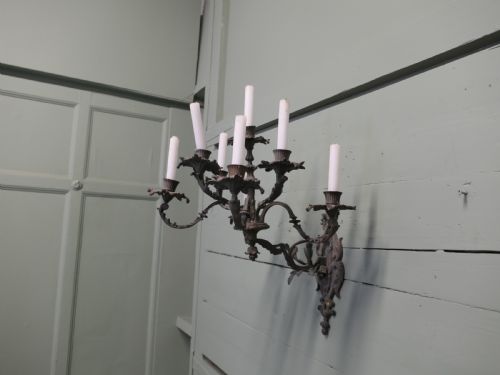
A gothic wall sconce draws on medieval architectural forms, ranging from ecclesiastical brass brackets to heavy iron castle lights. The selection includes single candle holders, multi-armed fixtures, and mirrored sconces incorporating decorative elements like quatrefoils and grotesque masks.
Most examples originate from the nineteenth and early twentieth centuries, spanning the Gothic Revival, Victorian, and Arts and Crafts movements. Buyers frequently encounter pairs of brass or wrought iron lights alongside occasional French and Florentine interpretations.
Materials and construction
Metalworking dominates these pieces, utilising cast and hammered brass, wrought iron, bronze, and copper to achieve durable structural forms. Workshops often combined these metals with glass shades or wooden components, particularly in overmantel mirrors and candle holders.
Traditional casting and joining techniques define the period output, from intricate surface chasing on brass to robust riveting on heavy iron lanterns. Finish details range from gilt applications to patinated metal surfaces developed over decades of use.
Gothic Wall Sconce Retail Price Guide 2026
Typical asking prices for gothic wall sconce among the pieces listed under this phrase on Sellingantiques today, from the lower quarter to the upper quarter. They describe what is for sale here now, not the wider market.
Listings feature works from the eighteenth to the twentieth century, with nineteenth-century examples predominating in brass and iron.
Assessing quality and execution
Execution of detail separates standard production from superior examples, particularly in the crispness of cast ornamentation like grotesque masks or quatrefoil patterns. Heavier gauge metals and thoughtful articulation of arms or brackets indicate superior workshop output.
The integrity of the surface finish and the retention of original components, such as matching drip pans or period glass, influence the overall character of the piece. Proportion and balance in paired sets also distinguish finer decorative lighting.
Cottier and Co·Degue·Louis Majorelle
The Gothic Wall Sconce Glossary
- Gothic Revival
- An architectural and decorative style drawing inspiration from medieval design, prevalent throughout the nineteenth century. It heavily influences the pointed arches and tracery seen on these light fittings.
- Girandole
- A branched wall sconce featuring a reflective mirror backplate. This form multiplies the candle light within a room.
- Pricket
- A sharp spike on a candle holder designed to secure a wax taper or candle. It represents an older ecclesiastical tradition often adopted in period lighting.
- Quatrefoil
- A symmetrical decorative shape composed of four partially overlapping circles. This motif frequently appears in the metalwork of gothic fixtures.
- Grotesque
- A decorative carving or casting of mythical or fantastic human and animal forms. These mask details often accent the metal frames of revival sconces.
Gothic Wall Sconce: Frequently Asked Questions
How do I wire a period wall sconce?
Many older metal sconces were originally designed for candles or gas and require careful conversion by a qualified electrician. Modern wiring is typically threaded through existing channels or concealed behind the backplate to preserve the exterior appearance.
Working with a professional ensures that the electrical components meet current safety standards while respecting the historical fabric of the metal bracket.
Are these lights sold in pairs?
A significant portion of the available lighting is offered as matched pairs, which suits symmetrical placement on either side of a fireplace or mirror. Single pieces also appear frequently for accent lighting in smaller spaces.
When purchasing pairs, check that the dimensions and casting details align closely, as hand-finished period pieces can exhibit minor individual variations.
How do I clean antique brass and iron?
Preserving the accumulated patina is generally preferred over aggressive polishing, which can strip away centuries of character. Dusting with a soft, dry cloth is usually sufficient for regular maintenance.
If cleaning is necessary, use non-abrasive methods appropriate for the specific metal, avoiding harsh chemical dips that damage historical finishes.
What rooms suit a gothic wall sconce?
These fixtures complement spaces with traditional architectural detailing, libraries, hallways, or dining rooms seeking a strong focal point. The heavier iron and bronze designs suit moody, textured interiors.
Lighter brass or mirrored variants can brighten darker corners while introducing historic texture to contemporary or eclectic rooms.