
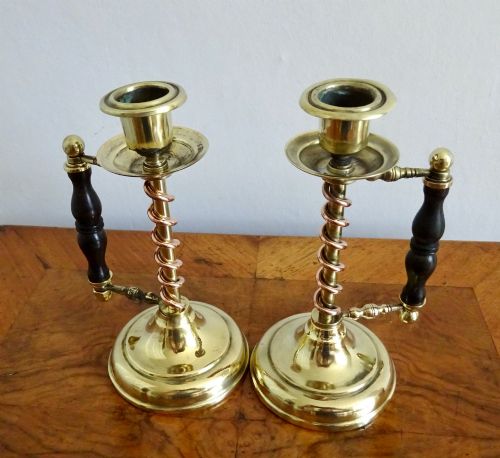


Arts and Crafts Sconce
These arts and crafts sconce pieces combine honest metalwork and period character to illuminate a room with genuine historic style.
Arts and Crafts Sconce
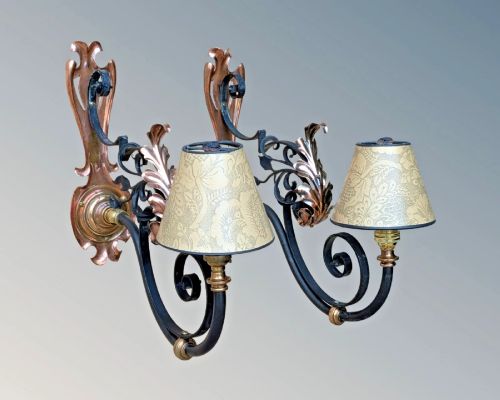
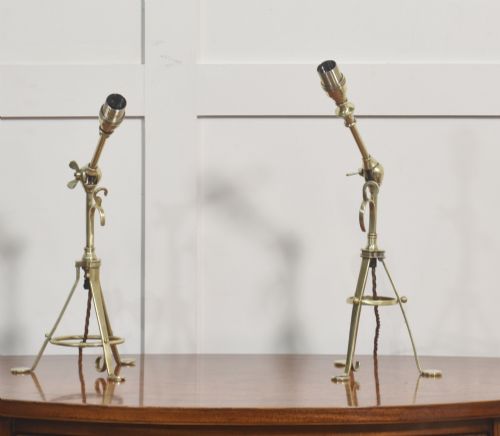
An arts and crafts sconce brings structural integrity and hand-wrought simplicity to interior wall lighting, drawing on aesthetic principles from the late nineteenth and early twentieth centuries. Pieces found on this page range from compact brass candle holders to robust copper and wrought iron wall lights dating from the Edwardian era through to the nineteen thirties.
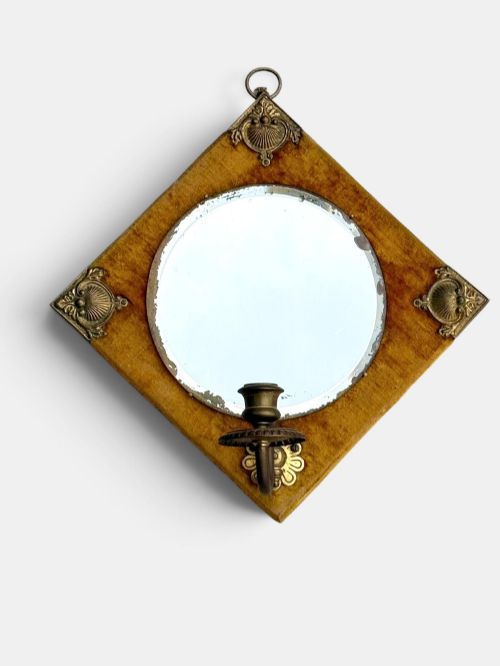
The selection includes specialised forms such as mirrored wall sconces with brass mounts, oak and brass combinations, and tall carriage style lanterns. Buyers will also encounter continental variations including French Art Nouveau interpretations and Amsterdam School hand chased copper designs alongside traditional English craftsmanship.
Materials and construction
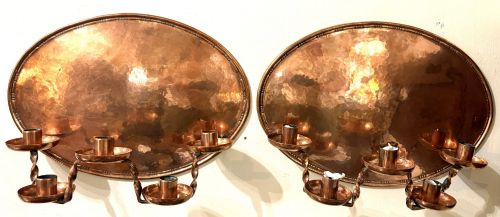
Metalworking dominates the construction of these fixtures, utilising durable brass, beaten copper, wrought iron, and pewter to create robust functional bodies. Artisans frequently employed hand chasing techniques on copper surfaces, adding tactile depth and individuality to each wall light.
Secondary materials like oak timber, glass panels, velvet, and enamel cabochons appear across various examples to complement the primary metal frames. These mixed media applications reflect the movement's dedication to integrated design and visible craftsmanship.
Arts and Crafts Sconce Retail Price Guide 2026
Typical asking prices for arts and crafts sconce among the pieces listed under this phrase on Sellingantiques today, from the lower quarter to the upper quarter. They describe what is for sale here now, not the wider market.
Cherub motifs occasionally peek out from beneath heavy copper patination, reminding us that Victorian whimsy survived the industrial age.
Assessing quality
Quality reveals itself in the weight of the metal and the decisiveness of the hammer marks left by the maker. Heavier gauge copper and solid brass display superior structural substance compared to thinner pressed alternatives.
Integration of decorative elements such as enamel cabochons, secure riveted joints, and well preserved original patination elevate certain examples. The precision of hand chasing and the harmonious balance of mixed materials distinguish standard production pieces from finer studio work.
W.A.S. Benson·Degue·Louis Majorelle·Ruskin
The Arts and Crafts Sconce Glossary
- Repoussé
- A metalworking technique where the artisan hammers the design from the reverse side to form a raised relief on the front. This method creates tactile surface decoration on copper wall lights.
- Patina
- The natural surface change and coloration that develops on metals like brass and copper over decades of exposure to air and handling. Collectors value original patination for its historical authenticity.
- Cabochon
- A polished gemstone or enamel piece cut with a smooth domed top rather than faceted edges. These are frequently set into metal backplates as decorative accents.
- Wrought iron
- Iron that is heated and hammered into shape by hand rather than cast in a mould. This material provides structural strength and fibrous texture to wall sconce arms and brackets.
- Amsterdam School
- An architectural and design movement from the early twentieth century characterised by expressive brickwork, organic forms, and elaborate metal ornamentation. Pieces in this style exhibit distinctive sculptural shaping.
Arts and Crafts Sconce: Frequently Asked Questions
How do I clean copper wall sconces?
Dust gently with a soft dry cloth to preserve the historic surface patination and avoid using harsh chemical polishes that strip character.
Allow the natural ageing process to continue safely without abrasive scrubbing.
Were these sconces electrified originally?
Many early pieces were designed specifically for candles before being converted safely to electricity during later decades of use.
Wiring methods vary, so professional inspection by an electrician is recommended prior to home installation.
How do I date an arts and crafts sconce?
Examine the metal construction techniques, fixing screws, and backplate styles to establish a baseline period between the late nineteenth century and the nineteen thirties.
Compare the aesthetic details against known design movements such as Art Nouveau or the Amsterdam School.
Can I mix different metals in one room?
Combining copper, brass, and wrought iron fixtures creates a layered interior scheme common in historic homes of the period.
Matching the overall design ethos matters more than ensuring every metal finish is identical.