



Art Nouveau Wall Light
An art nouveau wall light brings sinuous organic lines and fluid forms into a room, offering warm illumination through sculpted metal and tinted glass.
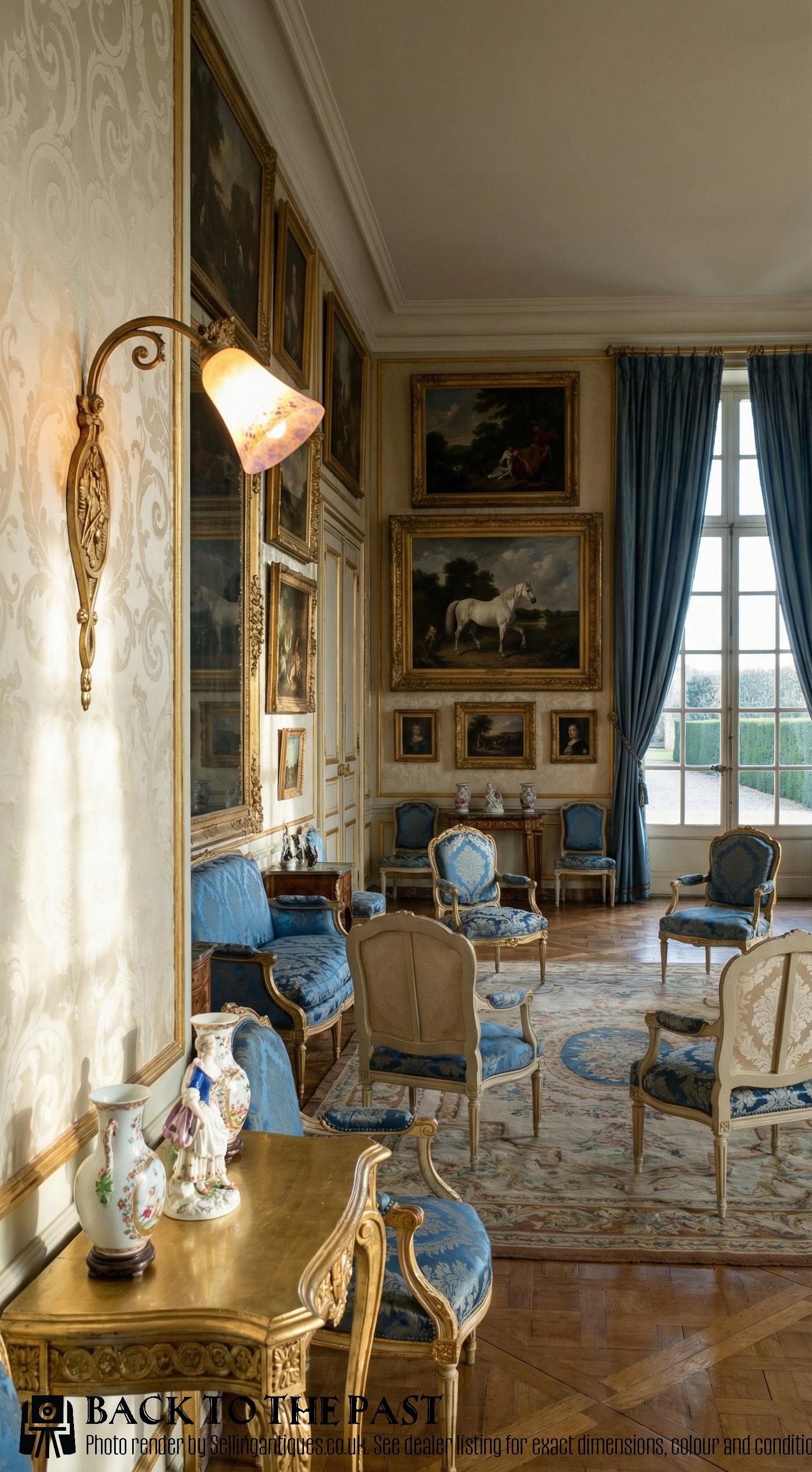
Art Nouveau Wall Light
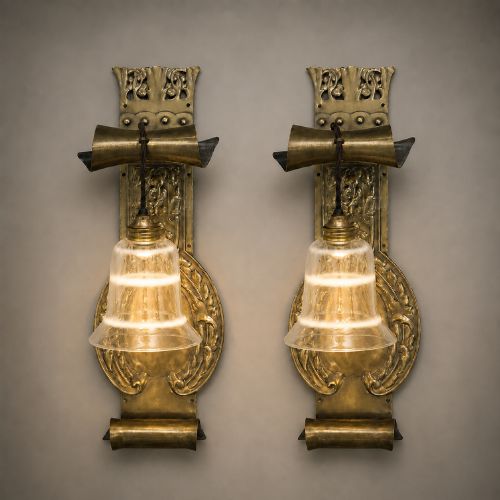
When you search for an art nouveau wall light, you find decorative brackets and sconces designed to mount directly onto domestic walls. These fixtures emerge predominantly from the period around 1890 to 1910, capturing the sweeping floral and plant-inspired motifs of the movement.
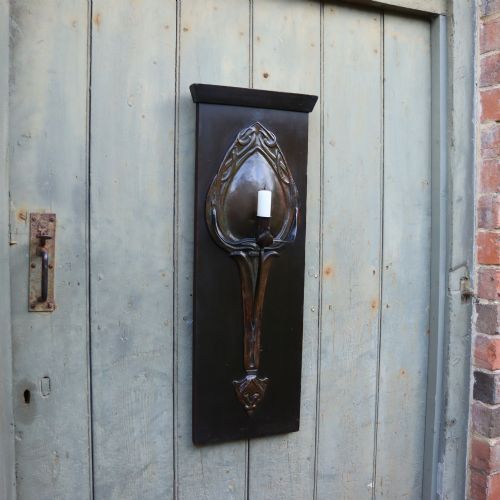
The pieces on this page are most frequently encountered as pairs or sets of wall lights, often formed from cast bronze, brass, or copper. Alongside standard electrical fittings, the selection includes pieces adapted from earlier gas lighting or designed to hold candles.
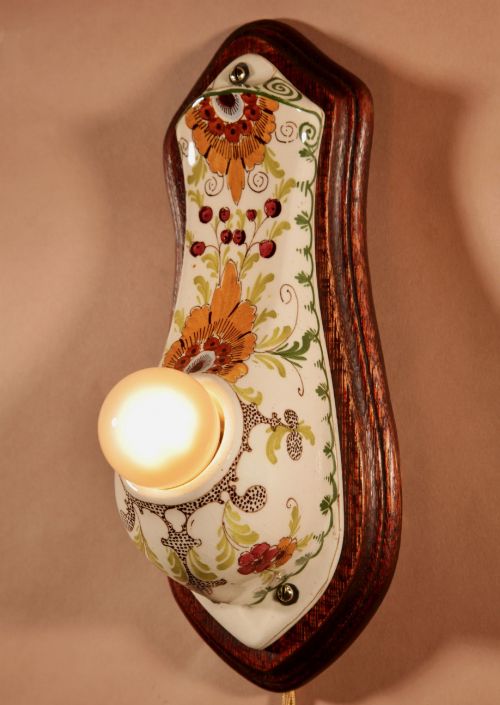
French and English workshops dominate the origins of these fixtures, alongside Dutch ceramic examples and occasional Arts and Crafts influences. Buyers encounter single arm lights as well as multi-branched candelabra fittings designed for principal reception rooms.
How they were made
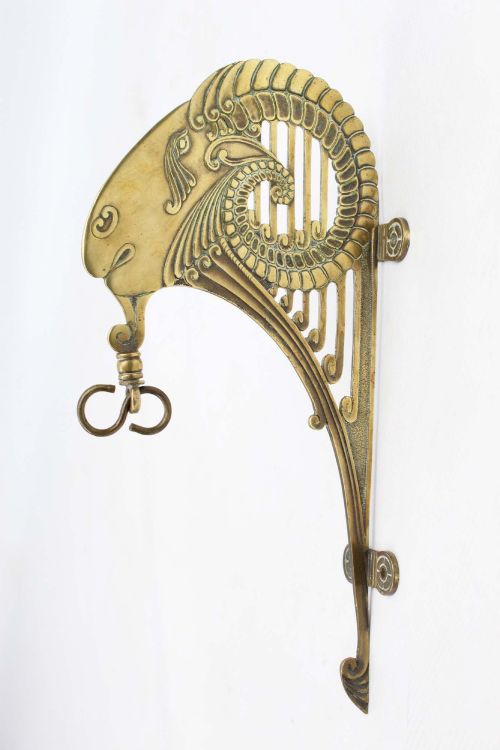
Foundry work forms the basis of these light fittings, utilising cast bronze and brass shaped into flowing tendrils and asymmetrical organic curves. Metalworkers employed patination, silver-plating, and gilding to vary the surface texture and colour of the metal components.
Glass elements, including frosted and cranberry shades as well as specific makers' glass such as Dugué, were blown or moulded to complement the structural metalwork. In some instances, wooden elements like carved oak brackets incorporate inlaid floral decoration to support the metal fittings.
Art Nouveau Wall Light Retail Price Guide 2026
Typical asking prices for art nouveau wall light among the pieces listed under this phrase on Sellingantiques today, from the lower quarter to the upper quarter. They describe what is for sale here now, not the wider market.
Listings feature brass, bronze, copper, and ceramic materials spanning the Victorian era through to the early twentieth century.
What varies in quality
The refinement of the casting separates standard production pieces from finer work, visible in the crispness of plant motifs and the smooth integration of structural joints. Heavier bronze or brass mounts with deep relief work indicate superior craftsmanship.
Original glass shades that retain their matching pairing and lack chips or modern replacements elevate the integrity of a wall light. The complexity of the arm configuration, from single brackets to multi-branched setups, also alters the visual weight and ambition of the design.
Liberty·Dugué
The Art Nouveau Wall Light Glossary
- Sconce
- A wall-mounted lighting fixture designed to hold candles, gas burners, or electric lamps. These fixtures project forward from the wall surface to direct illumination into the room.
- Patinated Metal
- Metal treated with chemicals or heat to alter its surface colour and create an aged appearance. This finish protects the underlying material while deepening the visual tones.
- Cranberry Glass
- A type of transparent pinkish-red glass produced by adding gold chloride to the molten batch. It appears frequently in late nineteenth-century lighting shades.
- Plateel
- A Dutch term for glazed ceramic ware often associated with Gouda and Delft pottery. Such ceramic bodies were sometimes utilised in night lights and wall-mounted fixtures.
Art Nouveau Wall Light: Frequently Asked Questions
How do I wire an antique wall light?
Many surviving fixtures have been rewired for modern electrical standards by specialists, allowing them to connect safely to domestic wall circuits.
Buyers should consult a qualified electrician to ensure the internal wiring accommodates current safety regulations before installation.
Can I find matching pairs of wall lights?
The selection frequently includes pairs and sets of matching sconces, which were traditionally manufactured to balance the illumination of a room.
Single wall lights also appear regularly for smaller spaces or specific architectural alcoves.
What metals were commonly used?
Brass, bronze, and copper serve as the primary structural materials for these decorative lighting fixtures.
Surfaces often feature patinated finishes, silver-plating, or gilding to enhance the organic forms characteristic of the period.
How do I identify French pieces?
French examples often display distinctive rococo revival influences alongside flowing art nouveau plant motifs, utilising cast bronze and signed glass shades.
Workshops from this region frequently produced multi-branched candelabra brackets designed for formal interiors.