



Frosted Glass Sconces
Frosted glass sconces are wall lights that diffuse warm illumination softly across a room, bringing period character and practical charm to an interior.
What frosted glass sconces are
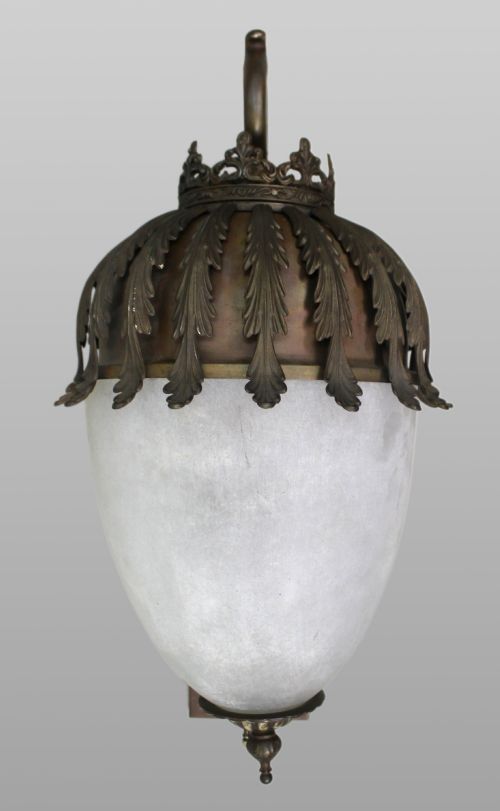
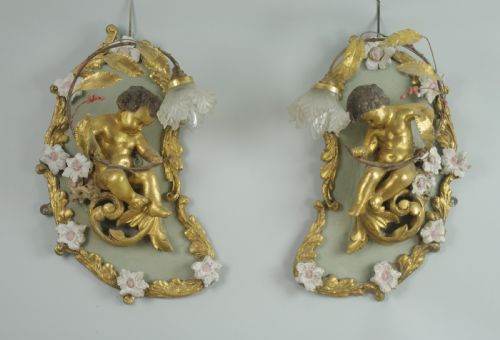
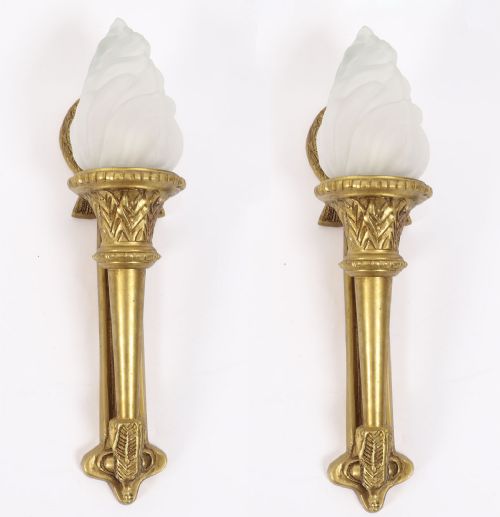
Frosted glass sconces comprise wall-mounted lighting fixtures designed to hold translucent shades that soften and scatter light evenly. These pieces span the Art Deco and Neo-Classical styles, reflecting design preferences from the nineteen twenties and nineteen thirties.
How they were made
Makers combined glass with metal frames and mounting components such as chrome, ormolu, gilt bronze and catalin bakelite. The glass panels and shades received chemical or mechanical frosting treatments to achieve their characteristic opaque finish.
Metalwork involved casting, plating and fabrication to secure the glass securely within decorative backplates and arms. These construction methods ensured both structural rigidity for wall mounting and an appealing visual contrast between polished metal and matte glass.
Current listings feature pieces exclusively from the nineteen twenties and nineteen thirties, spanning Art Deco and Neo-Classical design movements.
What varies in quality
Quality rests in the weight and finish of the metal components, from heavy gilt bronze and ormolu to polished chrome and bakelite. Heavier castings and crisper decorative detailing distinguish the finer examples from standard commercial production.
The consistency and texture of the frosted glass also dictate the standard of the piece, with uniform diffusion and clean moulding indicating superior manufacture. Matching sets across pairs or larger groups maintain greater architectural harmony than assembled components.
ROS
The Frosted Glass Sconces Glossary
- Frosted Glass
- Glass treated to create a textured, opaque surface that diffuses light. This finish reduces glare and softens the overall illumination of the room.
- Ormolu
- Gilt bronze created by applying a finely ground high-carat gold-mercury amalgam to a bronze object. It provides a rich, warm metallic sheen seen on classical revival pieces.
- Bakelite
- An early form of synthetic plastic utilised for electrical components and decorative accents. Its dark, lustrous finish is characteristic of nineteen thirties manufacturing.
- Sconce
- A wall-mounted lighting fixture designed to hold bulbs or candles. These pieces project outward to cast light across vertical surfaces.
Frequently Asked Questions
How do I clean frosted glass sconces?
Remove the glass shades carefully and wash them in warm, soapy water using a soft cloth to avoid scratching the treated surface. Dry them thoroughly before reattaching them to the metal frame.
Polish the metal components separately with a dry or slightly damp cloth depending on whether the surface is chrome, gilt bronze or bakelite. Avoid harsh chemical cleaners that might damage historical finishes.
Can these wall lights use modern bulbs?
Most historical wall lights can accommodate modern LED equivalents provided the wattage and physical dimensions match the original fittings. Check the internal wiring and bulb holders to ensure compatibility with current electrical standards.
An electrician can inspect the vintage wiring and make adjustments safely without altering the external appearance of the fixture.
How do I date a sconce from this era?
Examine the materials and construction techniques, noting the presence of early plastics like bakelite alongside chrome or ormolu. Stylistic cues such as geometric Art Deco lines or classical Neo-Classical motifs point directly to the nineteen twenties and nineteen thirties.
Matching sets often retain maker stamps or assembly markings on the reverse of the backplates that help narrow down the period of production.
Are pairs and sets harder to find?
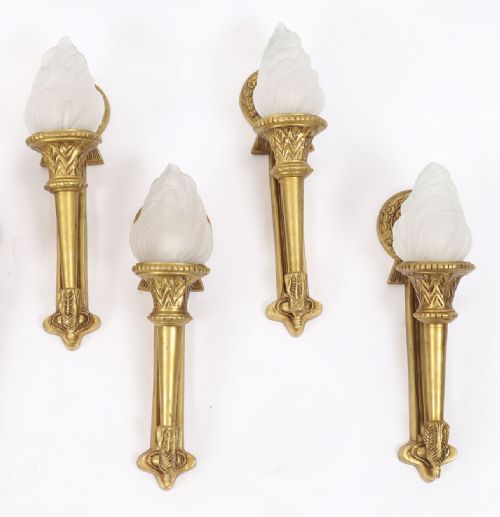
Complete sets of three or four matching wall lights occur less frequently than single pieces or simple pairs due to losses over time. Finding matching multiples ensures a balanced lighting scheme across larger walls or specific architectural spaces.
Sourcing matched groups saves time when planning uniform interior lighting layouts for period properties.