


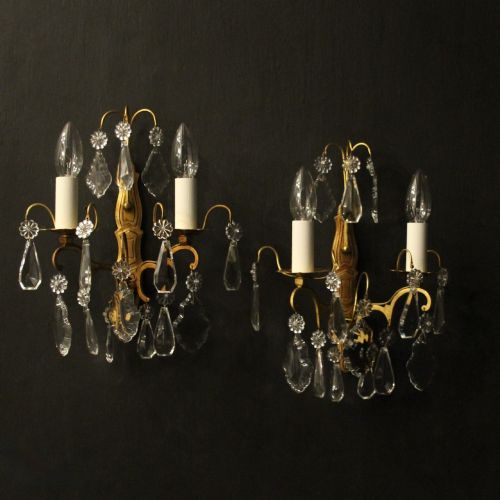
Vintage Wall Sconces
These vintage wall sconces bring layered illumination and period character to a room, offering genuine architectural presence.
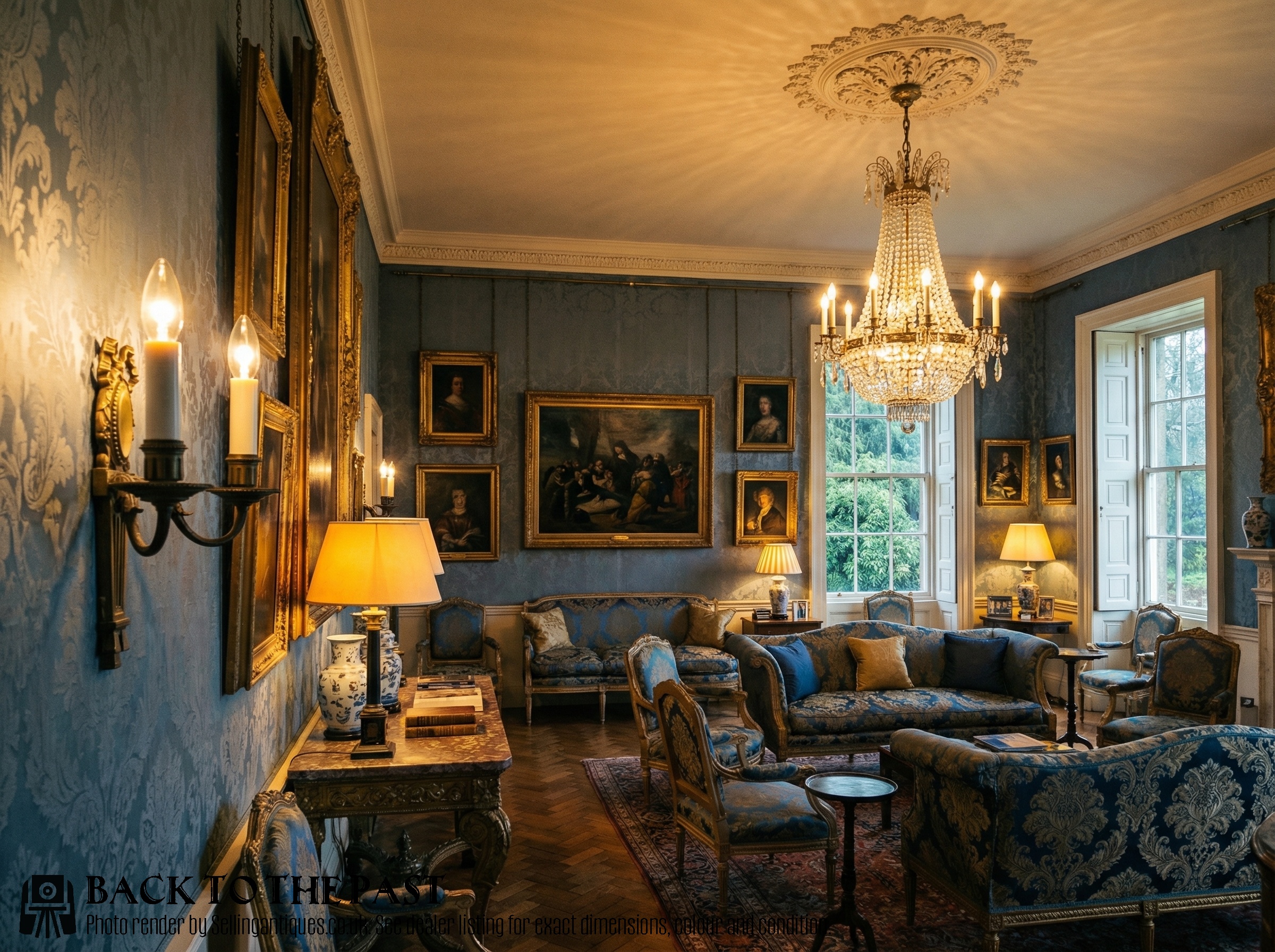
What vintage wall sconces are
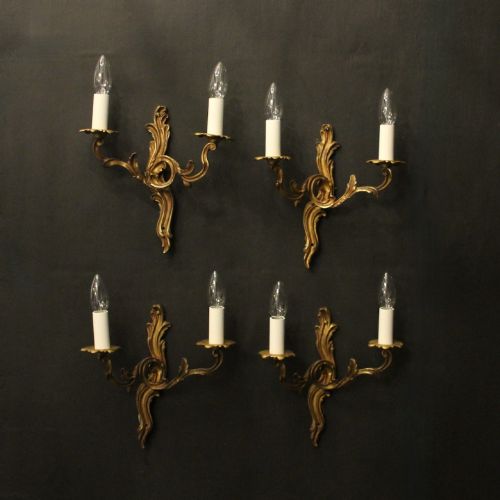
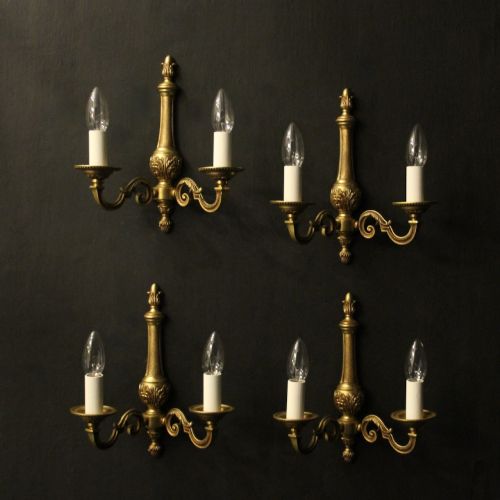
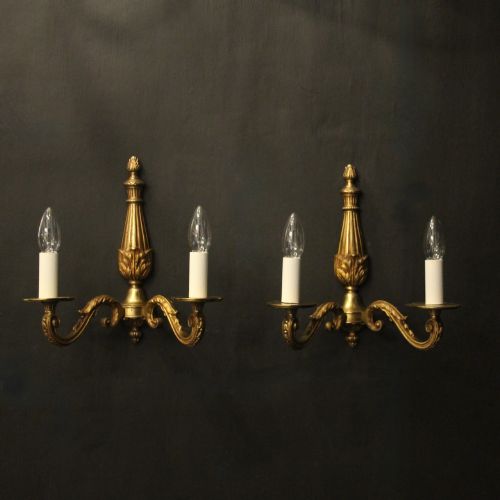
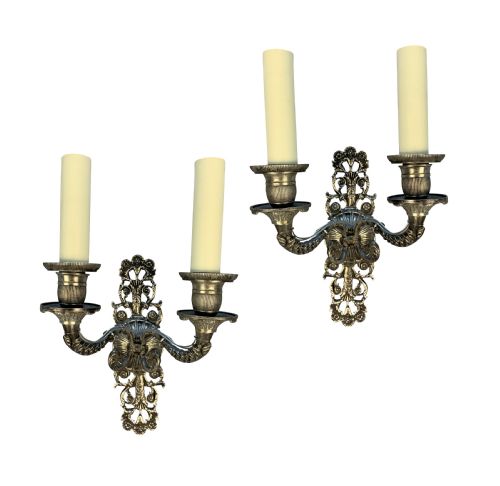
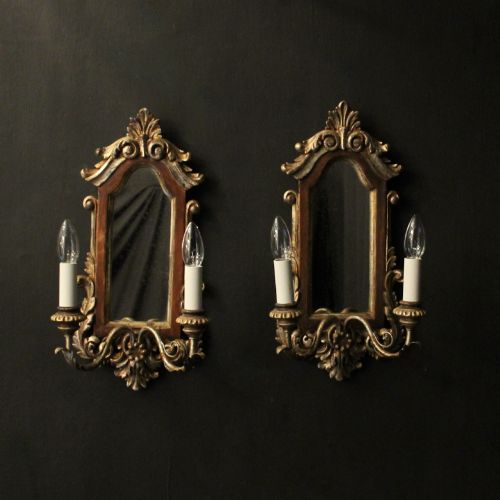
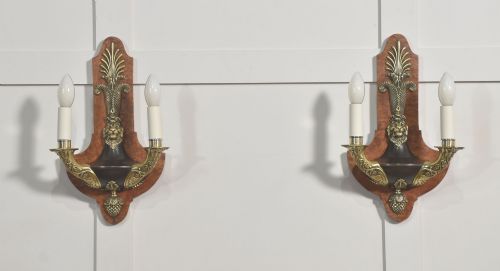
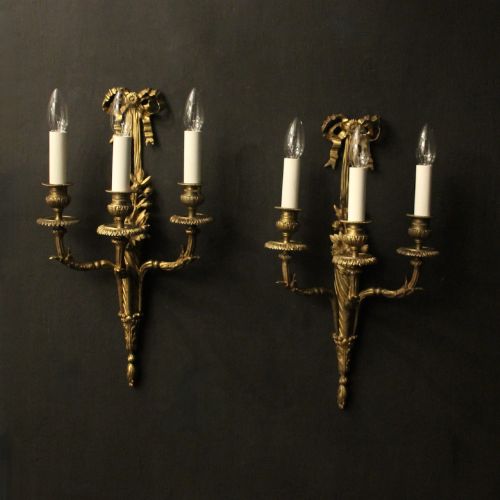
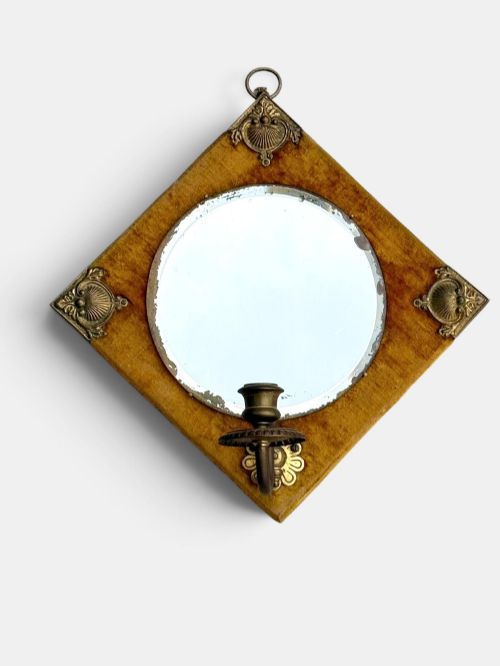
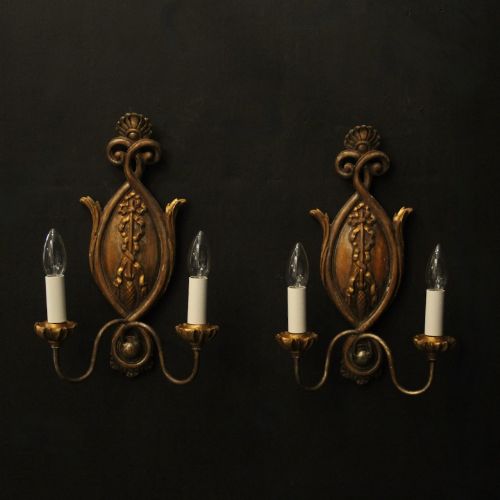
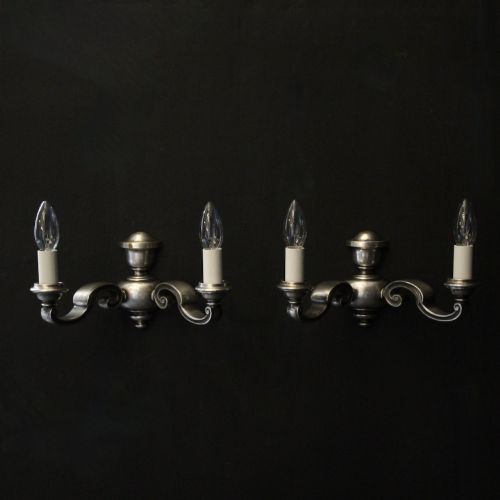
Vintage wall sconces provide directional light and decorative focus along a room perimeter, often appearing in matching pairs across the listings. Buyers searching for vintage wall sconces encounter forms ranging from nineteenth century French bronze designs to early twentieth century English silver plated and brass fixtures.
How they were made
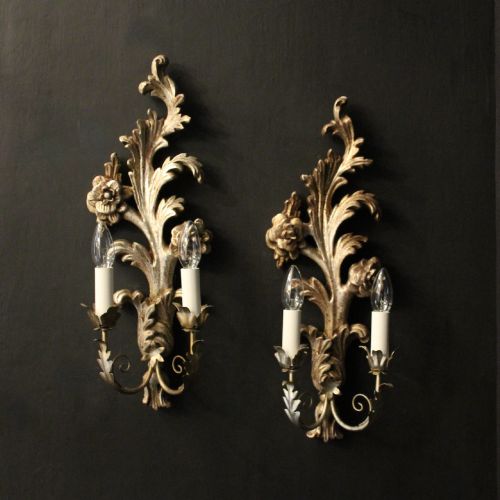
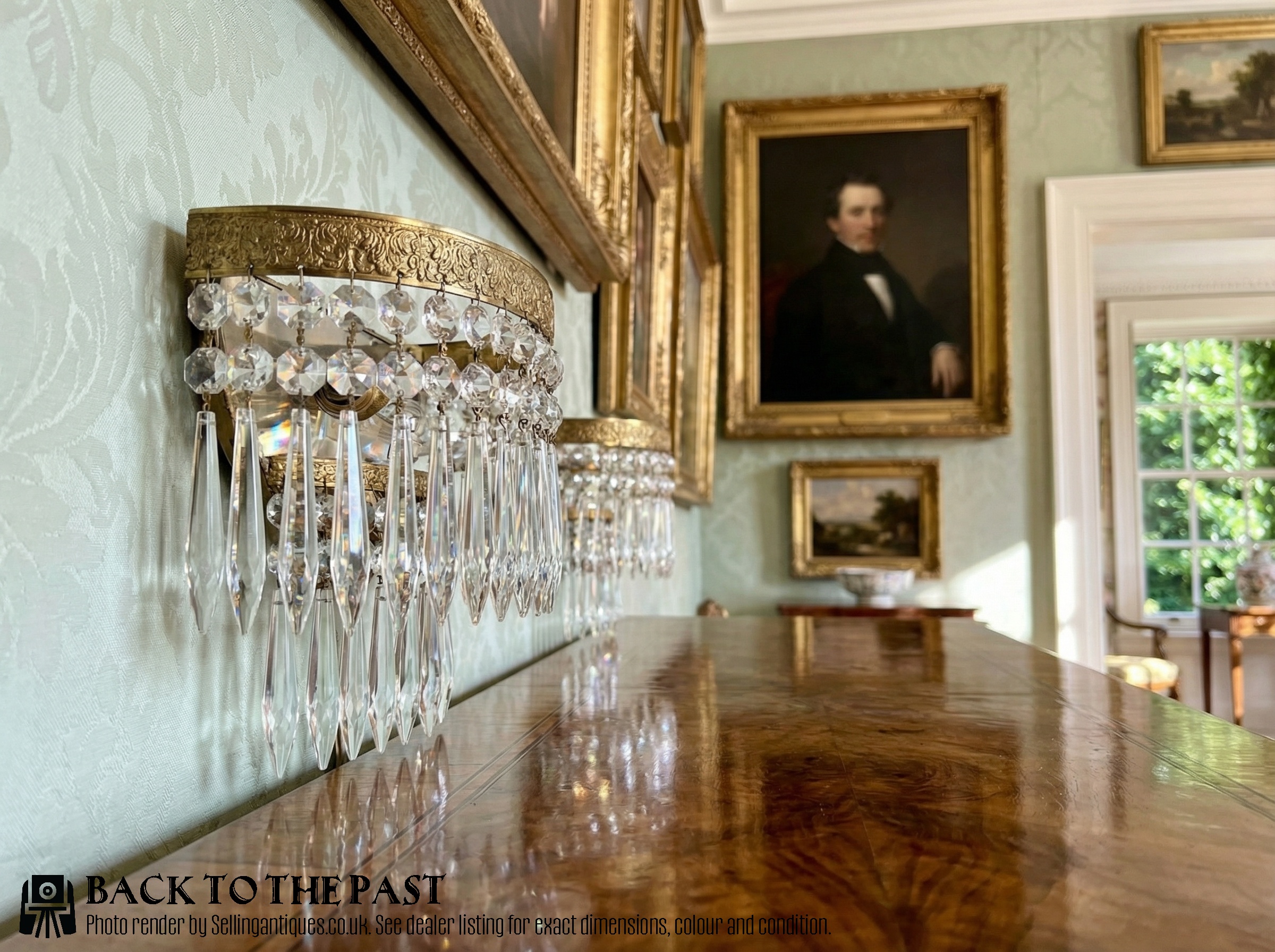
Construction utilises solid metals including brass, bronze, and silvered or gilded brass, frequently paired with crystal components. Manufacturing methods combine metal casting with hand finishing and plating techniques.
Art Nouveau examples incorporate contrasting materials like cranberry glass alongside brass framework, while earlier nineteenth century French pieces employ heavier cast bronze foundations.
Retail Price Guide 2026
Typical UK retail prices for vintage wall sconces, calculated from the Sellingantiques database of over a million retail prices indexed since 2003. This retail price guide relies exclusively on Sellingantiques data; no external sources or auction records are used, so the figures do not describe the wider market.
Cranberry glass meets sinuous brass stems in the 1890s, bringing a rich berry tint to your evening glow.
What varies in quality
Quality separates through the crispness of cast metal ornament and the purity of integrated crystal drops. The refinement of stylistic detailing, such as Neoclassical or Rococo motifs, dictates the upper tier of the range.
Finishes show distinct variation between heavy mercury gilding, silver plating, and simple polished brass. The weight of the metal armature and the precision of the twin arm joints further distinguish superior examples.
The Vintage Wall Sconces Glossary
- Sconce
- A wall mounted lighting fixture designed to hold candles or electric lamps. These fixtures project illumination outward from vertical surfaces.
- Gilt bronze
- Metal cast in bronze and treated with a gold leaf or mercury gilt finish. This technique creates a rich decorative surface seen on French pieces.
- Twin arm
- A configuration featuring two distinct branching light holders extending from a single backplate. This layout increases both light output and visual symmetry.
- Crystal
- Cut glass components suspended from lighting fixtures to refract illumination. These elements add sparkle and enhance the decorative impact of the piece.
Frequently Asked Questions
How are wall sconces mounted?
These fixtures attach directly to wall surfaces over electrical junction boxes using fitted backplates. Installation requires secure anchoring to support the weight of cast metal bodies.
Professional wiring ensures the internal components meet current safety standards while preserving original exterior metalwork.
What periods do these sconces represent?
The pieces span the late nineteenth century through the 1930s. Common eras include Art Nouveau, Art Deco, and various revival styles.
Earlier nineteenth century items often feature heavier bronze casting, while 1930s examples lean towards streamlined or classical revival forms.
What materials are most common?
Brass and bronze dominate the construction, frequently enhanced with silver plating, silvered finishes, or gold gilding. Crystal drops and cranberry glass provide contrasting decorative accents.
Materials reflect the prevalent manufacturing techniques of French and English workshops from the 1890s to the 1930s.